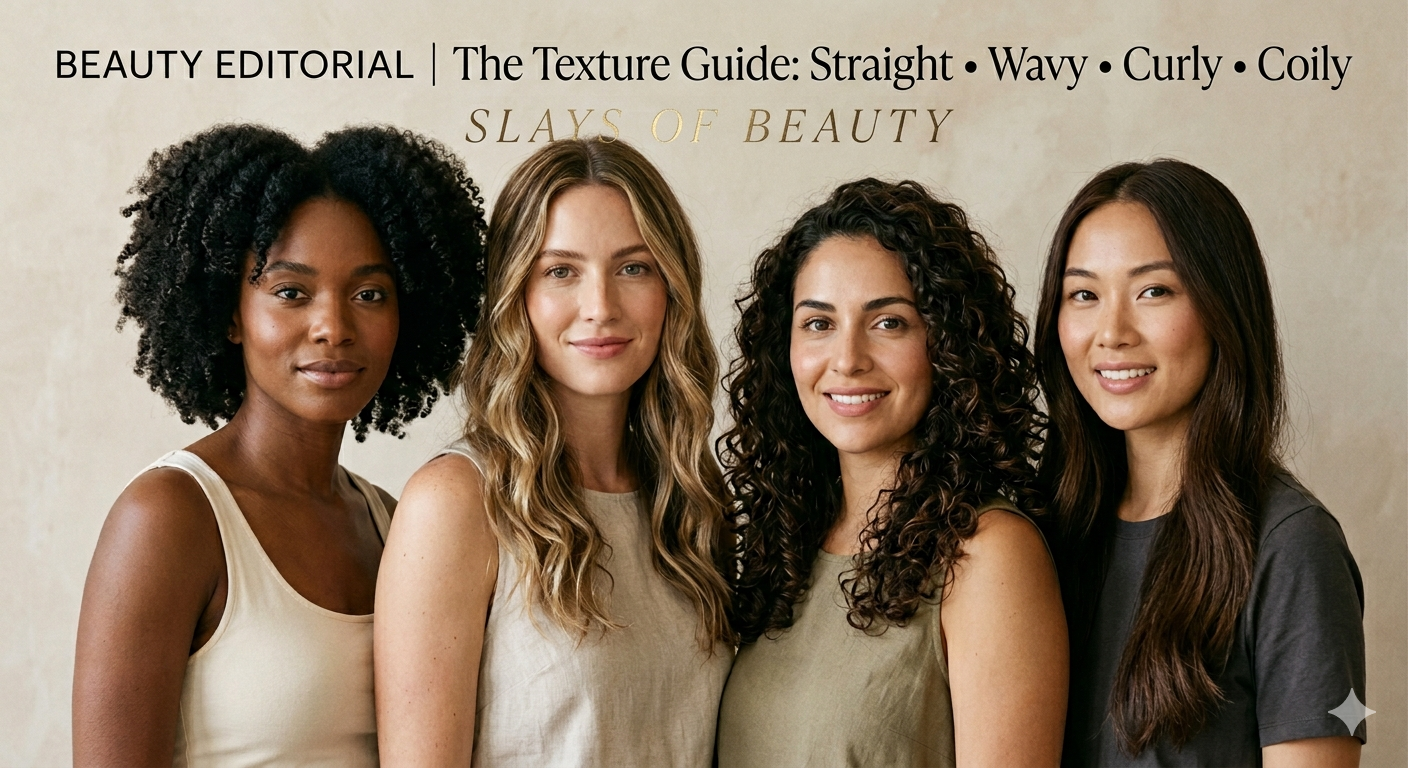
Hair can look completely different from one person to another, even when using the exact same products. One person swears by a heavy cream while another says it ruins their hair. Some people wash daily and still have healthy strands, while others struggle with dryness after one wash. The reason often comes down to one thing: hair types.
Understanding hair types is one of the biggest steps toward healthier, easier-to-manage hair. Once you know your hair type, choosing products, styling methods, and routines becomes much simpler. Instead of copying random trends online, you can build a routine that actually works for your hair.
In this guide, you will learn what hair types are, how to identify yours, and how to care for each type properly.
What Are Hair Types?
Hair types describe the natural shape and texture of your hair strands. Hair is generally divided into four main categories:
- Straight Hair
- Wavy Hair
- Curly Hair
- Coily Hair
Each category also has subtypes that explain how loose or tight the pattern is. Hair types are usually classified from Type 1 to Type 4.
Knowing your hair type helps you understand:
- Which products work best
- How much moisture your hair needs
- Which hairstyles last longer
- How to reduce breakage and frizz
- The best washing and styling methods
Type 1 Hair: Straight Hair
Straight hair lies flat from root to tip without forming curls or waves. It often reflects light easily, making it look shiny.
Characteristics of Straight Hair
- Smooth texture
- Natural shine
- Can become oily quickly
- Usually easy to comb
- May struggle to hold curls
Straight hair has three subcategories:
Type 1A

Very straight and fine hair. It is soft and silky but may lack volume.
Type 1B

Straight hair with a little more body and thickness.
Type 1C
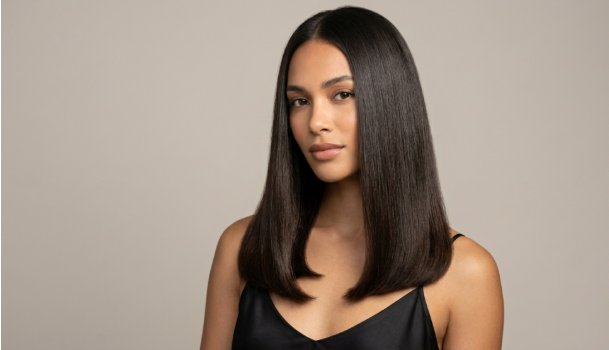
Straight but thicker and coarser. It may develop slight bends.
Best Care Tips for Straight Hair
- Use lightweight shampoos and conditioners
- Avoid heavy oils that weigh hair down
- Dry shampoo can help with oily roots
- Volumizing products work well
- Heat protectant is important when styling
Type 2 Hair: Wavy Hair
Wavy hair sits between straight and curly hair. It forms loose S-shaped patterns and usually has natural movement.
Characteristics of Wavy Hair
- Soft waves
- More texture than straight hair
- Can become frizzy
- Often easy to style
- Holds hairstyles well
Type 2A

Loose, barely-there waves with fine texture.
Type 2B

More defined waves with moderate frizz.
Type 2C

Deep waves that border on curls. Usually thick and prone to frizz.
Best Care Tips for Wavy Hair
- Use lightweight moisturizing products
- Avoid over-brushing dry hair
- Sea salt sprays can enhance waves
- Diffusers help define texture
- Deep conditioning prevents dryness
Type 3 Hair: Curly Hair
Curly hair forms visible loops or ringlets. It tends to be more voluminous and often needs extra moisture.
Characteristics of Curly Hair
- Defined curls
- Natural volume
- More prone to dryness
- Can tangle easily
- Shrinkage may occur
Type 3A

Loose, soft curls with large loops.
Type 3B

Springy ringlets with more density.
Type 3C
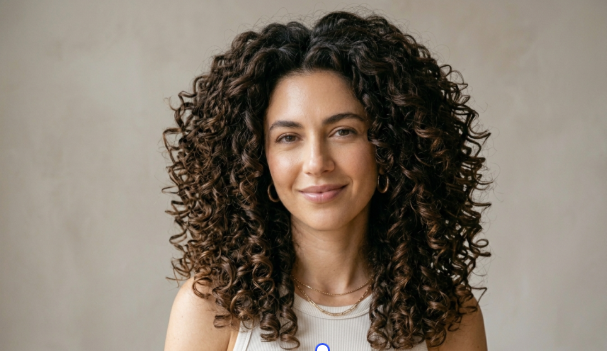
Tight corkscrew curls with lots of volume.
Best Care Tips for Curly Hair
- Moisture is essential
- Use sulfate-free shampoos
- Leave-in conditioners help reduce frizz
- Avoid brushing dry curls
- Satin pillowcases help protect curls overnight
Type 4 Hair: Coily Hair
Coily hair has very tight curls or zig-zag patterns. It is delicate despite appearing dense and often experiences shrinkage.
Characteristics of Coily Hair
- Tight curl pattern
- High shrinkage
- Very versatile styling options
- Needs consistent moisture
- Fragile if handled roughly
Type 4A
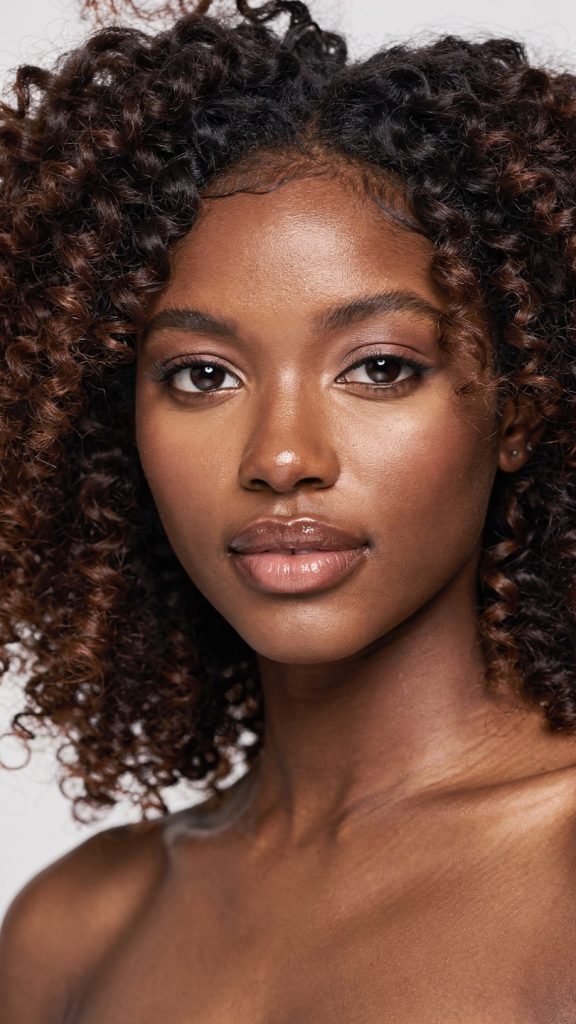
Soft coils with visible curl patterns.
Type 4B
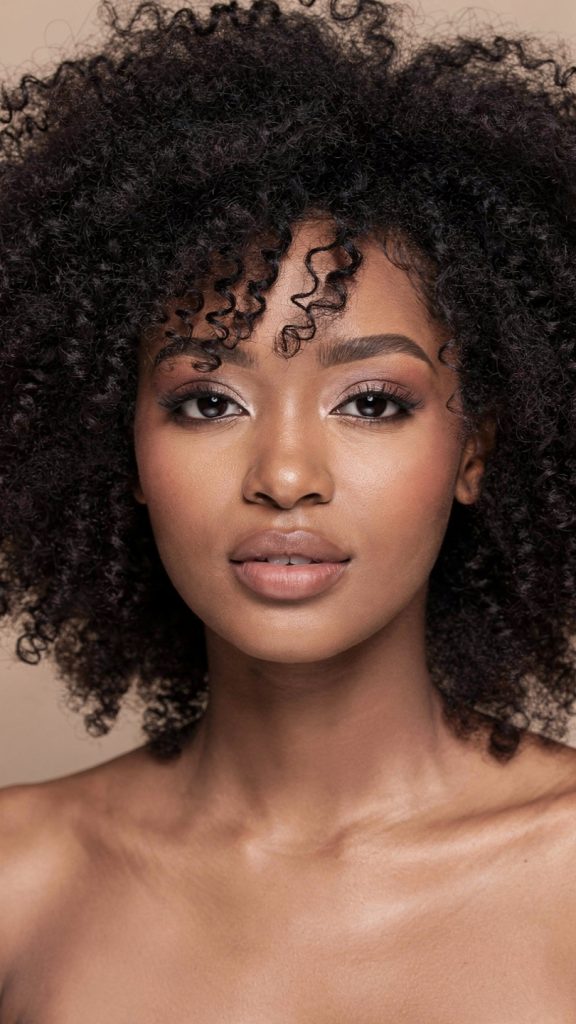
Z-shaped bends with less defined curls.
Type 4C
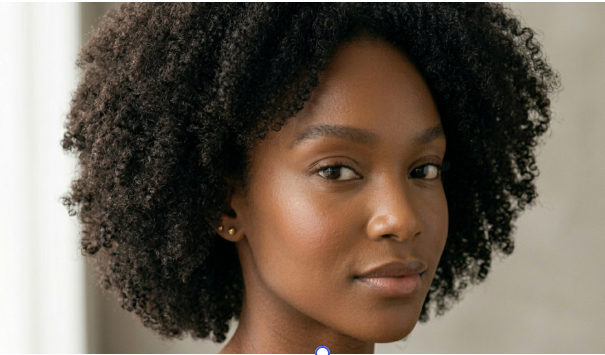
Very tight coils with maximum shrinkage and minimal visible definition.
Best Care Tips for Coily Hair
- Focus heavily on hydration
- Use protective hairstyles carefully
- Minimize excessive heat
- Deep condition regularly
- Detangle gently using conditioner
How to Identify Your Hair Type
Many people are unsure about their hair type because hair can behave differently depending on humidity, damage, or styling.
Here is a simple way to identify your hair type:
Step 1: Wash Your Hair
Use a gentle shampoo and avoid styling products afterward.
Step 2: Let It Air Dry
Do not braid, twist, or heat-style your hair.
Step 3: Observe the Pattern
Look at your natural texture once fully dry.
- Completely straight = Type 1
- Loose waves = Type 2
- Ringlets or curls = Type 3
- Tight coils or zig-zag patterns = Type 4
You will love this; 12 Long Curly Haircuts with Layers for Women.
Hair Texture vs Hair Type
People often confuse hair texture with hair type, but they are different.
Hair Type
Refers to the curl pattern.
Hair Texture
Refers to strand thickness:
- Fine
- Medium
- Coarse
You can have:
- Fine curly hair
- Coarse straight hair
- Thick wavy hair
Both texture and type affect which products work best.
Hair Porosity Matters Too
Hair porosity describes how well your hair absorbs and retains moisture.
Low Porosity Hair
- Repels moisture initially
- Products sit on top
- Benefits from lightweight formulas
Medium Porosity Hair
- Balanced moisture retention
- Easier to maintain
High Porosity Hair
- Absorbs moisture quickly
- Loses moisture fast
- Needs rich conditioners and oils
Understanding porosity can improve your hair routine even more.
Common Hair Type Mistakes
Using the Wrong Products
Heavy products may flatten straight hair, while lightweight products may not moisturize curly or coily hair enough.
Overwashing
Some hair types dry out quickly with daily washing.
Ignoring Moisture Needs
Curly and coily hair generally need more hydration.
Excessive Heat Styling
Frequent heat can damage all hair types and change natural patterns over time.
Comparing Your Hair to Others
Even within the same hair type, density, texture, and porosity vary.
The Best Ingredients for Different Hair Types
Straight Hair
Look for:
- Lightweight proteins
- Volumizers
- Clarifying ingredients
Wavy Hair
Look for:
- Aloe vera
- Lightweight creams
- Frizz control products
Curly Hair
Look for:
- Shea butter
- Coconut oil
- Leave-in conditioners
Coily Hair
Look for:
- Castor oil
- Rich butters
- Deep moisturizing masks
Can Your Hair Type Change?
Yes, hair types can change over time due to:
- Hormones
- Aging
- Heat damage
- Chemical treatments
- Health conditions
For example, some people notice curl pattern changes after pregnancy or major hormonal shifts.
The Importance of Building a Hair Routine
Once you know your hair type, creating a routine becomes easier.
A healthy routine often includes:
- Cleansing
- Conditioning
- Moisturizing
- Protecting
- Gentle styling
Consistency matters more than buying expensive products.
Protective Hairstyles and Hair Types
Protective styles can benefit many hair types, especially curly and coily hair.
Examples include:
- Braids
- Twists
- Buns
- Silk wraps
However, styles should not be too tight because tension can lead to breakage or hair loss.
Signs Your Hair Routine Is Working
You know your routine fits your hair type when:
- Hair feels softer
- Breakage decreases
- Styling becomes easier
- Curls or waves appear more defined
- Scalp feels balanced
- Hair retains moisture longer
Healthy hair usually becomes more manageable over time.
Final Thoughts on Hair Types
Understanding hair types can completely change how you care for your hair. Instead of fighting your natural texture, you can learn how to support it properly. Straight, wavy, curly, and coily hair all have different needs, and there is no single routine that works for everyone.
The key is paying attention to your own hair rather than following every trend online. Once you understand your hair type, texture, and porosity, you can choose products and techniques that actually improve your hair’s health.
The goal is not perfect hair. The goal is healthy hair that works with your natural texture instead of against it.

Leave a Reply