Category: curly hair

  • 12 Hair Types That Completely Change How Your Hair Looks and Feels

    12 Hair Types That Completely Change How Your Hair Looks and Feels

    Hair can look completely different from one person to another, even when using the exact same products. One person swears by a heavy cream while another says it ruins their hair. Some people wash daily and still have healthy strands, while others struggle with dryness after one wash. The reason often comes down to one thing: hair types.

    Understanding hair types is one of the biggest steps toward healthier, easier-to-manage hair. Once you know your hair type, choosing products, styling methods, and routines becomes much simpler. Instead of copying random trends online, you can build a routine that actually works for your hair.

    In this guide, you will learn what hair types are, how to identify yours, and how to care for each type properly.

    What Are Hair Types?

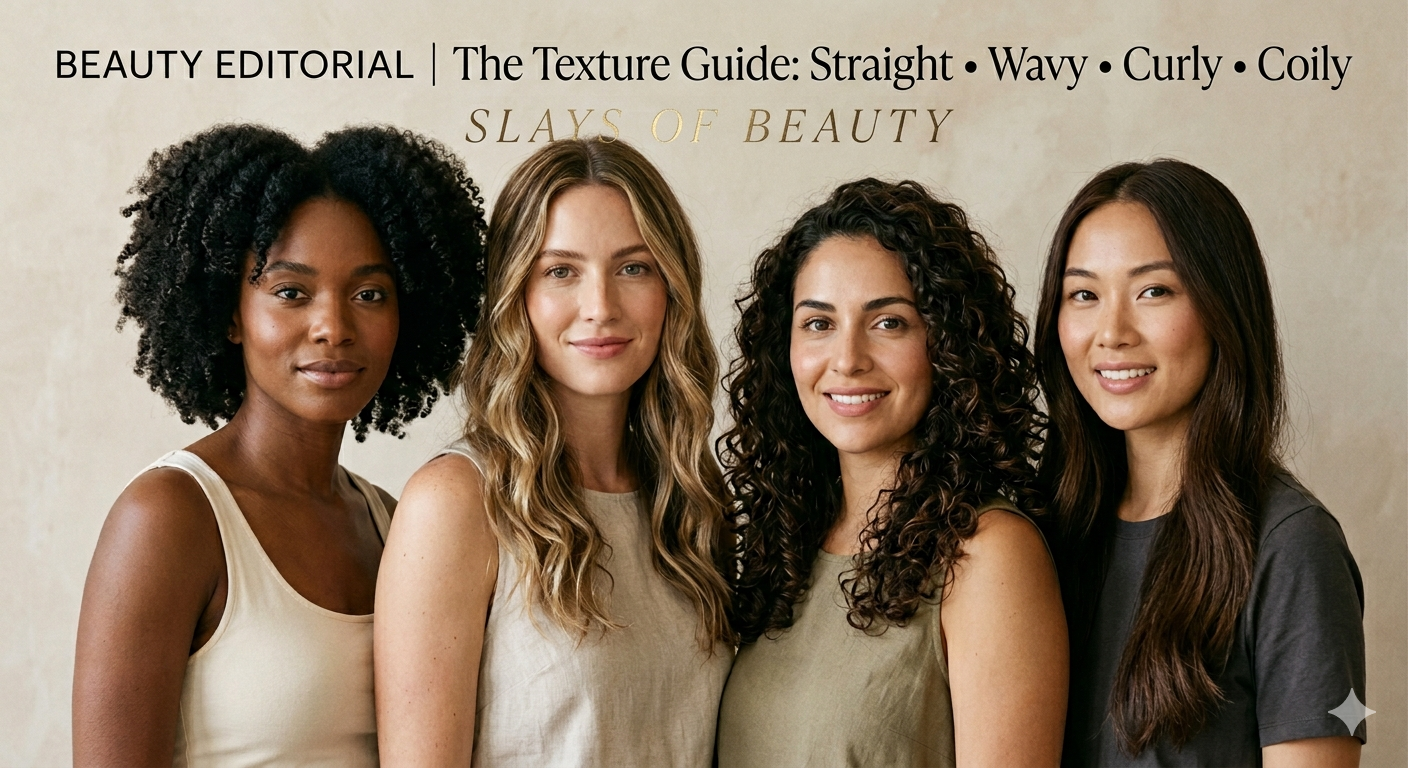
    Hair types describe the natural shape and texture of your hair strands. Hair is generally divided into four main categories:

    1. Straight Hair
    2. Wavy Hair
    3. Curly Hair
    4. Coily Hair

    Each category also has subtypes that explain how loose or tight the pattern is. Hair types are usually classified from Type 1 to Type 4.

    Knowing your hair type helps you understand:

    • Which products work best
    • How much moisture your hair needs
    • Which hairstyles last longer
    • How to reduce breakage and frizz
    • The best washing and styling methods

    Type 1 Hair: Straight Hair

    Straight hair lies flat from root to tip without forming curls or waves. It often reflects light easily, making it look shiny.

    Characteristics of Straight Hair

    • Smooth texture
    • Natural shine
    • Can become oily quickly
    • Usually easy to comb
    • May struggle to hold curls

    Straight hair has three subcategories:

    Type 1A

    Very straight and fine hair. It is soft and silky but may lack volume.

    Type 1B
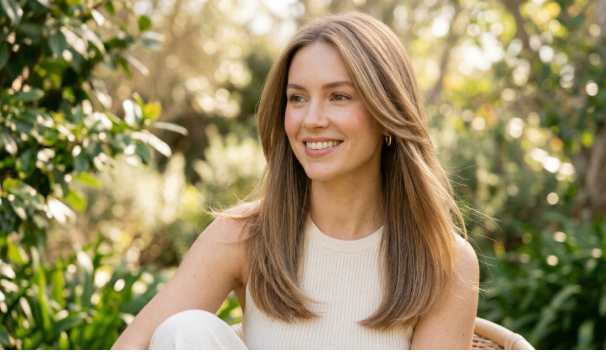
    Straight hair with a little more body and thickness.

    Type 1C
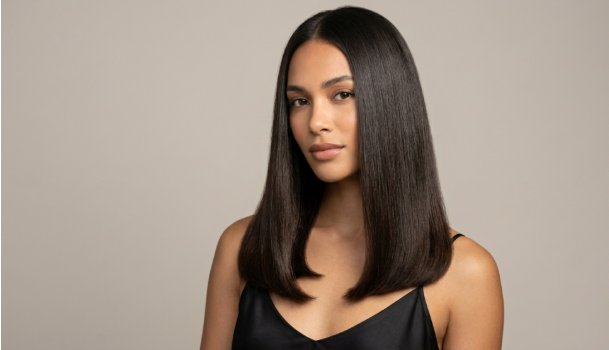
    Straight but thicker and coarser. It may develop slight bends.

    Best Care Tips for Straight Hair

    • Use lightweight shampoos and conditioners
    • Avoid heavy oils that weigh hair down
    • Dry shampoo can help with oily roots
    • Volumizing products work well
    • Heat protectant is important when styling

    Type 2 Hair: Wavy Hair

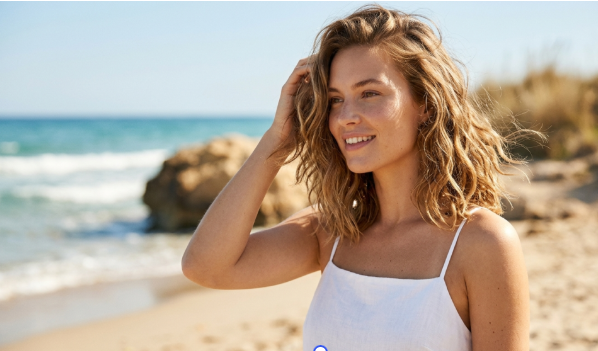
    Wavy hair sits between straight and curly hair. It forms loose S-shaped patterns and usually has natural movement.

    Characteristics of Wavy Hair

    • Soft waves
    • More texture than straight hair
    • Can become frizzy
    • Often easy to style
    • Holds hairstyles well

    Type 2A

    Loose, barely-there waves with fine texture.

    Type 2B

    More defined waves with moderate frizz.

    Type 2C
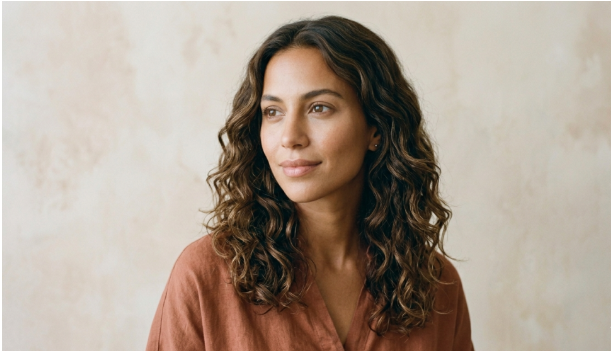
    Deep waves that border on curls. Usually thick and prone to frizz.

    Best Care Tips for Wavy Hair

    • Use lightweight moisturizing products
    • Avoid over-brushing dry hair
    • Sea salt sprays can enhance waves
    • Diffusers help define texture
    • Deep conditioning prevents dryness

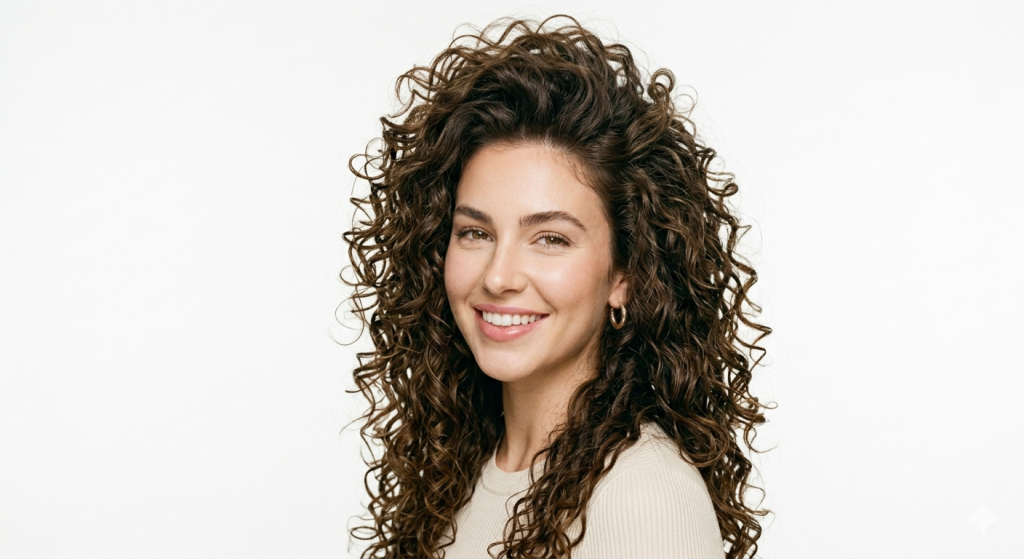
    Type 3 Hair: Curly Hair

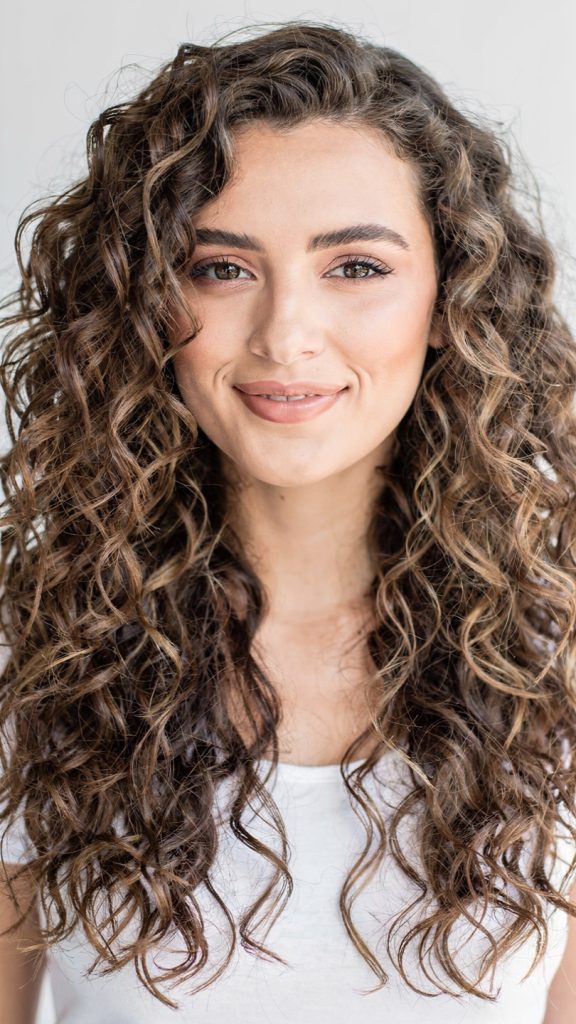
    Curly hair forms visible loops or ringlets. It tends to be more voluminous and often needs extra moisture.

    Characteristics of Curly Hair

    • Defined curls
    • Natural volume
    • More prone to dryness
    • Can tangle easily
    • Shrinkage may occur

    Type 3A

    Loose, soft curls with large loops.

    Type 3B
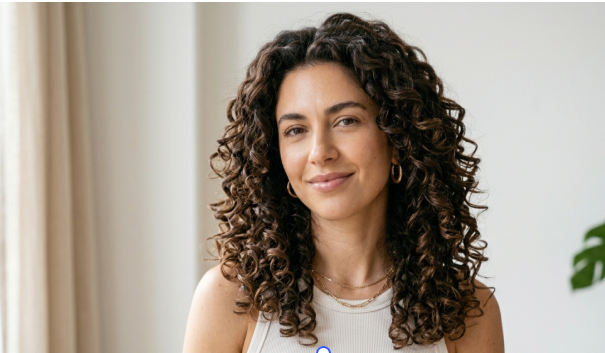
    Springy ringlets with more density.

    Type 3C
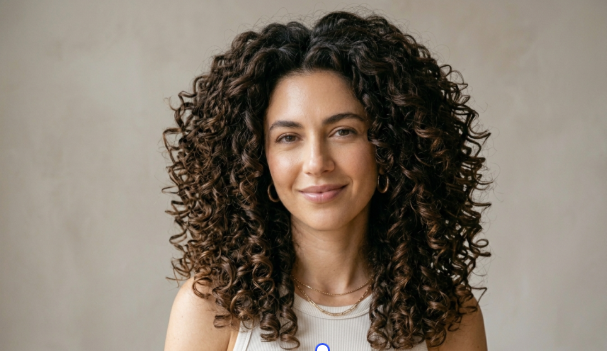
    Tight corkscrew curls with lots of volume.

    Best Care Tips for Curly Hair

    • Moisture is essential
    • Use sulfate-free shampoos
    • Leave-in conditioners help reduce frizz
    • Avoid brushing dry curls
    • Satin pillowcases help protect curls overnight

    Type 4 Hair: Coily Hair

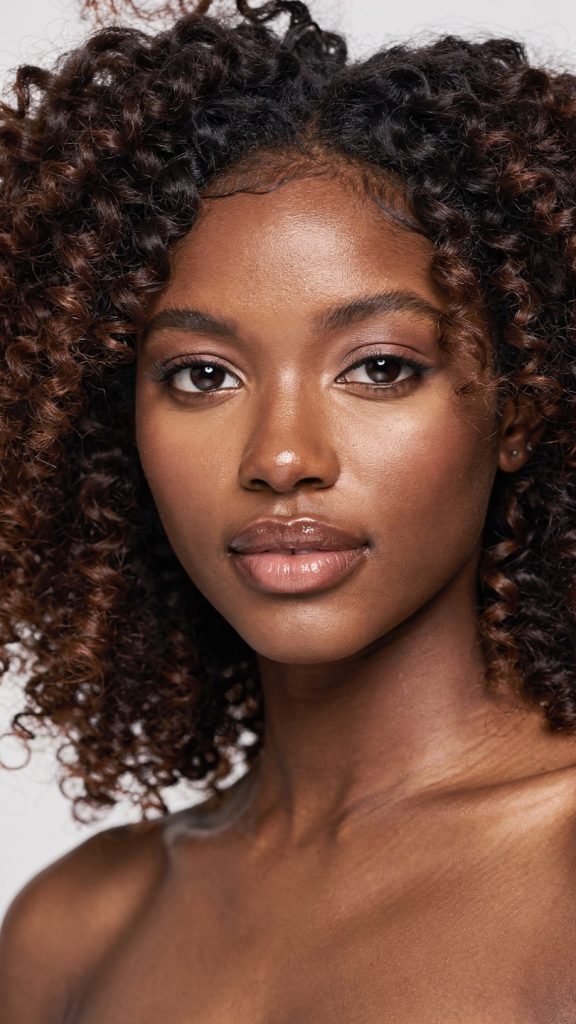
    Coily hair has very tight curls or zig-zag patterns. It is delicate despite appearing dense and often experiences shrinkage.

    Characteristics of Coily Hair

    • Tight curl pattern
    • High shrinkage
    • Very versatile styling options
    • Needs consistent moisture
    • Fragile if handled roughly

    Type 4A

    Soft coils with visible curl patterns.

    Type 4B
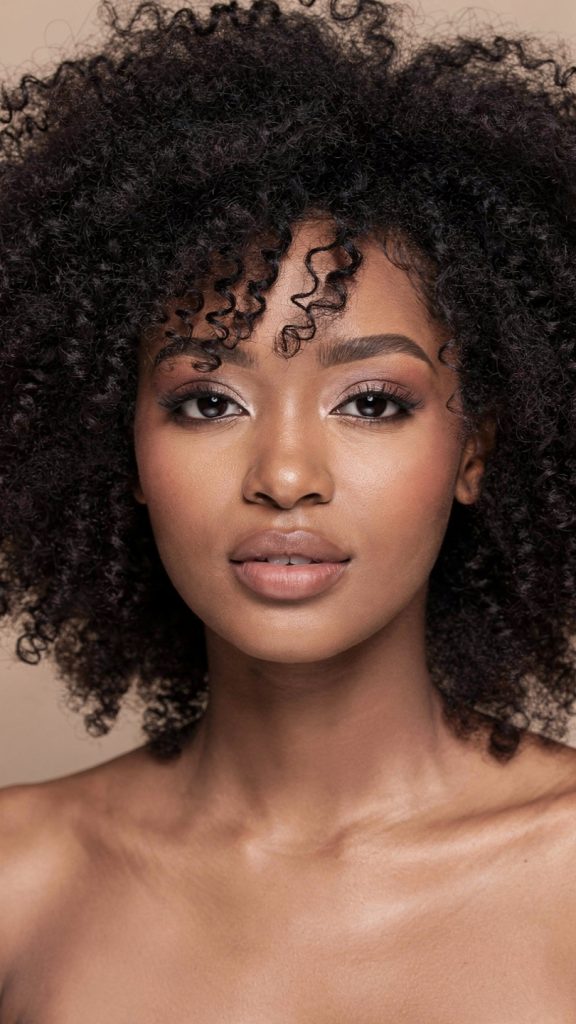
    Z-shaped bends with less defined curls.

    Type 4C
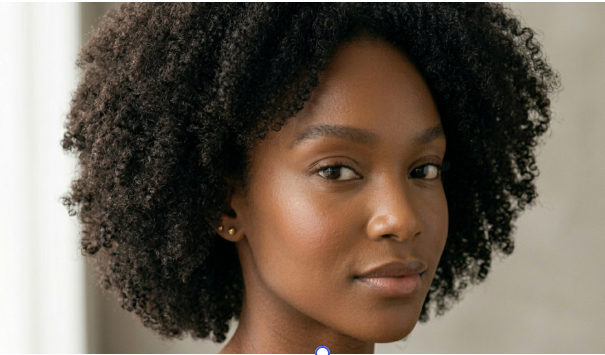
    Very tight coils with maximum shrinkage and minimal visible definition.

    Best Care Tips for Coily Hair

    • Focus heavily on hydration
    • Use protective hairstyles carefully
    • Minimize excessive heat
    • Deep condition regularly
    • Detangle gently using conditioner

    How to Identify Your Hair Type

    Many people are unsure about their hair type because hair can behave differently depending on humidity, damage, or styling.

    Here is a simple way to identify your hair type:

    Step 1: Wash Your Hair

    Use a gentle shampoo and avoid styling products afterward.

    Step 2: Let It Air Dry

    Do not braid, twist, or heat-style your hair.

    Step 3: Observe the Pattern

    Look at your natural texture once fully dry.

    • Completely straight = Type 1
    • Loose waves = Type 2
    • Ringlets or curls = Type 3
    • Tight coils or zig-zag patterns = Type 4

    You will love this; 12 Long Curly Haircuts with Layers for Women.

    Hair Texture vs Hair Type

    People often confuse hair texture with hair type, but they are different.

    Hair Type

    Refers to the curl pattern.

    Hair Texture

    Refers to strand thickness:

    • Fine
    • Medium
    • Coarse

    You can have:

    • Fine curly hair
    • Coarse straight hair
    • Thick wavy hair

    Both texture and type affect which products work best.

    Hair Porosity Matters Too

    Hair porosity describes how well your hair absorbs and retains moisture.

    Low Porosity Hair

    • Repels moisture initially
    • Products sit on top
    • Benefits from lightweight formulas

    Medium Porosity Hair

    • Balanced moisture retention
    • Easier to maintain

    High Porosity Hair

    • Absorbs moisture quickly
    • Loses moisture fast
    • Needs rich conditioners and oils

    Understanding porosity can improve your hair routine even more.

    Common Hair Type Mistakes

    Using the Wrong Products

    Heavy products may flatten straight hair, while lightweight products may not moisturize curly or coily hair enough.

    Overwashing

    Some hair types dry out quickly with daily washing.

    Ignoring Moisture Needs

    Curly and coily hair generally need more hydration.

    Excessive Heat Styling

    Frequent heat can damage all hair types and change natural patterns over time.

    Comparing Your Hair to Others

    Even within the same hair type, density, texture, and porosity vary.

    The Best Ingredients for Different Hair Types

    Straight Hair

    Look for:

    • Lightweight proteins
    • Volumizers
    • Clarifying ingredients

    Wavy Hair

    Look for:

    • Aloe vera
    • Lightweight creams
    • Frizz control products

    Curly Hair

    Look for:

    • Shea butter
    • Coconut oil
    • Leave-in conditioners

    Coily Hair

    Look for:

    • Castor oil
    • Rich butters
    • Deep moisturizing masks

    Can Your Hair Type Change?

    Yes, hair types can change over time due to:

    • Hormones
    • Aging
    • Heat damage
    • Chemical treatments
    • Health conditions

    For example, some people notice curl pattern changes after pregnancy or major hormonal shifts.

    The Importance of Building a Hair Routine

    Once you know your hair type, creating a routine becomes easier.

    A healthy routine often includes:

    1. Cleansing
    2. Conditioning
    3. Moisturizing
    4. Protecting
    5. Gentle styling

    Consistency matters more than buying expensive products.

    Protective Hairstyles and Hair Types

    Protective styles can benefit many hair types, especially curly and coily hair.

    Examples include:

    • Braids
    • Twists
    • Buns
    • Silk wraps

    However, styles should not be too tight because tension can lead to breakage or hair loss.

    Signs Your Hair Routine Is Working

    You know your routine fits your hair type when:

    • Hair feels softer
    • Breakage decreases
    • Styling becomes easier
    • Curls or waves appear more defined
    • Scalp feels balanced
    • Hair retains moisture longer

    Healthy hair usually becomes more manageable over time.

    Final Thoughts on Hair Types

    Understanding hair types can completely change how you care for your hair. Instead of fighting your natural texture, you can learn how to support it properly. Straight, wavy, curly, and coily hair all have different needs, and there is no single routine that works for everyone.

    The key is paying attention to your own hair rather than following every trend online. Once you understand your hair type, texture, and porosity, you can choose products and techniques that actually improve your hair’s health.

    The goal is not perfect hair. The goal is healthy hair that works with your natural texture instead of against it.

  • 12 Long Curly Haircuts with Layers for Women.

    12 Long Curly Haircuts with Layers for Women.

    The Ultimate Guide to Shape, Volume, and Effortless Style

    Long curly haircuts with layers are one of the most flattering and versatile styles for women who want to embrace their natural texture while keeping their hair manageable and full of life. If you have long curls, you already know that the right haircut can make the difference between heavy, undefined hair and soft, bouncy curls that move beautifully.

    This guide explores everything you need to know about long curly haircuts with layers, including why they work, how to choose the right layering technique, and the best layered styles to try depending on your curl type and lifestyle.

    Why Long Curly Haircuts with Layers Work So Well

    Curly hair behaves very differently from straight hair. Without proper shaping, long curls can become weighed down, lose definition, or form an uneven silhouette. This is where layering becomes essential.

    Layers remove excess bulk and allow curls to spring up naturally. Instead of forming a triangular or flat shape, your hair develops movement, volume, and balance. The curls stack more evenly, which enhances their natural pattern rather than fighting against it.

    Another key benefit is that layers help distribute weight throughout the hair. This prevents the roots from being pulled down while allowing the ends to look lighter and more defined. For women with thick curls, this can dramatically improve manageability and styling time.

    read; Bangs for Women Over 60: The Most Flattering Styles to Refresh Your Look

    Understanding Different Types of Layers for Curly Hair

    Not all layers are created equal, especially when it comes to curls. The technique used can completely change the final look of your haircut.

    Long layers are the most common and beginner-friendly option. They maintain overall length while adding subtle shape and movement. This is ideal if you want a natural, low-maintenance look.

    Graduated layers create more volume at the crown and can give your curls a lifted appearance. This works well for women who want more height and fullness.

    Shag-inspired layers are more dramatic and involve shorter pieces throughout the hair. This style enhances texture and gives a more modern, edgy feel while still working beautifully with long curls.

    Face-framing layers focus on the front sections, softening your features and adding dimension around the face. This is especially flattering for long curly hair because it prevents the front from looking heavy or overwhelming.

    How to Choose the Right Layered Cut for Your Curl Type

    Your curl pattern plays a big role in determining the best layering approach.

    Loose waves benefit from soft, blended layers that enhance movement without making the hair look thin. The goal is to keep the waves flowing naturally while adding shape.

    Defined curls work well with structured layers that encourage bounce. These curls can handle more shaping without losing volume, making them ideal for layered styles.

    Tight curls or coils require careful layering to avoid excessive shrinkage. Longer layers are often better here, as they maintain length while still reducing bulk.

    Hair density also matters. If your hair is very thick, more layering may be needed to remove weight. If it is finer, minimal layers will help maintain fullness.

    12 Beautiful Long Curly Haircuts with Layers to Try

    1. Classic Long Layers with Defined Curls

    This timeless style keeps the length intact while introducing soft layers throughout the hair. It enhances natural curl definition and gives a polished, balanced look that works for everyday wear.

    2. Face-Framing Layered Curls

    This haircut focuses on shaping the front sections to highlight your facial features. It is perfect if you want your curls to feel lighter and more dynamic around your face.

    3. U-Shaped Layered Cut

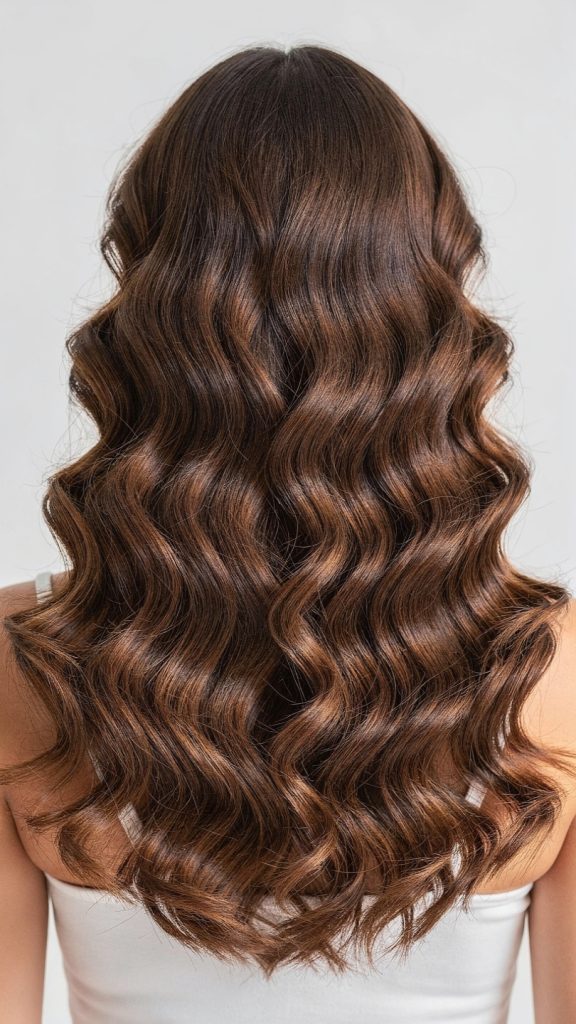
    A U-shaped cut creates a rounded silhouette at the back, allowing curls to fall gracefully. The layers blend seamlessly, making this a great option for a soft and elegant finish.

    4. V-Cut Long Curly Layers

    For a more dramatic shape, the V-cut adds depth and movement. This style works especially well on thicker hair, giving it a striking and structured appearance.

    5. Curly Shag with Long Layers

    The curly shag brings a modern twist to long hair. With shorter layers throughout, it enhances texture and creates a relaxed, slightly undone look that feels fresh and stylish.

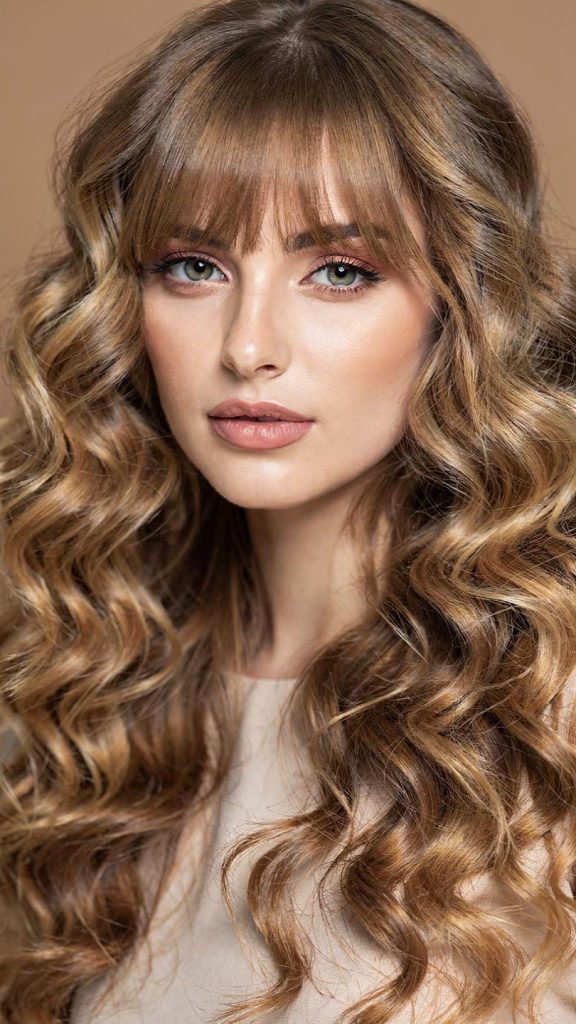
    6. Layered Curls with Curtain Bangs

    Adding curtain bangs to long layered curls creates a soft, face-framing effect. This style blends seamlessly into the rest of the layers and adds a youthful touch.

    7. Long Layers with Tapered Ends

    This cut focuses on gradually thinning the ends to reduce heaviness. It is ideal if your curls tend to look bulky at the bottom.

    8. Voluminous Crown Layers

    By adding shorter layers at the crown, this style creates height and fullness at the top. It balances long curls and prevents the hair from looking flat.

    9. Soft Layered Waves for Loose Curls

    If your curls lean more toward waves, soft layering helps maintain length while adding movement. The result is effortless and flowy.

    10. Layered Cut with Side Part

    A deep side part combined with layers adds dimension and volume. This is a simple way to change your look without altering your overall length.

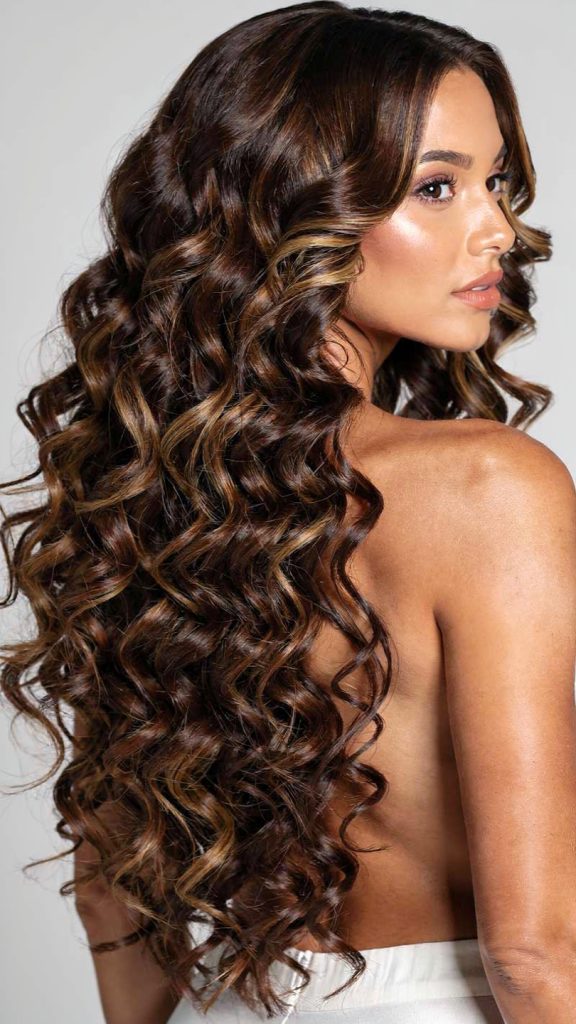
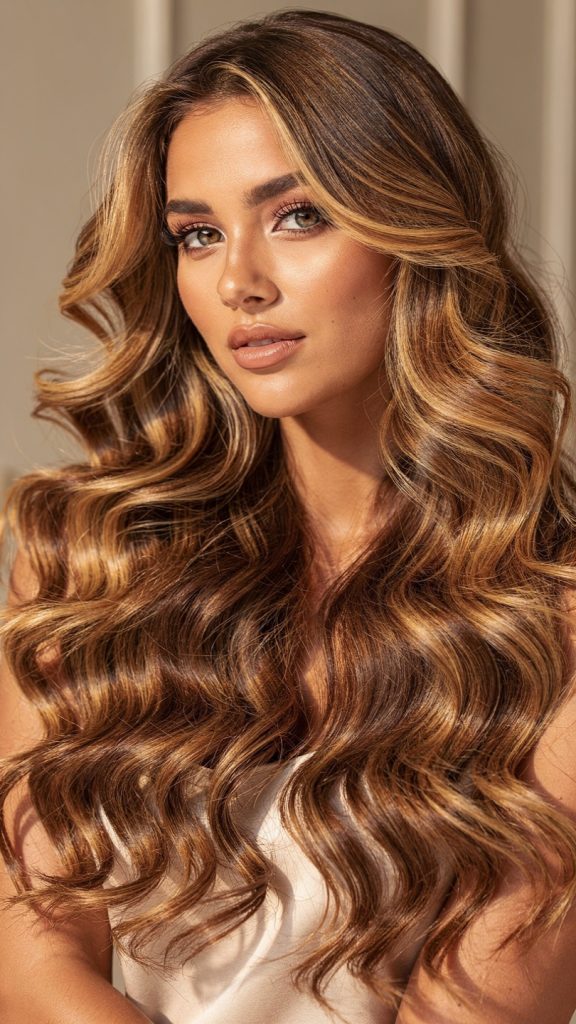
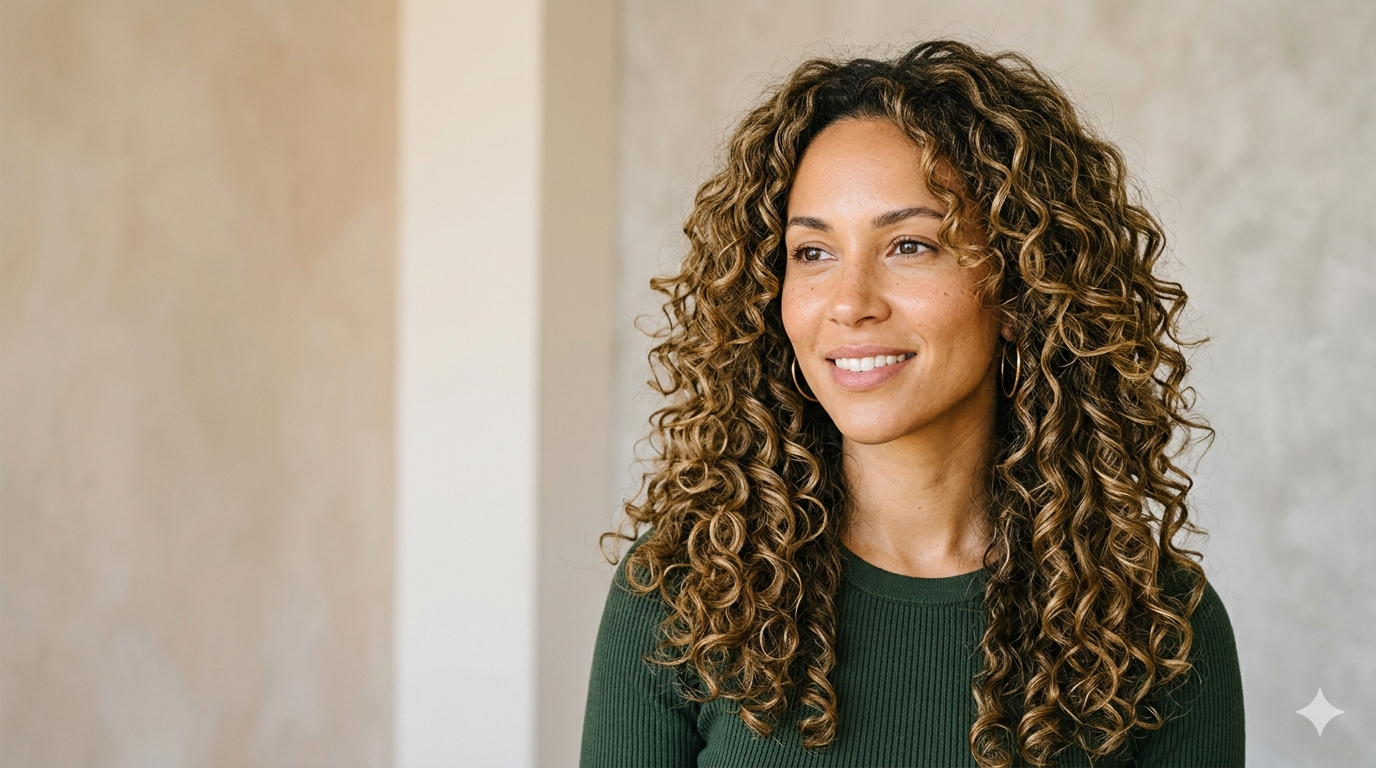
    11. Long Curly Layers with Subtle Highlights

    Adding highlights enhances the dimension created by layers. The light catches different sections of your curls, making the texture stand out even more.

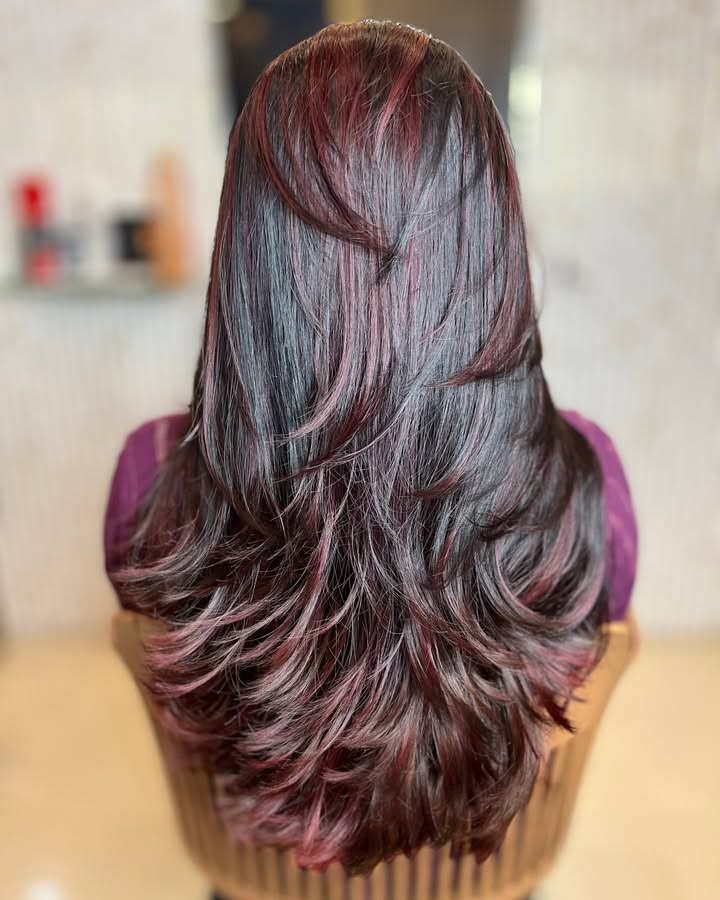
    image by;chillbreeze_ambattur

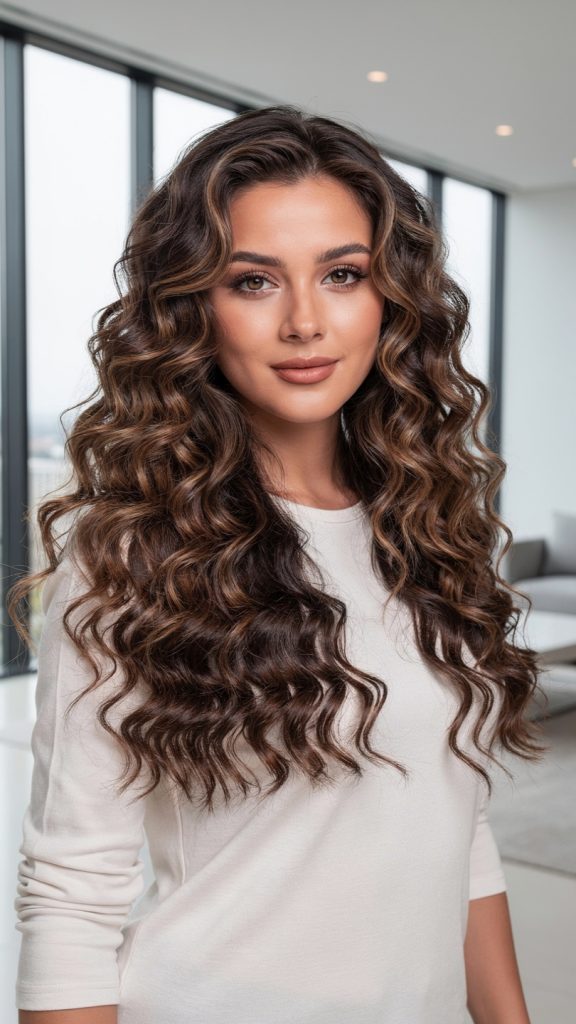
    12. Textured Layers with Natural Volume

    This style embraces the natural fullness of curly hair while adding enough layering to keep it from feeling heavy. It is perfect for a bold, voluminous look.

    Styling Tips for Long Curly Hair with Layers

    Getting the most out of your layered haircut depends on how you style and care for your curls.

    Start with a good hydration routine. Curly hair needs moisture to stay defined and frizz-free. Use a leave-in conditioner or curl cream to keep your hair soft and manageable.

    When styling, apply products while your hair is damp. This helps lock in moisture and encourages curl formation. Scrunching or gently twisting sections can enhance definition.

    Diffusing your hair with a blow dryer can add volume, especially at the roots. If you prefer air drying, try to avoid touching your hair too much as it dries to reduce frizz.

    Regular trims are important. Even with layers, long curly hair can develop split ends that affect the overall shape. Keeping the ends healthy ensures your layers continue to look fresh.

    Common Mistakes to Avoid

    One of the biggest mistakes is cutting too many short layers, especially on tight curls. This can lead to excessive shrinkage and an uneven shape.

    Another issue is using straight-hair cutting techniques on curly hair. Curly hair should ideally be cut dry or in its natural state so the stylist can see how the curls fall.

    Over-thinning is also a problem. While removing bulk is important, too much thinning can make the hair look frizzy and lack structure.

    Maintaining Your Layered Curly Haircut

    To keep your long curly haircut with layers looking its best, consistency is key.

    Use sulfate-free shampoos to avoid stripping your hair of natural oils. Deep conditioning treatments once a week can help maintain moisture and elasticity.

    Protect your curls while sleeping by using a satin or silk pillowcase. This reduces friction and helps preserve your curl pattern overnight.

    Refreshing your curls between washes can be as simple as misting your hair with water and applying a small amount of styling product. This brings your layers back to life without needing a full wash.

    Final Thoughts

    Long curly haircuts with layers are one of the best ways to enhance natural texture while keeping your hair manageable and stylish. The right layers can transform heavy, undefined curls into a balanced, voluminous look that feels effortless.

    Whether you prefer subtle long layers or a more textured, modern style, there is a layered haircut that can suit your curl type and personal style. By choosing the right cut and maintaining a consistent care routine, you can enjoy beautiful, defined curls that truly stand out.