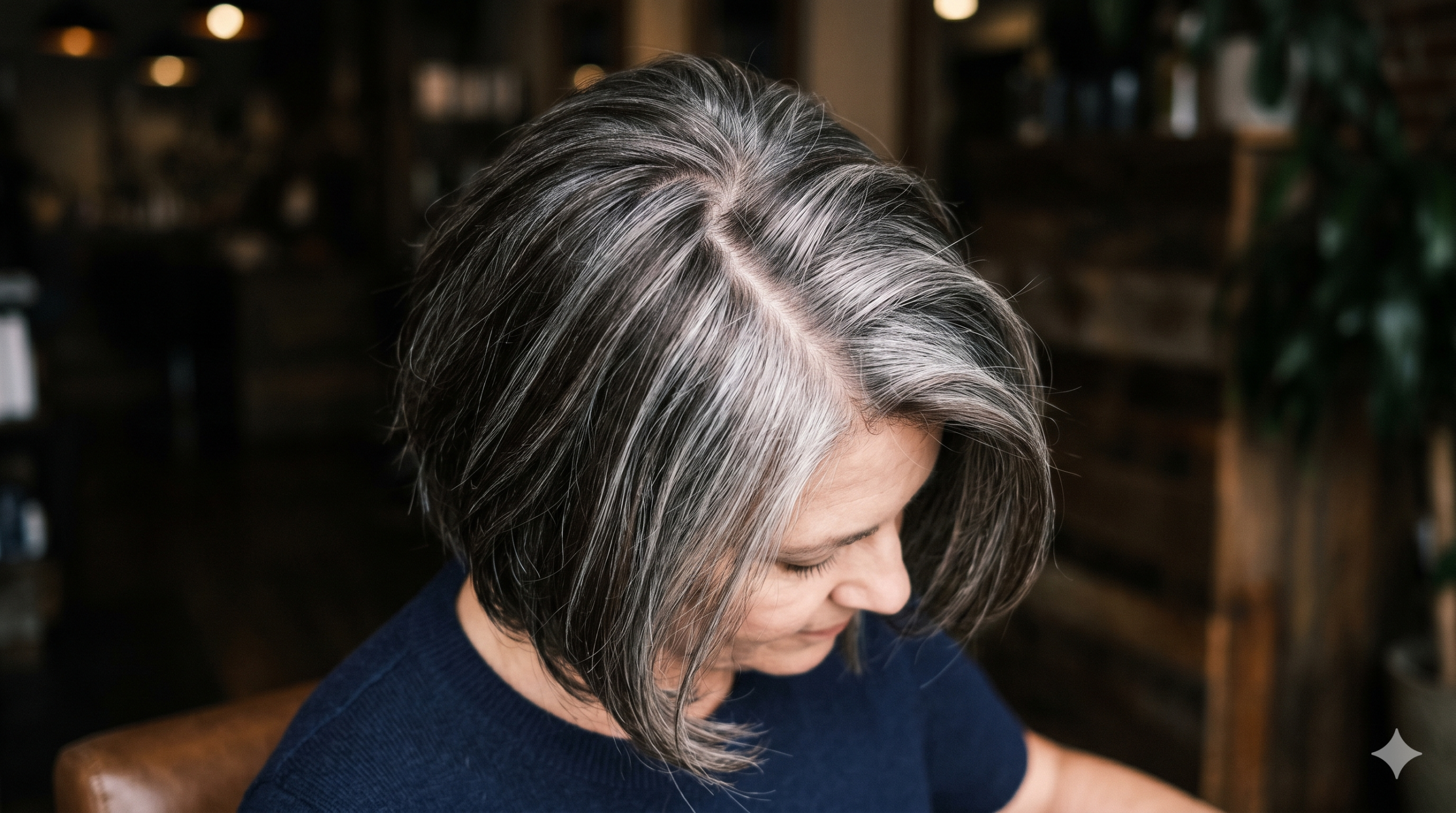
Gray hair has long been associated with aging, but modern beauty standards are rewriting that narrative. Today, gray hair is celebrated as a symbol of sophistication, confidence, and natural beauty. Among the most transformative techniques for those with graying hair is the strategic use of gray hair highlights. This approach does not simply cover the gray; it enhances it, blending silver, white, and natural pigments into a harmonious, multidimensional look. Whether you are fully gray, partially gray, or just beginning to notice those first silver strands, understanding the nuances of gray hair highlights can help you achieve a style that is both youthful and distinguished.
What Are Gray Hair Highlights?
Gray hair highlights refer to the technique of adding lighter or complementary tones to gray or graying hair. Unlike full-coverage hair dyes that aim to eliminate gray entirely, highlights work with your natural color progression. The goal is to create contrast, depth, and movement. For example, a person with salt-and-pepper hair might receive fine silver or platinum highlights to brighten the overall effect, while someone with darker hair and emerging grays might use highlights to soften the demarcation line between colored and natural strands. This technique can also involve adding lowlights—darker strands woven in—to create a more natural, blended appearance.
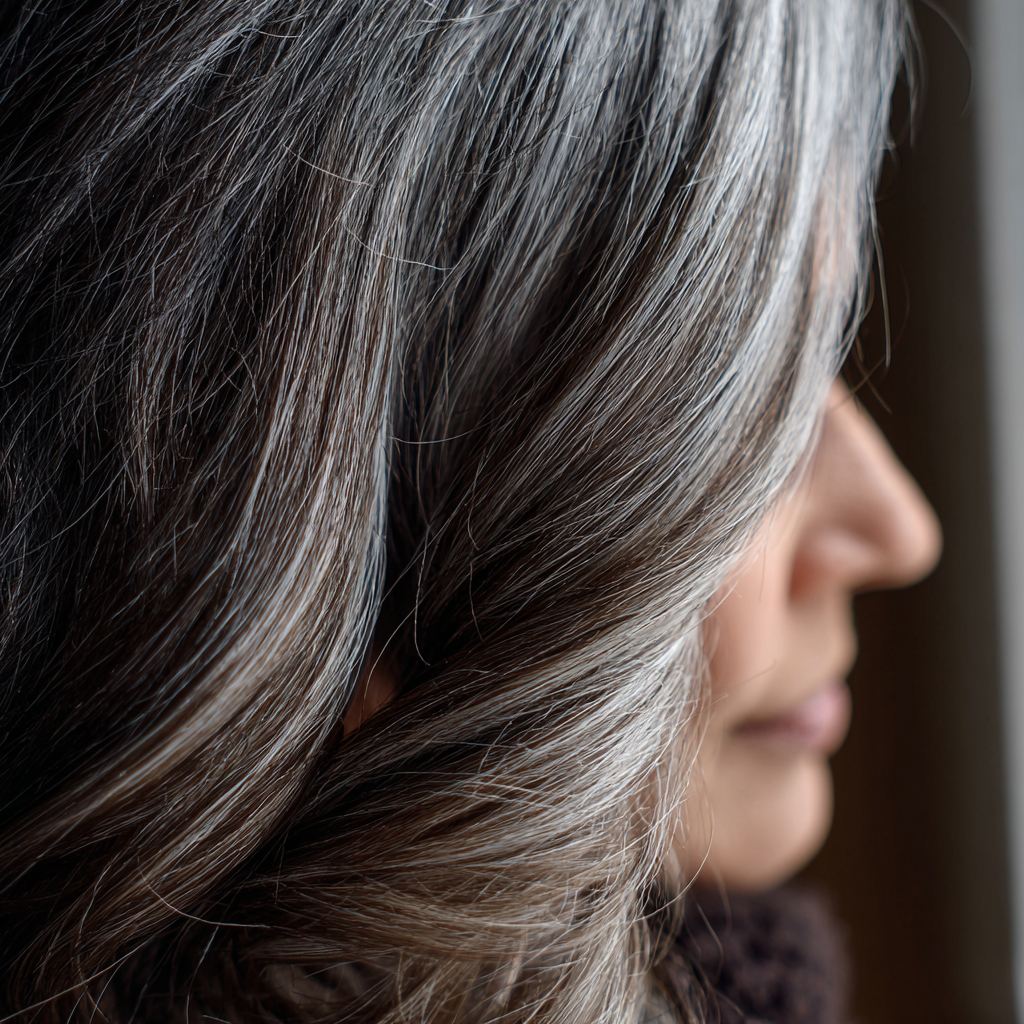
The keyword here is versatility. Gray hair highlights can be adapted to any base color, from jet black to light blonde, and to any percentage of gray, from five to ninety-five percent. The result is a low-maintenance yet polished look that grows out gracefully, reducing the need for frequent salon visits.
look out; Short Spiky Hairstyles for Older Women: A Modern, Confident Look That Works
Why Choose Gray Hair Highlights Over Full Coverage?
Many people reflexively reach for permanent box dyes to coat every strand in an even, solid color. However, this approach often backfires with gray hair. Gray hair has a different texture and porosity than pigmented hair; it is typically coarser, drier, and more resistant to color absorption. Applying a single, uniform shade over gray and non-gray hair often leads to uneven results—the gray areas may appear lighter or take on a brassy tone, while the darker areas become too intense. Within weeks, the contrast between the dyed hair and new gray growth creates a harsh line that is difficult to ignore.
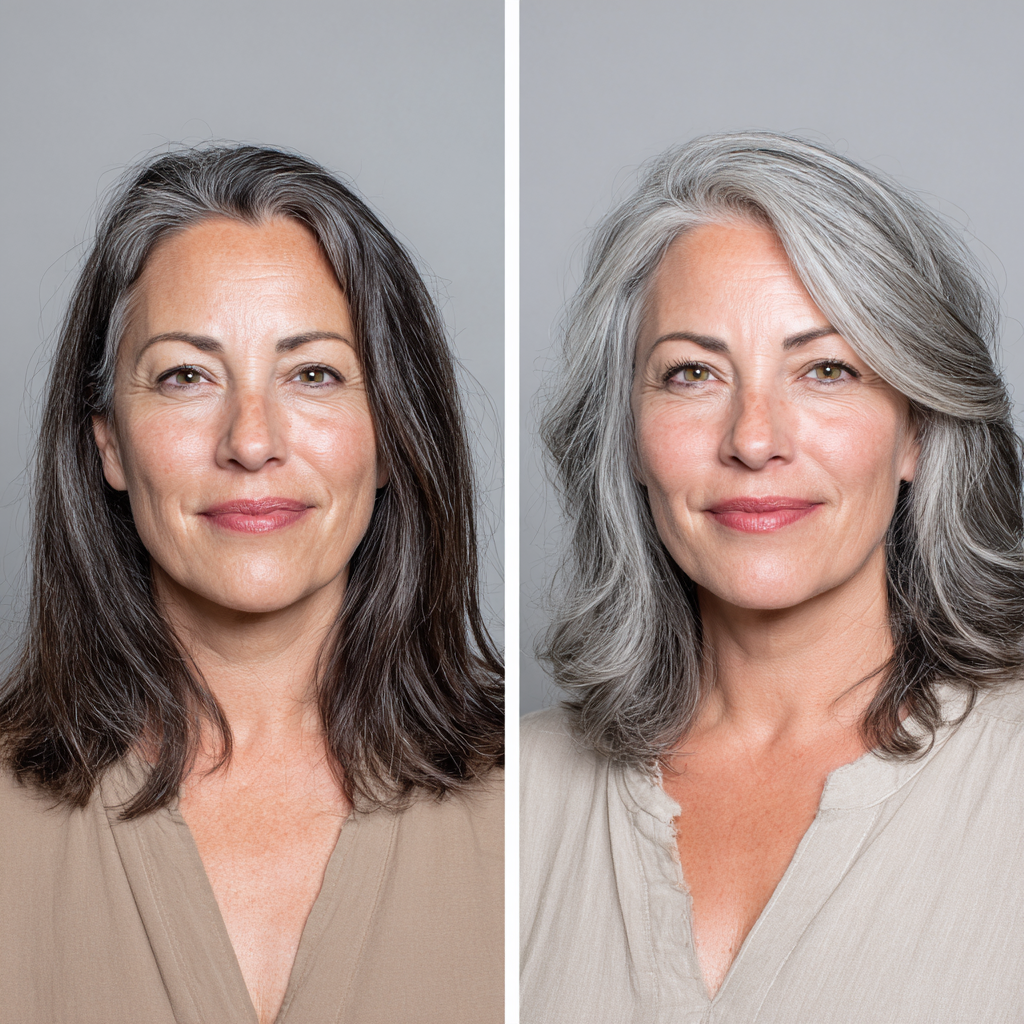
Gray hair highlights solve these problems in several ways. First, by using multiple shades, the stylist can match the natural variation found in healthy hair. Second, highlights can be placed strategically to blend the transition between dyed hair and new growth, extending the time between touch-ups from two weeks to two months or more. Third, the highlighting process often involves less harsh chemicals than a full permanent dye job, preserving the integrity of fragile gray strands. Finally, gray hair highlights embrace the natural aging process rather than fighting it, which many women find empowering and liberating.
Popular Techniques for Gray Hair Highlights
Professional colorists have developed several specialized techniques for highlighting gray hair. Understanding these can help you communicate your desired outcome during a consultation.
Baby Lights: These are ultra-fine, delicate highlights that mimic the natural sun-kissed hair of childhood. For gray hair, baby lights add a soft, shimmering effect without creating obvious stripes. They work exceptionally well for those with less than thirty percent gray, as they subtly blend silver strands into the base color.
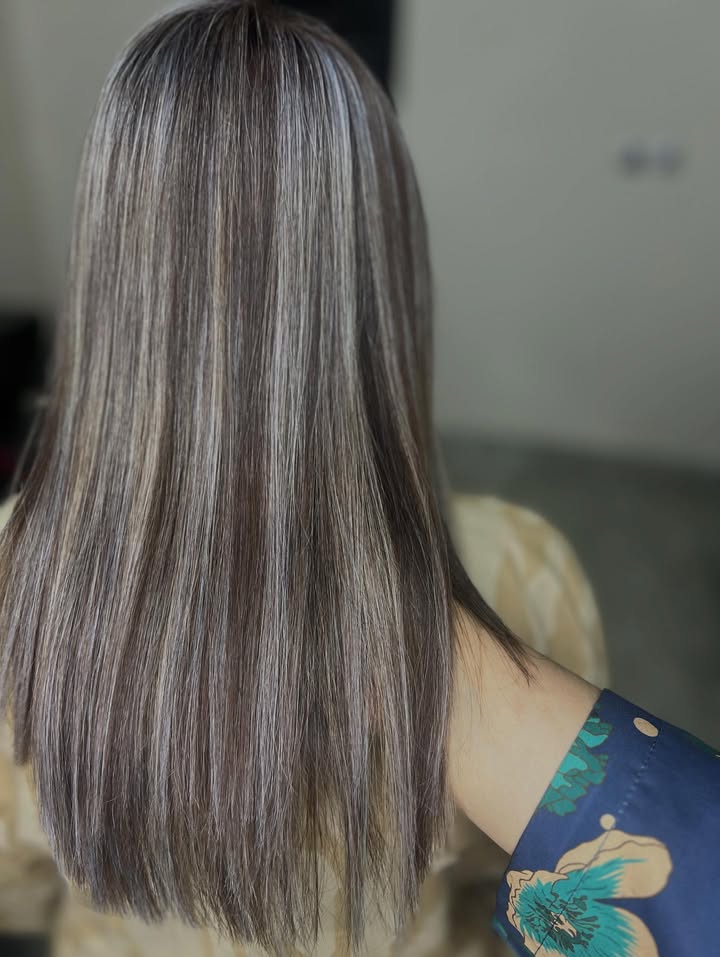
Balayage: This hand-painted technique creates a graduated, natural-looking highlight that is heavier toward the ends and softer at the roots. For graying hair, balayage can be used to transition from a darker root area (your natural color or a lowlight) to a silvery or white end. The lack of foil lines makes the grow-out phase virtually seamless.
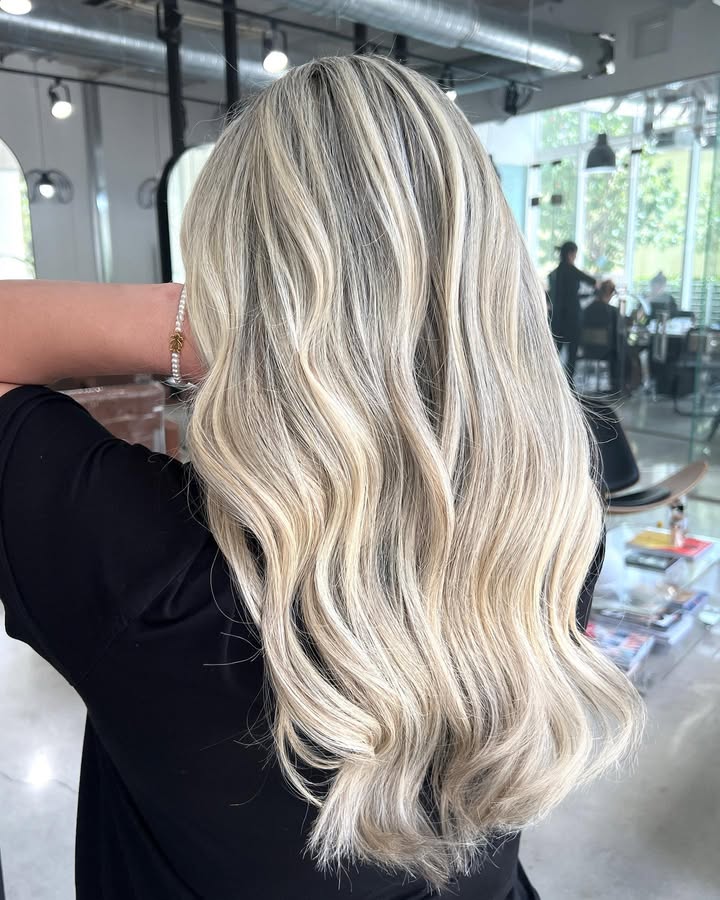
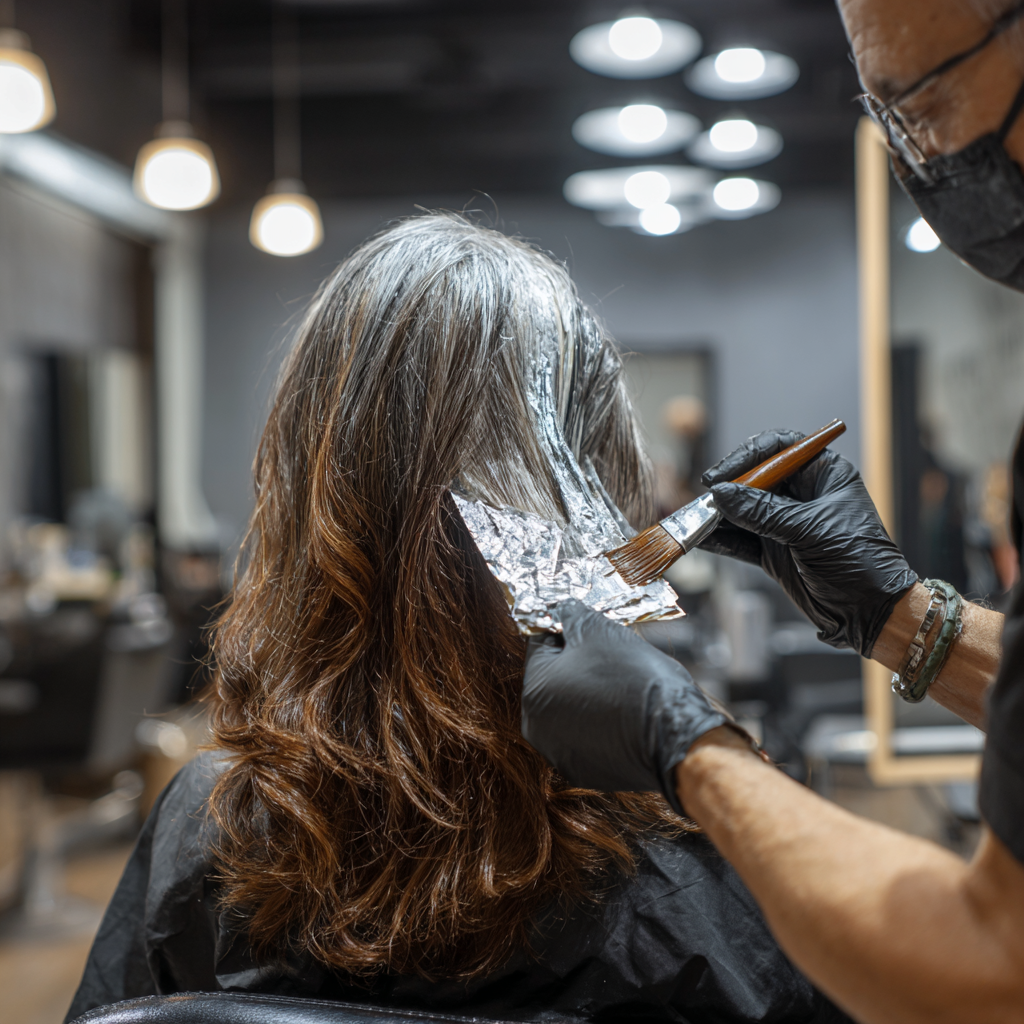
Foilyage: A hybrid of balayage and traditional foiling, foilyage involves painting lightener onto sections of hair and then wrapping them in foil to intensify the lift. This is ideal for stubborn gray hair that resists lightening, as the foil traps heat and accelerates the chemical process.
Gray Blending: Also known as “grey blending” or “silver fusion,” this technique uses a combination of highlights and lowlights to weave gray strands throughout the hair rather than concentrating them in one area. The result is a dimensional, smoky effect that looks intentional and chic. Many celebrities, including Jamie Lee Curtis and Helen Mirren, have popularized this look.
Root Smudge with Highlights: For those who have been dyeing their hair dark for years and want to transition to gray, a root smudge involves applying a semi-permanent color to the roots that matches your natural gray growth, then adding highlights throughout the rest of the hair. This softens the line of demarcation and allows you to gradually reduce color treatments.
The Maintenance Routine for Gray Hair Highlights
Once you have invested in professional gray hair highlights, proper maintenance is essential to keep the colors bright and the hair healthy. Gray hair has unique needs due to its altered structure.
Purple Shampoo and Conditioner: Gray hair is prone to yellowing and brassiness caused by environmental factors like sun exposure, hard water, and product buildup. Purple pigments neutralize yellow tones because they are opposite on the color wheel. Use a purple-toning shampoo once or twice a week, leaving it on for two to five minutes before rinsing. Avoid overuse, as it can leave a violet cast on lighter strands.
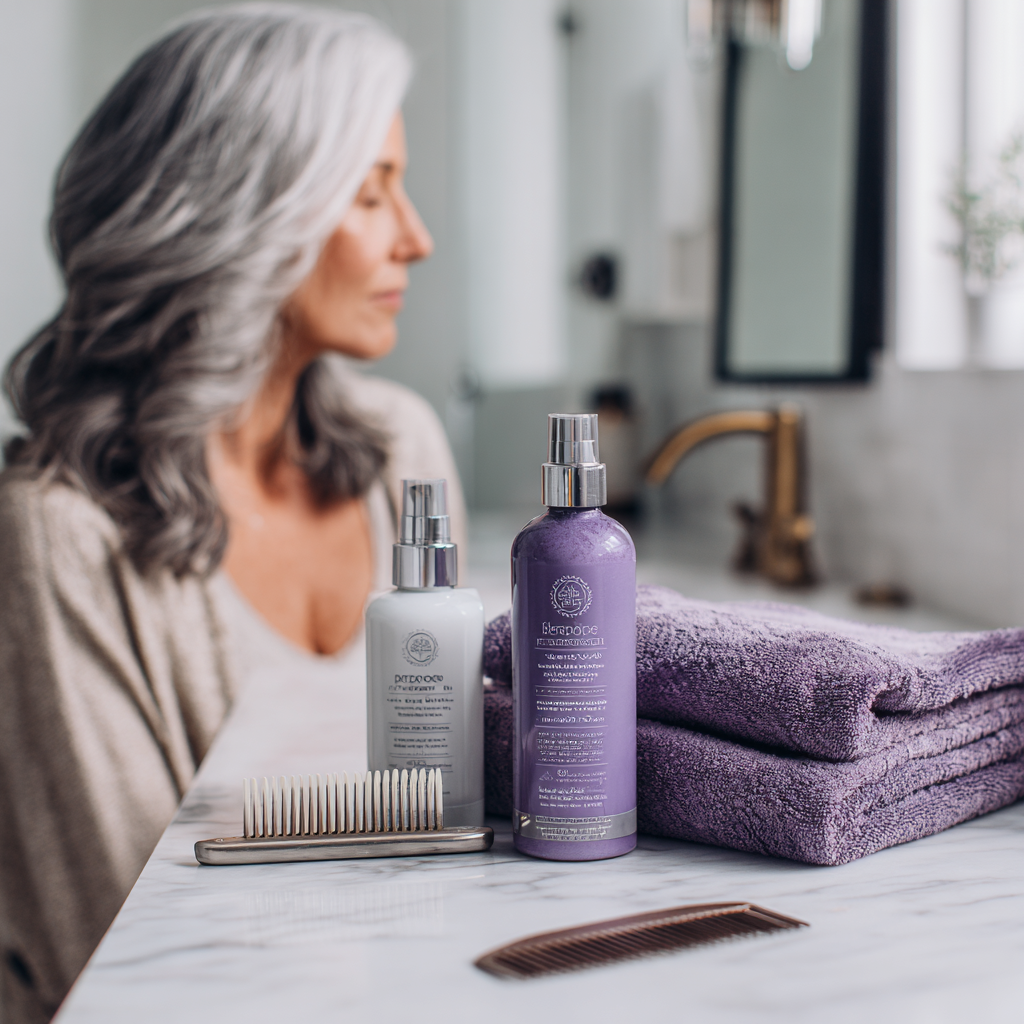
Hydration Is Crucial: Gray hair produces less natural sebum than pigmented hair, making it dry and brittle. Incorporate a moisturizing mask or leave-in conditioner into your weekly routine. Look for ingredients like argan oil, shea butter, and glycerin. Also, consider a bonding treatment such as Olaplex or K18 to repair damage from the highlighting process.
Heat Protection: The combination of gray hair’s natural fragility and the chemical processing of highlights means your hair is more susceptible to heat damage. Always apply a thermal protectant before using blow dryers, flat irons, or curling wands. Lower the temperature setting on your styling tools—aim for 300 to 350 degrees Fahrenheit rather than 400.
Regular Trims: Split ends travel up the hair shaft, and gray hair is more prone to splitting due to its rough cuticle layer. Schedule a trim every six to eight weeks to maintain the shape and health of your highlighted style.
Touch-Up Schedule: Depending on the technique used, you may need a touch-up every eight to twelve weeks for traditional highlights, or every three to four months for balayage or gray blending. Work with your stylist to establish a timeline that fits your budget and lifestyle.
also read; The Ultimate Guide to Wash and Wear Hairstyles for Older Women: Effortless Chic at Any Age
Choosing the Right Shade of Gray Highlights
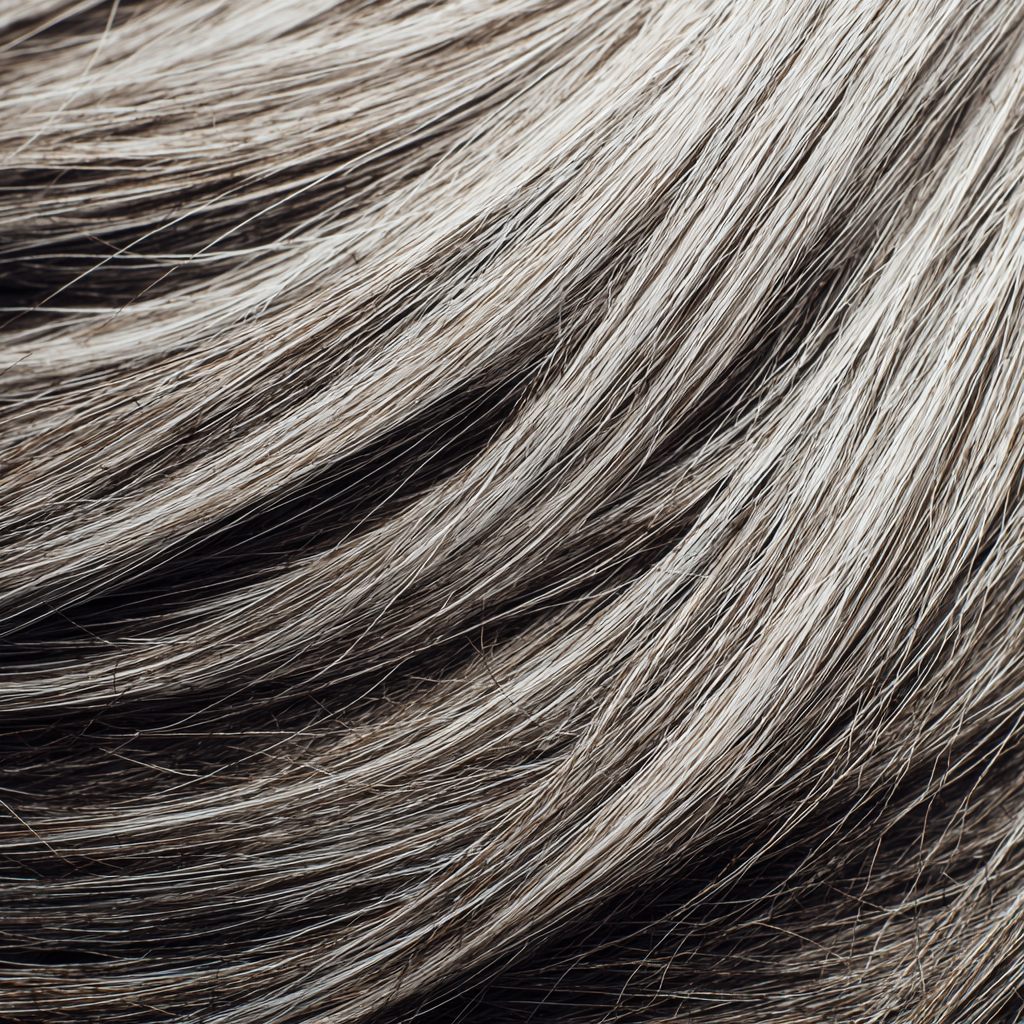
Not all gray is the same. Gray hair can range from ice white and platinum to steel gray, charcoal, and even bluish or yellowish undertones. The best highlights will complement your skin tone and natural base color.
Cool Skin Tones: If your skin has pink, red, or blue undertones, opt for gray highlights with silver, pearl, or icy white tones. Avoid any hint of gold or beige, as these can clash and create a muddy appearance.
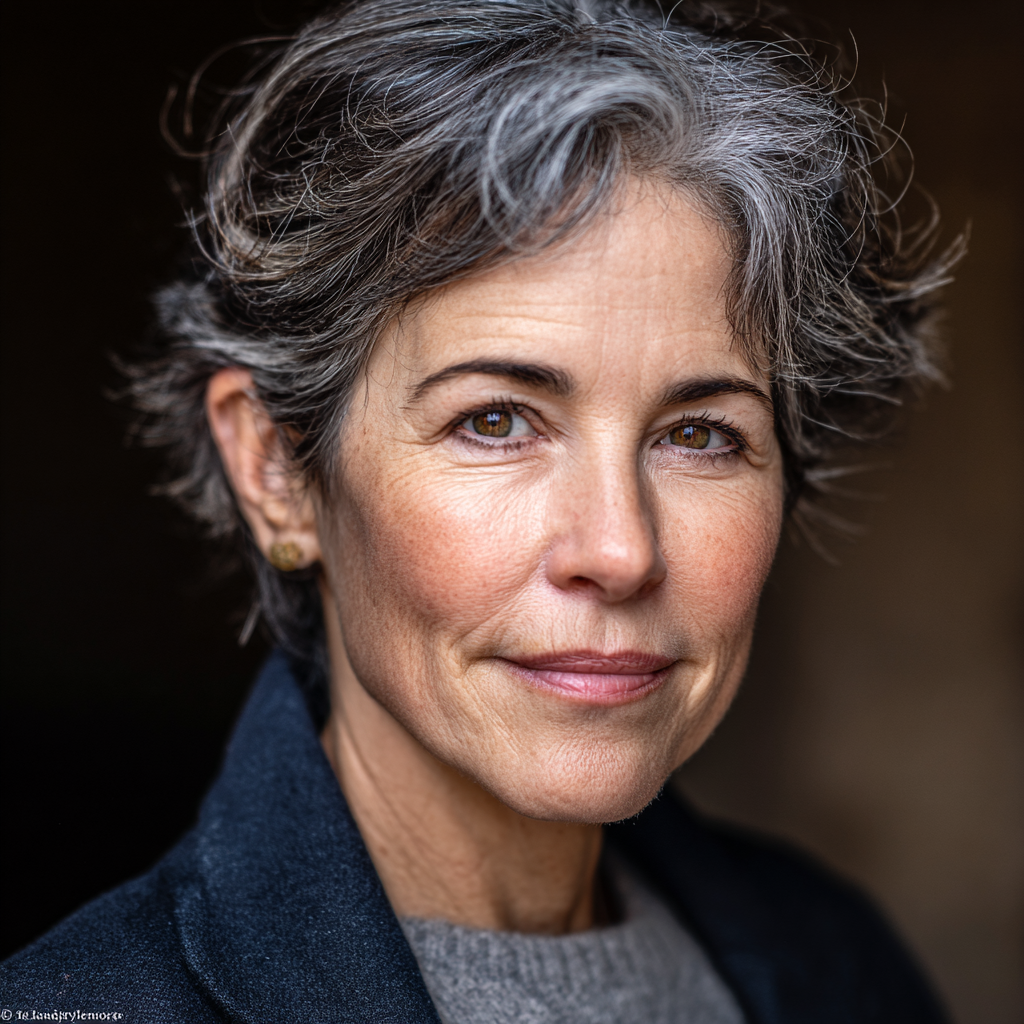
Warm Skin Tones: Those with yellow, peach, or golden undertones should choose highlights that are warmer in nature. Creamy white, champagne, or even a soft beige-blonde works beautifully. Pure silver or blue-gray can wash out warm complexions.
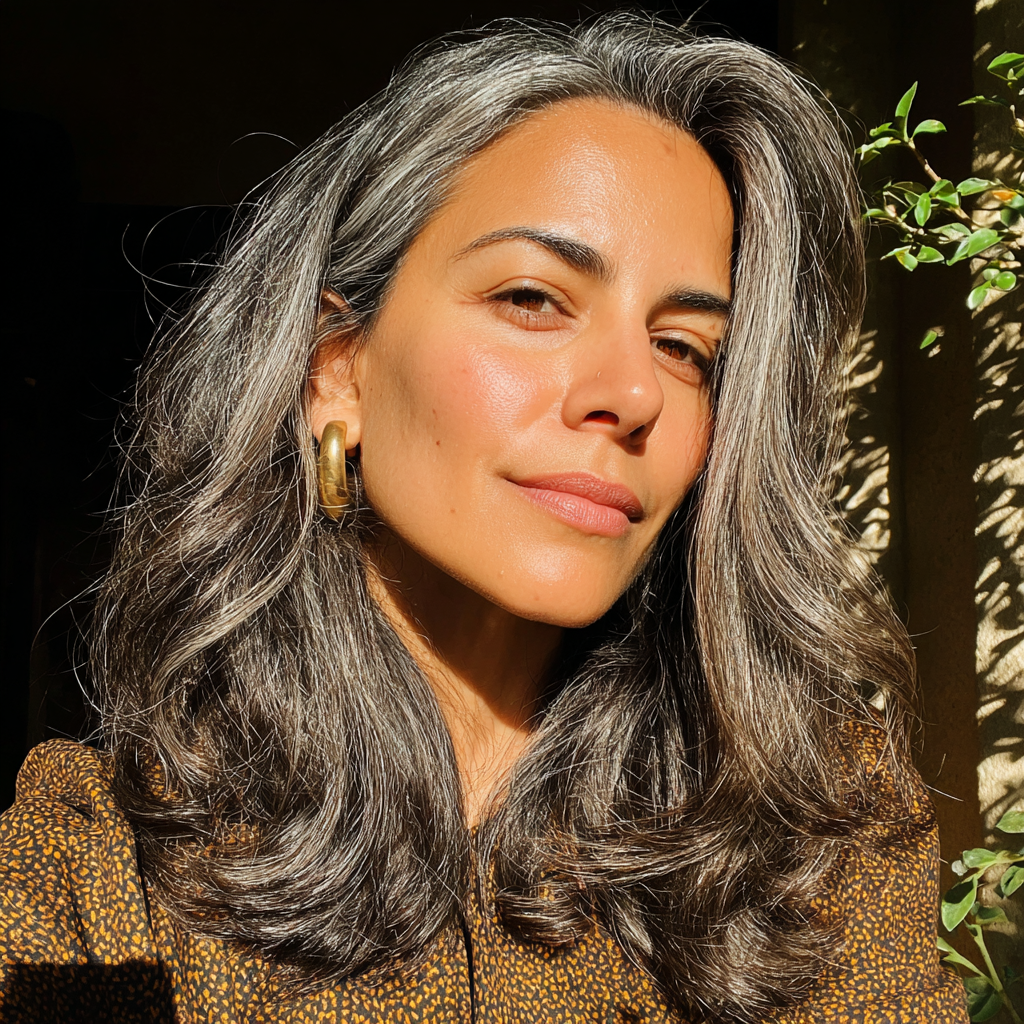
Neutral Skin Tones: You have the most flexibility. Consider a mix of cool and warm gray highlights, such as a combination of ice white and champagne, to create a dynamic, natural look.
Dark Base Colors: If your natural hair is dark brown or black and you have up to fifty percent gray, ask your stylist for charcoal or slate gray highlights. These add dimension without requiring the extreme lightening necessary for platinum tones, which can cause significant damage.
Common Mistakes to Avoid
Even with the best intentions, people make errors when pursuing gray hair highlights. Avoiding these pitfalls will save you time, money, and frustration.
Overlapping Highlights: Re-highlighting the same strands repeatedly causes breakage. A skilled colorist keeps detailed records of where highlights were placed and uses techniques like “weaving” to select new strands each session.
Using Box Highlighting Kits: At-home highlight kits are not formulated for gray hair’s unique porosity. They often contain high volumes of peroxide that can turn gray hair gummy or cause it to snap off. Professional-grade products allow for controlled, gradual lightening.
Ignoring the Eyebrows: When you dramatically change your hair color with highlights, your eyebrows may suddenly look mismatched. Consider having your brows tinted to blend with your new gray hues, or use a brow pencil in a complementary taupe or gray shade.
Skipping the Strand Test: Before committing to a full head of highlights, ask your stylist to perform a strand test. This reveals how your gray hair will react to the lightener and allows you to see the final color in natural light.
The Psychological Shift: Gray Hair as a Statement
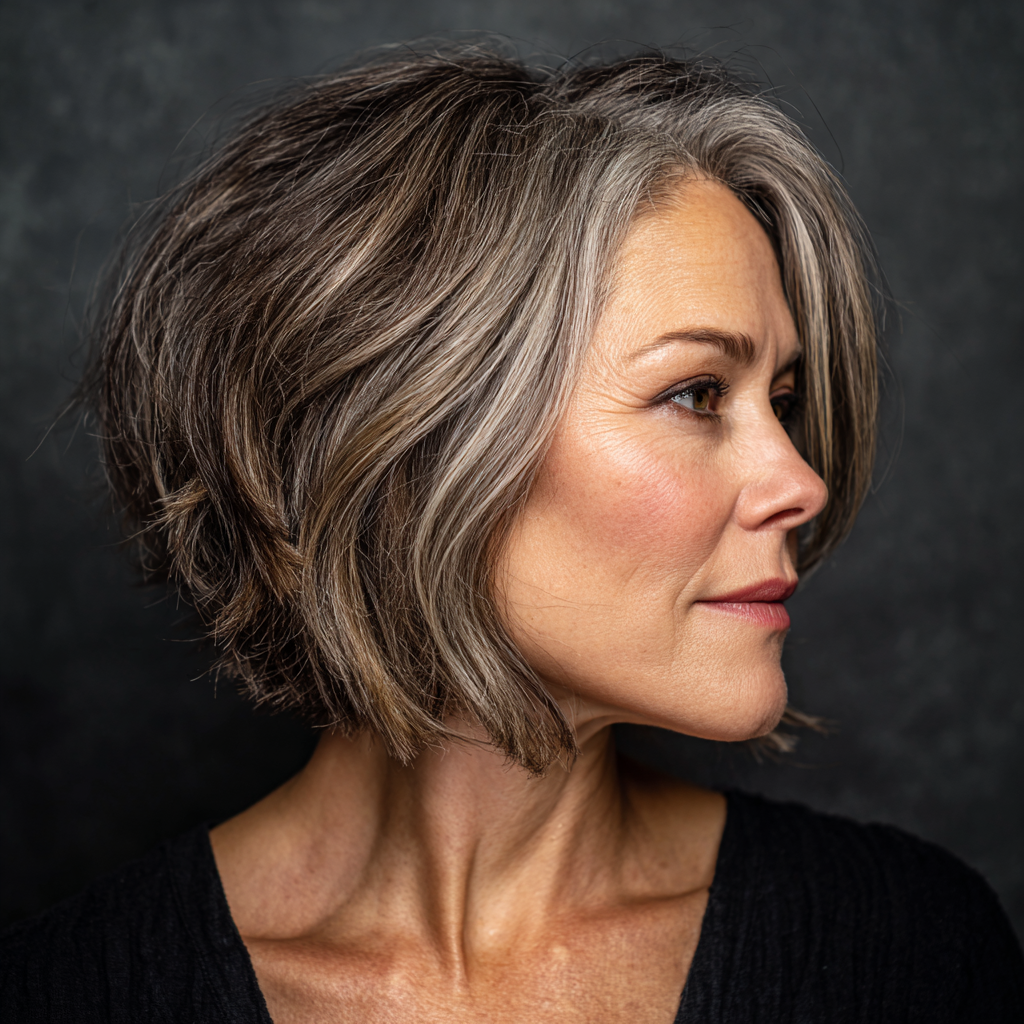
Beyond the technical aspects, choosing gray hair highlights is often a psychological journey. For decades, women in particular were told that gray hair made them look old, tired, or unkempt. The booming market for hair dyes reinforced the idea that natural aging was something to hide. However, a cultural shift began in the 2010s, accelerated by social media movements like #Grombre (gray + ombre). Women began posting photos of their transition to gray, celebrating the process and supporting one another through the awkward phases.
Gray hair highlights fit perfectly into this movement because they offer a controlled, beautiful way to embrace silver strands without the hard line of demarcation that comes with abandoning dye cold turkey. Many women report feeling more authentic, confident, and free after making the switch. There is a reduction in the anxiety surrounding root growth, a decrease in chemical exposure, and a sense of joining a community of women who refuse to be diminished by ageist standards.
Men, too, are embracing gray hair highlights. Silver accents on a base of dark brown or black hair can create a distinguished, mature look often described as “silver fox.” Male clients increasingly request subtle highlights to reduce the harsh contrast between salt-and-pepper patterns or to add uniformity to patchy graying.
Final Thoughts: Is Gray Hair Highlights Right for You?
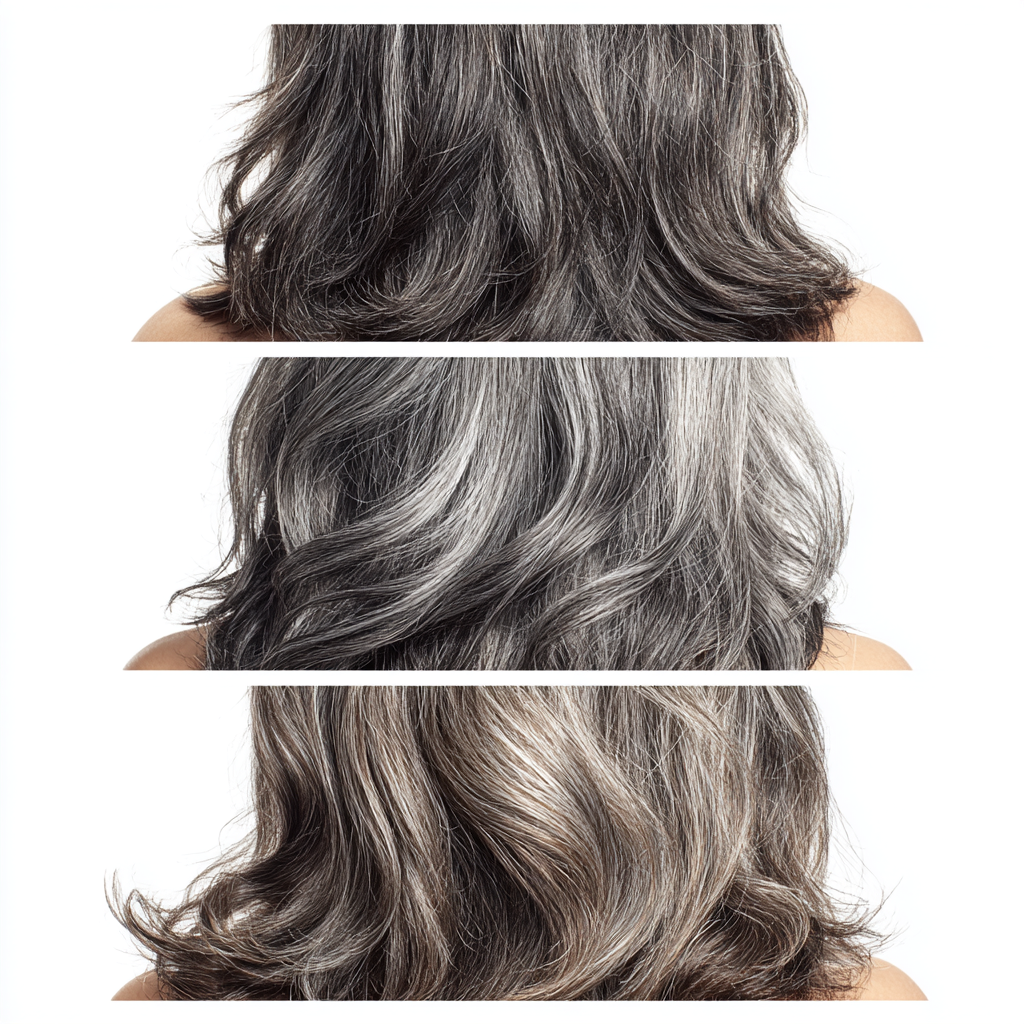
Deciding to get gray hair highlights depends on several factors: your current percentage of gray, your natural hair color, your budget, and your willingness to maintain a specific routine. For most people, the answer is a resounding yes if they desire a low-maintenance, stylish, and health-conscious approach to gray hair. Consult with a colorist who specializes in gray hair—not every stylist has the same level of expertise. Ask to see a portfolio of their work on clients with similar hair types and gray levels.
Remember that the first session may take three to four hours, especially if you are transitioning from years of single-process color. The cost ranges from one hundred fifty to three hundred dollars or more depending on your location and the salon’s reputation. However, because gray hair highlights require less frequent touch-ups than full-color applications, the long-term cost is often lower.
In the end, gray hair highlights are more than a beauty treatment. They represent a philosophy of working with nature rather than against it. They transform what was once seen as a flaw into a feature, adding light, texture, and personality to your hair. Whether you choose baby lights for a subtle glow or a full balayage of silver and white, gray hair highlights invite you to see the beauty in every passing year. And that is a look that never goes out of style.

Leave a Reply