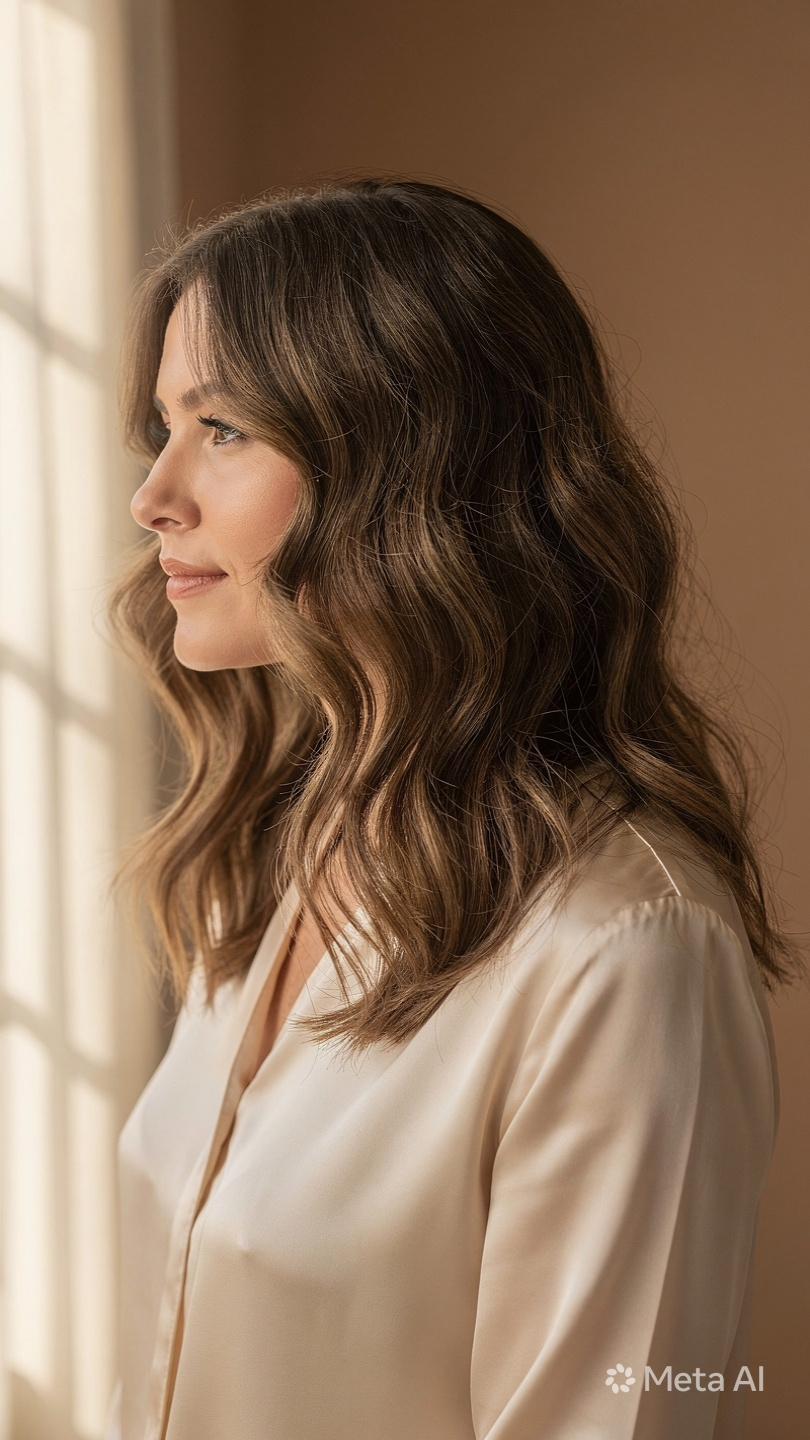
The Ultimate Guide to Medium Length Styles That Unlock Hidden Volume
You wash your hair. It feels weightless and soft in the shower. You blow‑dry it. Suddenly, it’s a fluffy, unmanageable cloud that won’t hold a shape. An hour later, your roots are flat against your scalp, and the ends have expanded into a frustrating triangle. Welcome to the daily paradox of fine‑but‑dense hair.
- Fine means each individual strand has a small diameter. It is soft, silky, easily bent, and quickly weighed down by heavy products or long lengths.
- Dense means you have a lot of those fine strands – often two or three times as many as the average person. Your ponytail circumference might be impressive, but the individual hairs are delicate.
Together, these two traits create a unique challenge: too much hair, but each strand is weak. Heavy creams flatten your roots. Traditional layers can look choppy and see‑through. Too much length pulls out any root lift you manage to create. Go too short, and your fine‑but‑dense hair poofs into a shapeless helmet.
The solution is not to treat your hair as simply “thick” or “thin.” The solution is a set of medium length hairstyles engineered specifically for fine‑but‑dense hair. This guide gives you ten precision cuts, six golden styling rules, a product shopping list, and a maintenance schedule. By the end, you will know exactly how to make your hidden density work for you.
The 10 Best Medium Length Hairstyles for Fine‑but‑Dense Hair
Below are ten hairstyles. Each one includes why it works, exactly what to say to your stylist, and how to style it at home. No hashtags, no gimmicks – just proven techniques.
Discover more on; 15 Best Short Hair Ideas for Plus Size Women That Feel Stylish and Confidence-Boosting
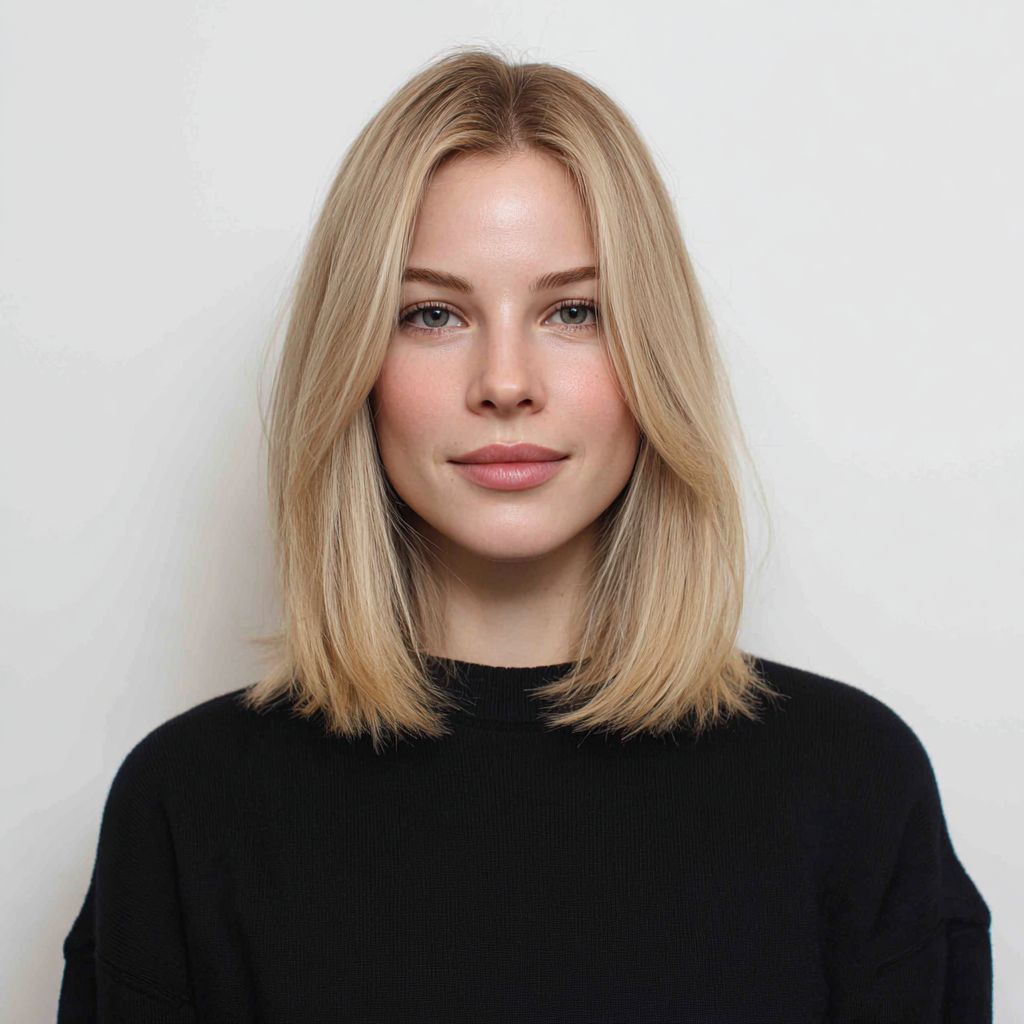
1. The Blunt Lob with Internal Micro‑Layering
Most stylists will tell you to add many visible layers to remove bulk from thick hair. That is a mistake for fine‑but‑dense hair. Too many layers make the ends look wispy and thin, defeating the illusion of fullness. Instead, keep a strong, blunt perimeter but remove weight inside the hair.
Why it works: The blunt ends create the visual illusion of thickness, while micro‑layers (cut only half an inch to one inch deep) prevent the dreaded pyramid shape. Your density stays hidden as body, not bulk. The blunt line also prevents the ends from spreading apart, which is a common problem with fine strands.
What to say to your stylist: “I want a blunt collarbone lob, but please add internal micro‑layers just to remove weight – no visible steps. Use slide‑cutting or point‑cutting, not thinning shears.”
How to style: Blow‑dry with a round brush, focusing on lifting the roots upward and backward. Once dry, run a flat iron over just the ends to seal the blunt line. The result is a swingy, polished shape that looks much thicker than it actually is.
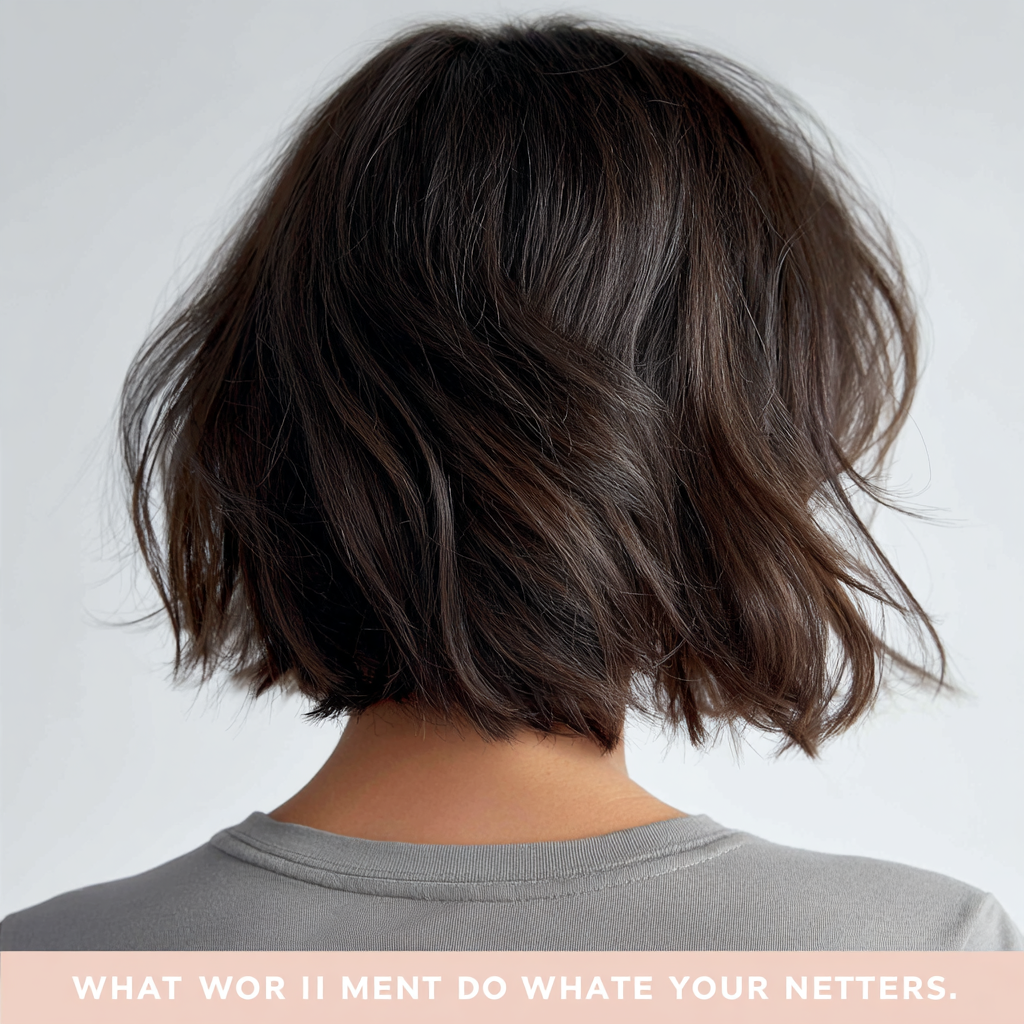
2. The Hidden Undercut Bob (Nape Weight Removal)
Yes, you read that correctly. An undercut – but only the bottom inch of your nape, completely invisible when your hair is down. This is one of the most effective secrets for fine‑but‑dense hair.
Why it works: Fine‑but‑dense hair gets unbearably heavy at the back of the neck. That weight pulls down the entire hairstyle, flattening the crown and stretching out any waves. Shaving or clipping a small triangle of hair from the underlayer removes thirty percent of the weight instantly, leaving the top layers full, bouncy, and free to move.
What to say to your stylist: “Please shave or clip a two‑inch wide, one‑inch tall triangle at my nape, just below the occipital bone. Leave the top layers long enough to cover it completely. I want this hidden – no one should see the undercut when my hair is down.”
How to style: Wear it down – the undercut stays invisible. The difference in weight will feel like you removed a brick from your head. You can also pull the top layers into a low ponytail, and the undercut will keep the ponytail from sagging.

3. The Graduated A‑Line Bob (Shorter in Back, Longer in Front)
An A‑line bob – also called a graduated bob – is cut shorter at the nape and angles down to the chin or collarbone. For fine‑but‑dense hair, this shape is nothing short of magic.
Why it works: By keeping the back shorter, you remove the heaviest density right where it causes the most flatness – the occipital ridge. The longer front pieces give you movement, the ability to tuck behind your ears, and a face‑framing effect that slims the jawline. The graduation also creates natural lift at the crown because there is simply less hair weight pulling backward.
What to say to your stylist: “Cut a graduated A‑line bob – the back should be at my nape, angling down to my chin in front. No heavy stacking; keep the graduation soft and blended. Do not use thinning shears on the perimeter.”
How to style: Blow‑dry the back sections forward (toward your face) to encourage volume. Use a flat iron to slightly curl the longer front pieces away from your face. A dab of lightweight pomade on the ends will keep them from fraying.

4. The Ghost Layer Cut (Invisible Long Layers)
Traditional long layers are usually terrible for fine‑but‑dense hair because they create “holes” – visible gaps where the density disappears. The ghost layer technique solves that problem entirely.
Why it works: Ghost layers are cut at a very steep angle, almost horizontal, using a technique called slide‑cutting. The stylist glides the scissors along the strand, removing a tiny amount of weight without creating a visible layer line. Your density stays intact and solid, but the hair moves fluidly, like water. No one can see the layers, but everyone notices the movement.
What to say to your stylist: “Give me ghost layers – long, invisible layers using slide‑cutting. I do not want to see any step marks or layer lines. Just remove the internal bulk so my hair swings without losing its solid outline.”
How to style: Air‑dry or rough‑dry with your fingers. The ghost layers will create natural, random texture without looking choppy. For a more polished look, use a large‑barrel curling iron to add loose waves – the invisible layers will hold the wave beautifully.
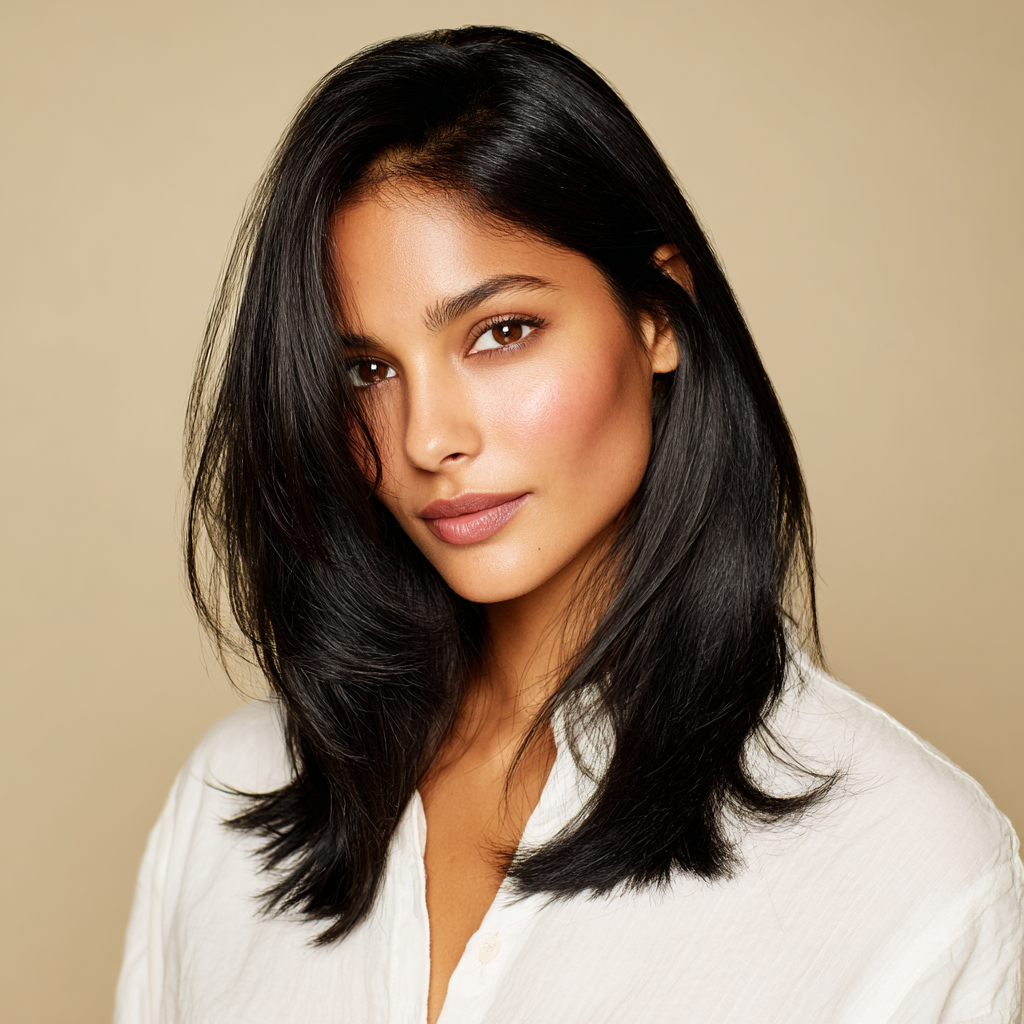
5. The Deep Side‑Part with Root Crimping
This is primarily a styling technique, but it is so effective for fine‑but‑dense hair that it deserves a full spot on this list. The cut itself is simple: a one‑length shoulder skim. The magic happens in the styling.
Why it works: A deep side‑part breaks the symmetry that makes fine‑but‑dense hair look flat and heavy on top. Adding a “root crimp” – using a small crimping iron or a texturizing powder at the roots only – gives lift that lasts all day. The density of your hair actually helps here, because there are enough strands to hide the crimped texture underneath the top layer.
What to say to your stylist: “Just a blunt shoulder‑length cut. No layers. I will handle the styling myself. Keep the perimeter clean and even.”
How to style: After blow‑drying, take a half‑inch crimping iron and crimp only the roots – one inch from the scalp – along your deep side‑part. Focus on the underside of the part line. Flip your hair over, shake it out, and you will have forty‑eight hours of volume. Finish with a light flexible‑hold hairspray.

6. The Bixie for Fine‑but‑Dense Hair (Bob + Pixie Hybrid)
The bixie – a hybrid of a bob and a pixie – is typically recommended for very thick hair, but it works brilliantly for fine‑but‑dense hair when done correctly. It is short at the nape and ears, with length kept on top and in the front.
Why it works: This cut removes the overwhelming density from the back of the head (where it flattens everything) while keeping length in the front to frame your face. The short back also makes the fine strands look thicker because there is less length to weigh them down. The contrast between the short, tapered back and the longer front pieces creates a dramatic, modern silhouette.
What to say to your stylist: “Give me a bixie – tapered close at the nape and over the ears, but keep the top and front pieces at chin length. Use texturizing shears only on the very ends, never near the roots. I want the front to feel soft and piecey.”
How to style: Rub a pea‑sized amount of matte paste or clay between your palms and rake it through the top sections. Let the front pieces fall naturally. Do not comb it – finger‑styling preserves the texture. This cut requires trims every four to six weeks to maintain the shape.

7. The Curtain Bang Lob with Point‑Cut Ends
Curtain bangs are usually recommended for thick, coarse hair, but fine‑but‑dense hair can wear them beautifully if the bangs are point‑cut (vertical snips into the ends) rather than cut bluntly.
Why it works: Blunt bangs on fine‑but‑dense hair look heavy, crease easily, and require constant re‑washing. Point‑cut curtain bangs are wispy, soft, and blend seamlessly into the lob. Your natural density keeps the bangs from looking too thin or sparse – they have just enough fullness to frame your face without overwhelming it.
What to say to your stylist: “Cut curtain bangs that start at my cheekbones and blend into a collarbone lob. Use point‑cutting on the bangs so they are soft and piecey. The bangs should be longest at the outer corners and shortest in the middle.”
How to style: Blow‑dry the bangs side‑to‑side using a small round brush. A spritz of dry texture spray will keep them separated and airy. For second‑day bangs, just wet them at the sink, blow‑dry them again, and go.

8. The Waterfall Layered Cut (Asymmetric Long Layers)
The waterfall cut is a series of very long, very soft layers that cascade like – you guessed it – a waterfall. There is no blunt perimeter; everything flows from shorter at the crown to longer at the shoulders.
Why it works: For fine‑but‑dense hair, a blunt perimeter can feel heavy and restrictive. The waterfall cut removes all the weight from the ends, so your hair moves like silk. The density provides the body; the cut provides the freedom. This is the closest you can get to “effortless, air‑dried waves” without a curling iron.
What to say to your stylist: “I want a waterfall cut – all long, soft layers with no blunt line. The shortest layer should be at my chin, the longest at my shoulders. Use a razor or slide‑cutting only. No thinning shears at all.”
How to style: This cut was made for air‑drying with a lightweight foam or mousse. Scrunch the product in while your hair is sopping wet, then let it dry naturally. You will get soft, beachy waves without heat. If you need more volume, diffuse the roots upside down.
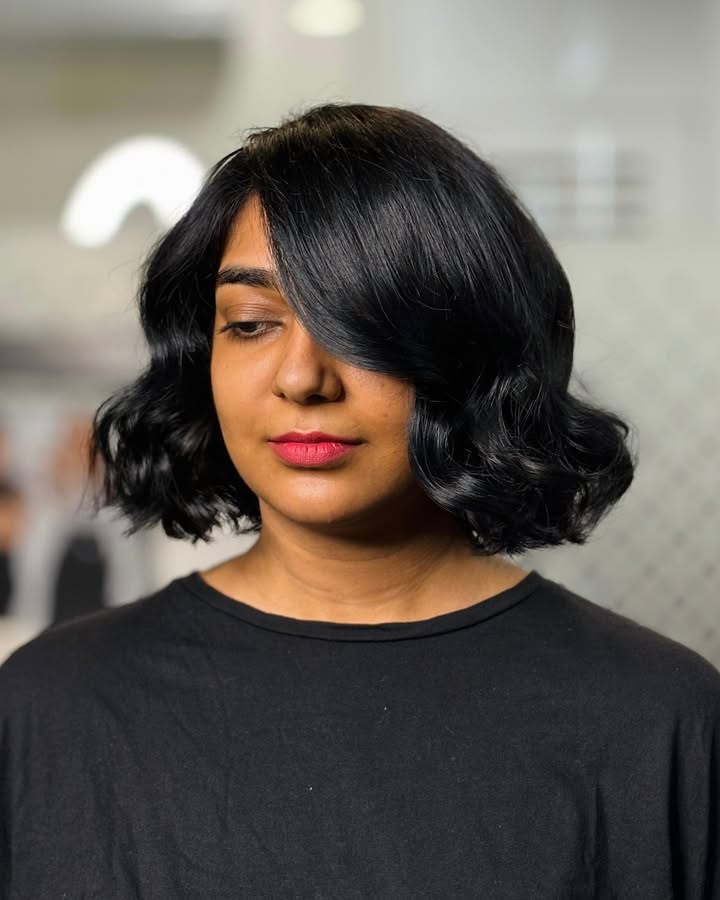
you will love this; Easy Medium Hairstyles for Older Women That Always Look Polished
9. The French “Jacqueline” Bob for Fine‑but‑Dense Hair
Inspired by Brigitte Bardot, the French Jacqueline bob is a slightly tousled, chin‑length bob with a deep side part and a heavy, rolled undercurve. It is the ultimate Parisian style, adapted for fine‑but‑dense hair.
Why it works: Fine‑but‑dense hair holds the “roll” of a French bob beautifully. Where thin hair would fall flat, your dense strands maintain that curved‑under shape all day. The deep side part and the undercurve work together to create the illusion of even more density, because the hair is directed inward rather than spreading out.
What to say to your stylist: “Give me a classic French bob – chin length, with a slight undercurve cut into the shape. The back should be slightly shorter than the front. Add a soft, wispy fringe that skims the eyebrows. Use point‑cutting on the fringe.”
How to style: The key is to blow‑dry with a round brush under the ends while rolling the brush away from your face at the roots. Finish with a texturizing spray for that “I just woke up like this” feel. A few drops of lightweight oil on the ends will add shine without weight.
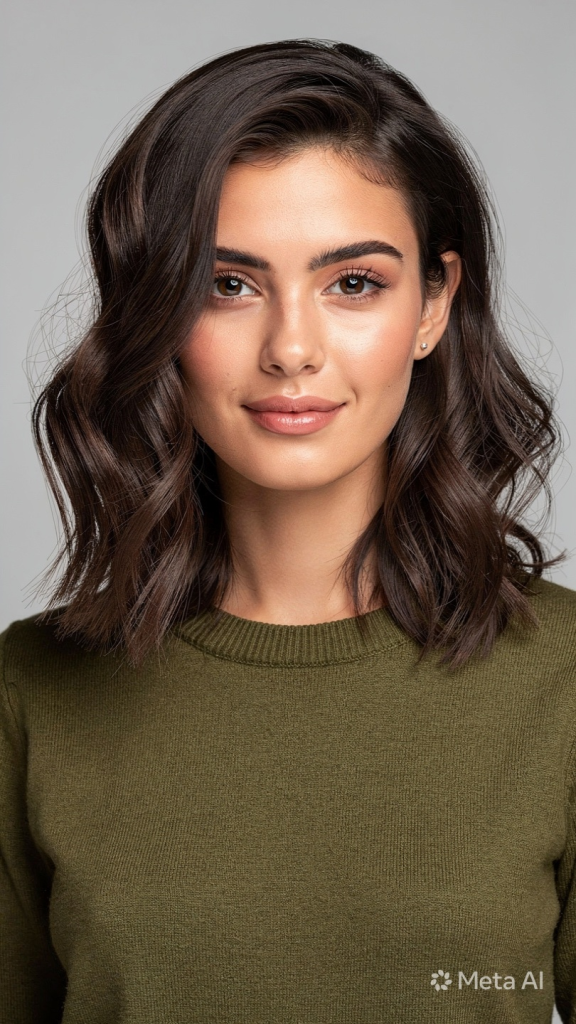
10. The “Twist” Layered Cut (Alternating Long and Short Layers)
This is an advanced technique where the stylist alternates very long layers with slightly shorter layers in a repeating pattern, like a DNA helix. It is not a common request, but it is a game‑changer for fine‑but‑dense hair.
Why it works: Traditional layering removes weight from a continuous plane, which can create gaps. The twist cut removes weight in an alternating pattern, so that no two gaps line up. The result is maximum weight removal with zero visible holes. Your fine‑but‑dense hair becomes light, airy, and completely solid in appearance.
What to say to your stylist: “I want a twist layer cut – alternating long and short layers, not a continuous graduation. This requires precision sectioning. Please use a razor or slide‑cutting, and show me the pattern before you cut.”
How to style: This cut is very forgiving. You can blow it out straight for a sleek look, or let it air‑dry with a salt spray for a messy, editorial vibe. The alternating layers will create natural volume at the crown without any effort.
Six Golden Rules for Styling Fine‑but‑Dense Hair
No matter which of the ten hairstyles you choose, these six rules will keep your fine‑but‑dense hair looking intentional, not overwhelming.
Rule 1: Never Use Heavy Creams or Butters
Products labeled “smoothing,” “anti‑frizz,” or “nourishing” are usually packed with shea butter, coconut oil, or heavy silicones. These ingredients will collapse your fine strands into a greasy, flat mess within hours. Instead, look for mousses, foams, and texture sprays labeled “volume,” “weightless,” or “full body.”
Rule 2: Wash Less Often, But Clarify More
Fine‑but‑dense hair gets oily at the roots and dry at the ends simultaneously. Wash every two to three days with a volumizing shampoo. Once a week, use a clarifying shampoo (such as K18 or Ouai Detox) to remove buildup from dry shampoo, hard water, and styling products. Buildup is the number one cause of flat roots in fine‑but‑dense hair.
Rule 3: Blow‑Dry Upside Down – Then Use the Cool Shot
After towel‑drying, flip your head over and blow‑dry the roots first, using high heat and low speed. When your hair is ninety percent dry, switch to the cool shot button and blast your roots while still upside down. The cold air seals the cuticle and locks in lift. Then flip your hair back and finish the ends.
Rule 4: Avoid Thinning Shears at All Costs
Thinning shears – those toothed scissors that look like a comb – create broken, fuzzy ends on fine hair. They will make your density look ragged, not full. Always ask for point‑cutting, slide‑cutting, or a razor instead. If your stylist reaches for thinning shears, stop them immediately.
Rule 5: Use a Root Lifter or Volumizing Powder
A root lifting spray (such as Living Proof Full Root Lift) or a volumizing powder (like Oribe Dry Texturizing Powder) is your best friend. Sprinkle or spray directly onto the roots, massage in with your fingertips, and watch your density turn into lift. These products work by creating microscopic grip between strands, which fine‑but‑dense hair desperately needs.
Rule 6: Sleep on Silk or Satin
Cotton pillowcases absorb moisture and create friction, leading to frizz, tangles, and flattened roots. A silk or satin pillowcase (or a silk bonnet) preserves your style for two to three extra days. For extra volume in the morning, gather your hair into a loose, high ponytail on top of your head – called “pineappling” – before you sleep. The silk surface allows the hair to slide rather than crush.
Product Picks Specifically for Fine‑but‑Dense Hair
Below is a curated shopping list. Every product has been chosen because it adds volume, removes weight, or protects without flattening.
| Product Type | Best Choice | Why It Works for Fine‑but‑Dense Hair |
|---|---|---|
| Shampoo | Davines Volu | Removes oil without stripping natural moisture |
| Conditioner | Verb Volume Conditioner | Ultra‑light formula, rinse out quickly |
| Leave‑in conditioner | Unite 7Seconds Detangler | A spray, not a cream – no weight |
| Mousse | Moroccanoil Volumizing Mousse | Adds grip and body without crunch |
| Root lifter (spray) | Living Proof Full Root Lift | Heat‑activated, lasts two days |
| Root lifter (powder) | Oribe Dry Texturizing Powder | Sprinkles on for instant lift |
| Dry shampoo | Klorane Dry Shampoo with Nettle | Absorbs oil only at the roots |
| Texture spray | Amika Un.Done Volume & Texture Spray | Gives fine strands “grit” for hold |
| Heat protectant | Chi 44 Iron Guard | Lightweight, non‑greasy |
| Finishing oil (just one drop) | Verb Ghost Oil | Vanishes into hair, no residue |
Face Shape Recommendations for Fine‑but‑Dense Hair
Different face shapes work best with different medium lengths. Use this table as a quick reference.
- Round face: Blunt Lob with Internal Micro‑Layering, Hidden Undercut Bob, Deep Side‑Part with Root Crimping, Bixie
- Oval face: All ten styles work well – you have the most flexibility
- Square face: Graduated A‑Line Bob, Curtain Bang Lob, Waterfall Layered Cut, French Jacqueline Bob
- Heart face: Ghost Layer Cut, Hidden Undercut Bob, Bixie, Twist Layered Cut
- Long face: Graduated A‑Line Bob, Deep Side‑Part with Root Crimping, Curtain Bang Lob, French Jacqueline Bob
Maintenance Schedule for Fine‑but‑Dense Hair
Keeping your fine‑but‑dense hair in peak condition requires a consistent routine. Here is a week‑by‑week guide.
- Trims: Every eight to ten weeks. Fine‑but‑dense hair shows split ends quickly, and frayed ends make the density look messy rather than lush.
- Deep conditioning: Once every two weeks. Use a protein‑free mask if your hair is low‑porosity. Fine hair can be easily over‑proteinized, leading to brittleness. Look for masks labeled “hydrating” rather than “repairing.”
- Clarifying wash: Once a week. Fine‑but‑dense hair accumulates invisible buildup from dry shampoo, texture sprays, and hard water. Use a clarifying shampoo like Ouai Detox or K18.
- Root touch‑up: Every two to three days. A quick blast of dry shampoo or volumizing powder at the roots will reset your volume.
Troubleshooting Common Fine‑but‑Dense Problems
Problem: My hair looks full when I leave the house, but it falls flat by lunchtime.
Solution: You are using products that are too heavy, or you are not using a root lifter. Switch to a mousse and a root powder. Also check your blow‑drying technique – you must use the cool shot.
Problem: My ends look see‑through and stringy.
Solution: You have too many visible layers, or your stylist used thinning shears. Ask for a blunt perimeter with internal micro‑layering next time. In the meantime, trim at least half an inch off the ends.
Problem: My hair is frizzy and poofy no matter what I do.
Solution: Fine‑but‑dense hair is often naturally wavy but gets brushed out. Stop brushing dry hair. Instead, comb it only when wet with conditioner. Use a gel or mousse to define the wave, then do not touch it until it is completely dry.
Problem: My ponytail is heavy and gives me a headache.
Solution: This is a classic sign that you need a hidden undercut. Removing that small triangle at the nape will reduce ponytail weight by nearly a third. Also try using two small elastics instead of one thick one – spread the weight.
Final Verdict
Fine‑but‑dense hair is not a problem – it is an opportunity. You have the fullness that fine‑haired people envy and the softness that thick‑haired people crave. The key is to stop treating your hair like either extreme. Do not layer it to death (that creates see‑through ends). Do not leave it one length (that creates the triangle). Instead, use the medium length cuts above to unlock your hidden density – volume without weight, movement without frizz, and lift that lasts all day.
Your perfect title for this article is “Fine‑but‑Dense Hair: The Ultimate Guide to Medium Length Styles That Unlock Hidden Volume” – and the focus keyword to remember forever is fine‑but‑dense hair. Because that phrase, and that phrase alone, describes exactly what you are working with.

Leave a Reply