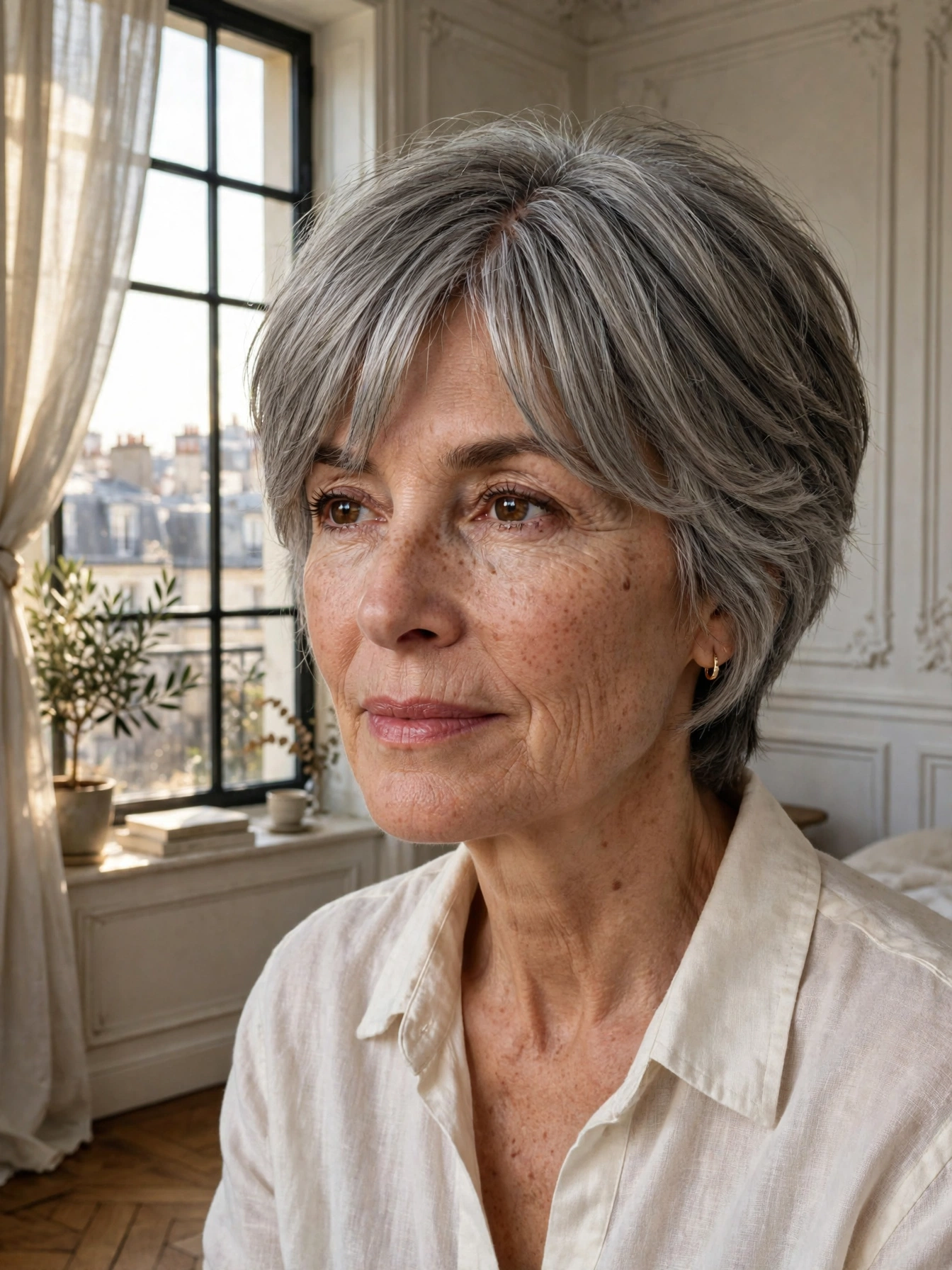
A common misconception in the beauty world is that turning 60 means you have to settle for a “helmet head” or a one-size-fits-all short cut. We are here to bust that myth completely. For women with fine or thinning hair, a shorter cut isn’t just a necessity; it’s an opportunity to showcase sophistication, bone structure, and a vibrant personality.
As we age, hair texture changes. It can become finer, lose density, and sometimes lack the spring it once had. However, the right short haircut is the ultimate “facelift.” Strategic layering, texturizing, and the right length can create the illusion of density, lift the roots, and frame the face beautifully. The goal is to work with your hair’s natural texture, not against it.
Whether you are ready for a dramatic pixie, a chic bob, or a tapered crop, the 22 ideas below are curated to inspire you. They focus on creating movement, body, and an effortless sense of style. After all, great hair has no age limit—it just requires a great cut and the confidence to wear it.
22 Well-Structured Short Hairstyle Ideas
To make these ideas easier to digest, I have categorized them into five sections based on your style preference.
The Classic & Timeless (The Reliables)
1. The Classic Pixie Cut
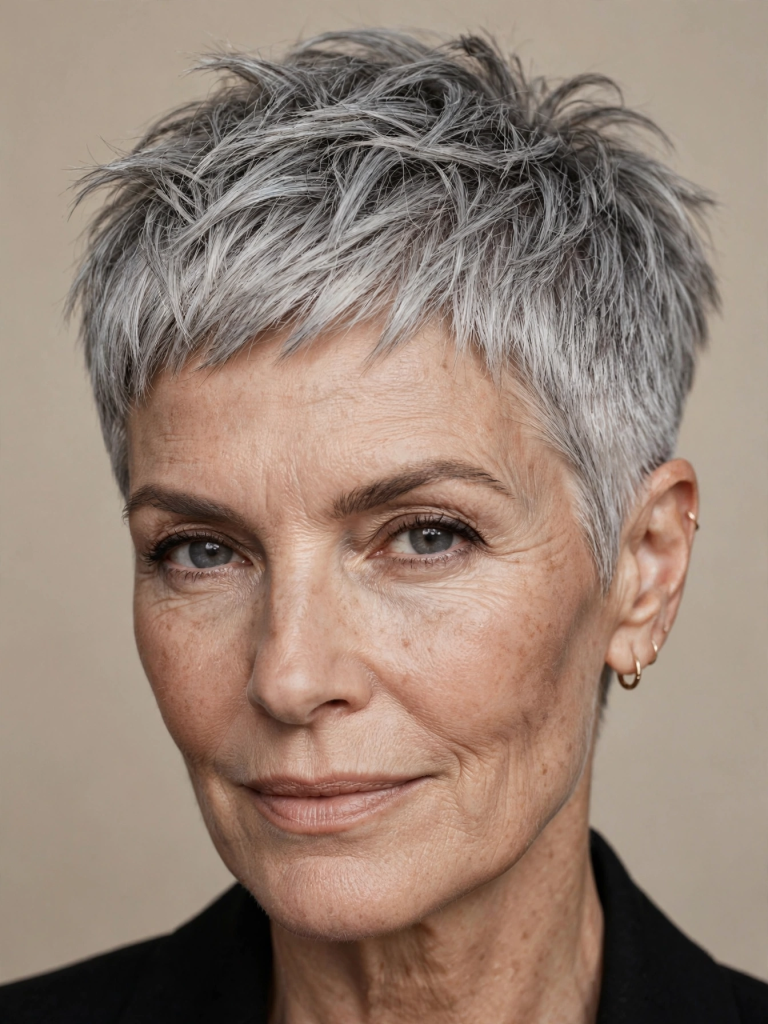
The quintessential short cut. It keeps the hair very short on the back and sides, with slightly more length on top. For thin hair, the key is to ask for point-cutting on the top to create texture, which gives the illusion of thickness. It is incredibly low-maintenance and highlights the eyes and cheekbones.
2. The Textured Crop
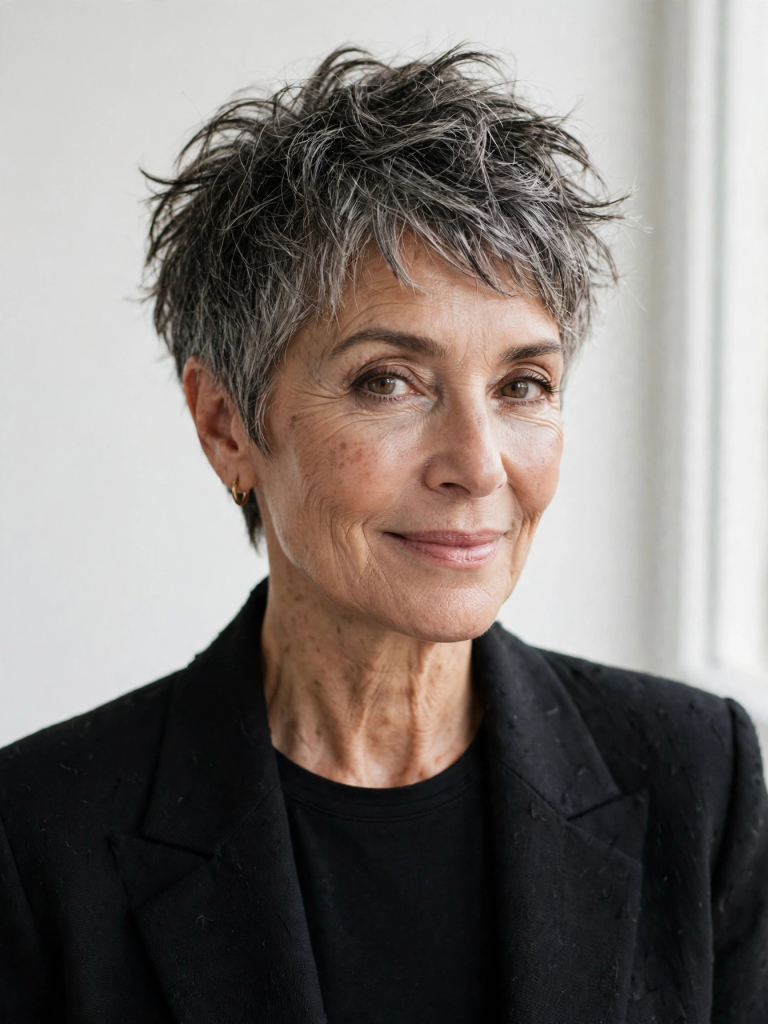
Similar to a pixie but with heavier, choppier layers. This style is perfect for women with cowlicks or natural wave. The choppy ends prevent the hair from looking flat and give a modern, lived-in feel.
3. The Long Pixie
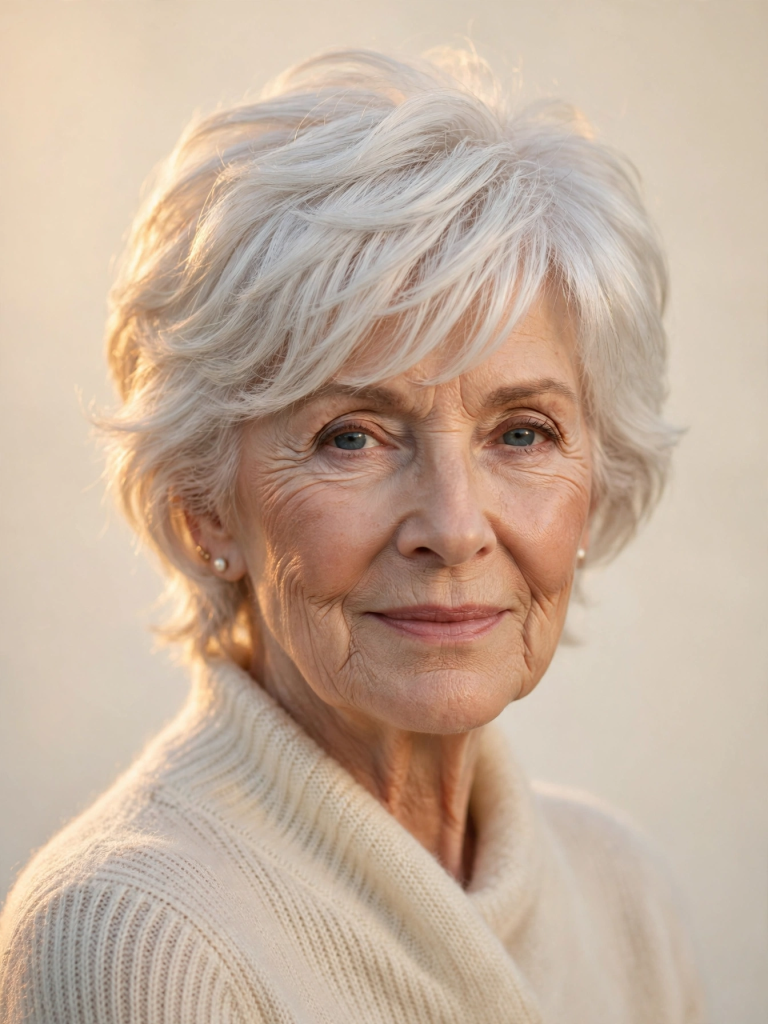
If you aren’t ready to go too short, the long pixie keeps length around the ears and the nape of the neck. Side-swept bangs are a must here to disguise thinning at the hairline and add diagonal visual interest.
4. The Soft Taper
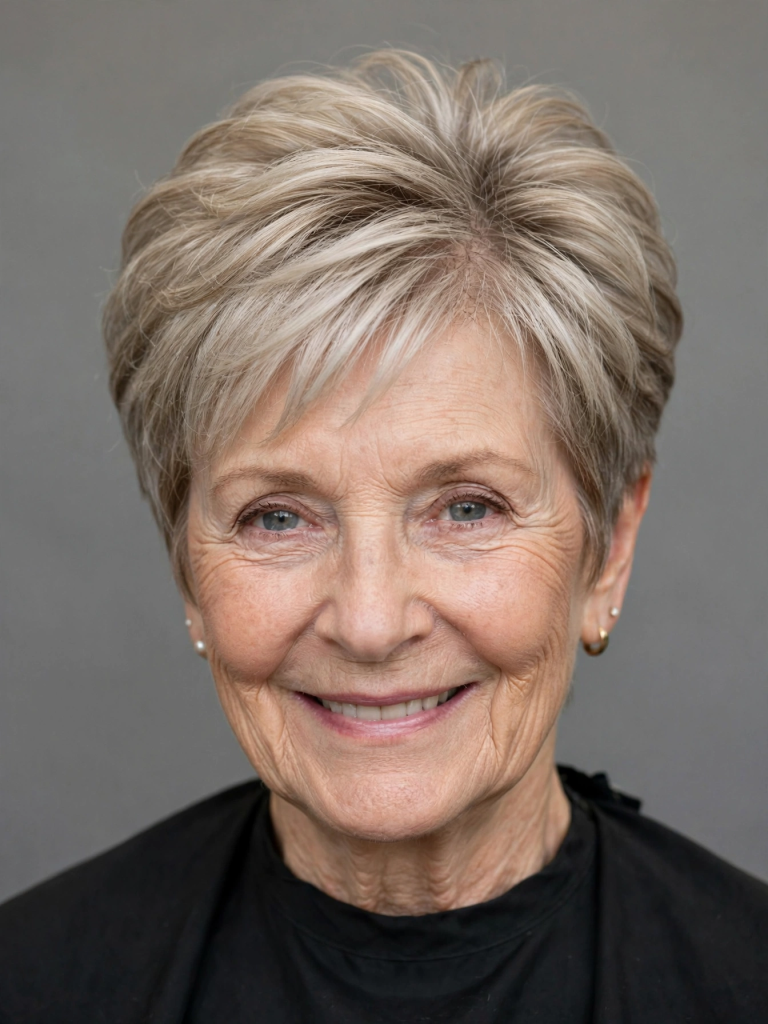
This cut is shorter at the nape of the neck and gradually increases in length as it reaches the crown. This natural graduation builds volume where you need it most—on top.
The Chic Bobs (The Sophisticates)
5. The Chin-Length Bob
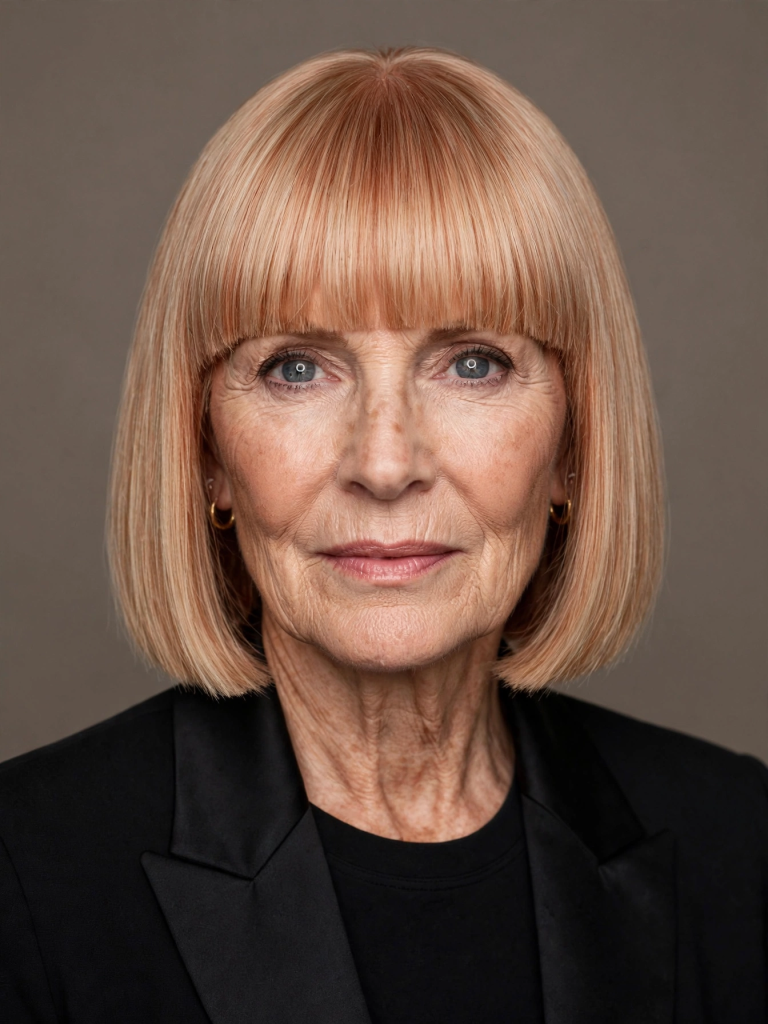
Hitting right at the chin, this length adds immediate weight and fullness to fine hair. Ensure the cut is blunt at the ends. While it sounds counterintuitive, a straight-across blunt line makes the ends look thicker than choppy, wispy ends.
6. The Angled (A-Line) Bob
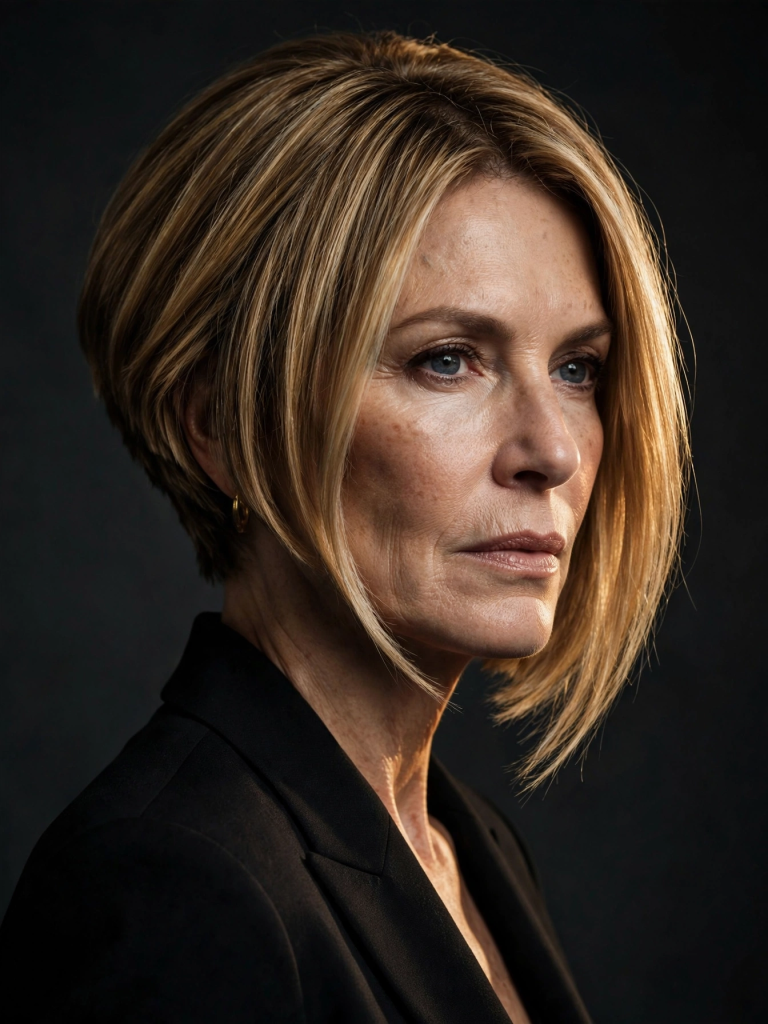
Shorter in the back and longer in the front. The forward angle creates a slimming effect on the face and allows the hair to fall forward, creating a natural swoop that fakes volume.
7. The Asymmetrical Bob
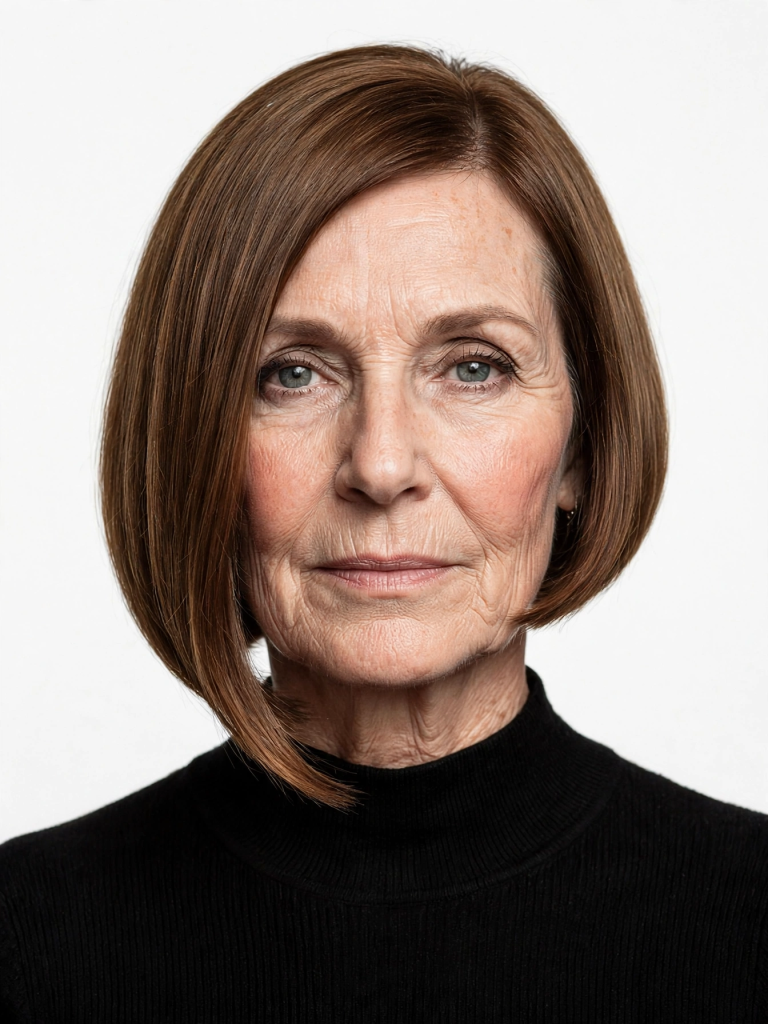
A modern twist on the classic. One side is slightly longer than the other (or cut at a sharper angle). This visual asymmetry distracts from thinning areas and adds an edgy, contemporary vibe.
8. The Flipped Bob

A classic 60s-inspired look that is perfect for fine hair. By using a round brush to flip the ends outward, you instantly create width and bounce. This works best on bobs that graze the jawline.
The Ultra-Short & Edgy (The Rule Breakers)
9. The Buzz Cut
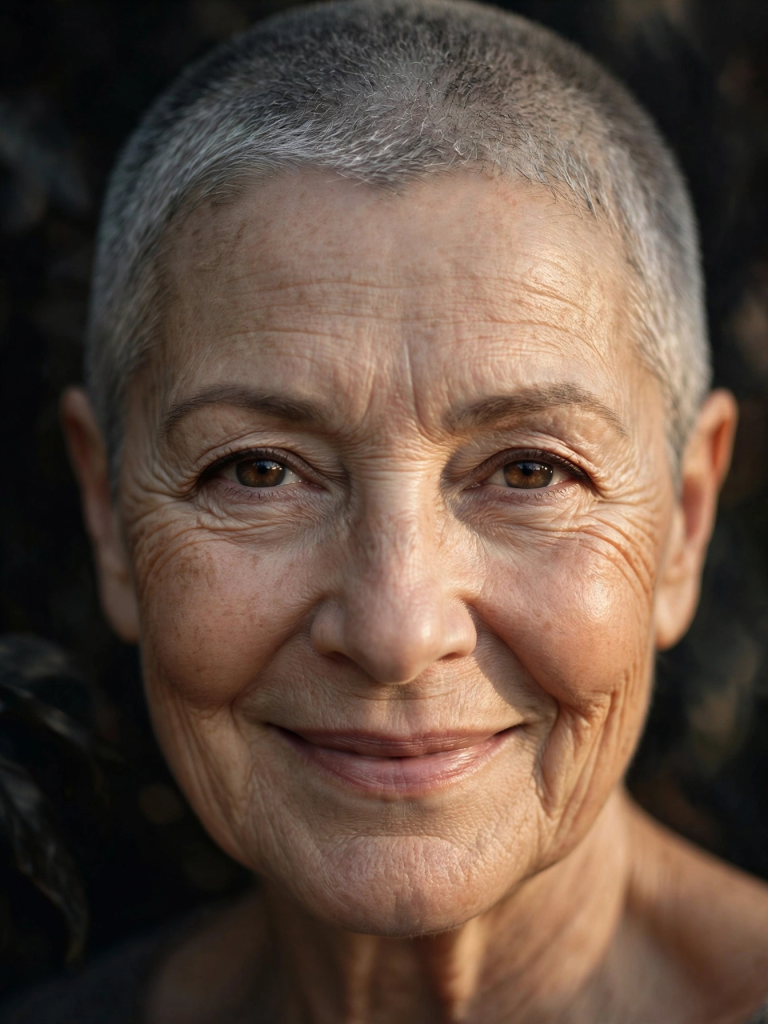
For the truly daring. A faded or uniform buzz cut eliminates the worry of thinning hair entirely. It showcases your features, earrings, and necklines. It is the ultimate statement of confidence and freedom.
10. The Spiky Pixie
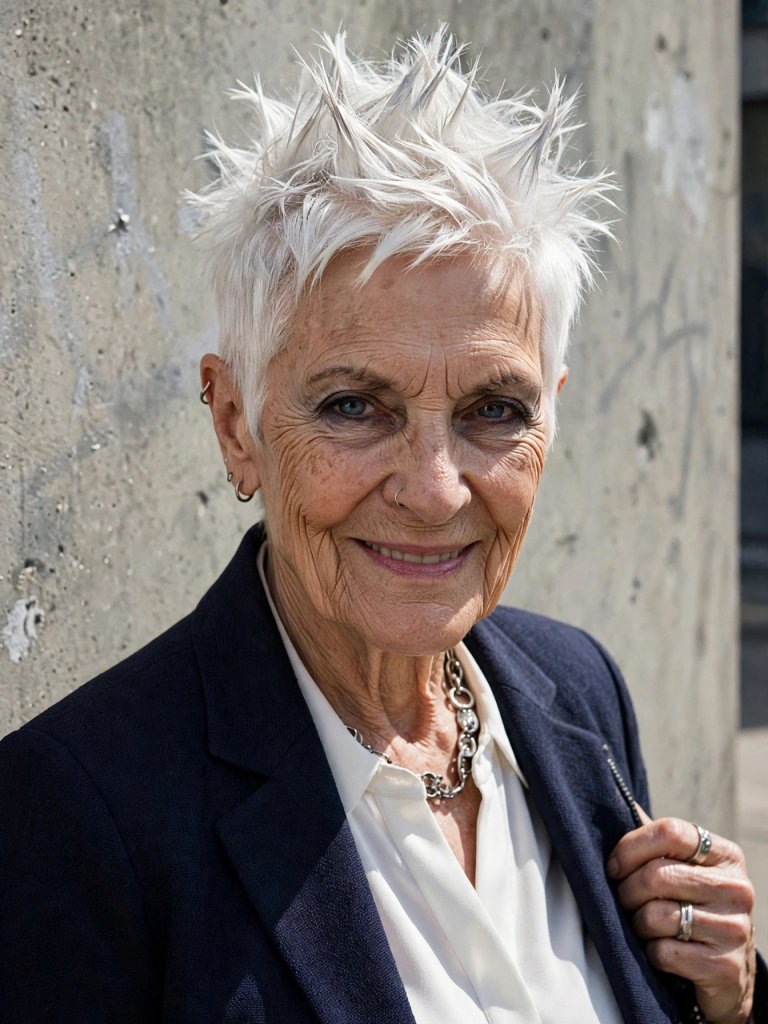
This requires a bit of product, but the payoff is worth it. Short pieces left slightly longer on top are styled upward with a matte paste. This vertical volume is the best “crown” for thin hair.
11. The Undercut Pixie
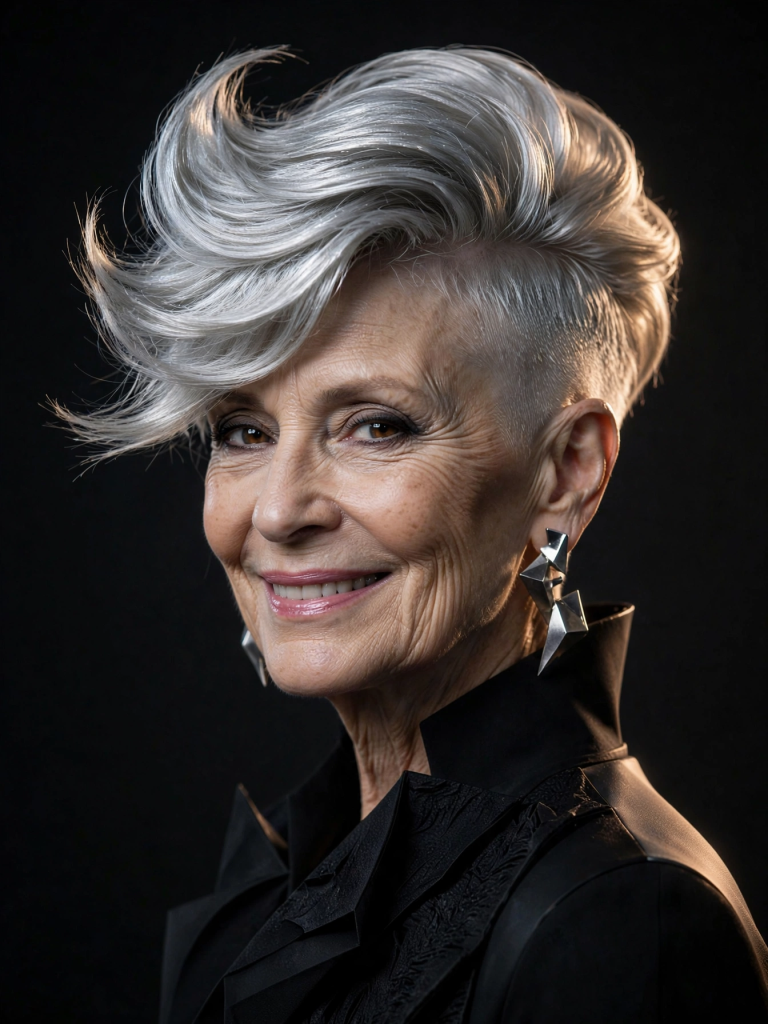
The sides are shaved or clipped very close to the head, while the top remains longer and full. This removes the “bulk” on the sides, making the top look heavier and thicker by comparison.
12. The Finger Wave Crop
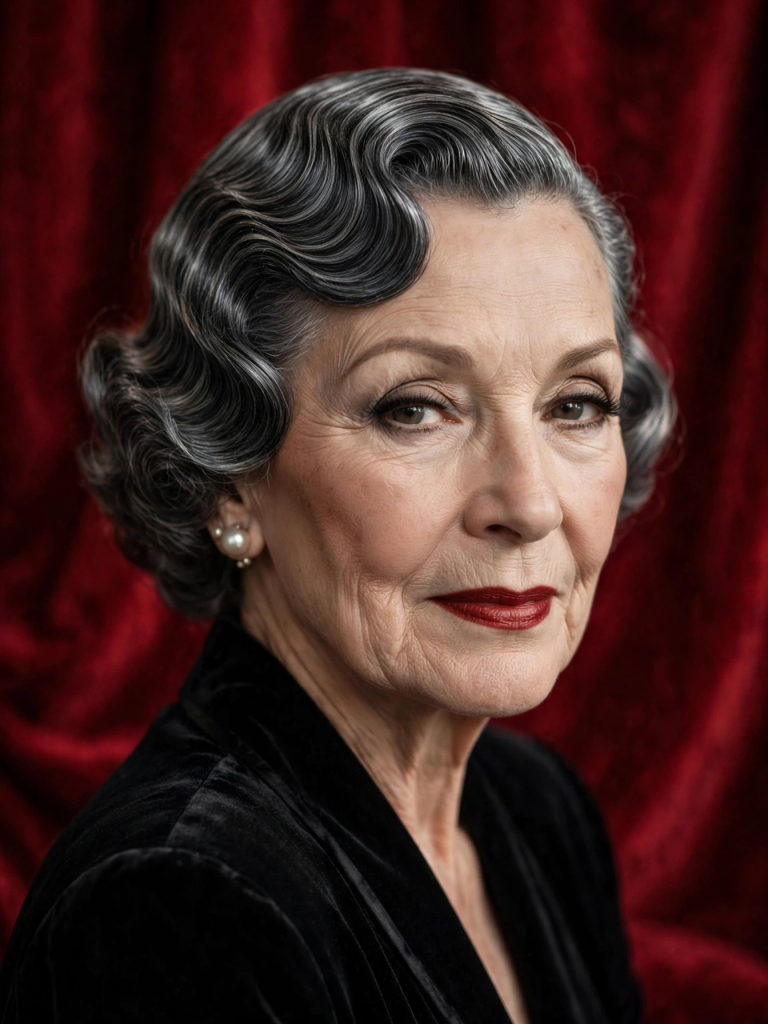
A retro, glamorous option. Shorter hair is ideal for sculpting classic finger waves. The structure of the “S” shape creates dimensional texture that makes hair look remarkably dense.
The Soft & Voluminous (The Romantics)
13. The Feathered Pixie
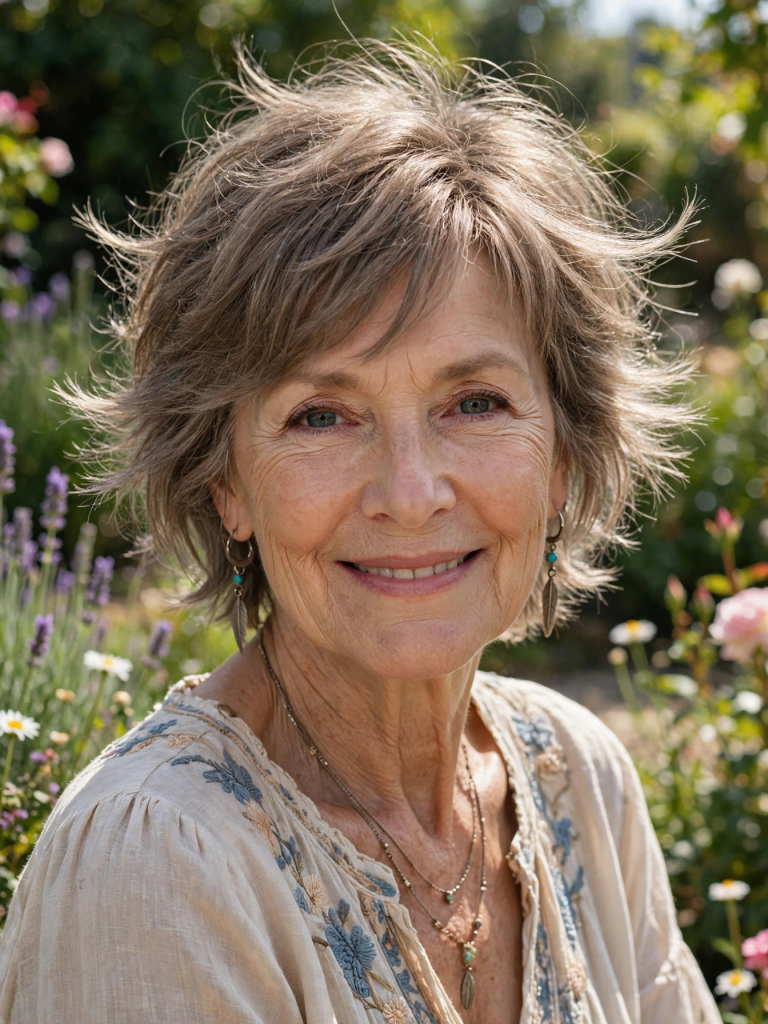
Think Farrah Fawcett but shorter. Soft, wispy layers “feathered” away from the face give a light, airy look that doesn’t drag the hair down. It is ideal for creating movement without weight.
14. The Wavy Crop

If you have natural wave, lean into it! Keeping the cut at ear-length allows the natural wave to compact and form springy curls, which instantly creates the look of full, bountiful hair.
15. The Side-Swept Pixie
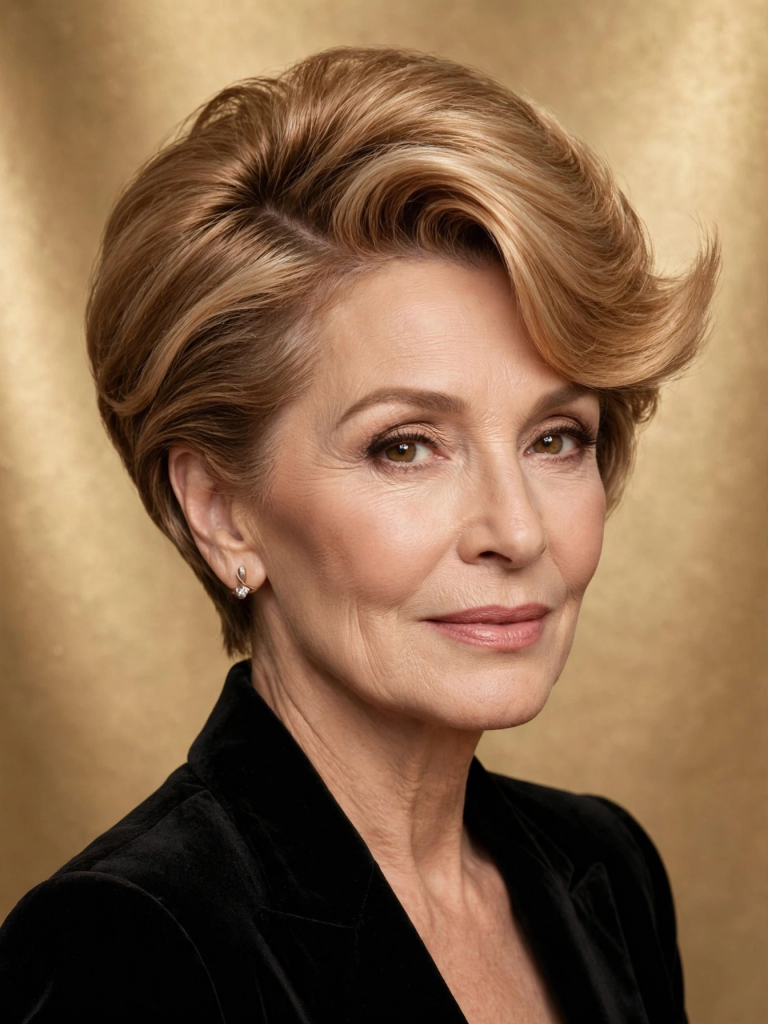
A longer top that is swept dramatically to one side. This diagonal styling creates hidden height at the root and covers any recession at the temples.
16. The Layered Wedge
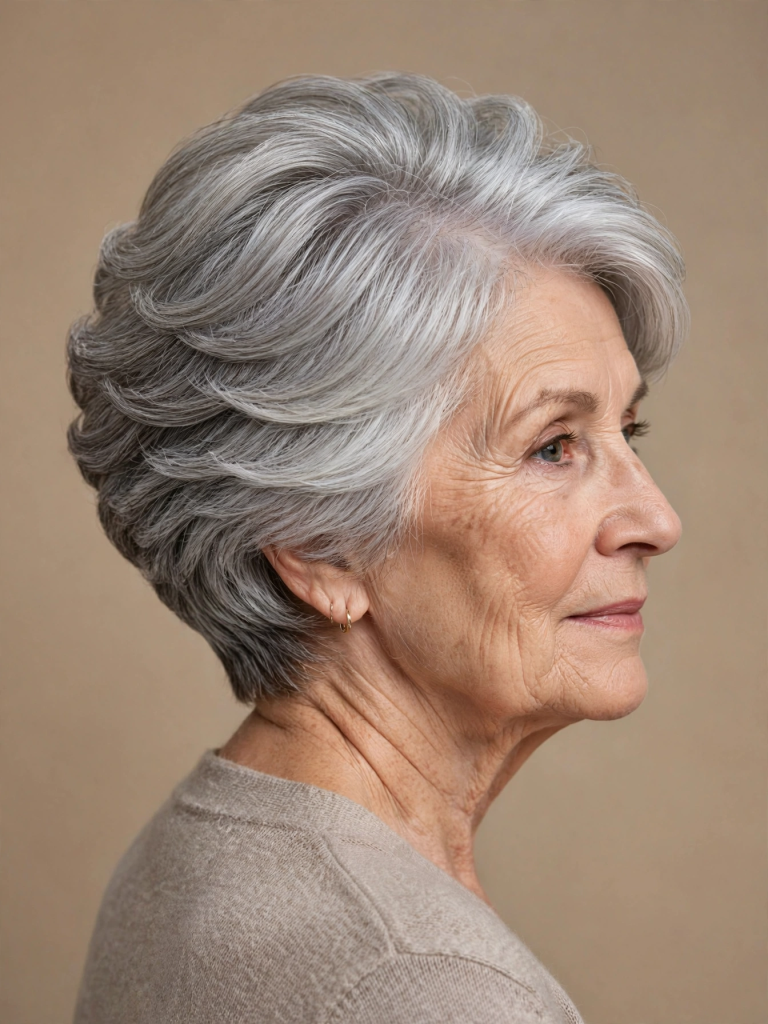
A classic “wedge” cut is stacked at the back, creating a beautiful, rounded shape. The layers are specifically engineered to lift the hair off the nape and create a shelf of volume.
The Bangs & Fringe (The Face Framers)
17. Wispy Bangs

If you have a smaller forehead, wispy, see-through bangs are a great way to add softness. They are cut thin so they don’t weigh down the front of the cut but give the illusion of density.
18. The Curtain Fringe
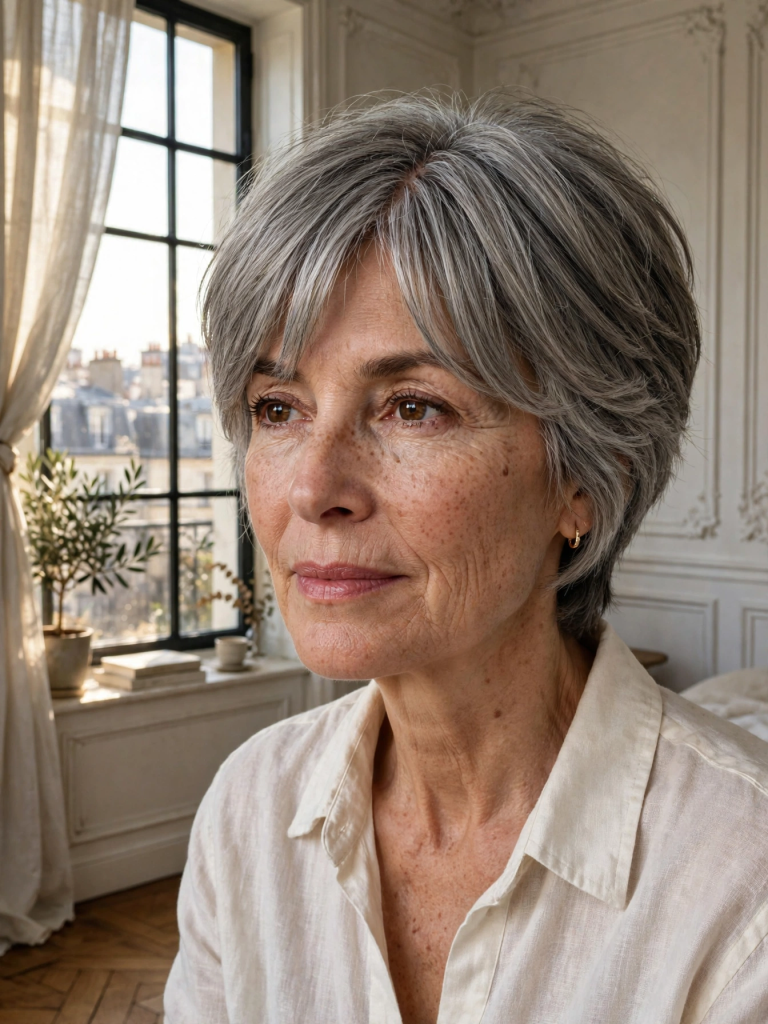
Longer bangs that part in the middle and sweep away from the face. These are fantastic for hiding thinning at the temples and integrating seamlessly into a longer pixie or bob.
19. Blunt Bangs with a Bob
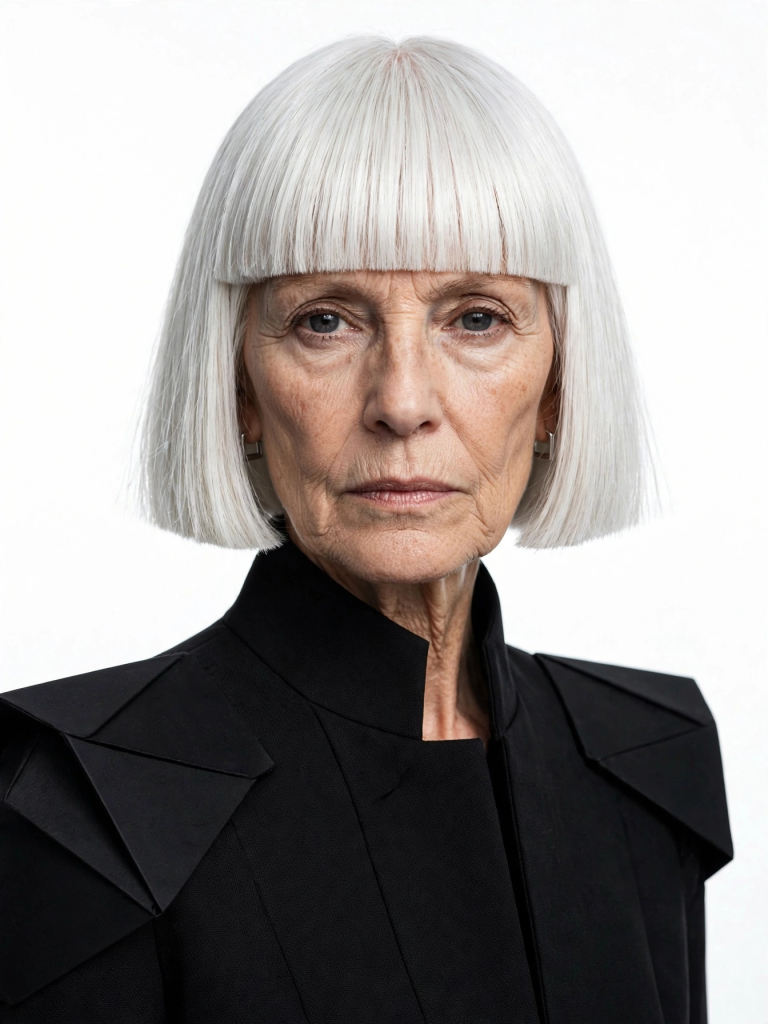
Yes, you can have blunt bangs! If your hair is thin, blunt bangs can look incredibly striking and add a block of color and density to the front of your face.
Styling Tips for the “In-Between” (20-22)
20. The Messy Tousle

This is a “cut” idea. Ask your stylist for a cut that allows you to “mess it up.” Texture and separation (using a salt spray) mean you aren’t fighting for flatness; you are embracing the chaos, which looks volumizing.
21. The Side-Part Deep
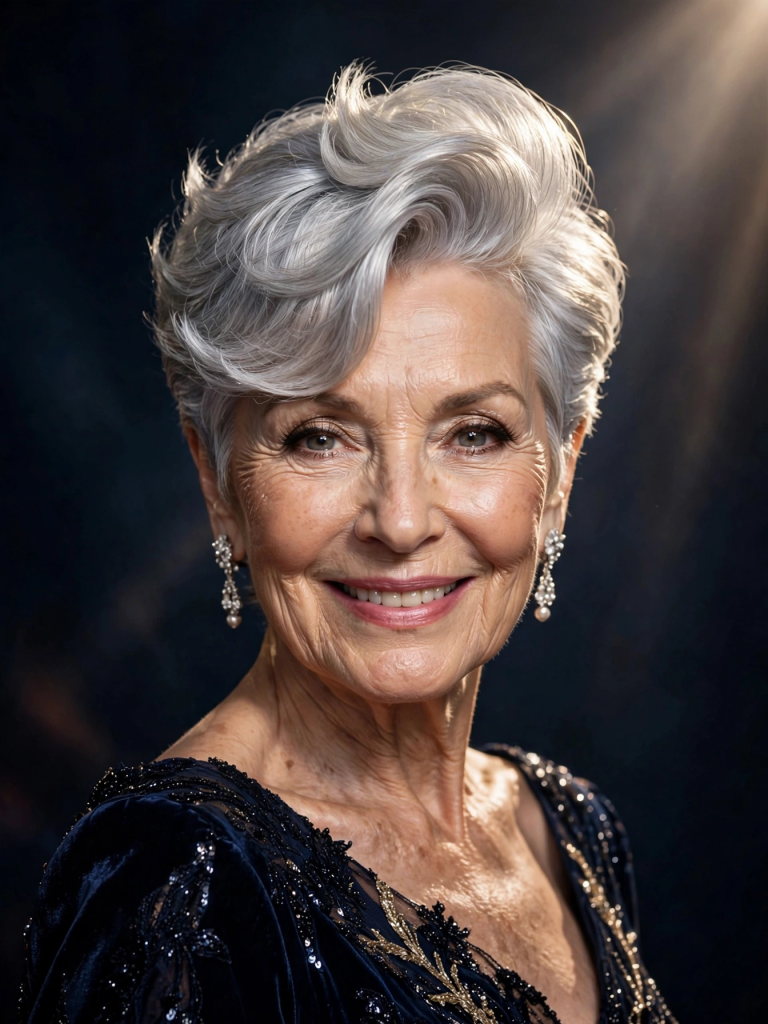
Not a cut, but a styling technique that changes the shape. Moving a deep side part away from its usual location gives the roots instant “lift” and height, making the top of the cut look fuller.
22. The Braided Accent
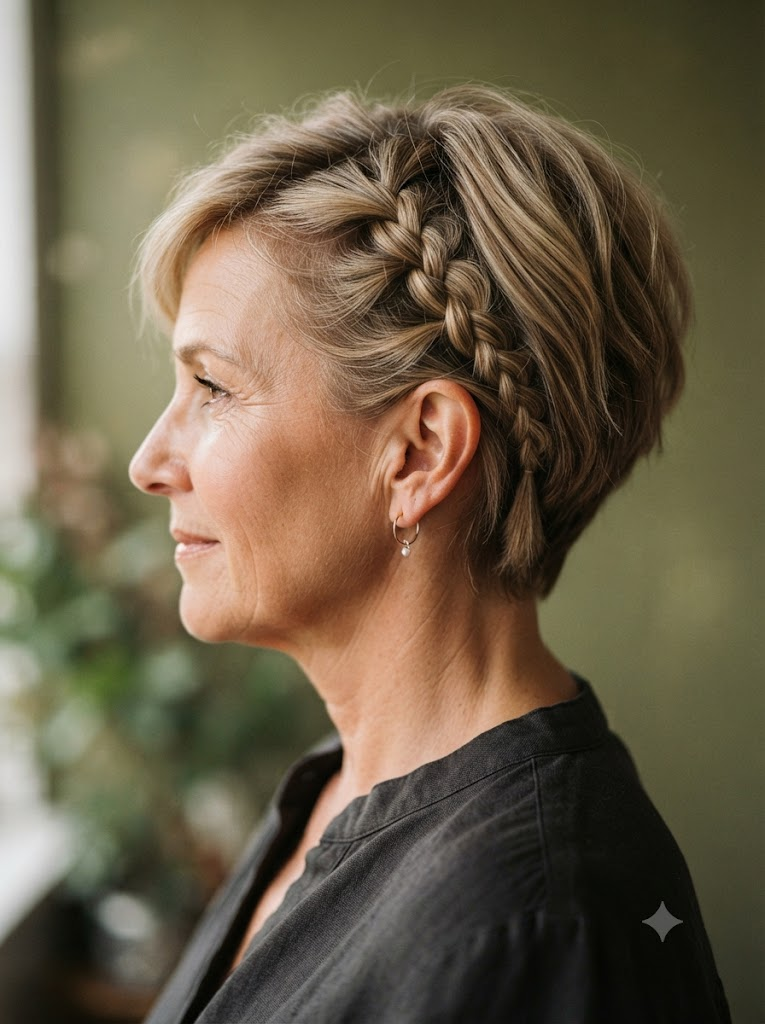
Again, a style, but one to ask for. If you have a longer pixie, a small Dutch braid on one side of the head can pull the hair back, creating “bumps” and volume on the crown that last all day.
How to Choose the Right Style for You
Selecting the perfect cut isn’t just about the picture; it’s about physics.
- Face Shape:
- Oval: Lucky you! You can wear almost anything.
- Round/Heart: Go for height on top (pixies or spikes) and keep the sides tight to elongate the face.
- Square: Soften the jawline with waves or a longer, textured bob that grazes the chin.
- Hair Texture:
- Stick Straight: You need blunt cuts and layers for movement.
- Wavy: Your best friend is a cut that encourages the wave (textured crops).
- Lifestyle: Are you a “wash-and-go” girl, or do you love styling? Spiky cuts require daily product; bobs need regular blow-dries.
The 10-Minute Styling Routine for Thin Hair
Having the cut is half the battle; styling is the other. Here is a foolproof routine for volume:
- Prep Wet Hair: Use a volumizing mousse or root-lifting spray on the roots only. (Weight is the enemy).
- Dry Strategically: Flip your head upside down to dry the roots completely before drying the ends.
- Cool Shot: Always hit your hair with a blast of cold air from the blow dryer. This locks the cuticle in place and keeps the root lifted.
- Products: Use a matte texture powder or dry shampoo at the roots (even on clean hair) to give it grip. Avoid heavy oils or serums; stick to texturizing sprays.
- The Brush: Use a round ceramic brush that heats up with the blow dryer to “curl” the hair off the scalp.
Color and Texture Tips to Enhance Volume
Color is a magician’s tool for thin hair.
- Highlights/Lowlights: Adding a few shades lighter or darker creates dimension. Without dimension, hair looks flat; with it, the eye sees “hills and valleys,” which reads as thickness.
- Root Shadowing: Keep the roots slightly darker and the ends lighter. This contrast gives an optical illusion of depth and fullness at the base.
Maintenance Schedule (Keeping the Cut Sharp)
Short hair doesn’t stay short forever. To keep your cut looking voluminous, you cannot skip appointments.
- Pixie Cuts: Every 4 to 5 weeks. (The shape collapses quickly).
- Bobs: Every 6 to 8 weeks to keep the blunt line crisp.
- Trimming: If your hair is thinning, blunt ends are your friend. Wispy, frayed ends make thin hair look see-through.
Conclusion
Your 60s are a golden era for self-expression, and your hair should be no exception. Short hair for thin hair isn’t about “settling”; it’s about precision, architecture, and confidence. Whether you choose a soft, romantic feathered style or a sharp, edgy undercut, the best hairstyle is the one that makes you feel unstoppable.
Remember, volume isn’t just about how much hair you have; it’s about how you use the hair you do have. Don’t be afraid to go shorter, go bolder, or go against the grain. A great cut acts as a frame for your face and, more importantly, a canvas for your personality. Embrace the texture, play with the products, and walk out of that salon feeling lighter, brighter, and more beautiful than ever. After all, 60 is the new chic.

Leave a Reply