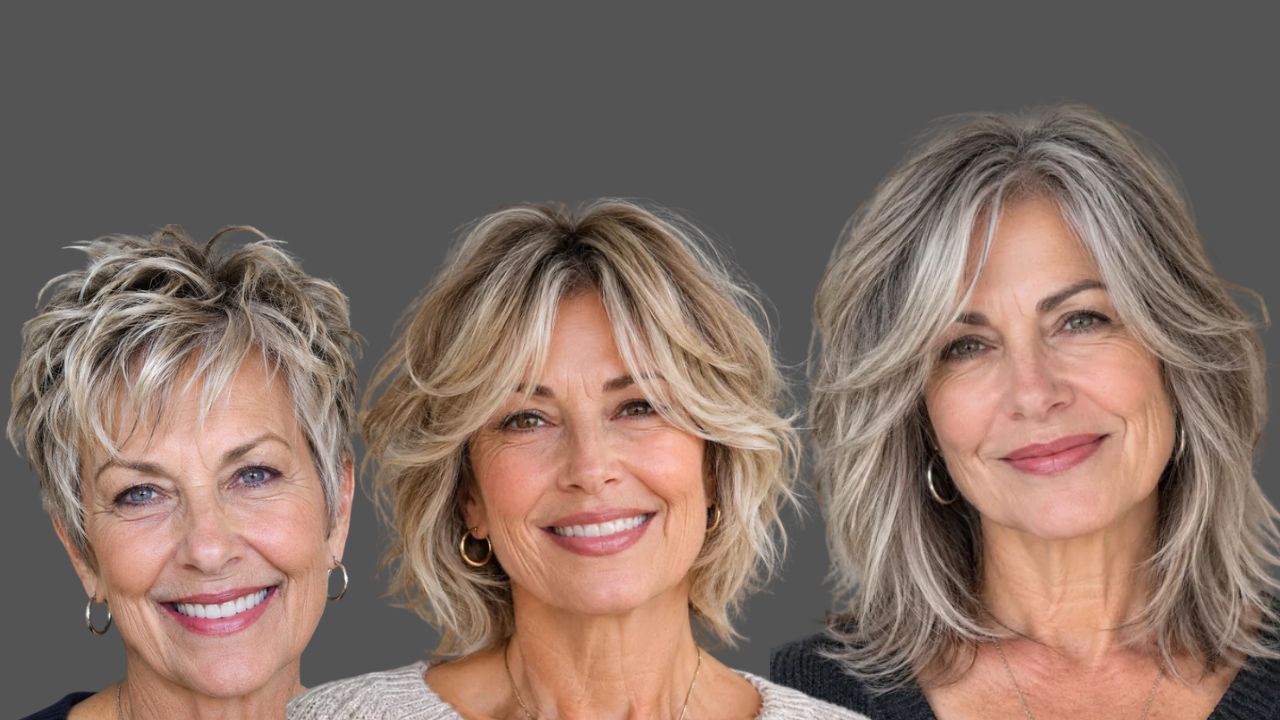
If your hair has become finer and thinner over the years, you are not alone. After 60, many women notice less density at the crown, softer strands that fall flat by lunchtime and ends that look wispy rather than full. The good news is that the right haircut can change everything, and few cuts do it as well as a shag.
A well-cut shag uses strategic layers to create lift where fine hair needs it most—at the crown and around the face—while keeping enough weight at the ends to look full. The result is movement, texture and the illusion of much thicker hair, without hours of styling.
The secret is in the details. Fine thin hair needs a gentler shag than thick hair: fewer, longer layers, blunter ends and placement that adds body instead of removing it. Below you will find why the shag works for fine hair, 14 shag haircuts for fine thin hair over 60, and exactly how to ask for, style and maintain your new cut. For the full overview of the style, see our complete guide to modern shag haircuts for women over 60.
Why a Shag Works for Fine Thin Hair
Layers Create Lift
Shorter layers at the crown stand up away from the scalp instead of lying flat. That lift instantly makes hair look thicker and draws the eye upward.
Texture Hides Thin Spots
The tousled, piecey finish of a shag disguises areas where the scalp shows through. Instead of a sleek surface that reveals every gap, you get soft movement that looks full.
The Right Shag Keeps Weight at the Ends
Fine hair should never be heavily thinned or razored to wisps. The best shags for fine hair keep a solid perimeter, so the bottom of your hair still looks dense and healthy.
14 Shag Haircuts for Fine Thin Hair Over 60
1. The Blunt-Ended Short Shag
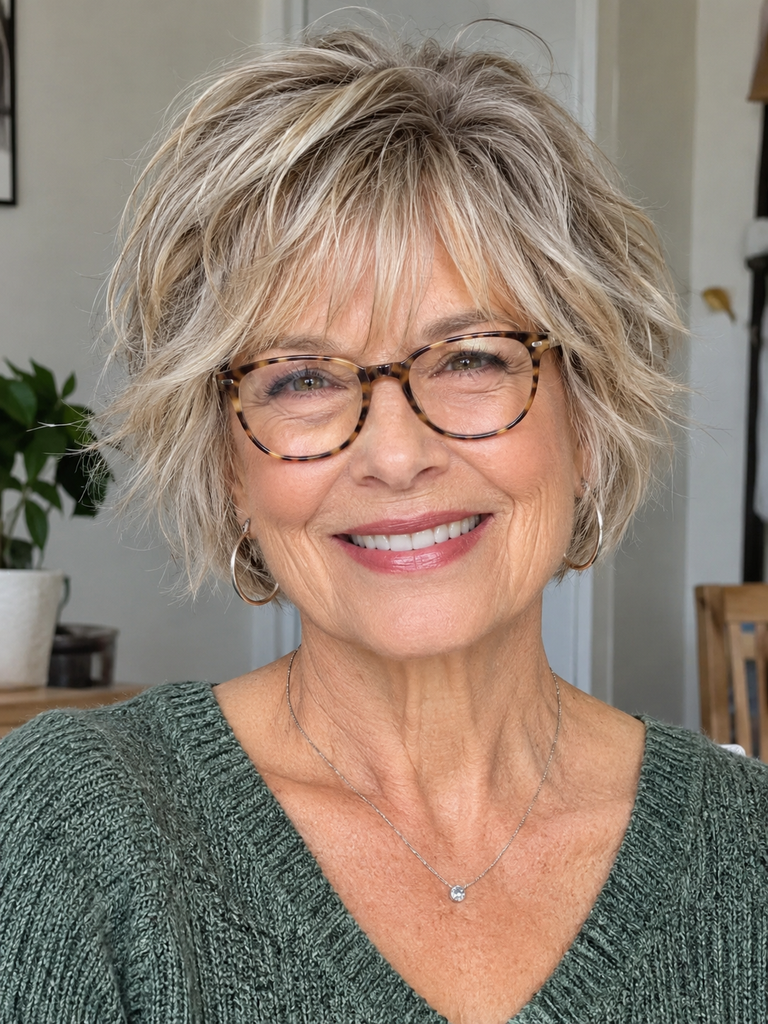
Full ends, lifted crown
This short shag combines soft layers on top with blunt, solid ends. The layers lift the crown while the blunt perimeter keeps the hair looking thick. It sits just below the ears and is easy to style with a little mousse and a round brush. Best for: very fine hair that falls flat quickly.
Ask your stylist for: a short shag with point-cut crown layers and a blunt perimeter, no thinning shears.
Upkeep: Trim every six to eight weeks to keep the ends crisp.
2. The Chin-Length Shaggy Bob
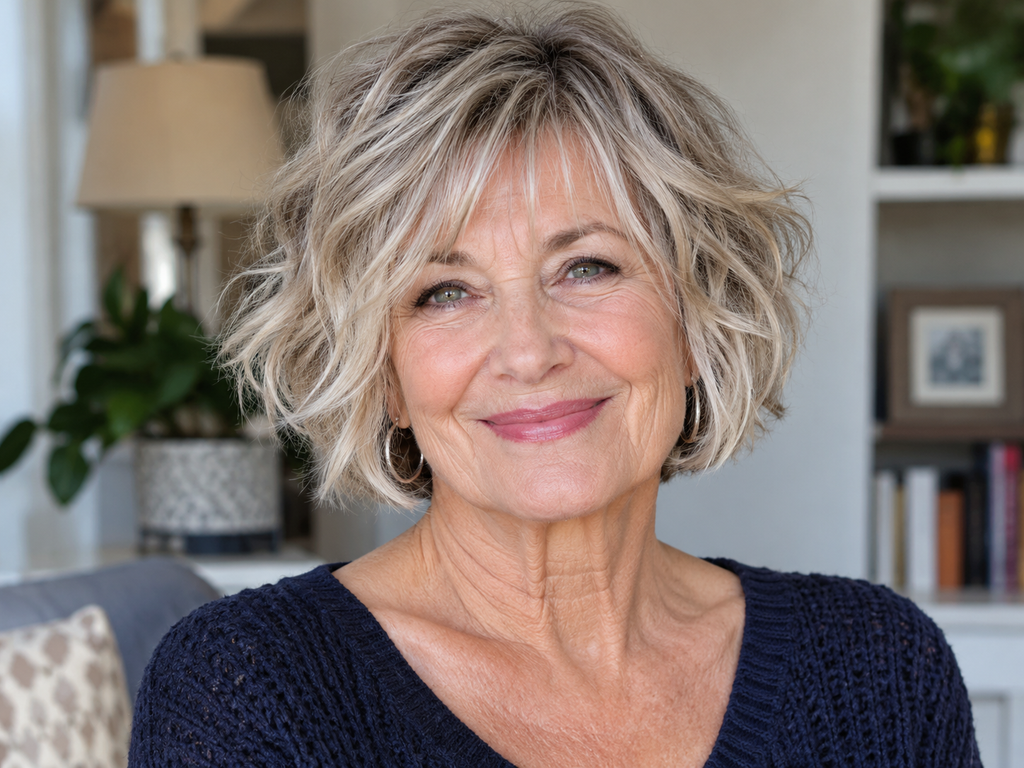
Bob structure, shag movement
A chin-length shaggy bob gives fine hair the structure of a bob with the movement of a shag. The shorter length means less weight pulling the roots flat, and soft layers add texture around the jaw. Best for: fine hair that loves a polished but relaxed shape.
Ask your stylist for: a chin-length bob with light, piecey layers through the top and sides.
Upkeep: Trim every six to eight weeks; style with a volumizing spray at the roots.
3. The Crown-Lift Shag

Height right where you need it
If thinning shows most at the crown, this shag focuses short layers exactly there. The lift camouflages sparse areas and adds youthful height without adding length. Best for: hair that is thinning on top.
Ask your stylist for: shorter layers concentrated at the crown, blended into longer sides.
Upkeep: Blow-dry the crown upward with a round brush, then mist with flexible hairspray.
4. The Shag with Wispy Bangs
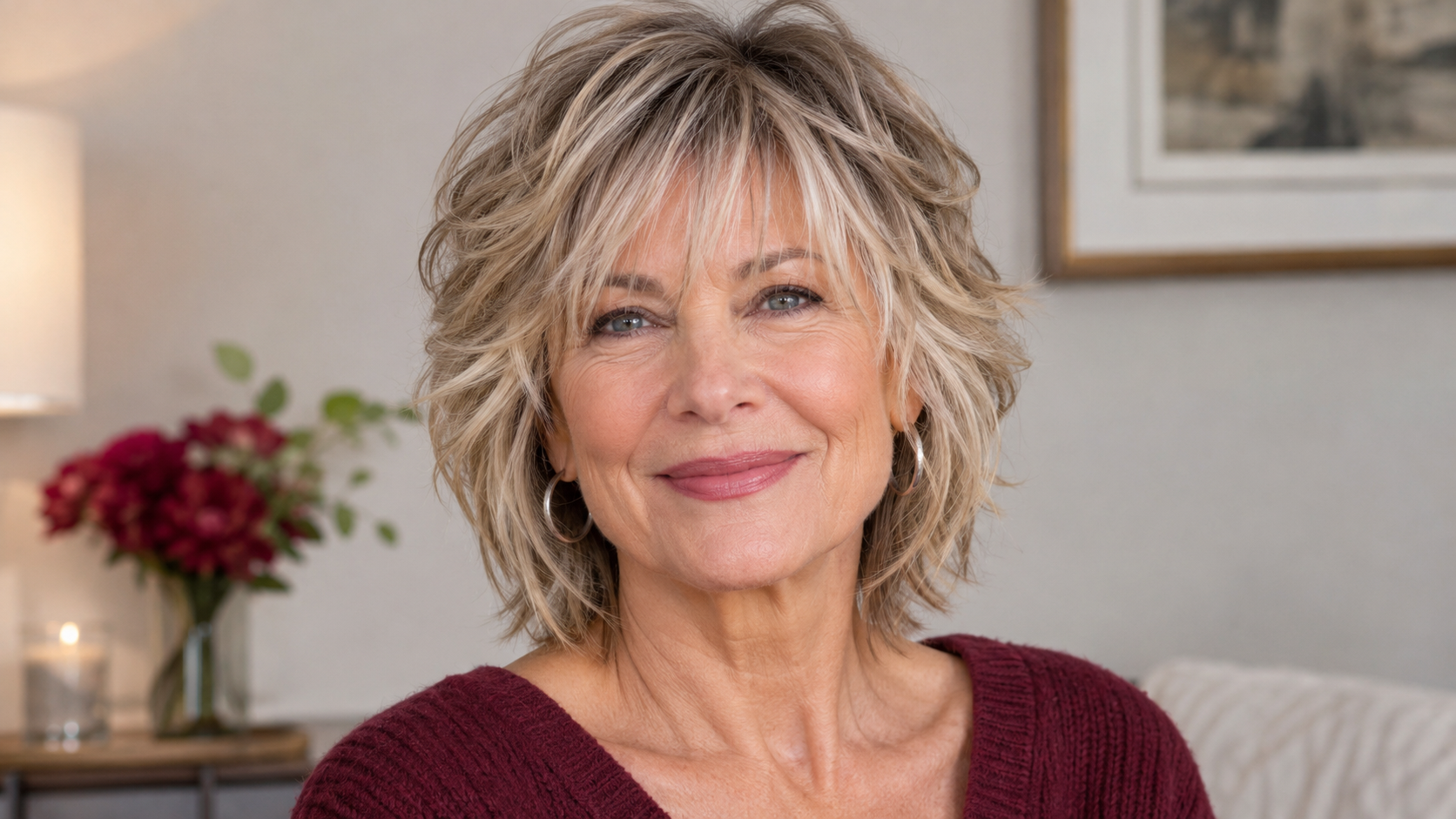
Soft fringe, fuller look
Wispy bangs draw attention to your eyes and help disguise a thinning hairline at the temples. They are light enough that fine hair does not look heavy at the front. Learn more in our guide to wispy bangs for fine hair. Best for: a receding or thin hairline.
Ask your stylist for: a shag with light, wispy bangs cut slightly longer than brow length.
Upkeep: Trim bangs every three to four weeks.
5. The Curtain-Bang Shag

Frame the face, fake the fullness
Curtain bangs part in the middle and sweep outward, creating width and softness around the face. They make fine hair look fuller at the front where it matters most in photos. Best for: oval and long faces.
Ask your stylist for: a medium-short shag with cheekbone-length curtain bangs.
Upkeep: Blow-dry the bangs first with a small round brush.
6. The Shaggy Pixie

Short, sassy and full of texture
The shaggy pixie is ideal for very fine or thinning hair because the short length removes weight entirely. Piecey layers on top create movement and fullness. For more short options, see these pixie cuts for fine hair. Best for: very fine hair and those who love low maintenance.
Ask your stylist for: a pixie with longer, textured layers on top and soft, tapered sides.
Upkeep: Trim every four to six weeks; finish with a light texture paste.
7. The Collarbone Shag with Long Layers

Length without the flatness
If you are not ready to go short, a collarbone shag with long layers keeps length while adding movement. Keep the layers long and few so the ends still look full. Best for: fine hair that is healthy enough to hold some length.
Ask your stylist for: a collarbone-length cut with long, face-framing layers and minimal layering at the back.
Upkeep: Trim every eight weeks to prevent ends from looking thin.
8. The Silver Feathered Shag
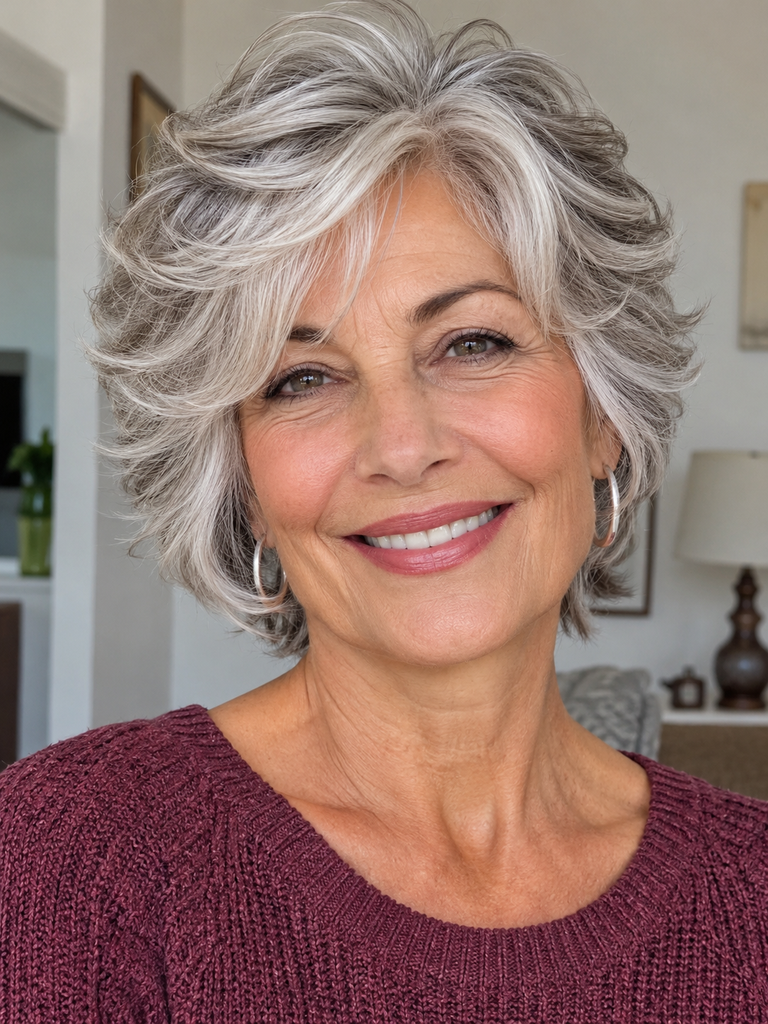
Soft feathers, silver shine
Feathered layers swept away from the face add volume and show off silver tones beautifully. The flicked-back shape makes fine hair look airy and full. Best for: gray or silver fine hair.
Ask your stylist for: feathered layers around the face and crown, swept back.
Upkeep: Use a purple shampoo weekly and a lightweight volumizer.
9. The Wavy-Texture Shag

Let your natural bend do the work
If your fine hair has a natural wave, a shag will enhance it. Waves add instant body, and the layers let them form without weighing them down. Best for: fine hair with a slight natural wave.
Ask your stylist for: a shag cut dry or with your natural texture in mind, with light layers.
Upkeep: Scrunch in a lightweight mousse and air-dry or diffuse.
10. The Side-Part Shag
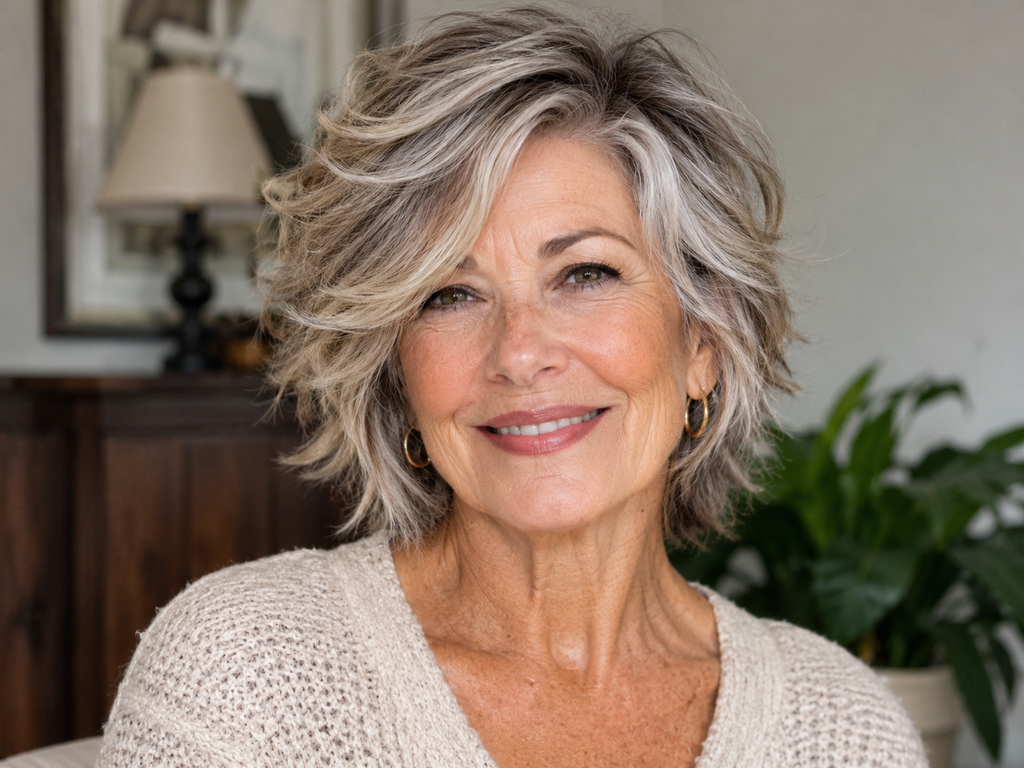
Instant root lift with one move
Switching to a deep side part is one of the quickest ways to add volume. In a shag, it creates lift at the root and a fuller look on one side. Best for: fine hair that lies flat with a center part.
Ask your stylist for: a shag designed around a deep side part, with side-swept front layers.
Upkeep: Flip your part occasionally to refresh the lift.
11. The Tousled Bixie Shag
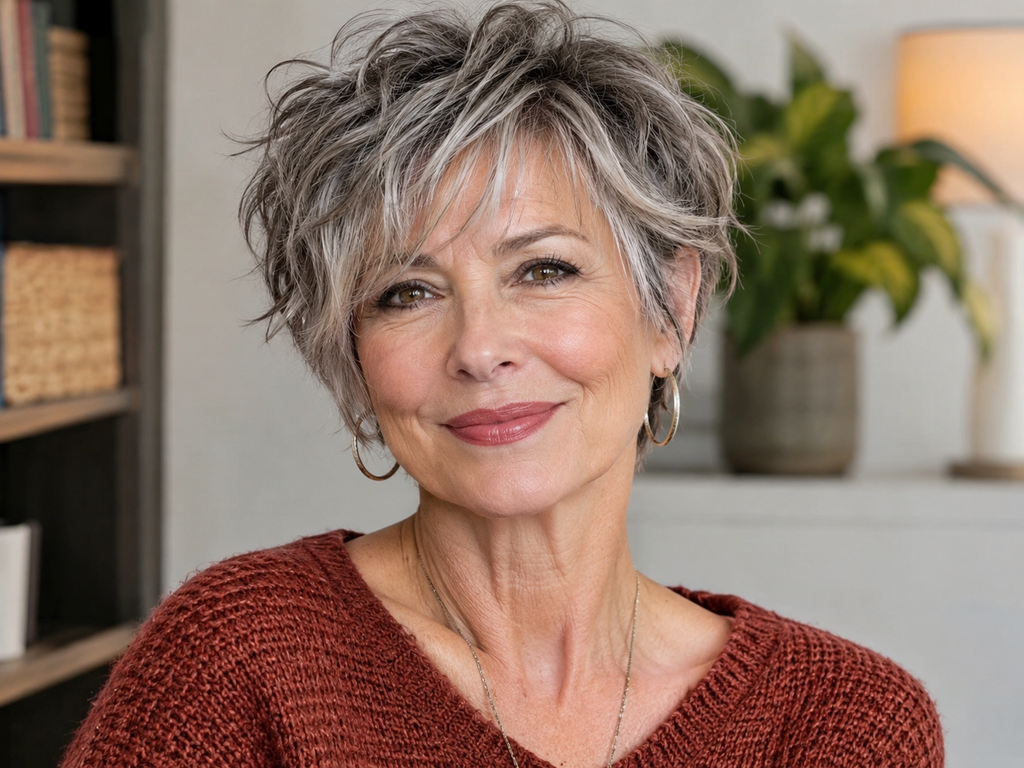
The best of bob and pixie
The bixie sits between a bob and a pixie, and with shaggy layers it is perfect for fine hair. It is short enough to stay lifted but long enough to tuck behind the ears. For more short-shag ideas, explore the short shag revolution. Best for: fine hair that wants a short but versatile cut.
Ask your stylist for: a bixie with tousled, choppy layers on top.
Upkeep: Trim every six weeks; finish with sea-salt spray.
12. The Dimensional-Color Shag
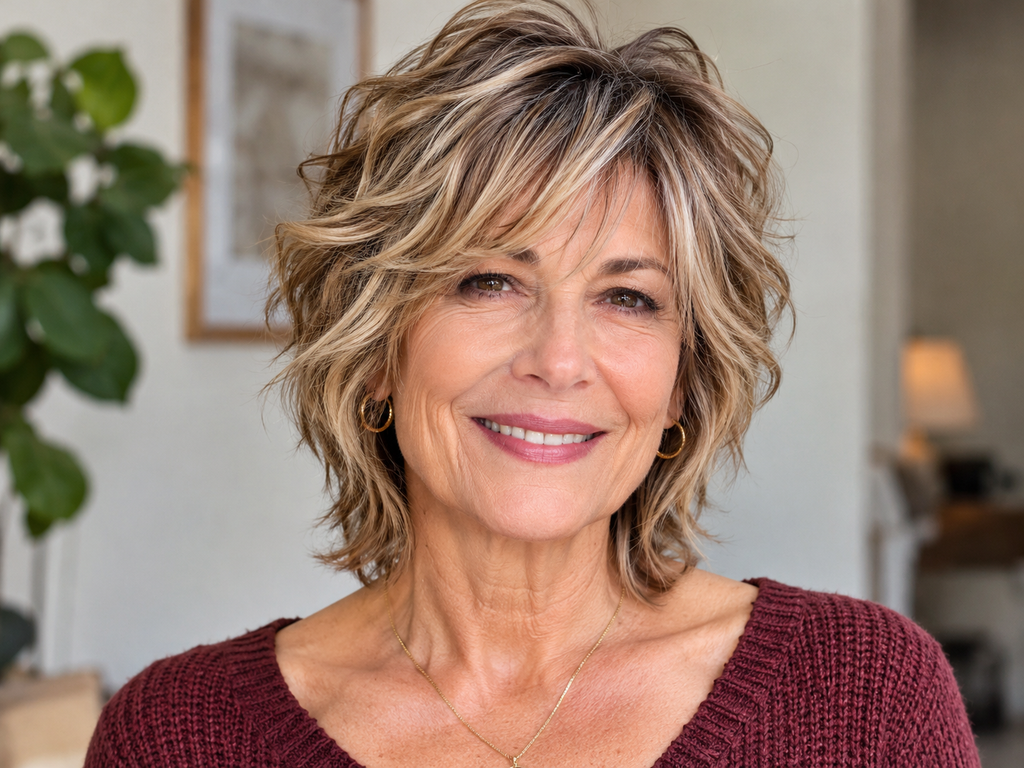
Color that creates depth
Soft highlights and lowlights add depth to fine hair, making it look thicker. Combined with shag layers, color helps every strand show up. Best for: fine hair that looks flat in a single shade.
Ask your stylist for: a shag plus fine babylights and a few lowlights for dimension.
Upkeep: Gloss every six to eight weeks to keep color fresh.
13. The Ear-Length Shag

Light, lifted and easy
An ear-length shag is light enough that fine hair stays lifted all day. Soft layers around the ears and nape add texture and keep it feminine. Best for: fine hair that gets weighed down easily.
Ask your stylist for: an ear-length shag with soft layers and a slightly longer front.
Upkeep: Trim every five to six weeks.
14. The Low-Fuss Wash-and-Go Shag
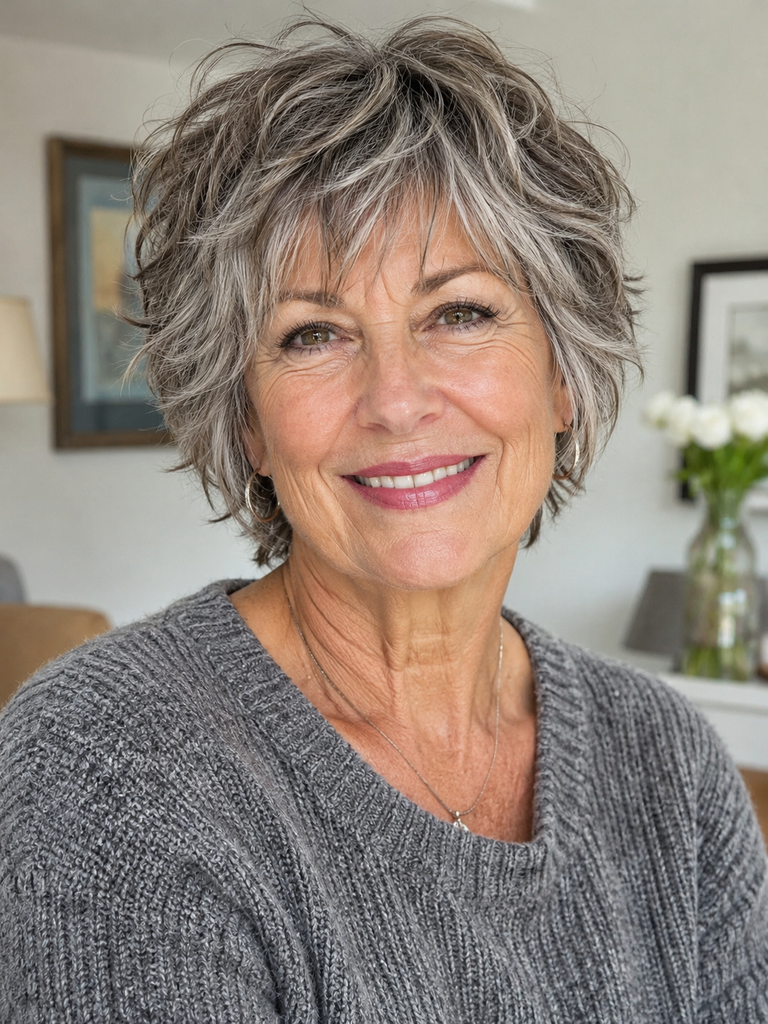
Shake, dry and go
This shag is cut to fall into place naturally, so you can air-dry, scrunch and go. It is perfect if you want volume without daily blow-drying. Best for: busy women who want an easy routine.
Ask your stylist for: a low-maintenance shag cut to your natural texture and part.
Upkeep: Use a lightweight leave-in and a little dry shampoo at the roots between washes.
How to Style a Shag on Fine Thin Hair
Start with a volumizing shampoo and a lightweight conditioner applied only to the ends. On damp hair, apply mousse or root-lift spray at the roots. Blow-dry upside down or lift sections with a round brush, focusing on the crown. Finish with a light texture spray, scrunching gently to define the layers.
Avoid heavy creams, oils and waxes that weigh fine hair down. A little dry shampoo at the roots adds grip and lift even on freshly washed hair. For more volume-boosting ideas, see these hairstyles for thin fine hair.
Maintenance and Care
Book trims every six to eight weeks to keep the shape and the ends full. Ask your stylist to avoid thinning shears and heavy razoring. Protect your hair from heat with a lightweight protectant, and be gentle when brushing wet hair, since fine strands break easily.
Frequently Asked Questions
Will a shag make my thin hair look thinner?
Not if it is cut correctly. Ask for fewer, longer layers and blunt ends. Heavy layering is what makes fine hair look sparse.
What length shag is best for fine thin hair?
Short to chin-length shags usually look fullest, since shorter hair has less weight pulling the roots flat.
Can I wear a shag with gray fine hair?
Yes. A shag adds texture and shows off silver tones beautifully.
Do I need bangs with a shag?
No, but wispy or curtain bangs can disguise a thinning hairline and add fullness at the front.
How do I keep volume all day?
Use root-lift products, blow-dry the crown upward and refresh with dry shampoo in the afternoon.
Conclusion
Fine, thin hair over 60 does not have to mean flat hair. The right shag—with lifted crown layers, blunt ends and a little texture—creates movement and fullness that looks effortless.
Whether you choose a short blunt shag, a shaggy bob, a pixie or a collarbone cut with long layers, the key is a gentle approach that keeps weight where you need it and adds lift where you want it.
Take this guide to your stylist, choose the shag that suits your lifestyle and enjoy hair that looks fuller, fresher and full of life.

Leave a Reply