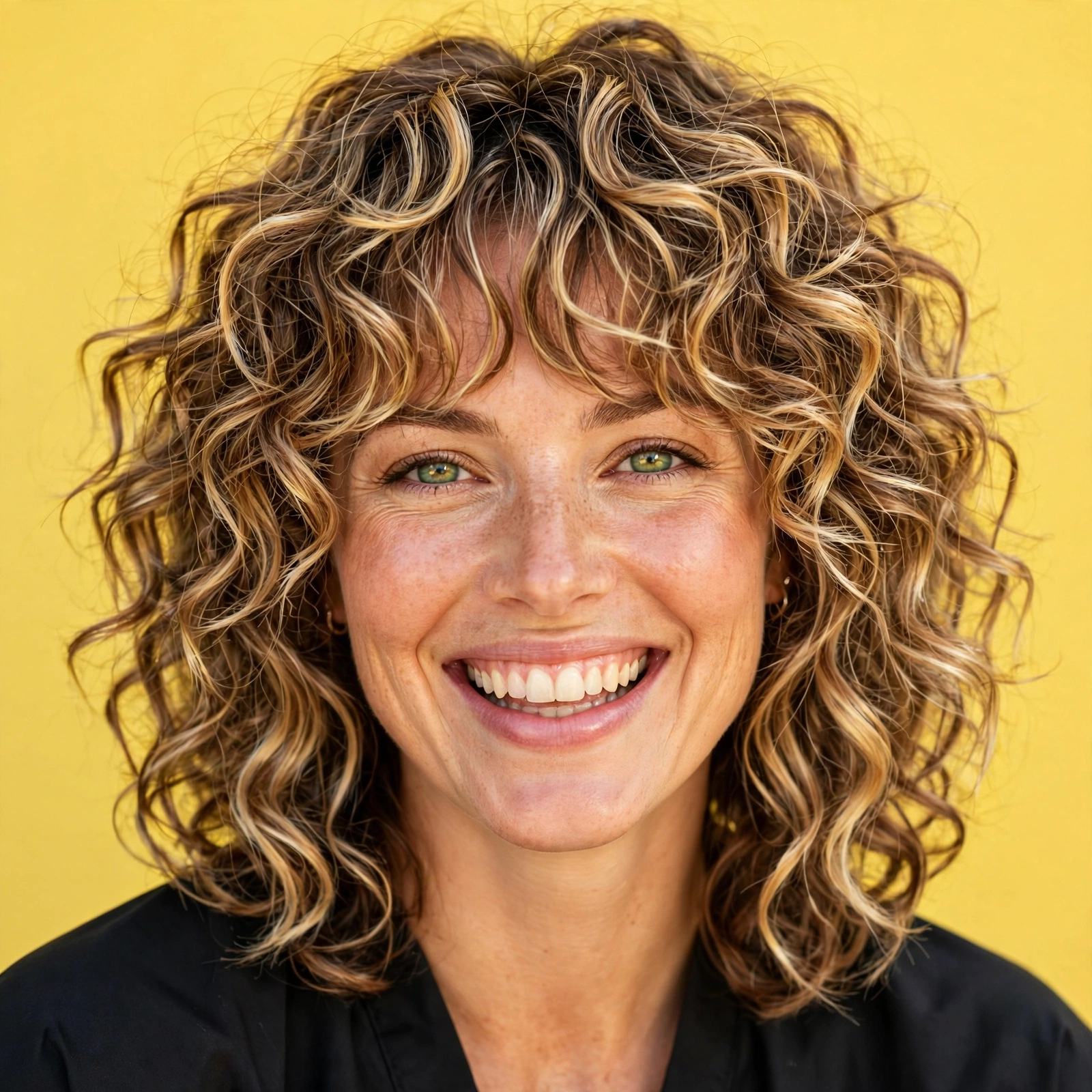
If you’ve ever looked in the mirror and wondered why your curls seem to have a life of their own—and not always in a good way—you’re not alone. The dreaded “triangle head” or pyramid shape is a struggle that far too many curly-haired people know all too well. Enter the shag haircut: a style that’s been around since the 1970s but has recently exploded back onto the scene as the ultimate solution for natural texture .
The shag is built on a simple but revolutionary premise: instead of fighting your curls, it celebrates them. With its strategic layers, choppy ends, and face-framing pieces, the shag removes weight where curls don’t need it and adds volume where they do . The result? Bouncy, defined curls that actually look like they want to be there.
Whether you have loose waves, springy ringlets, or tight coils, there’s a shag out there with your name on it. This guide will walk you through everything you need to know—from why the shag works so brilliantly for curly hair, to 16 specific variations you can try, to how to style and maintain your new cut.
Why the Shag Haircut Is a Game-Changer for Curly Hair
It breaks the triangle. This is the big one. When curls are cut uniformly, they tend to stack up at the bottom, creating that unflattering pyramid shape. The shag’s layered structure distributes volume evenly, giving you lift at the crown and movement through the ends .
It embraces your natural texture. The shag isn’t about sleek perfection—it’s about the “perfectly undone” look. Those piecey, textured ends encourage curls to clump together naturally rather than fighting against each other .
It’s surprisingly low-maintenance. Because the cut already does the heavy lifting, most days are a simple wash, product application, and go. No hours of styling required .
It works across curl types. From 2A waves to 4C coils, the shag can be adapted to suit any texture. The key is matching the layering to your specific curl pattern .
It adds serious volume. Short layers at the crown create lift and body, making fine or thin curly hair look fuller and more dynamic .
Key Features of a Great Curly Shag
Before you head to the salon, it helps to understand what makes a shag work for curls:
- Strategic layering: Not just any layers—these need to remove weight in the right places to let curls spring up
- Textured ends: Choppy, feathered ends prevent that blunt, heavy look that weighs curls down
- Crown lift: Shorter pieces at the top create height and bounce
- Face-framing pieces: Whether bangs or longer layers, these soften your features and add versatility
- Cutting technique: Many stylists recommend cutting curly hair dry—this way, they can see exactly how each curl springs up and adjust accordingly
16 Curly Shag Variations to Try
1. The Classic Curly Shag
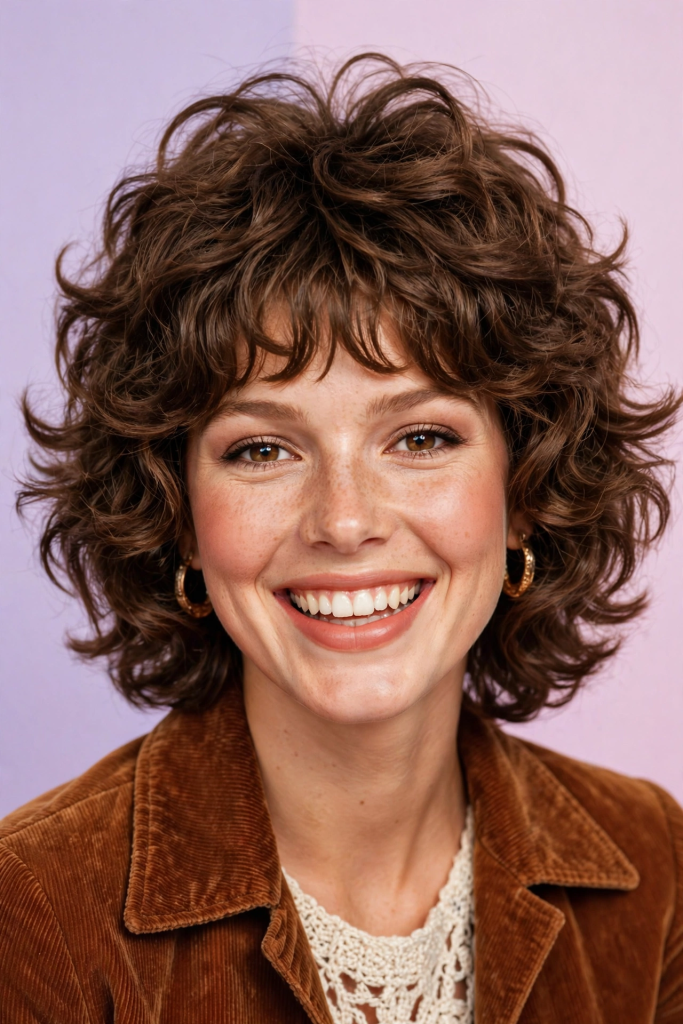
The original and still a favorite. Short layers at the crown, choppy ends throughout, and usually some kind of fringe. It’s got that retro 70s vibe that never really goes out of style. Best for medium to thick hair textures .
2. Curly Shag Lob (Shoulder-Length)
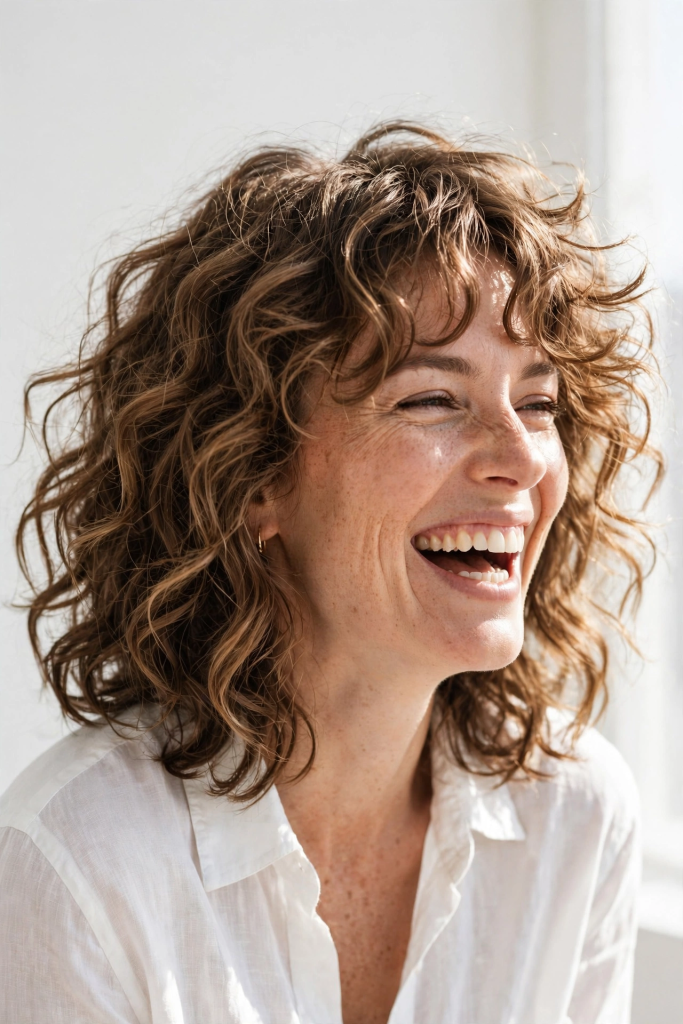
Sitting right at or just above the shoulders, this length gives curls enough weight to hold their shape without going pyramid. Add choppy layers through the mid-lengths, and you’ve got movement and shape in one cut. One of the easier lengths to air-dry .
3. Short Curly Shag
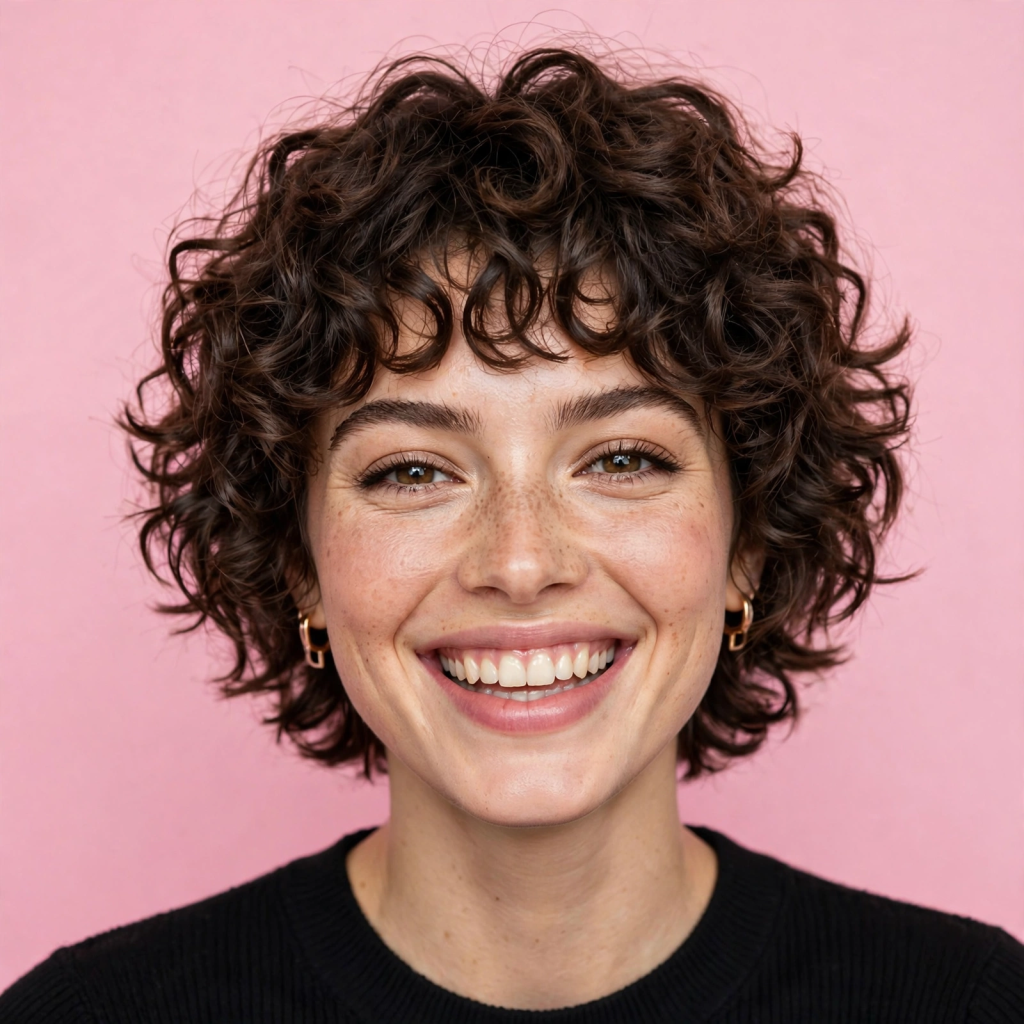
Think chin-length or just above. A shorter shag works brilliantly for tighter textures, making curls look full without being heavy. The short layers at the top create lift and definition while the choppy ends keep things from looking too structured .
4. Shag with Curtain Bangs
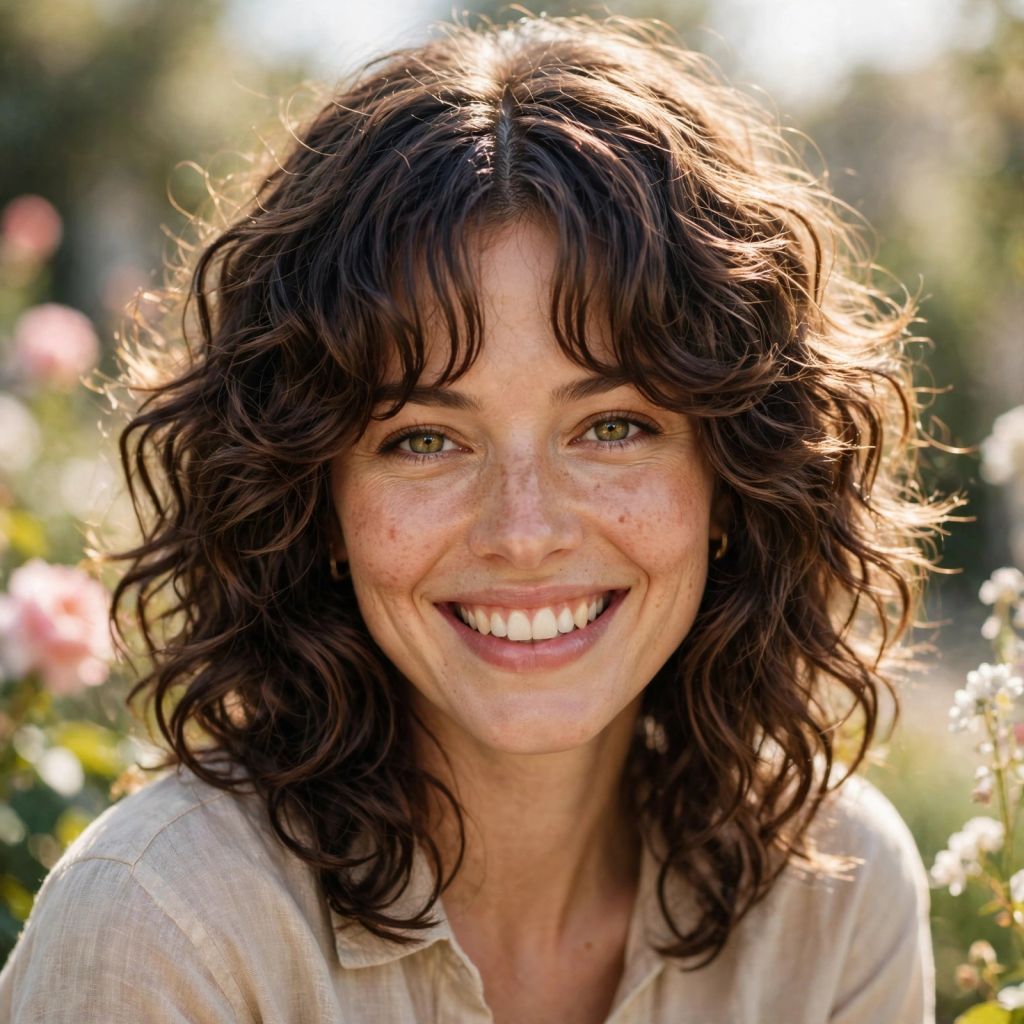
If you’ve been considering a fringe but don’t want anything too committed, curtain bangs are your middle ground. They frame the face softly and split naturally at a centered part—very forgiving on curly hair. Particularly flattering for round or square face shapes as they help elongate features .
5. Modern Shag with Face-Framing Layers
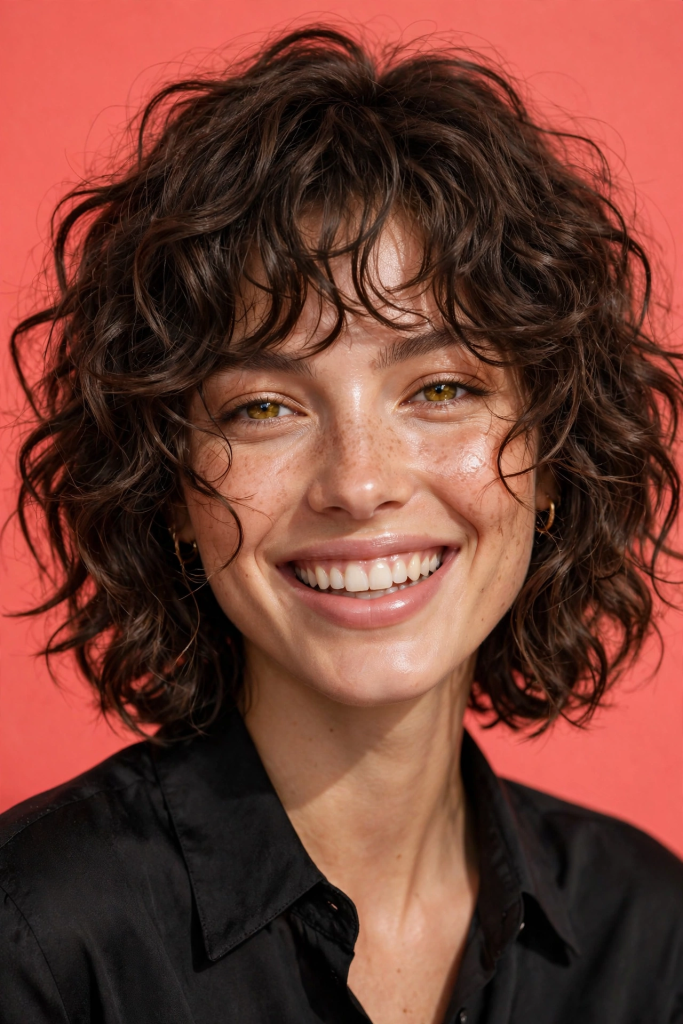
Less about heavy blunt fringe and more about subtle layers that draw attention to your features. Shorter pieces around the face create that wispy, soft border that flatters almost every face shape. Great if you want the shag look without committing to a full fringe .
6. Medium-Length Shag with Layers
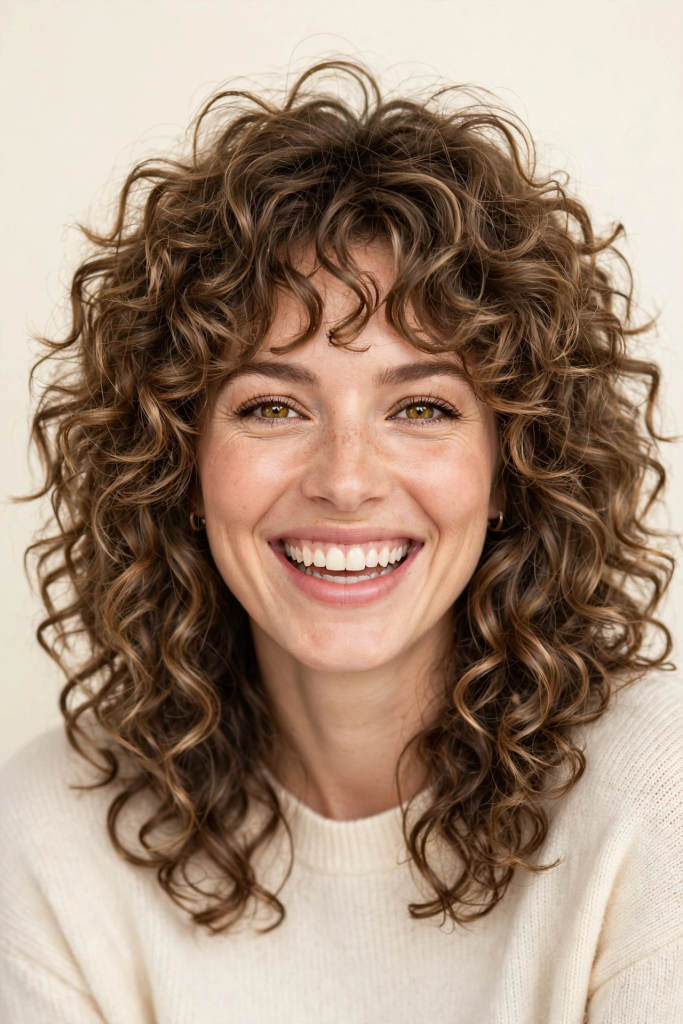
Probably the most versatile option. It gives you enough length to show off your curl definition while the layered structure stops the shape from going boxy. Works across most hair types, from loose waves to tighter coils .
7. Curly Wolf Cut
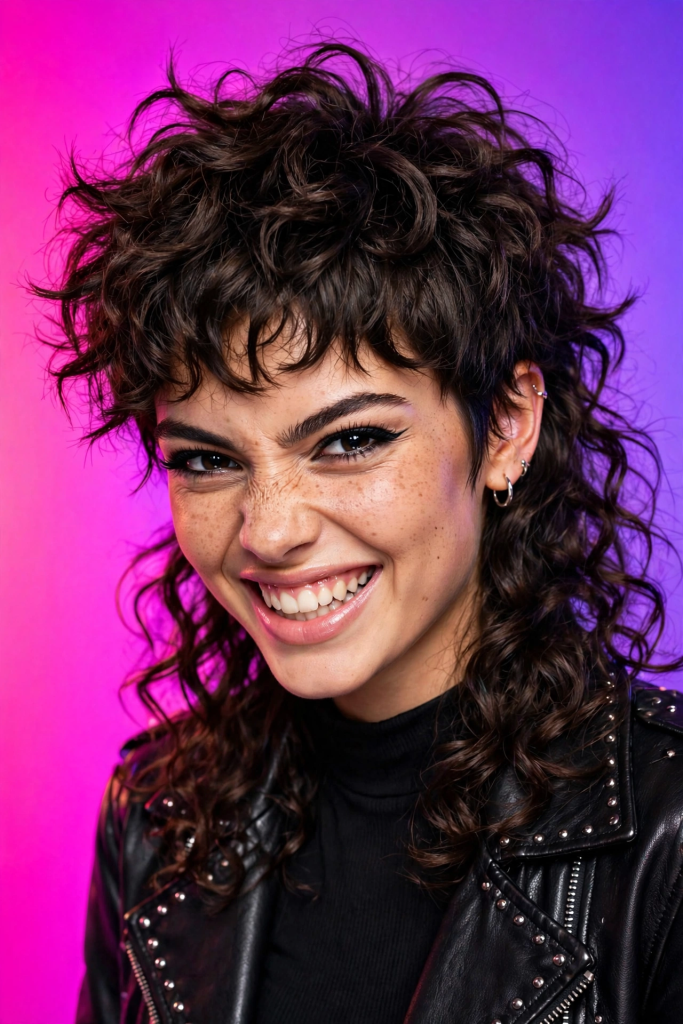
The wolf cut is a length shag style: longer through the back with shorter, more dramatic layers at the crown and front. It borrows a bit from the mullet but ends up looking more rock-and-roll than retro. On curly hair, the contrast creates a wild, high-volume shape .
8. Soft Curly Shag (Wavy Hair-Friendly)

If your hair sits somewhere between wavy and curly (the 2A to 2C range), a soft shag with gentler layering tends to work better than dramatic contrast cuts. Light choppy layers through the mid-lengths and a soft fringe keep the style relaxed and beachy .
9. Curly Shag with Highlights
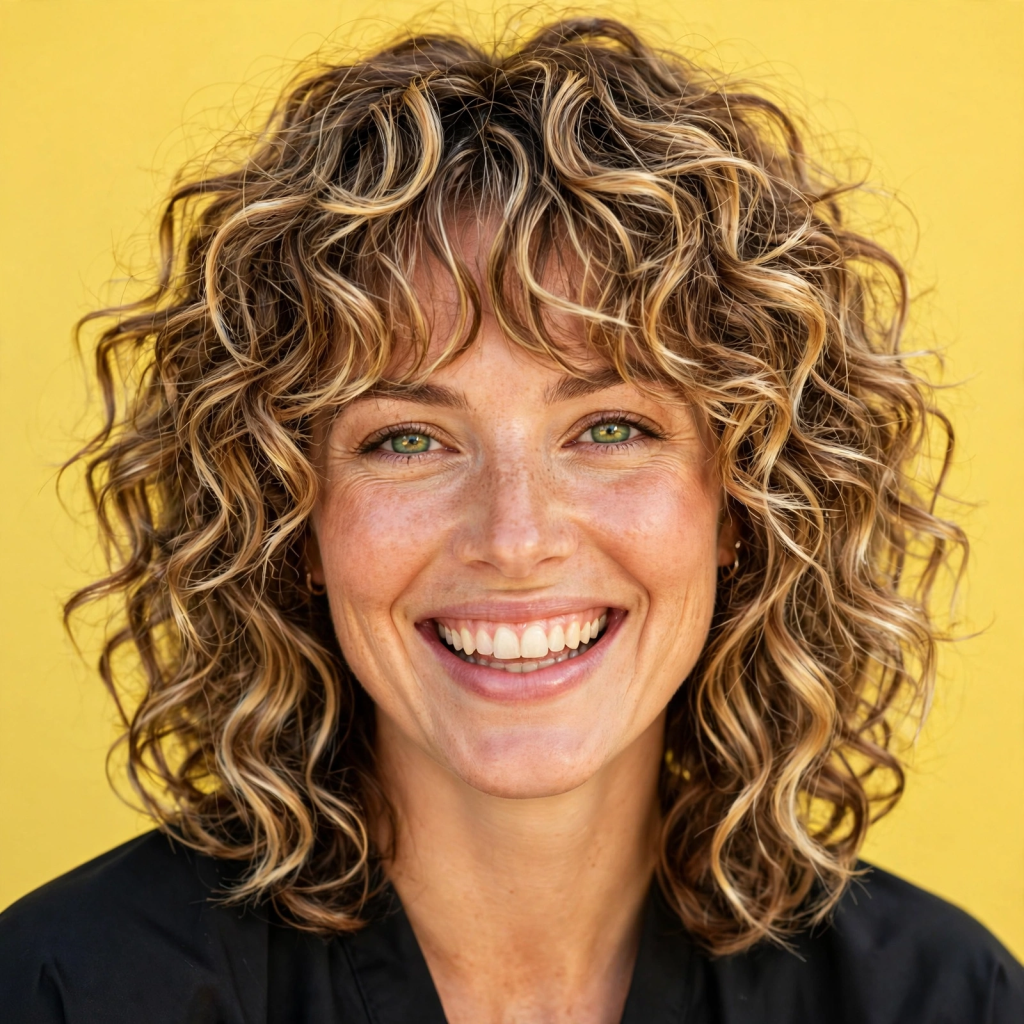
Adding highlights—especially through the ends and face-framing layers—makes the layers pop visually. The contrast between lighter ends and darker roots gives the cut more dimension and makes the texture look intentional rather than just full .
10. Curly Shag with Undercut
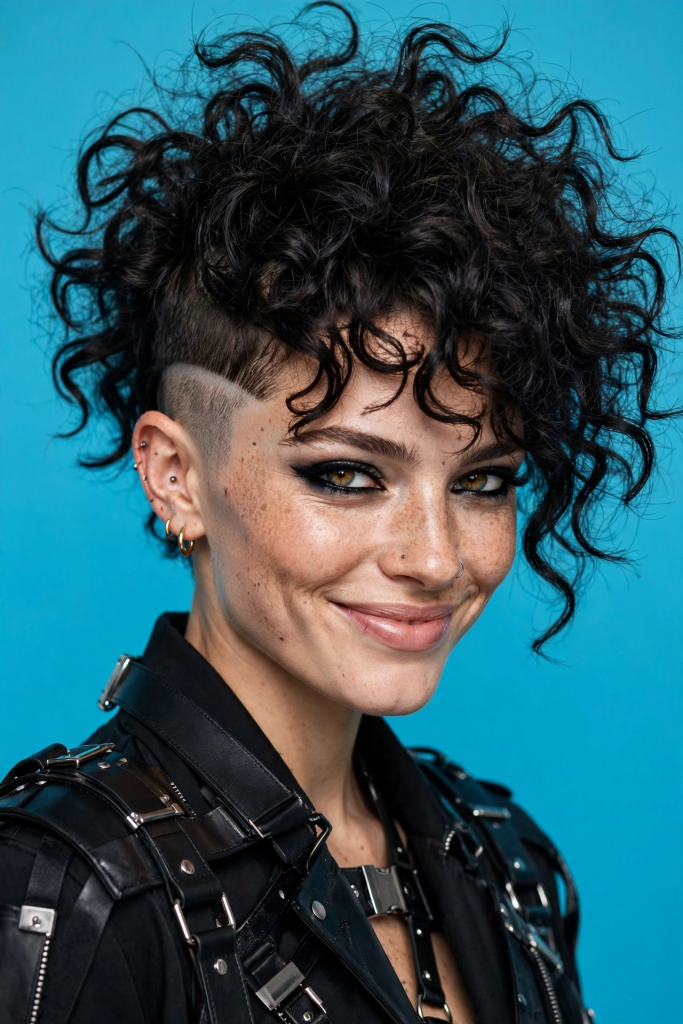
An undercut shag features shorter sides and back with longer, fuller layers on top. This creates dramatic contrast and maximum volume at the crown. It also makes styling easier because you have less hair to manage overall. Works well for very thick or dense curls .
11. Long Curly Shag
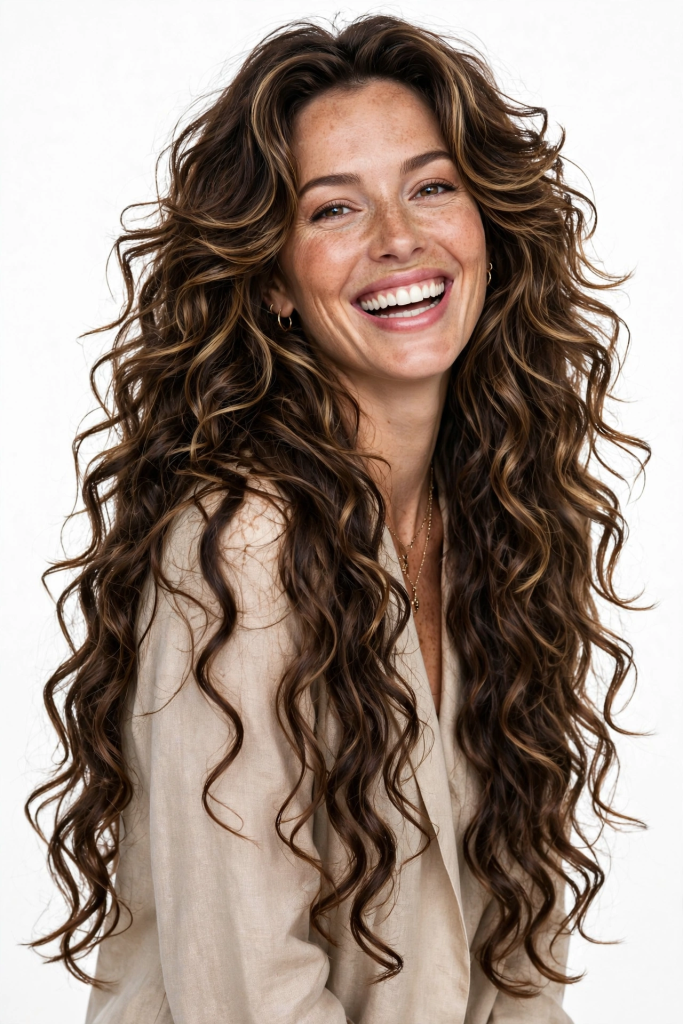
Keep most of your length while adding layers for shape and dimension. The cut removes weight strategically rather than cutting everything short. Layers in long hair create flow and prevent the bottom from looking blunt or heavy. Perfect for people who love their long curls but want more movement .
12. Bold and Bouncy Shag

This version emphasizes volume and movement with more pronounced layers creating distinct separation between curl sections. Best for naturally thick or medium-density curls. The layering prevents the hair from looking too heavy or flat .
13. Messy Curly Shag
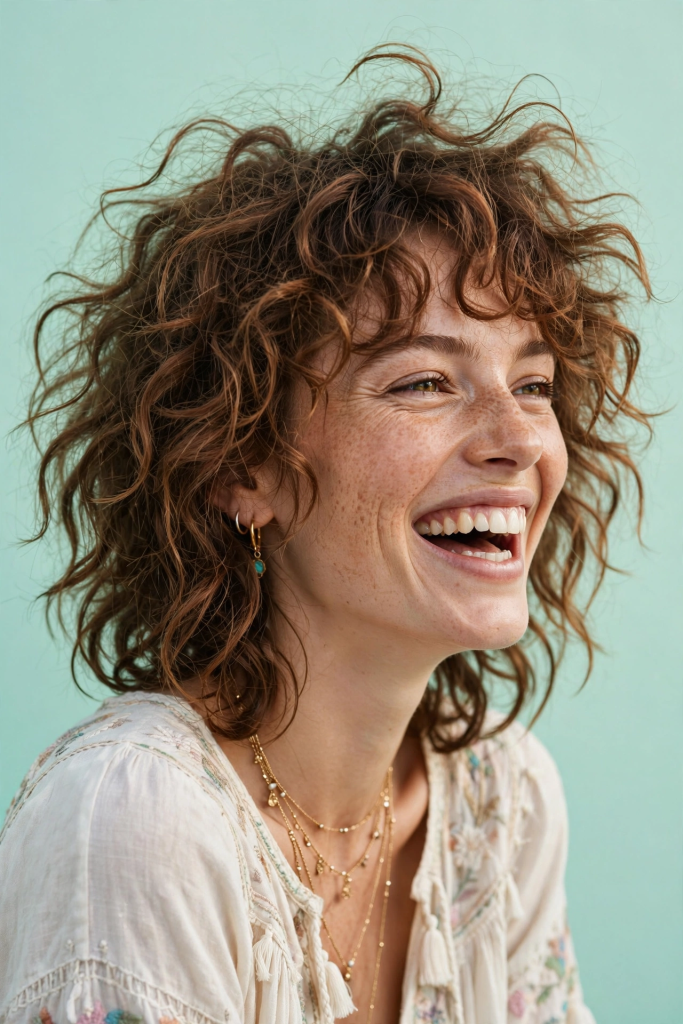
Celebrates the natural, undone aesthetic with choppy layers and intentionally loose styling. Perfect if you love the effortless vibe and don’t want to spend time perfecting your curls. A little frizz adds to the charm here—this cut is forgiving .
14. Curly Shag with Defined Ends
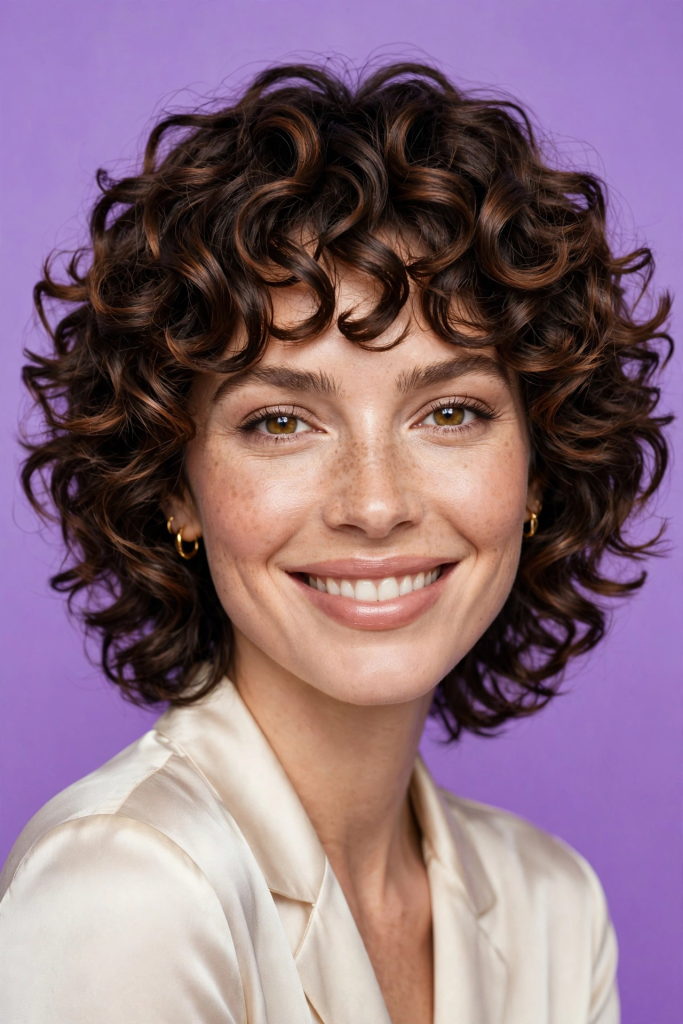
The opposite of the messy shag. Your stylist uses specific cutting techniques to create clean lines and sharp separation between curl sections. This approach works well if you like a more put-together aesthetic .
15. Romantic Curly Shag
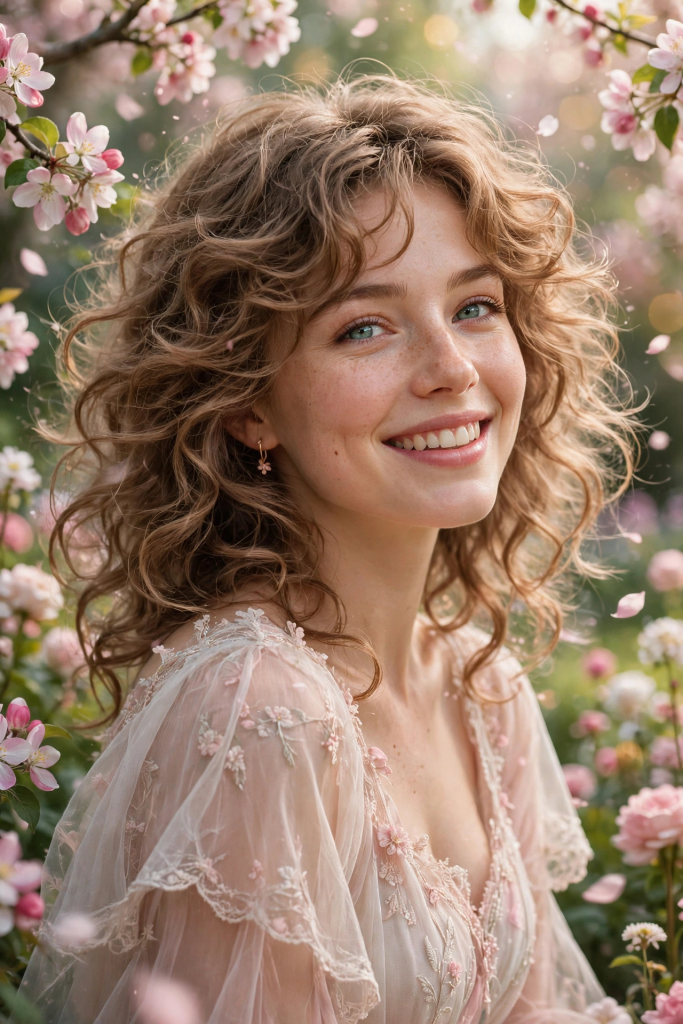
Emphasizes softness and femininity with gentle, flowing layers rather than choppy ones. The overall effect is dreamy and ethereal. Styling often involves enhancing natural waves or curls with products that create shine and definition .
16. Edgy Curly Shag
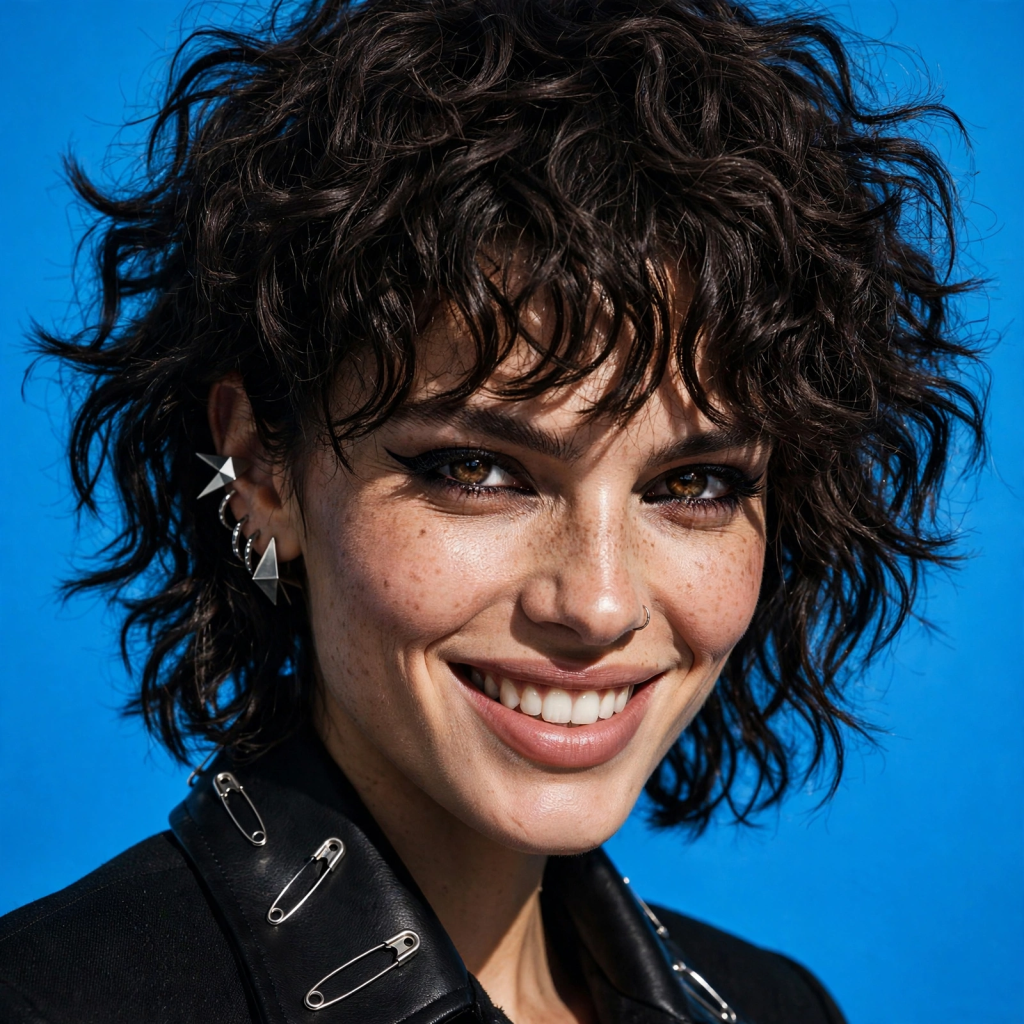
Bold and statement-making with choppy, pronounced layers. Often pairs well with undercuts, bold colors, or unconventional styling. For people who love fashion-forward looks and aren’t afraid to stand out .
How to Style Your Curly Shag
Start with soaking-wet hair. Most curly hair absorbs product best when it’s fully saturated. Apply your leave-in conditioner and curl cream while your hair is still dripping wet .
Use the right products. Lightweight mousses or foams add volume without weighing hair down. Curl-defining gels provide hold and frizz control. Sea salt sprays add beachy texture but use sparingly as they can be drying .
Scrunch, don’t rub. Use a microfiber towel or cotton t-shirt to scrunch your hair gently. Rubbing with a regular towel causes frizz .
Master the “flip and fluff.” After applying products, flip your hair to one side and scrunch upwards. Then flip to the other side and repeat. This creates even volume and definition. Once hair is about 80% dry, gently fluff the roots with your fingers or a pick .
Diffuse for extra volume. If air-drying isn’t giving you enough definition, a diffuser on low heat and low speed can be your best friend. Pixie diffusing—hovering the diffuser over sections instead of blasting it directly—helps define curls without disrupting the shag’s layers .
Refresh between washes. Spritz your hair with water or a curl refresher spray to revive curls and add moisture .
Maintenance Tips
Regular trims are non-negotiable. A shag depends on its layers. Plan a shaping trim every 8 to 12 weeks to keep the shape fresh .
Hydrate, hydrate, hydrate. Curly hair is prone to dryness. Use a deep conditioning treatment once a week and seal in moisture with a leave-in conditioner or oil .
Protect your curls at night. Sleep on a silk or satin pillowcase to preserve your curl pattern and reduce frizz. The pineapple method (gathering hair into a high ponytail with a scrunchie) also helps maintain volume overnight .
Avoid heavy products. Thick creams and heavy oils can weigh down the layers and flatten your curls. Stick with lightweight formulas designed for curly hair .
What to Ask Your Stylist
Bring reference photos—lots of them. “Shag” means different things to different stylists. Show 2–3 examples of what you like .
Be specific about your curl pattern and face shape. This helps your stylist customize the cut to suit you .
Ask them to cut your curls dry. This way, they can see exactly how each curl springs up and avoid unpleasant surprises when your hair dries .
Discuss shrinkage. Curly hair can spring up dramatically when dry. A shag that looks perfect wet could end up much shorter than expected .
Who Should (and Shouldn’t) Get a Curly Shag
You’re a great candidate if:
- You have natural texture and want to enhance it
- You’re tired of fighting your curls into submission
- You want a low-maintenance style
- You love volume and movement
- You’re willing to commit to regular trims
You might want to reconsider if:
- You prefer sleek, polished, perfectly styled hair
- You have very fine, straight hair that lacks natural texture
- You hate layered, “messy” looks
- You can’t commit to regular salon visits
Conclusion
The curly shag isn’t just a haircut—it’s a permission slip. A permission slip to stop fighting your natural texture, to embrace the volume and bounce that curls naturally have, and to walk out the door with a style that says “I woke up like this” (even if you spent a solid 15 minutes scrunching).
Whether you go for the classic 70s-inspired look, a modern wolf cut, or a soft, romantic version, the shag adapts to you rather than asking you to adapt to it. That’s the beauty of it.
So if you’re tired of the triangle, tired of fighting your curls, and ready for a style that actually works with your texture—the shag is calling your name. Just make sure you find a stylist who knows their way around curls, bring your reference photos, and prepare to fall in love with your hair all over again.
Your curls deserve to be celebrated. The shag is how you do it.

Leave a Reply