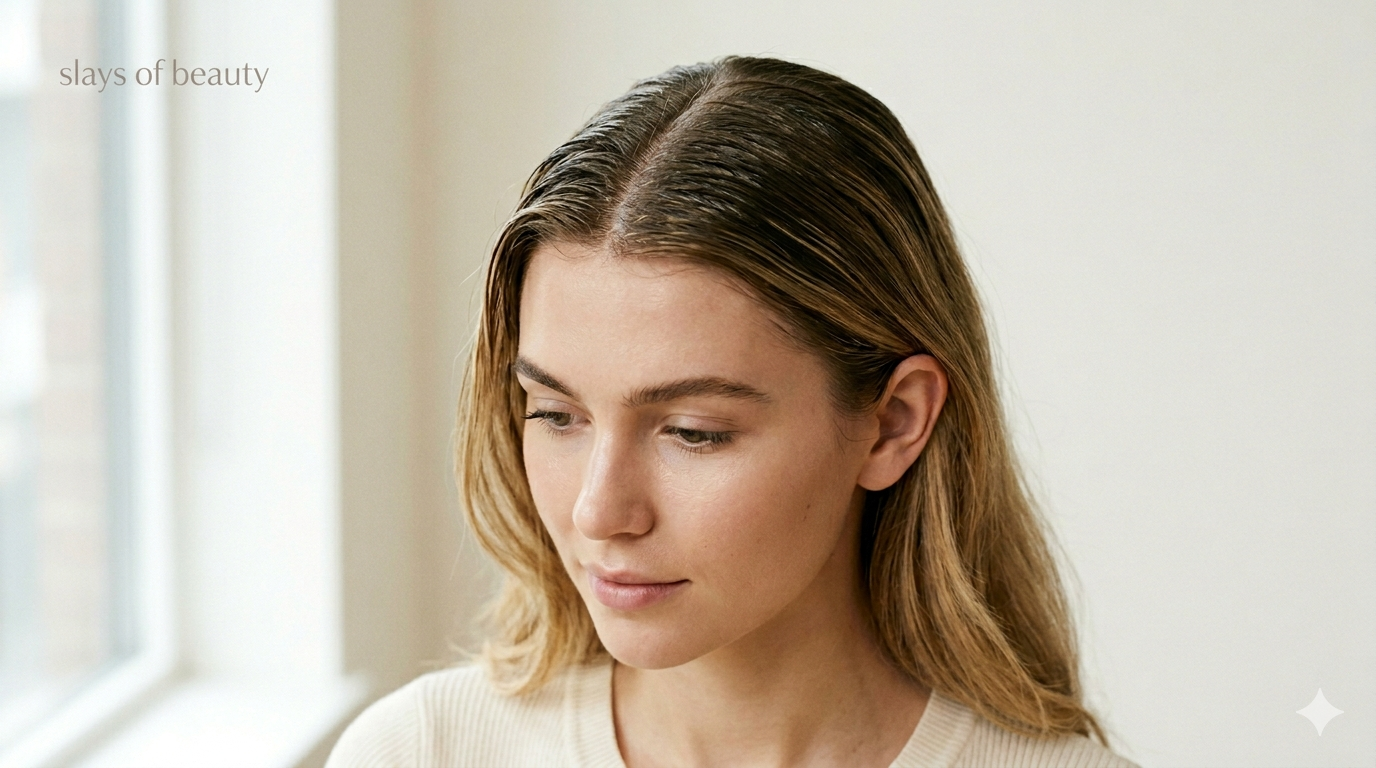
If you find yourself reaching for dry shampoo just hours after washing, you’re not alone. An oily scalp is one of the most common hair concerns, yet it is frequently misunderstood. While many people assume that greasy roots are the result of poor hygiene, the reality is more nuanced. Your scalp produces natural oils, called sebum, which are essential for healthy hair. Problems arise when oil production becomes excessive or uneven, leading to limp, greasy-looking hair that seems impossible to manage. Understanding the reasons behind an oily scalp and how to balance it is the first step toward healthier, fresher hair.
Why Your Scalp Produces Oil
Sebum is secreted by sebaceous glands located on your scalp. This natural oil plays a critical role in keeping your hair and scalp hydrated, protecting against dryness, and maintaining the hair’s natural sheen. A small amount of oil is necessary, but excessive sebum can make your hair look flat and greasy. Several factors influence sebum production, including genetics, hormonal fluctuations, diet, stress, and hair care practices. Understanding these factors helps you identify why your scalp may be overproducing oil and what steps to take to restore balance.
you might love; Scalp Buildup: What It Is and How to Prevent It.
Common Causes of an Oily Scalp
1. Overwashing
It may seem counterintuitive, but washing your hair too frequently can actually worsen oiliness. When you strip your scalp of natural oils repeatedly, your sebaceous glands respond by producing more oil to compensate. Daily shampooing, especially with harsh or sulfated shampoos, can create a cycle of overproduction, leaving you with greasy roots just hours after washing.
2. Heavy Products
Thick creams, styling oils, and silicone-heavy hair products can accumulate on the scalp, creating a greasy appearance. While these products are beneficial for hydration or styling, they can easily weigh down hair and exacerbate oiliness if applied too close to the roots. Choosing lightweight, non-comedogenic products helps prevent buildup and keeps your scalp from feeling overwhelmed.
3. Touching Your Hair Frequently
Constantly running your fingers through your hair or adjusting it throughout the day transfers oils and sweat from your hands to your scalp and hair strands. Even clean hands carry natural oils, and repeated contact can make your roots appear oily faster. Minimizing hair touching can significantly improve the look and longevity of a fresh wash.
4. Hormonal Changes
Hormones have a powerful influence on oil production. Fluctuations caused by puberty, menstrual cycles, pregnancy, or certain medications can increase sebum secretion, leading to an oily scalp. Understanding your body’s hormonal patterns can help you anticipate periods when your hair may feel greasier and adjust your routine accordingly.
5. Diet and Lifestyle Factors
While less direct, your diet and lifestyle also impact scalp health. High-glycemic foods, excessive sugar, and processed foods can influence oil production. Stress triggers hormonal responses that can increase sebum output, while dehydration can paradoxically signal your body to produce more oil to compensate for lack of moisture. Maintaining a balanced diet, staying hydrated, and managing stress can help keep your scalp oil in check.
Signs of an Oily Scalp
Identifying the symptoms of an oily scalp is key to addressing the problem effectively. Common signs include:
- Greasy roots within a day: Hair that becomes slick or shiny shortly after washing is a clear indicator of excess oil.
- Flat, limp hair: Excess sebum weighs down hair strands, causing them to lose volume and bounce.
- Frequent need to wash: If you feel the urge to wash your hair daily to maintain a clean appearance, your scalp may be producing more oil than necessary.
Understanding these signs allows you to adapt your hair care routine rather than relying solely on frequent washing, which can worsen the issue.
How to Balance an Oily Scalp
Managing an oily scalp is not about eliminating oil completely but finding a balance that keeps hair healthy and fresh.
1. Use Lightweight Products
Choose shampoos, conditioners, and styling products formulated for oily or fine hair. Look for ingredients like tea tree oil, salicylic acid, or lightweight hydrating agents that cleanse without stripping the scalp. Avoid heavy oils, waxes, or silicone-laden products that accumulate on the scalp and exacerbate greasiness.
2. Wash Gently, Not Aggressively
Aggressive scrubbing can overstimulate sebaceous glands. Use lukewarm water and gently massage the scalp while shampooing. Focus on the roots rather than the ends to remove excess oil without over-drying hair. Rinse thoroughly to ensure no residue is left behind, which can weigh hair down.
3. Avoid Overhandling Hair
Frequent touching, brushing, or styling can transfer oils from your fingers and scalp, increasing greasiness. Try to limit contact and use wide-tooth combs or brushes to detangle hair gently. Let your scalp regulate oil naturally instead of constantly interfering.
4. Alternate Shampoo Types
Consider alternating between a regular gentle shampoo and a clarifying shampoo once a week. Clarifying shampoos remove product buildup and excess oil, while regular shampoos maintain hydration and prevent over-drying. This combination helps maintain oil balance without triggering overproduction.
5. Mind Your Diet and Stress
Eating a balanced diet rich in omega-3 fatty acids, lean proteins, and fresh vegetables can improve scalp health. Stress management techniques, including meditation, exercise, or deep breathing, can reduce hormonal triggers for excessive oil production.
6. Timing and Routine
Shifting washing schedules can also help. Some people benefit from washing hair every other day instead of daily. Experiment with timing and observe how your scalp responds. Over time, your scalp can adapt to a healthier oil production cycle.
Conclusion
An oily scalp is a natural condition that requires understanding rather than aggressive intervention. By using the right products, washing gently, minimizing hair touching, and supporting overall health through diet and stress management, you can achieve balanced oil production. The goal is to maintain a scalp that is nourished but not overloaded, and hair that is fresh, voluminous, and manageable.
Adopting these strategies allows you to control greasiness without harming your scalp’s natural protective barrier. Remember, an oily scalp is not your enemy—it’s your body’s way of keeping your hair healthy. With a thoughtful approach, you can manage it effectively and enjoy hair that looks its best every day.
Next Steps: Develop a consistent scalp care routine, track results, and adjust products as needed. Over time, your scalp will find its natural balance, and greasy roots will become less of a problem.
Leave a Reply