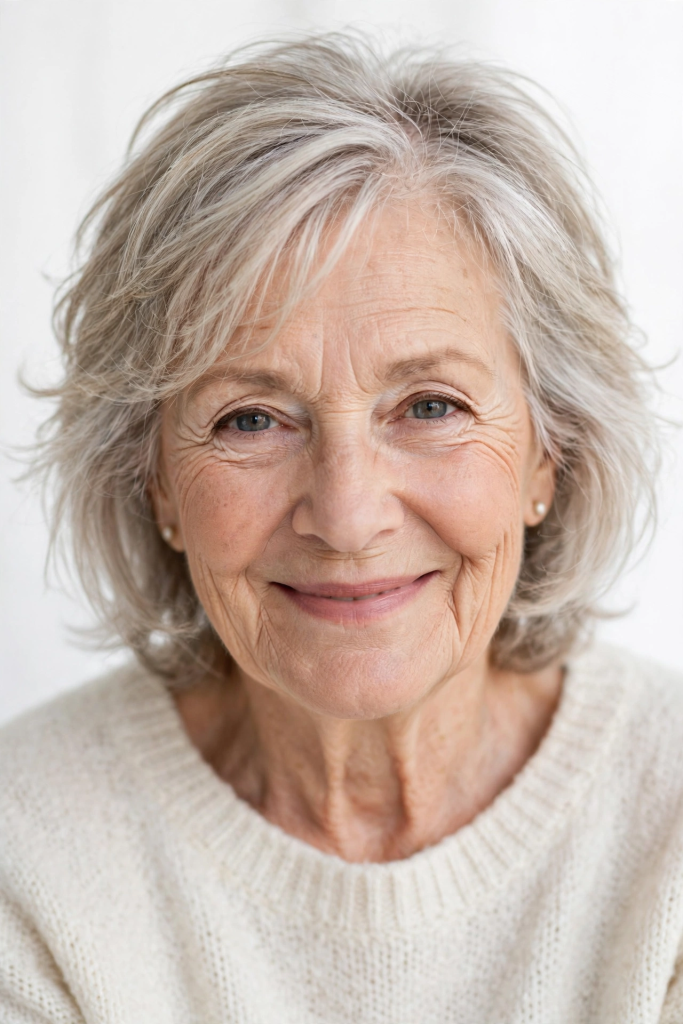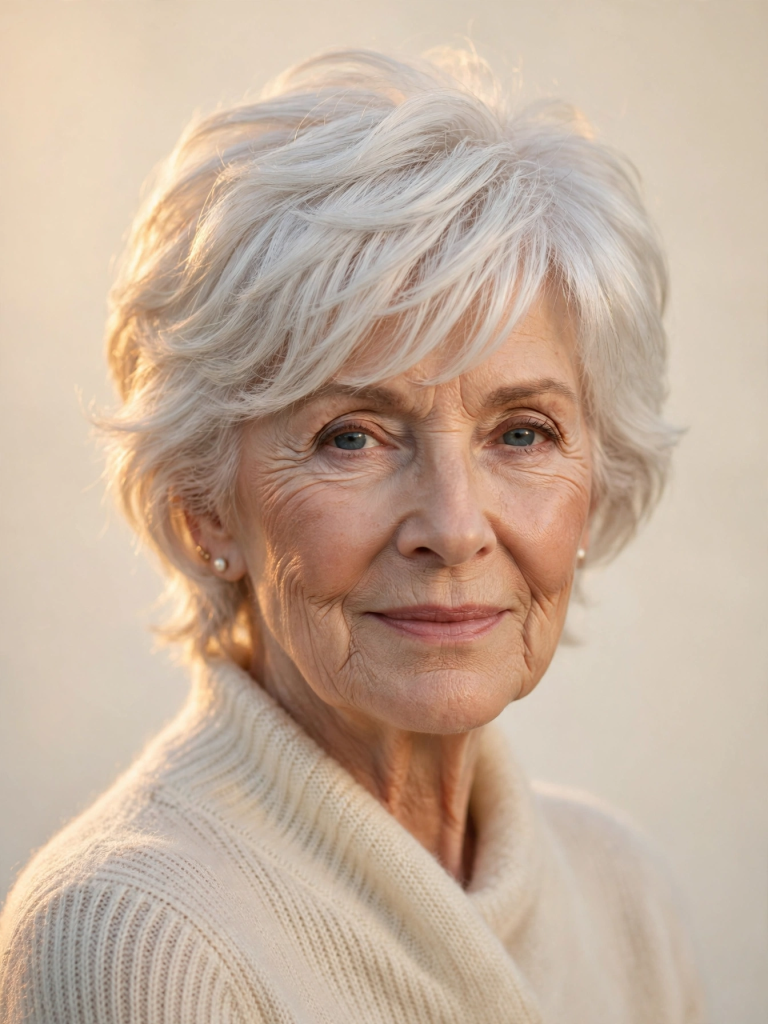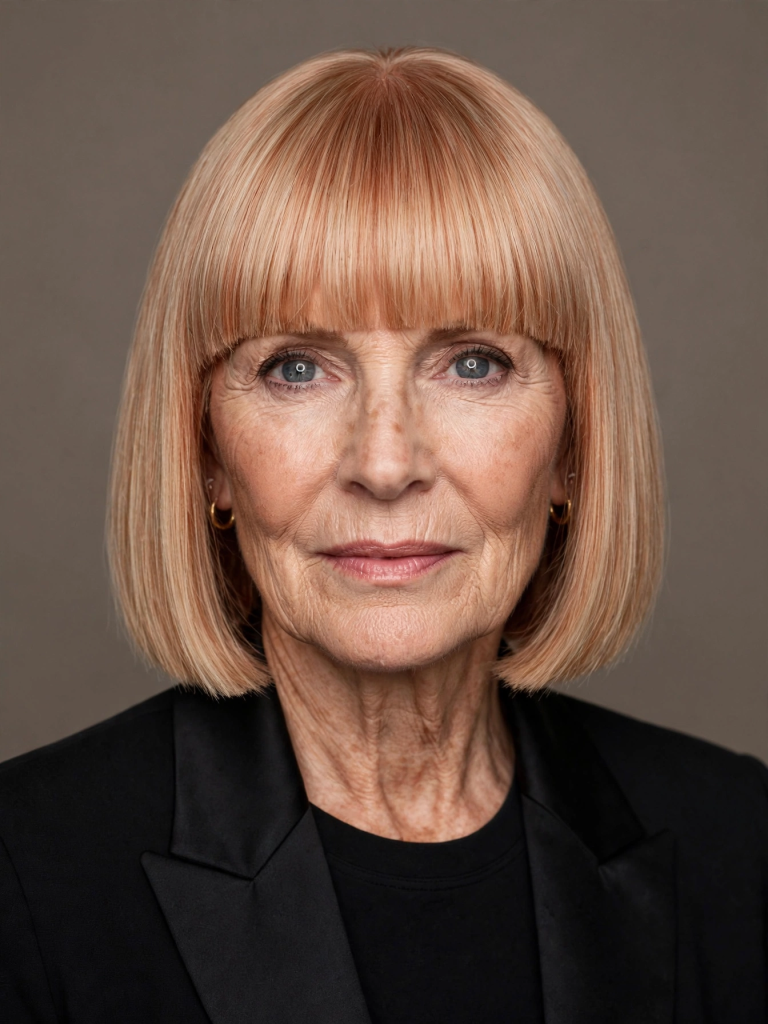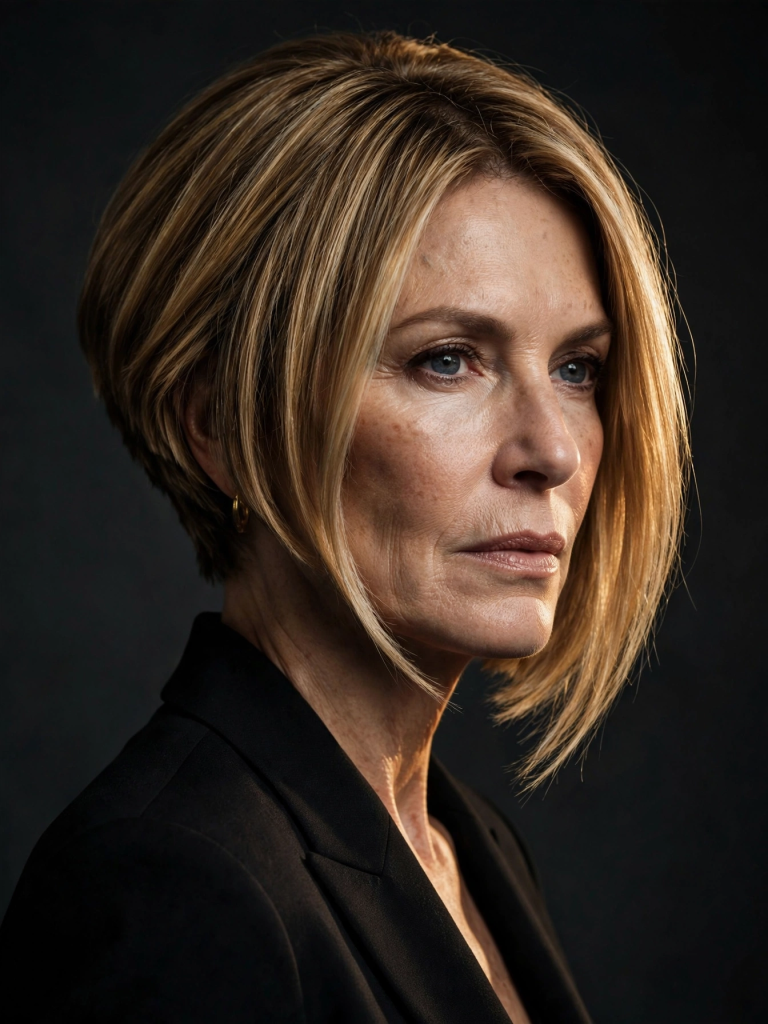
Author: Samuel obwaya

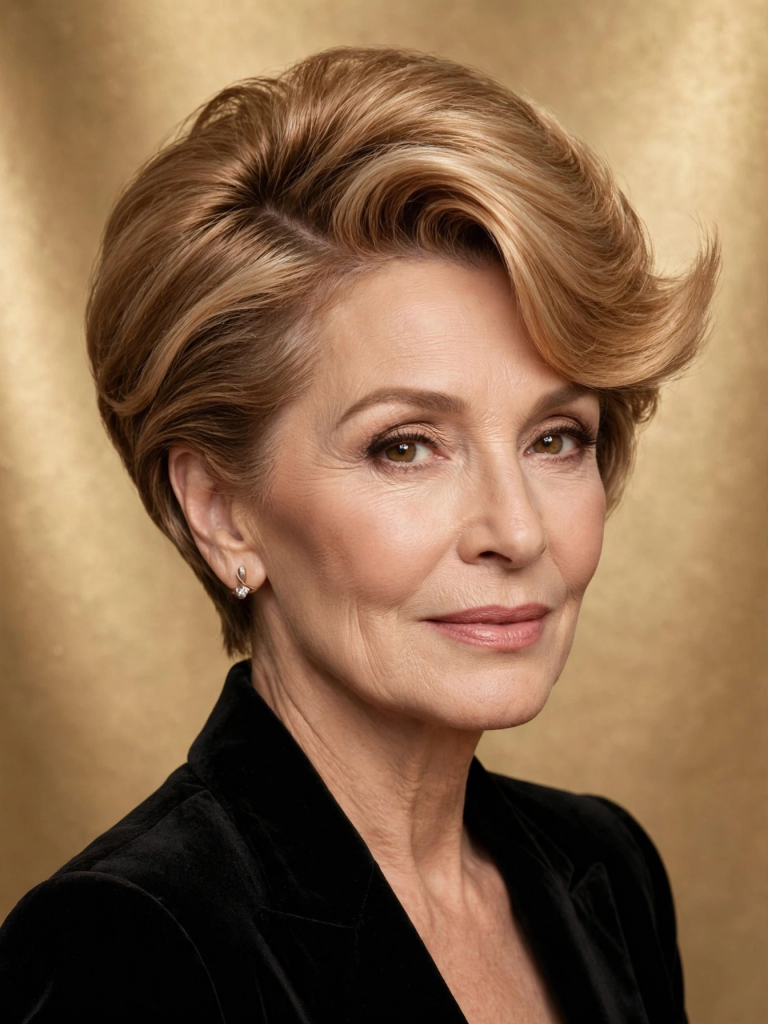
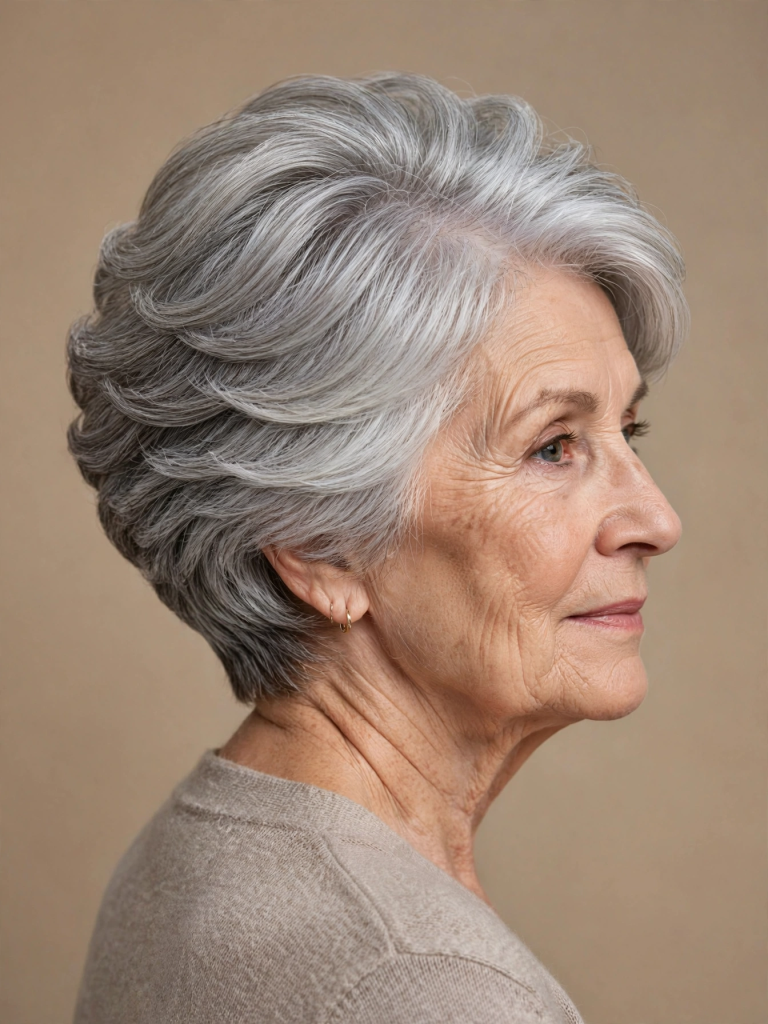
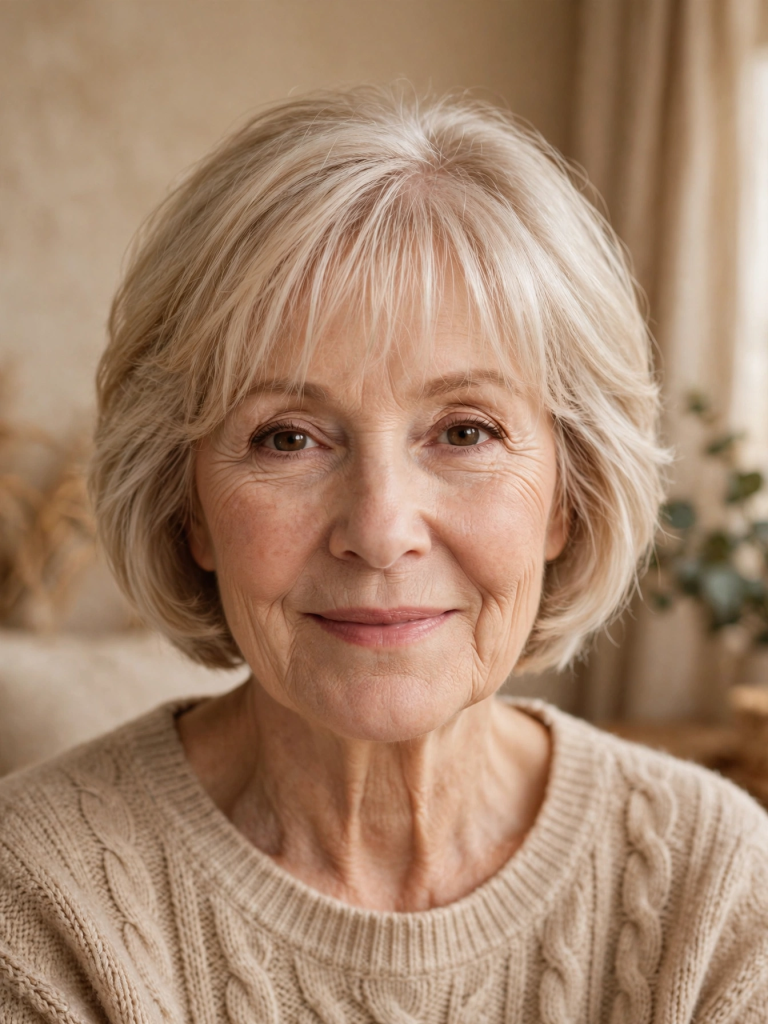
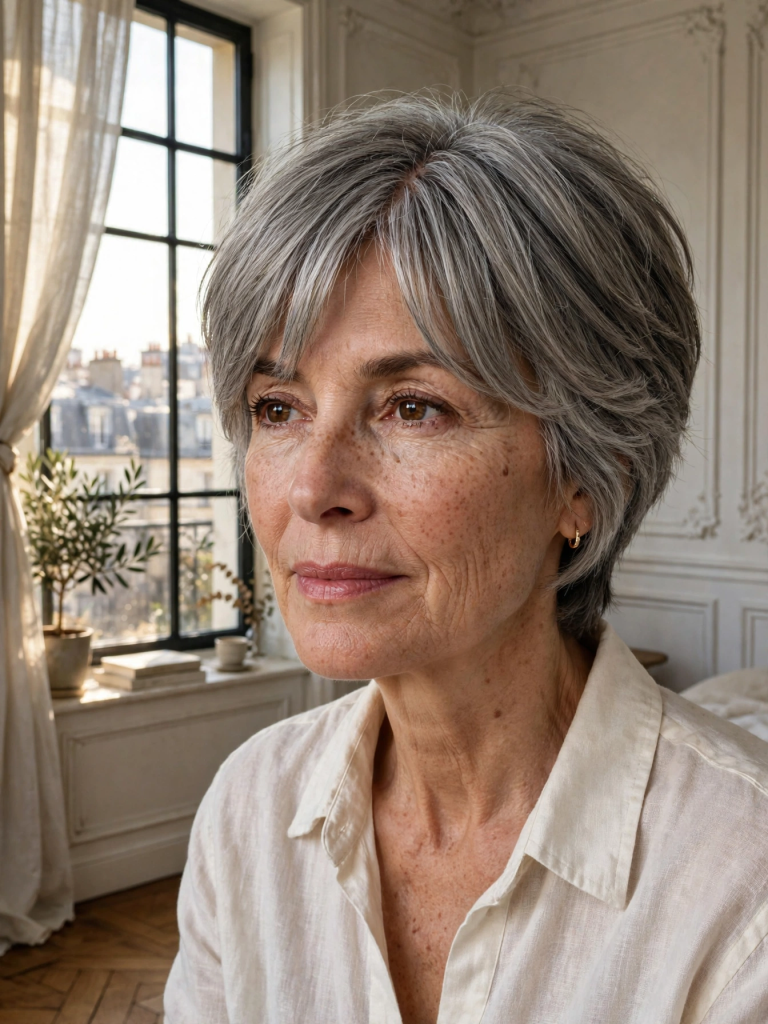
  • 25 Low-Maintenance Hairstyles for Women Over 50 with Thin Hair.

    25 Low-Maintenance Hairstyles for Women Over 50 with Thin Hair.

    One of the most common misconceptions about aging hair is that you have to sacrifice style for ease. Many women over 50 assume that embracing low-maintenance hair means resigning themselves to a “helmet head” or a style that lacks personality. Nothing could be further from the truth.

    As we age, our hair naturally undergoes changes. It often becomes finer, thinner, and may lose some of its elasticity and density. This can be frustrating, but it also presents an opportunity for a fresh start. The modern approach to “low-maintenance” isn’t about neglecting your hair; it’s about being strategic. It’s about choosing a cut that works with your hair’s natural texture rather than against it, requiring minimal daily effort but delivering maximum impact.

    The right hairstyle for fine, thinning hair acts as a built-in styling tool. A great cut creates the illusion of volume through texture and movement, minimizing the need for heavy styling products, hot tools, or daily blow-dries. Think of it as a hack for your morning routine: you spend less time on styling and more time enjoying your day—all while looking effortlessly polished.

    In this guide, we’ve curated 25 of the best low-maintenance hairstyles designed specifically for women over 50 with thin hair. We’ve broken them down into easy-to-navigate categories, ensuring you find the perfect match for your face shape, lifestyle, and personal style. Say goodbye to complicated routines and hello to your new, effortless look.


    The 25 Hairstyles: Categorized & Detailed:

    The Classics (Cuts that Always Work)

    These are the timeless styles that every hairstylist will recommend. They are dependable, flattering, and incredibly easy to manage.

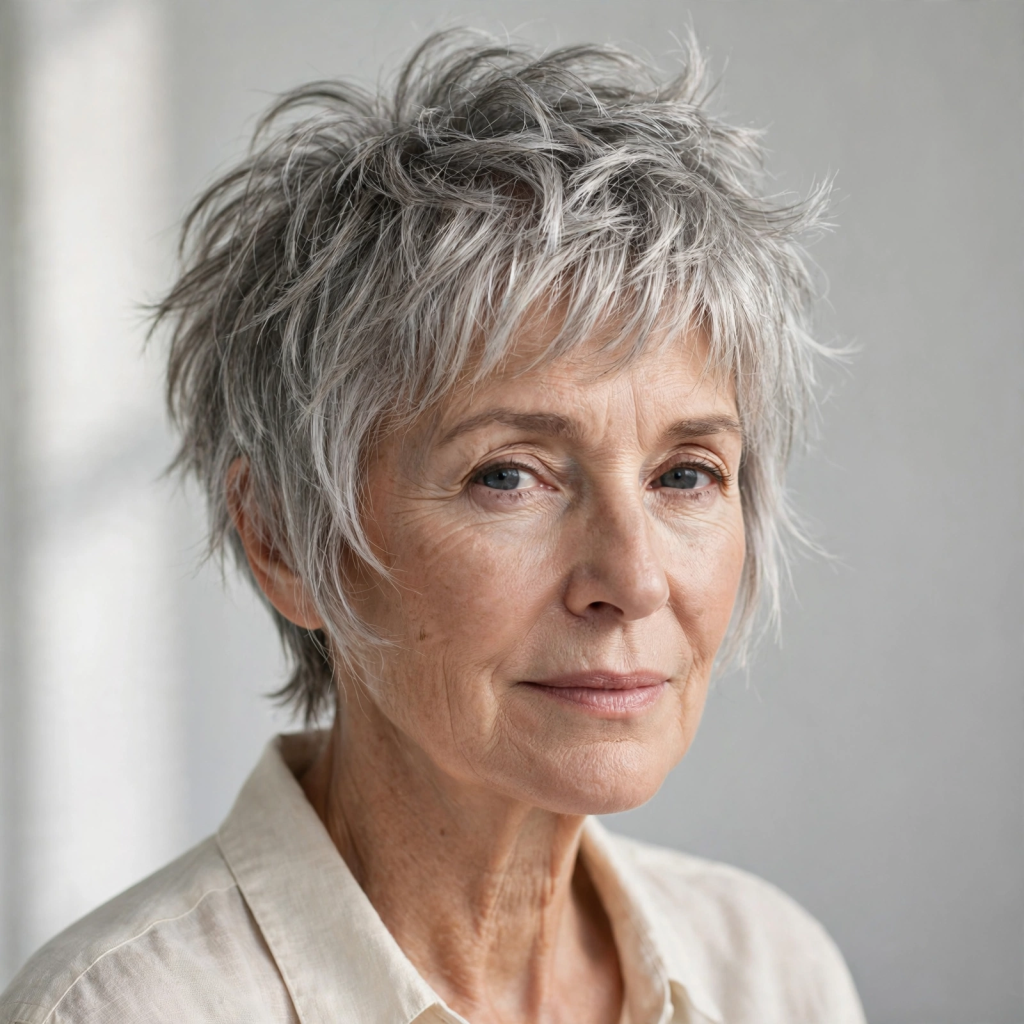
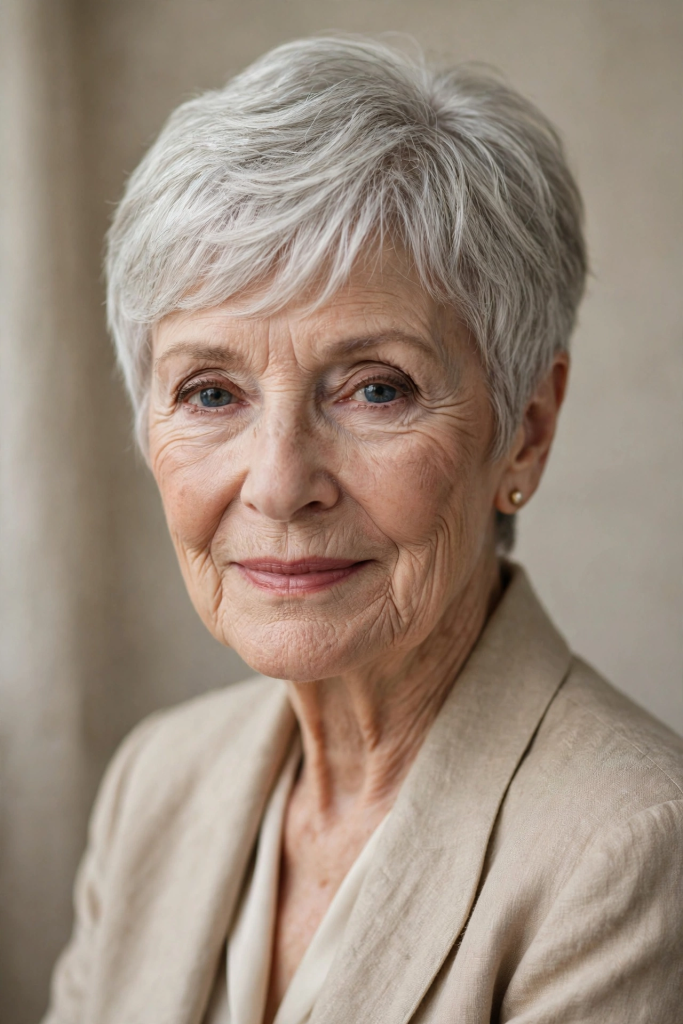
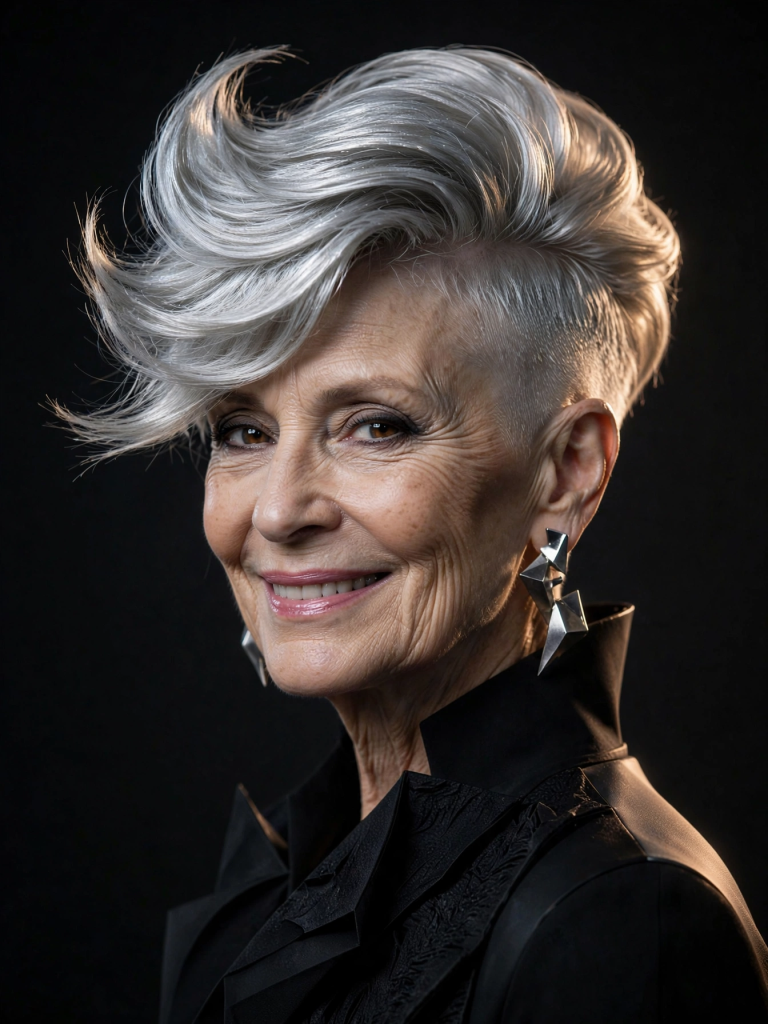
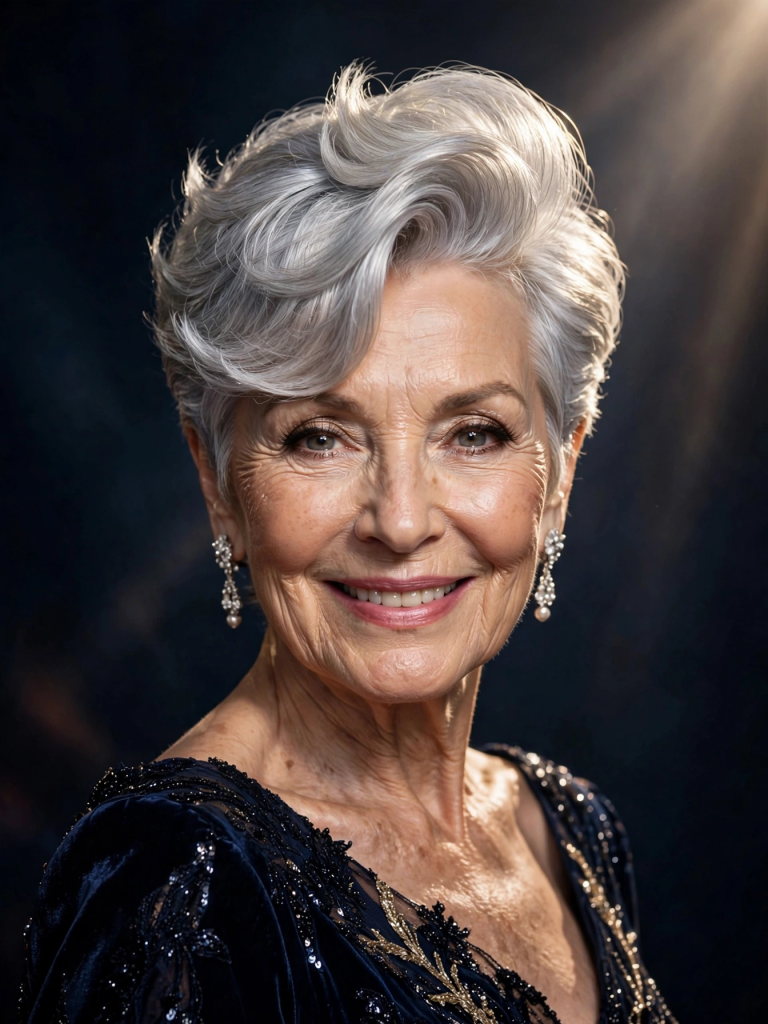
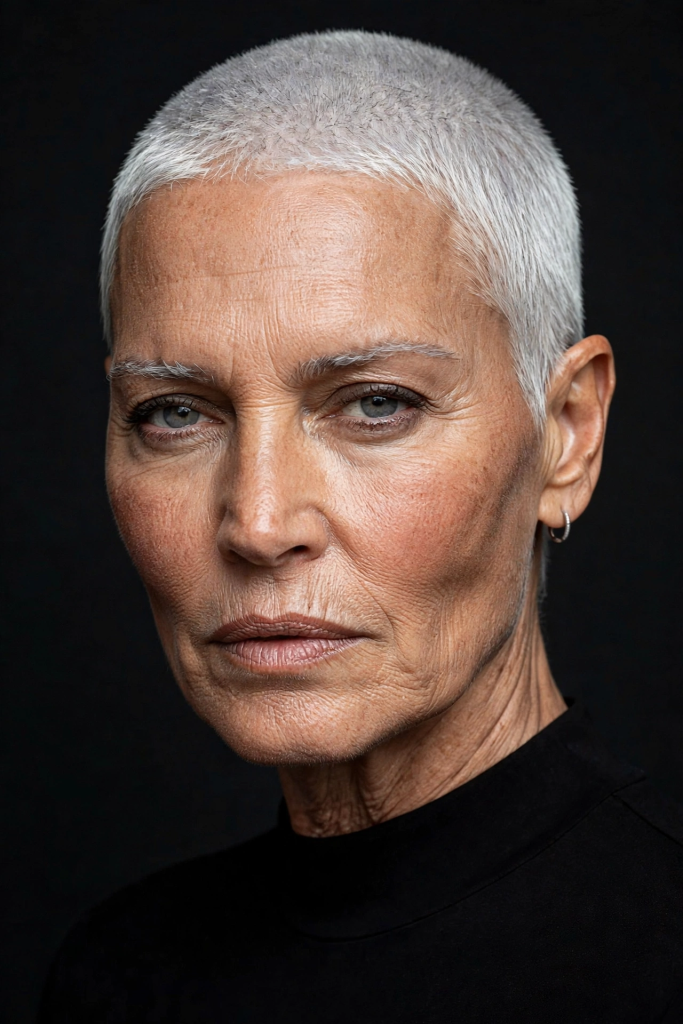
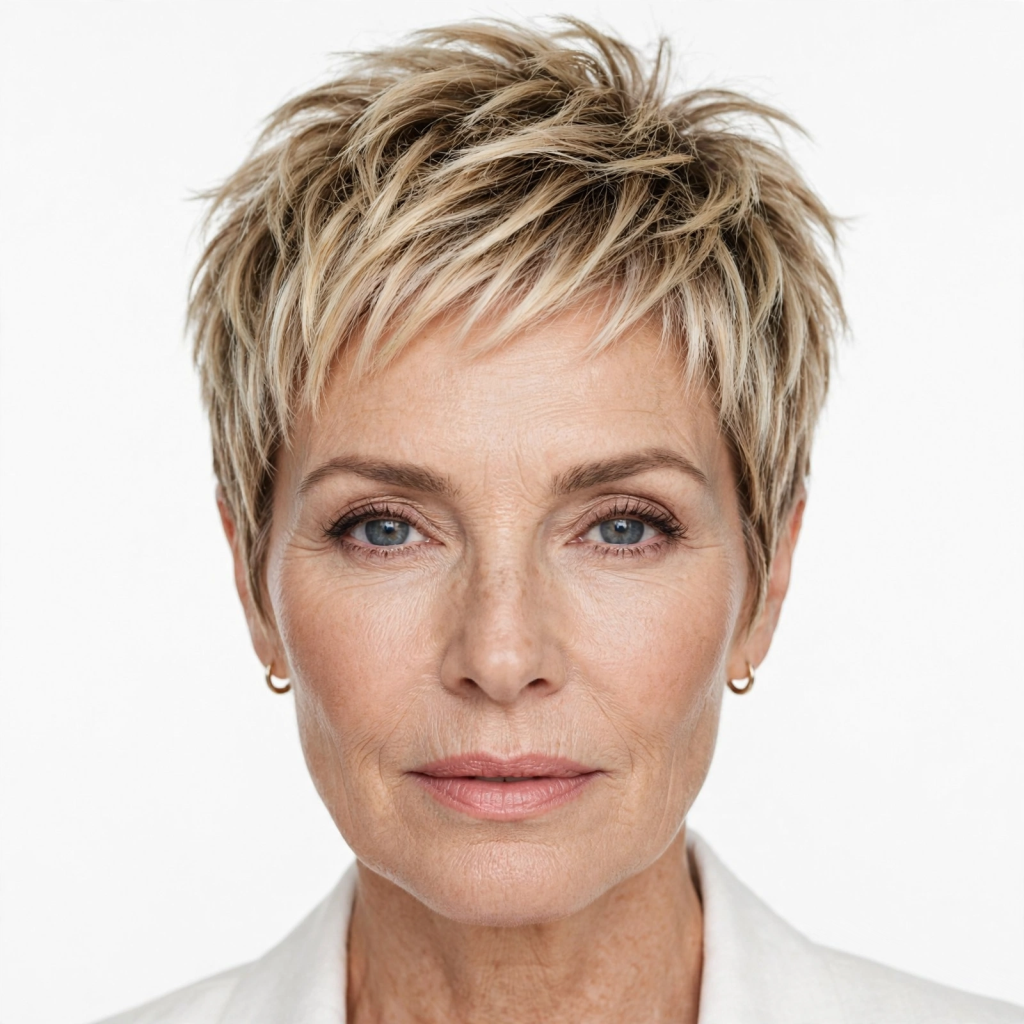
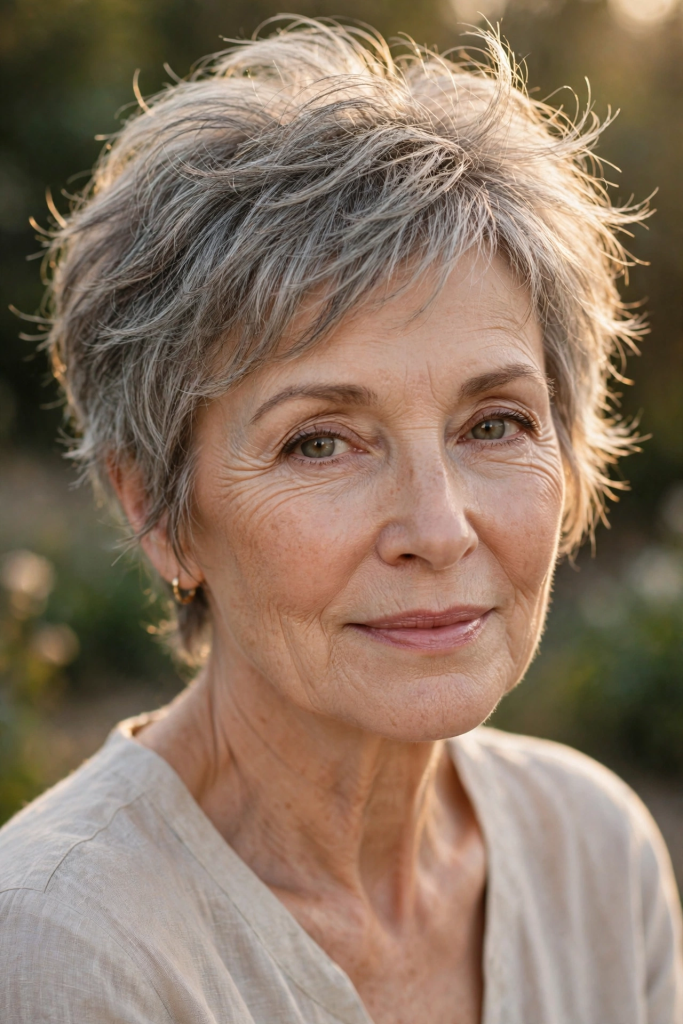
    1. The Pixie Cut
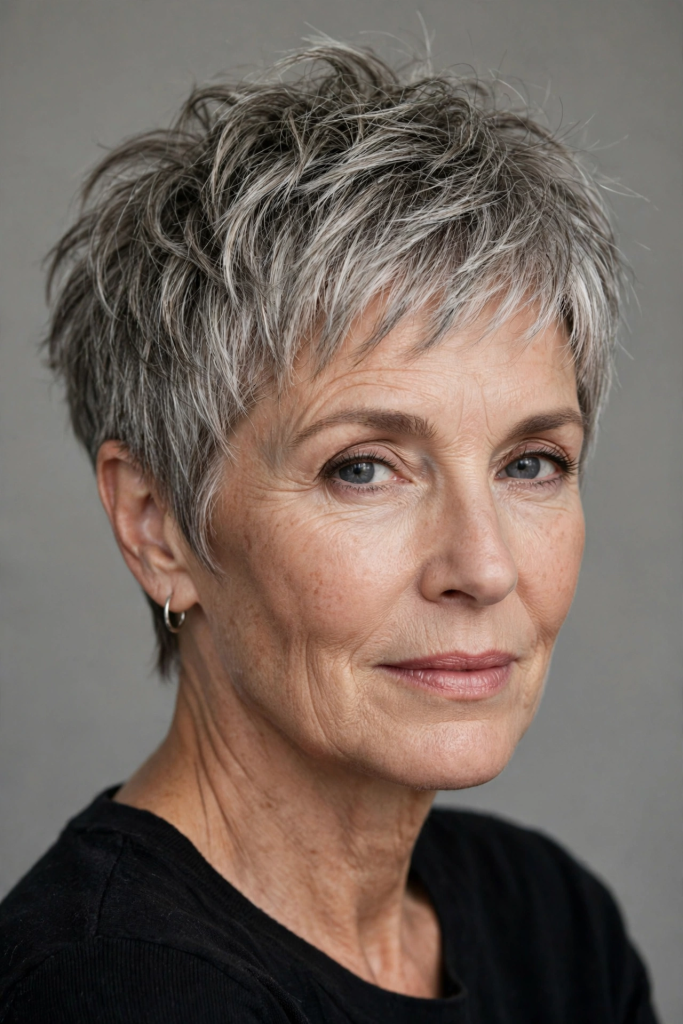

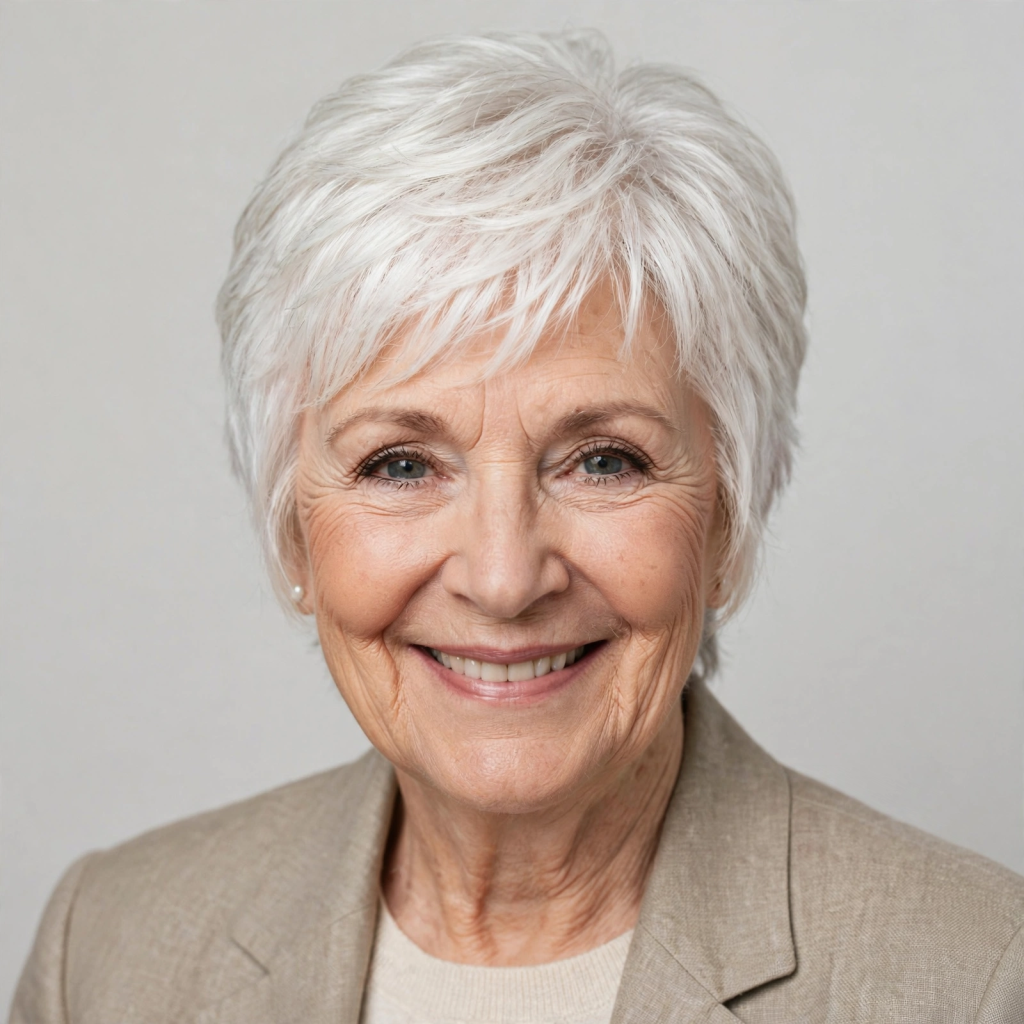
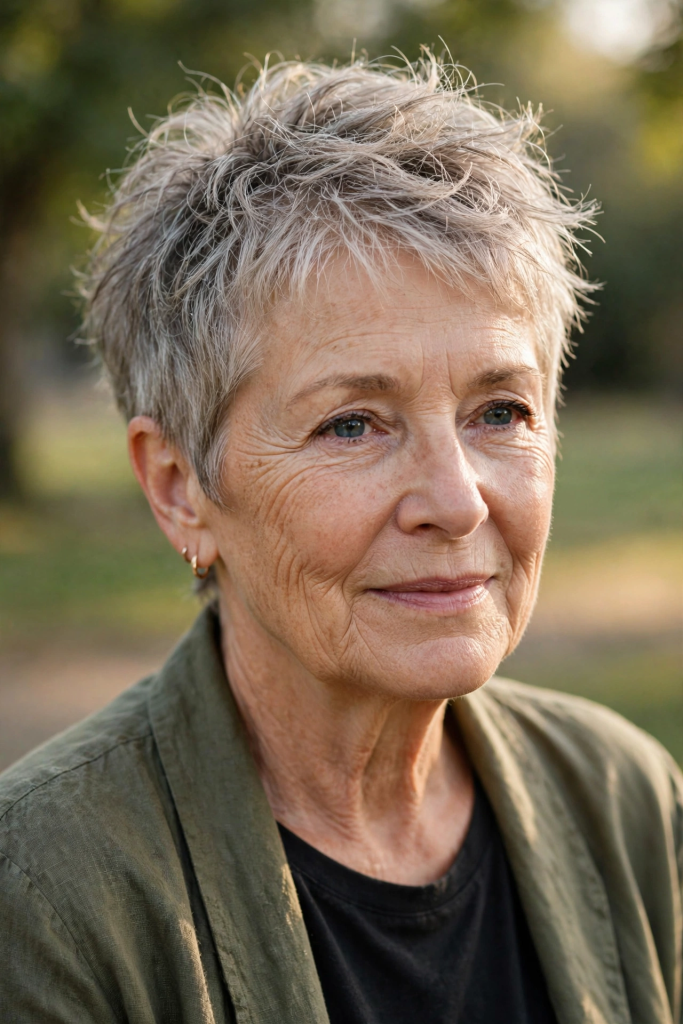
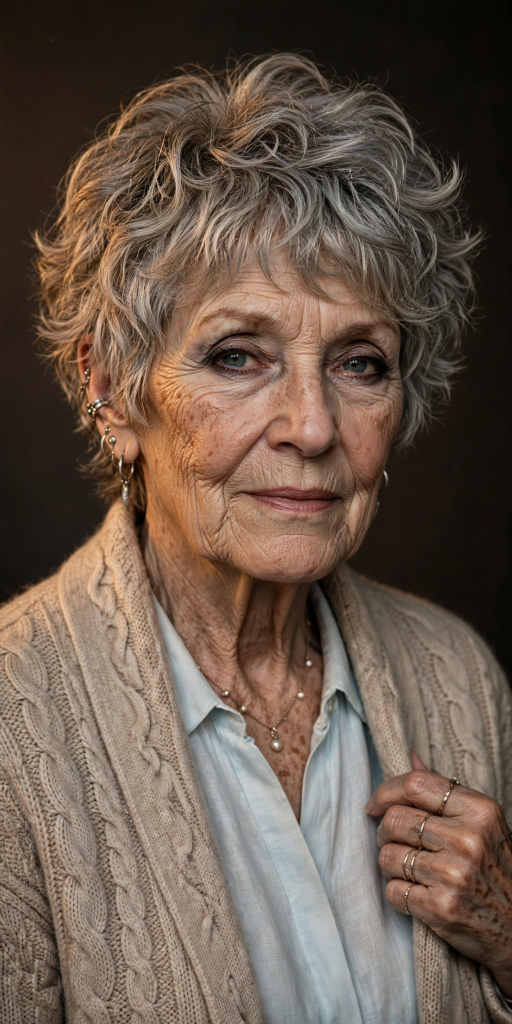
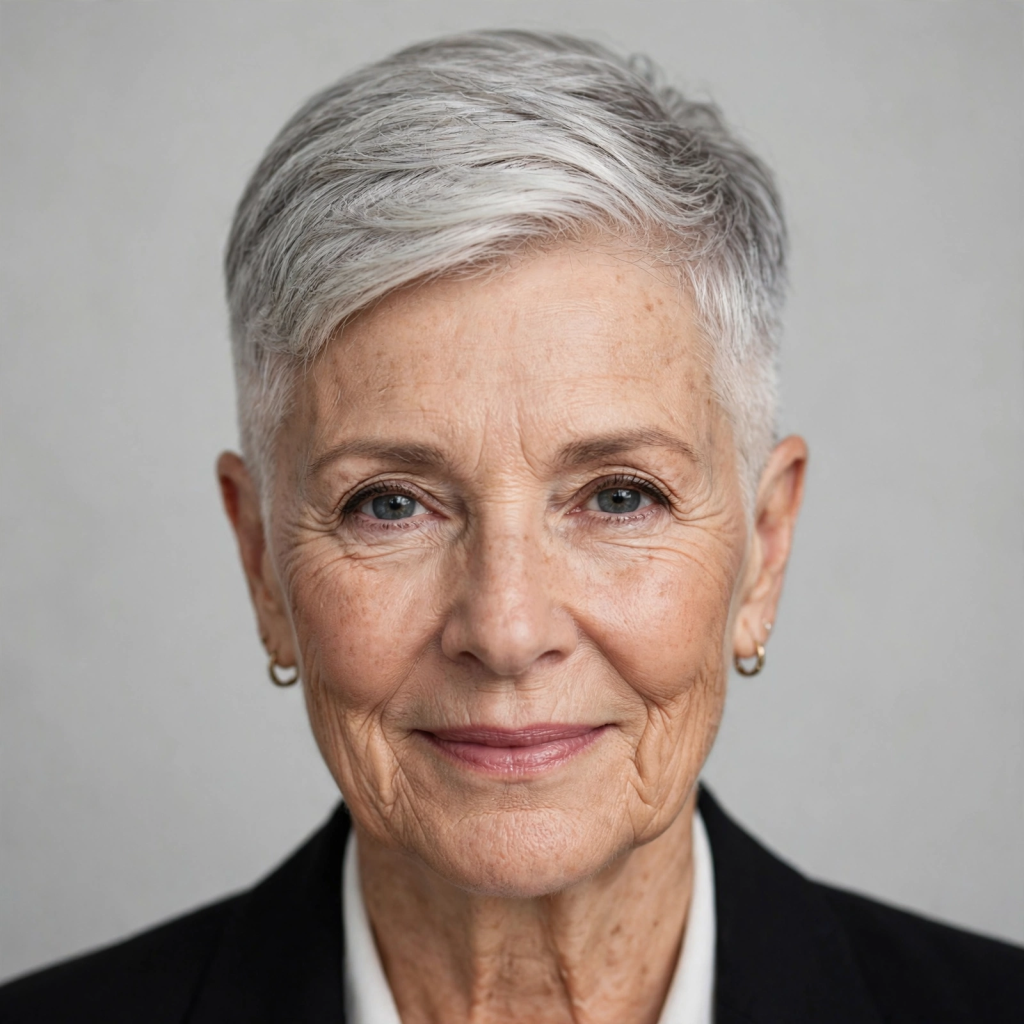
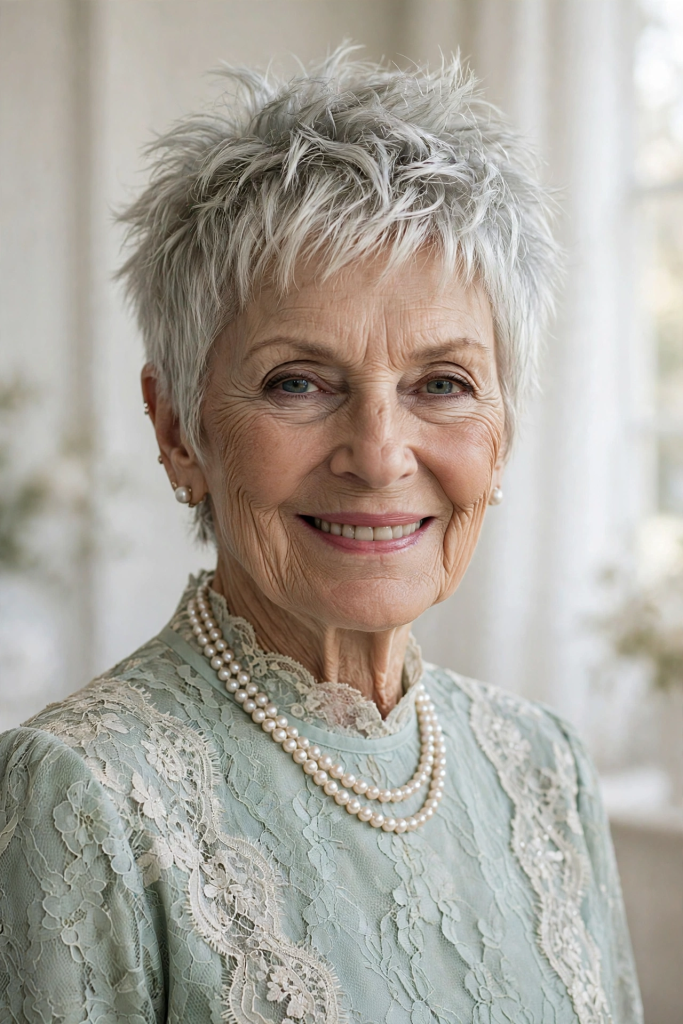
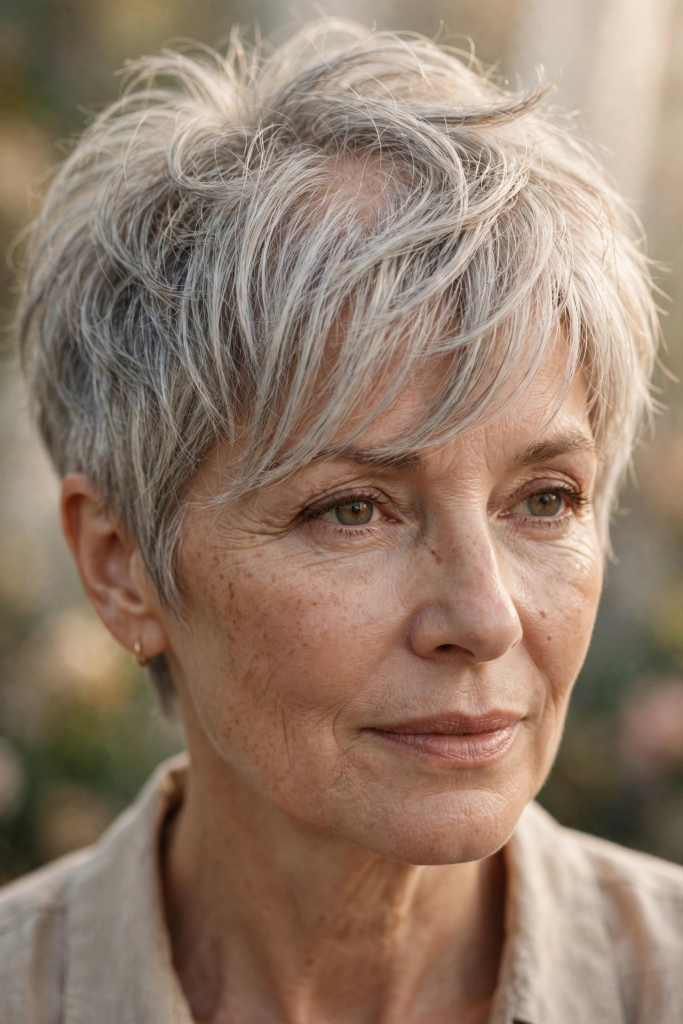
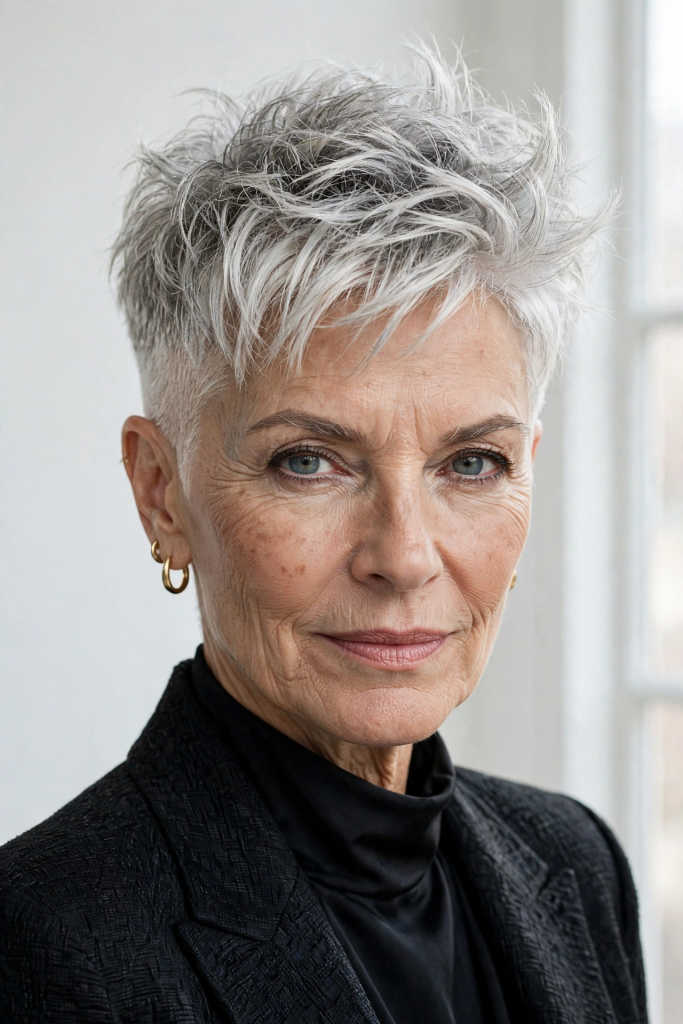
    The ultimate low-maintenance style. A short, textured pixie removes the weight that drags fine hair down, causing it to lie flat. The key is to ask your stylist for texture and piece-y-ness, not a blunt, uniform cut. This allows you to simply scrunch in a bit of styling cream and go.

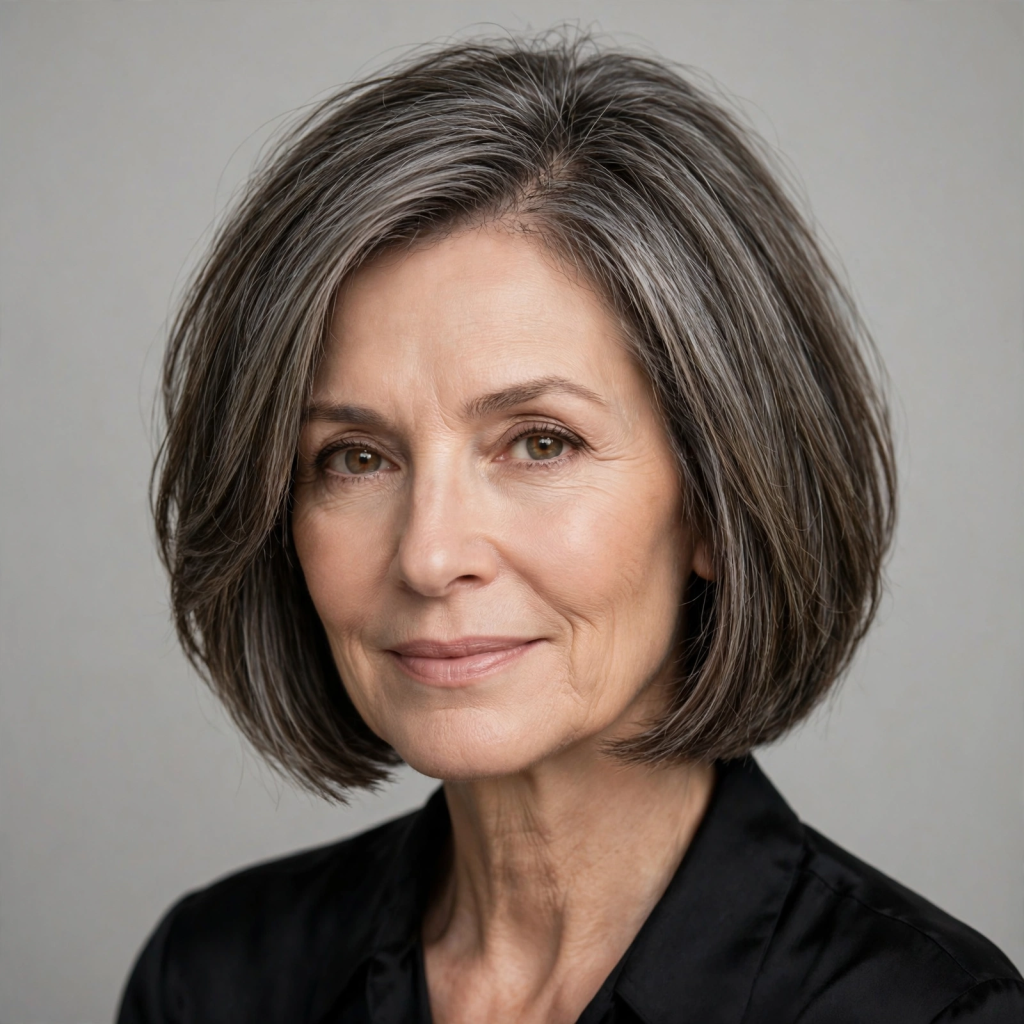
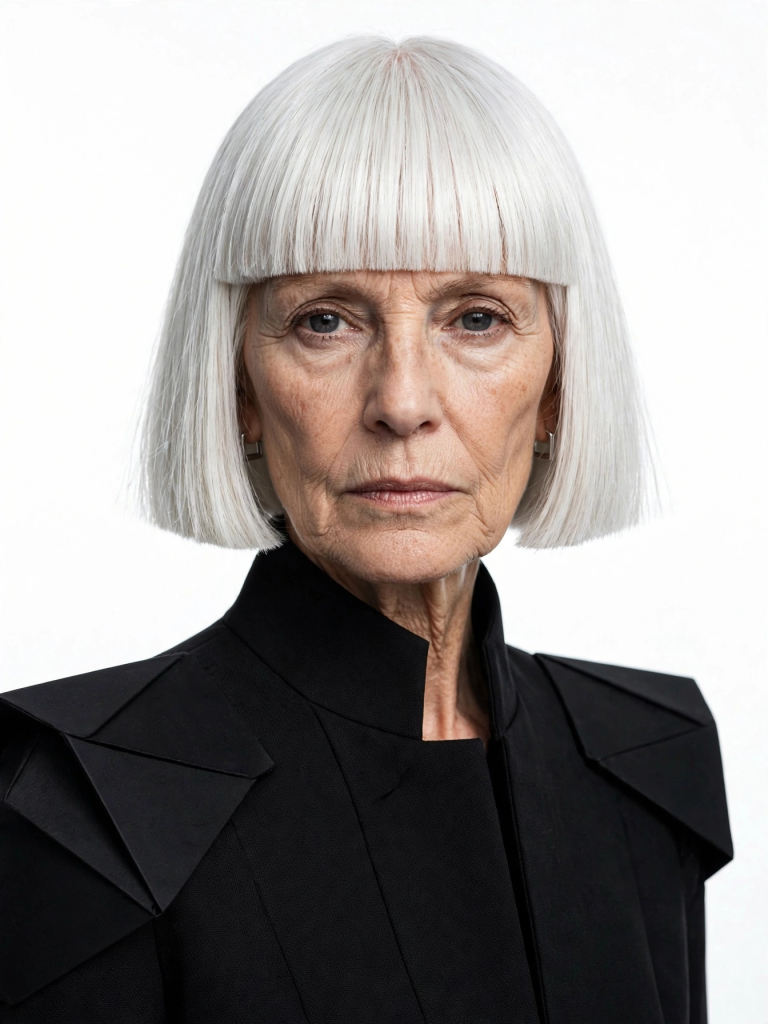
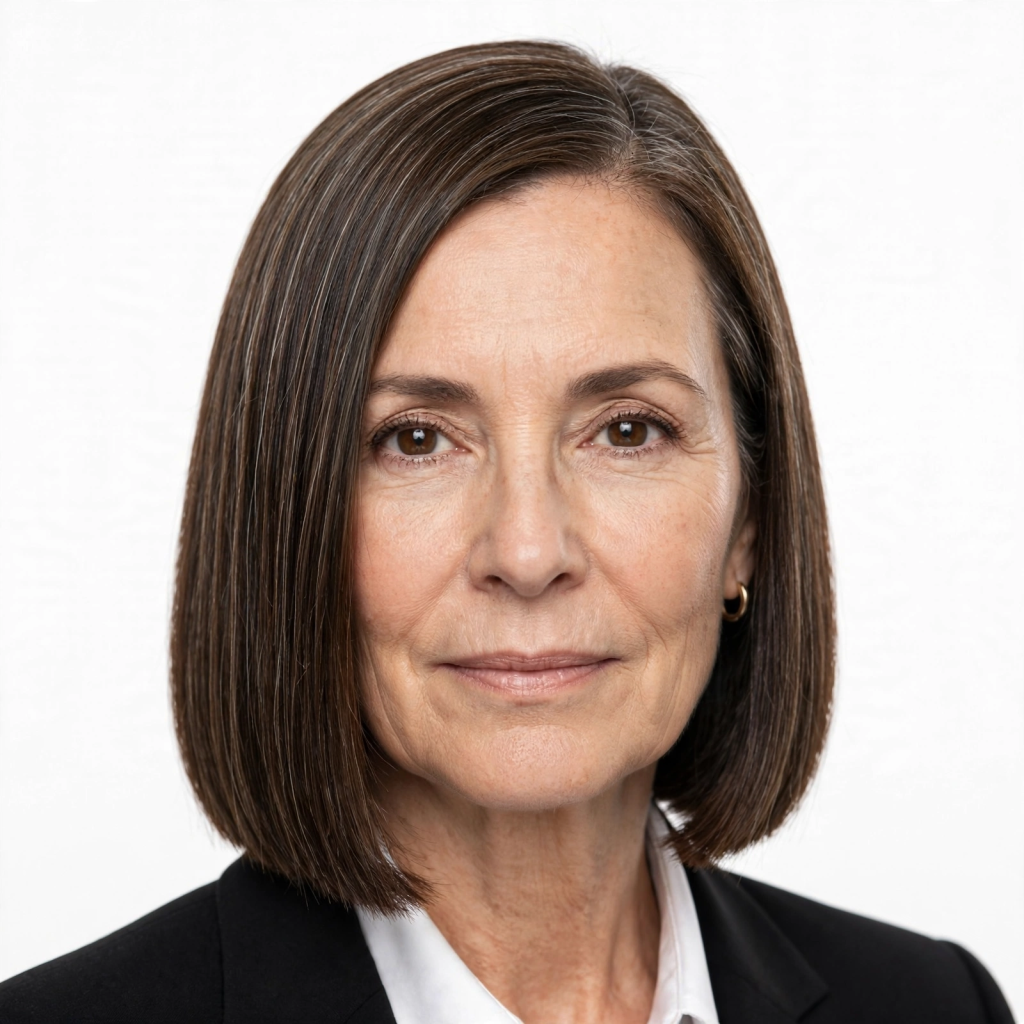
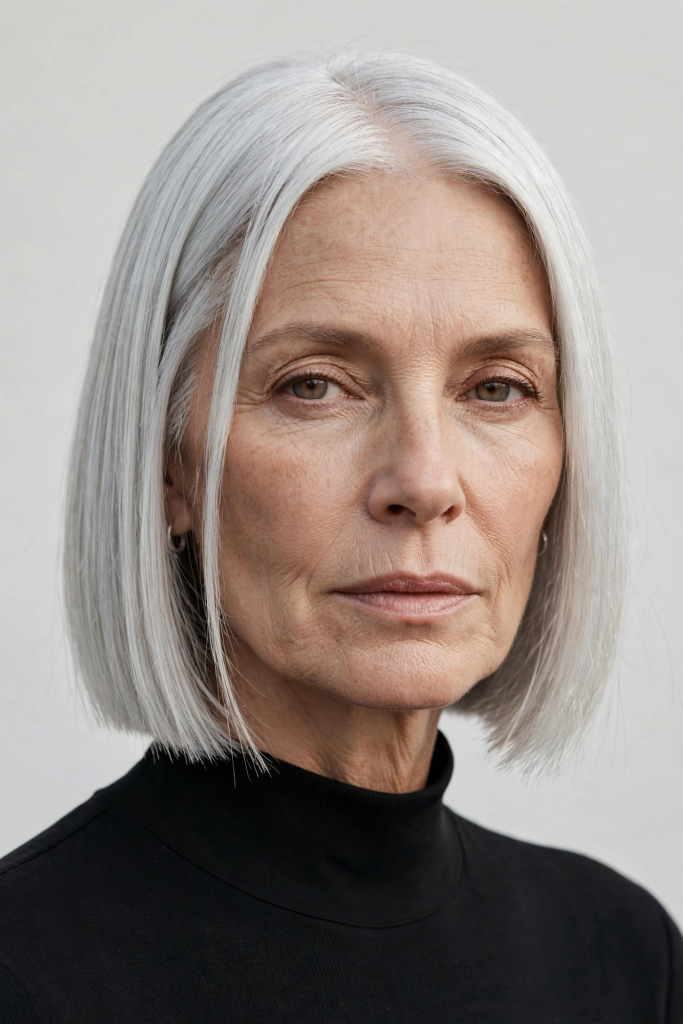
    2. The French Bob
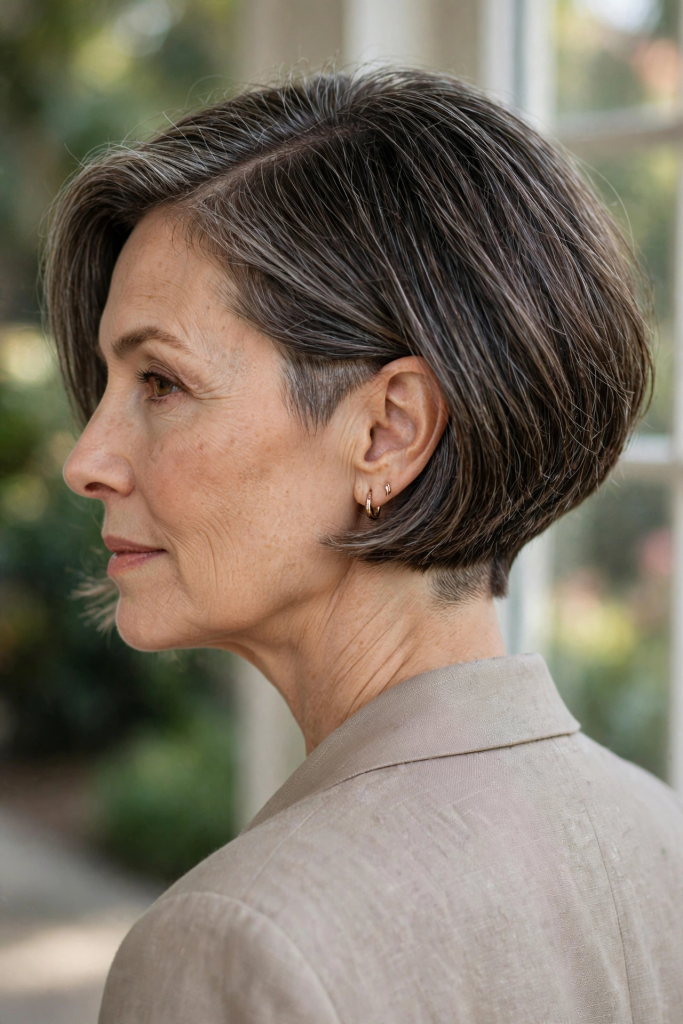

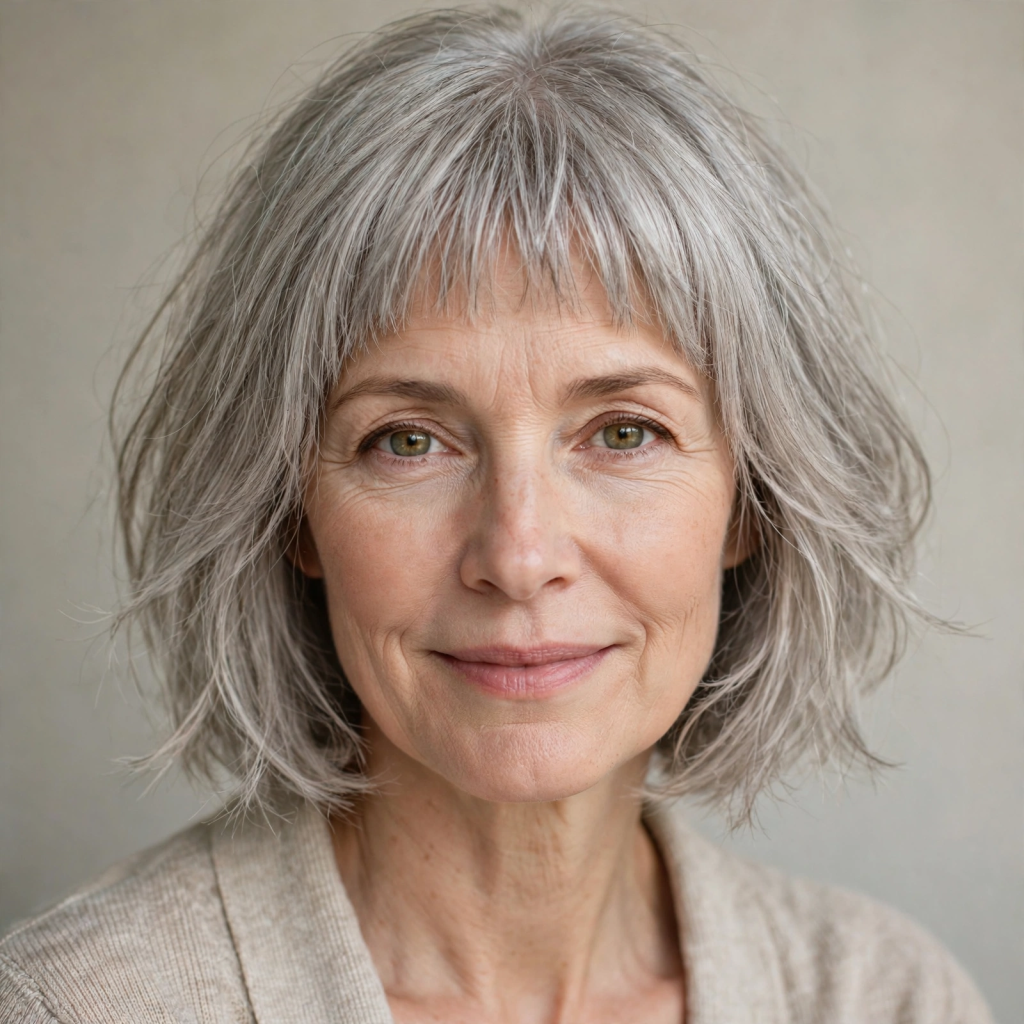
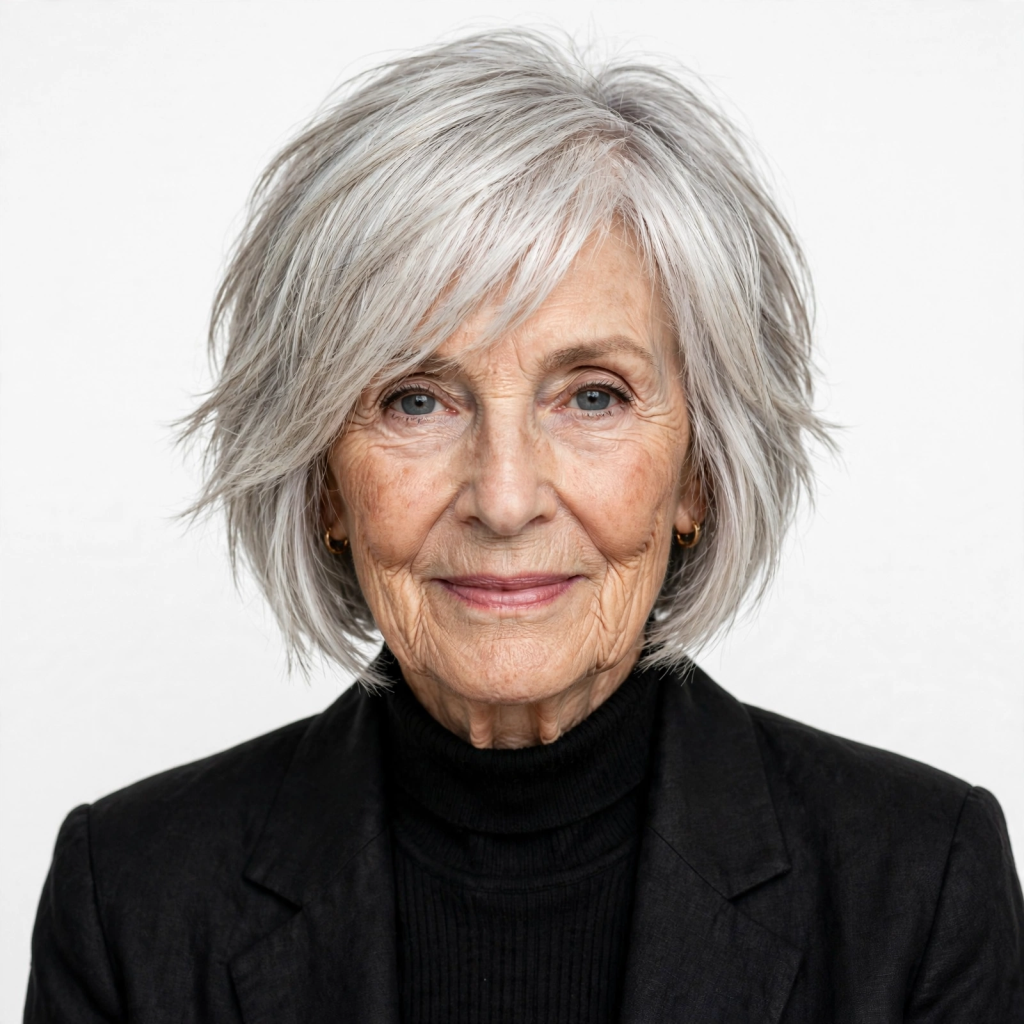
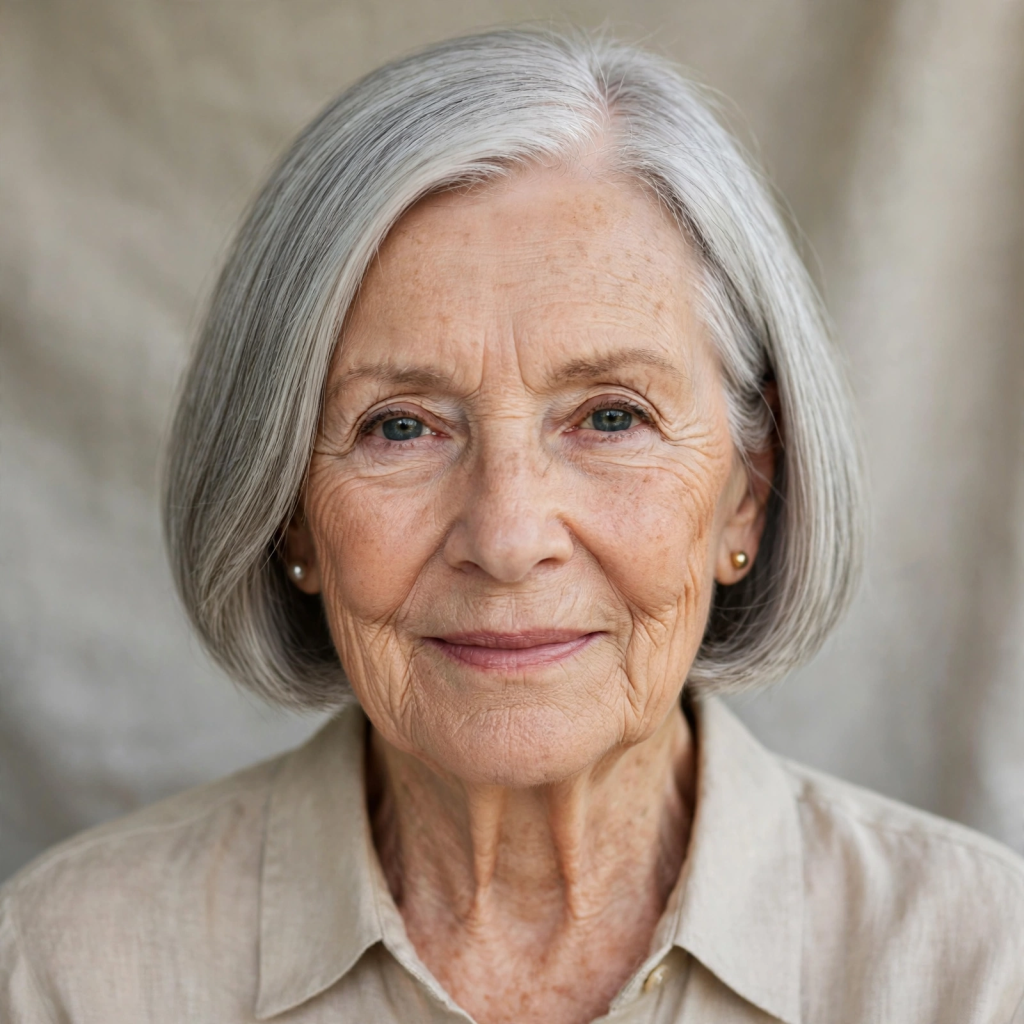
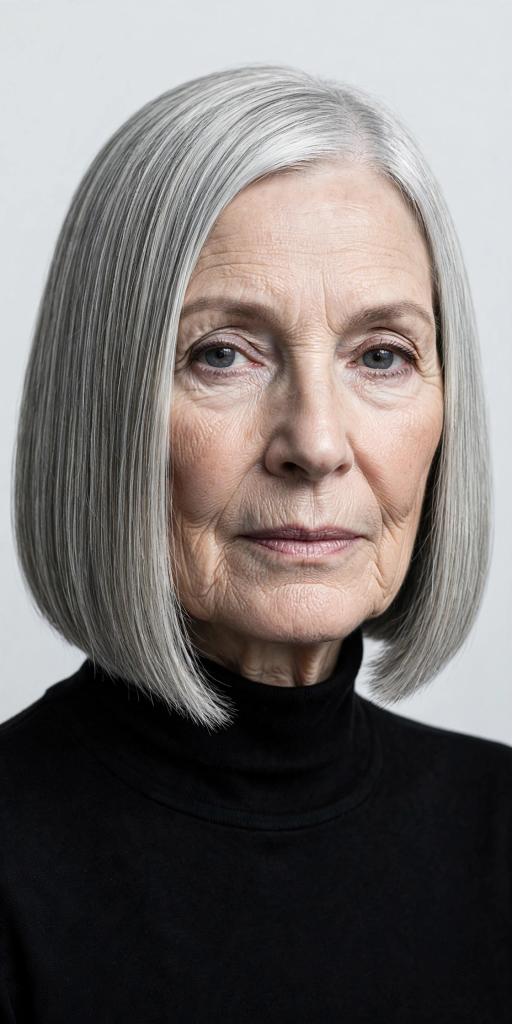
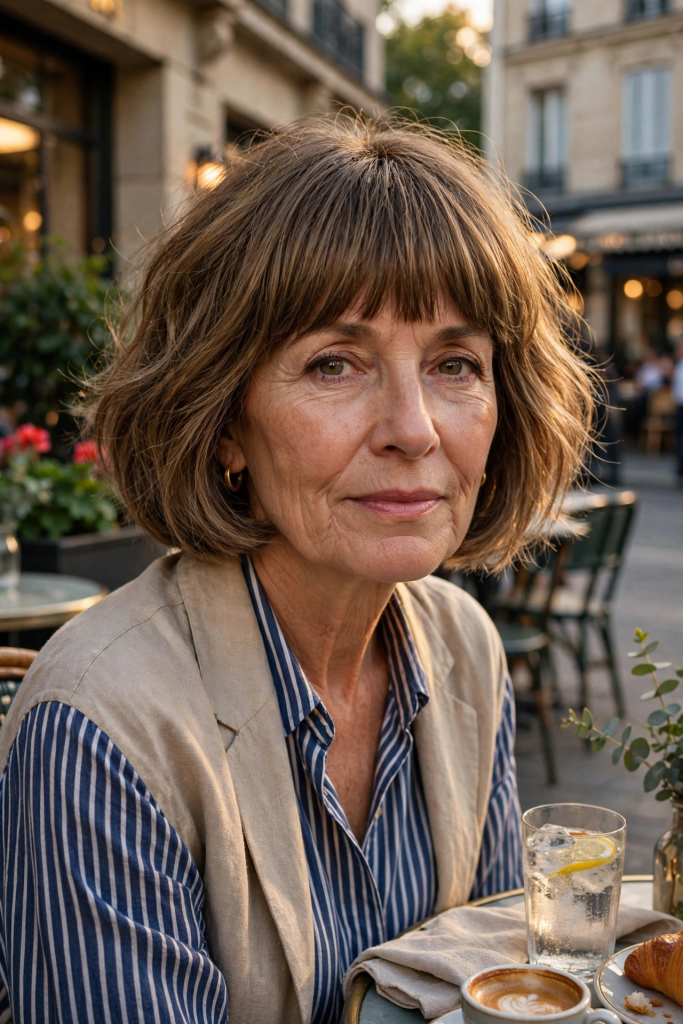
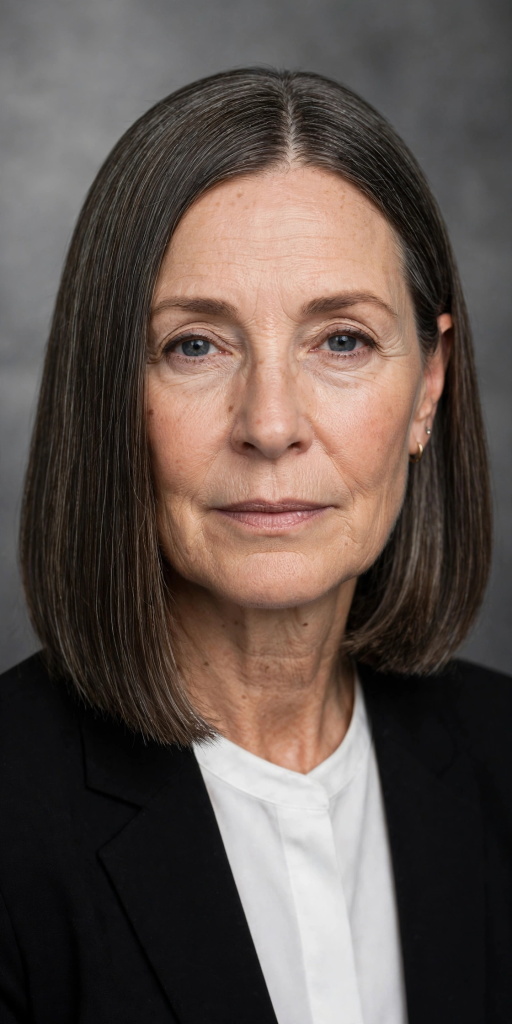
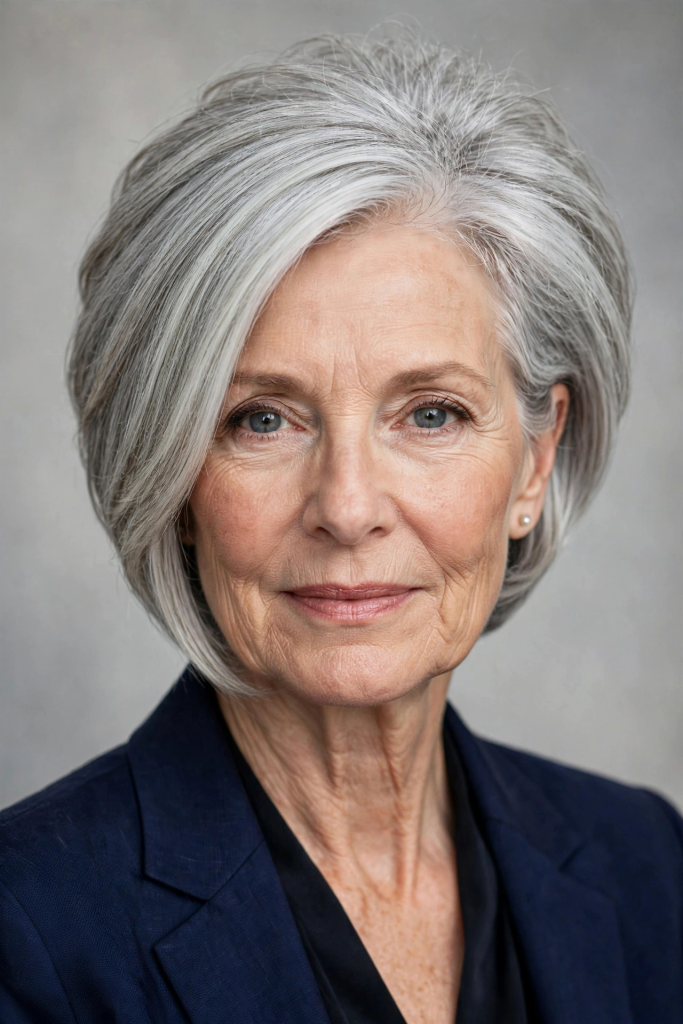
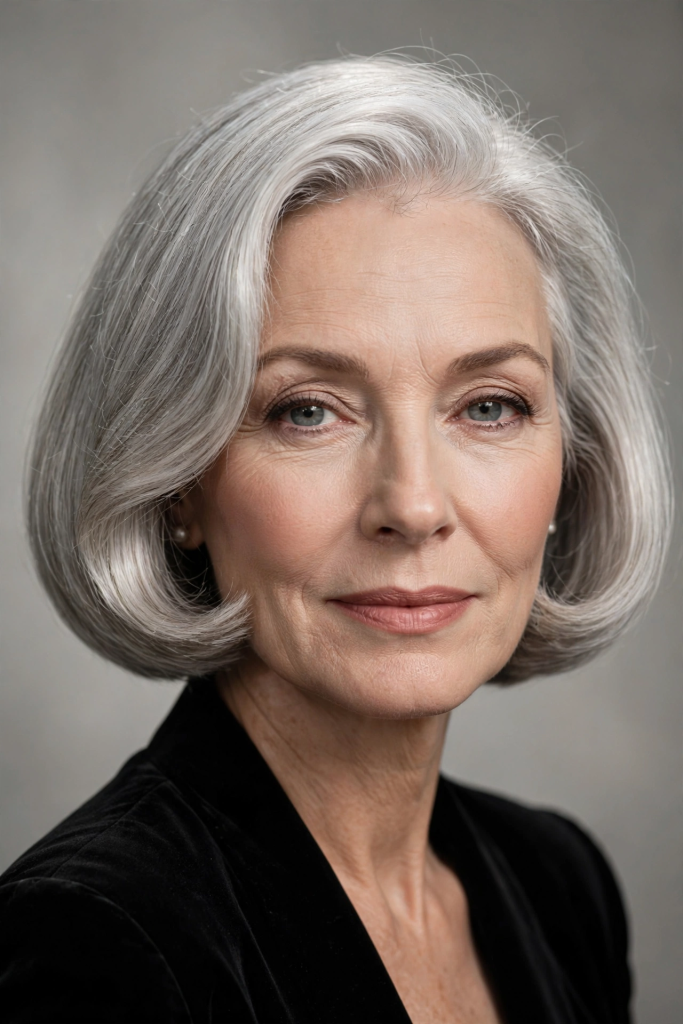
    A classic bob that sits just below the chin and typically features a subtle undercut at the nape. The weight is removed from the ends, making the hair appear fuller and bouncier. A blunt, one-length bob can look thin and stringy, but the French variation’s soft, texturized ends are forgiving and effortlessly chic.

    3. The Micro-Bob
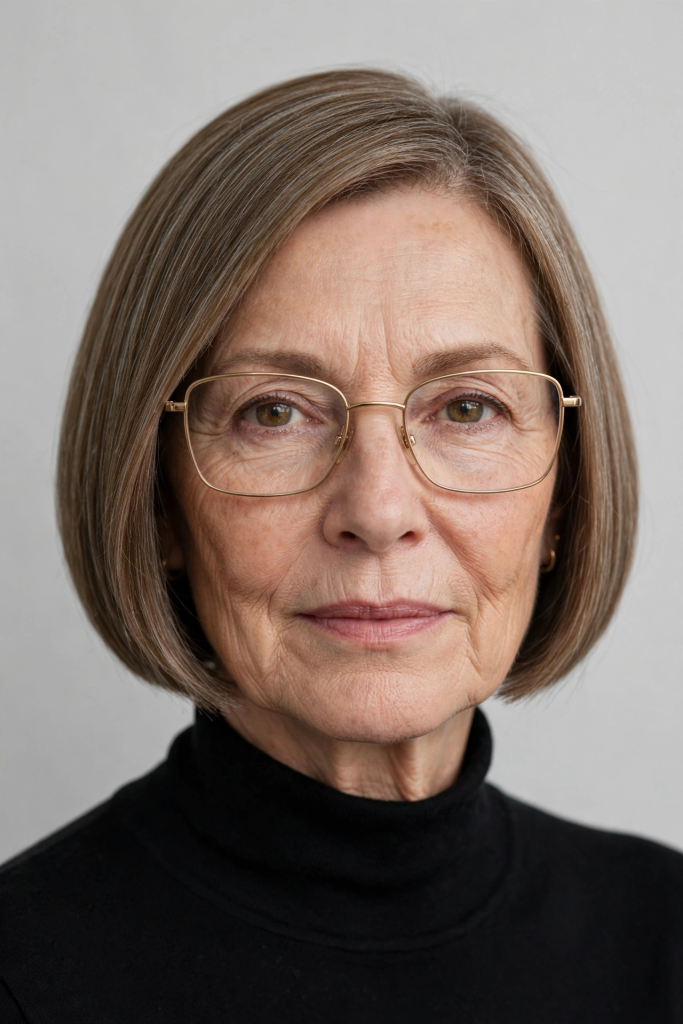

    This is a shorter bob, cut right at the jawline or even slightly above. It’s a powerful look that adds width and definition to the face. Its clean lines make it look incredibly polished with minimal effort. A quick finger-style is often all it needs.

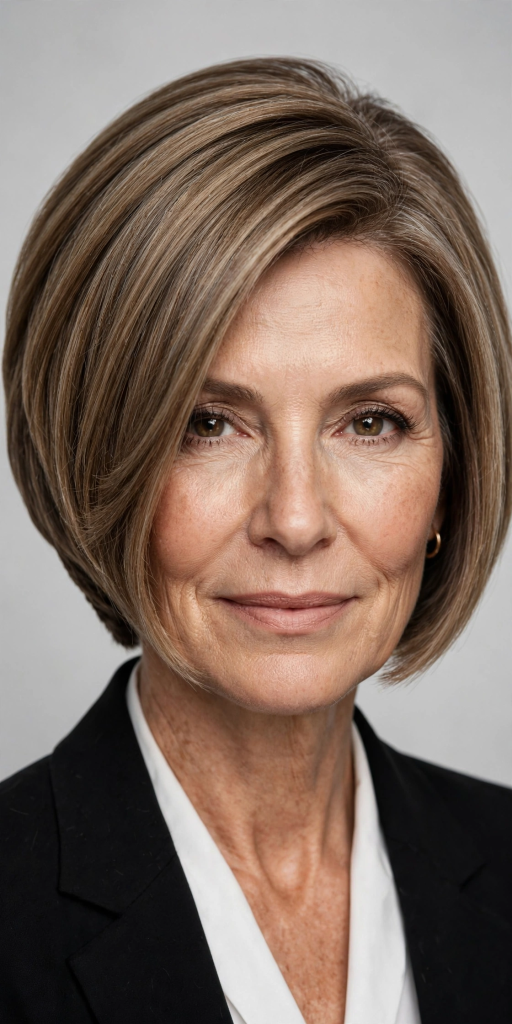
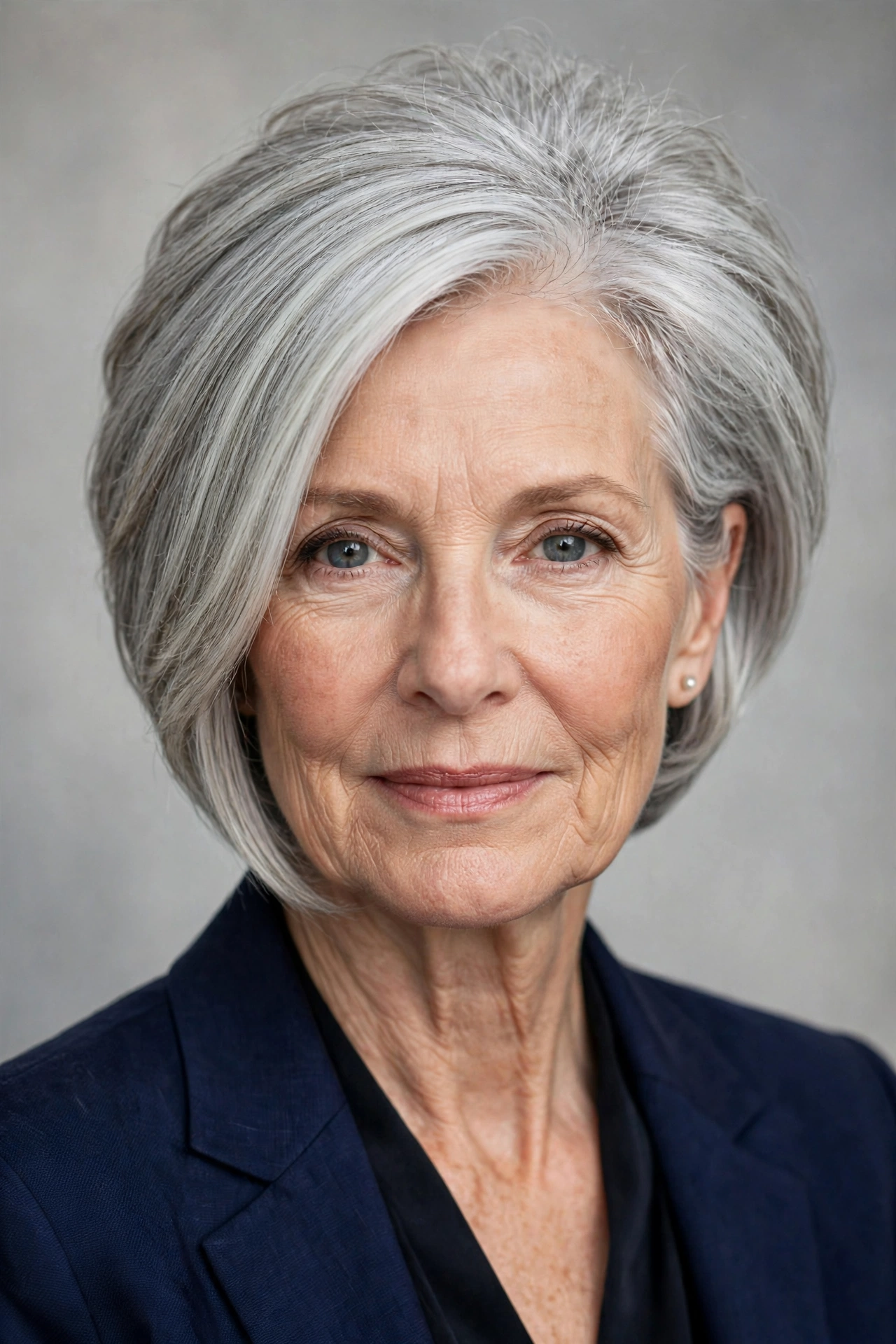
    4. The Stacked Bob
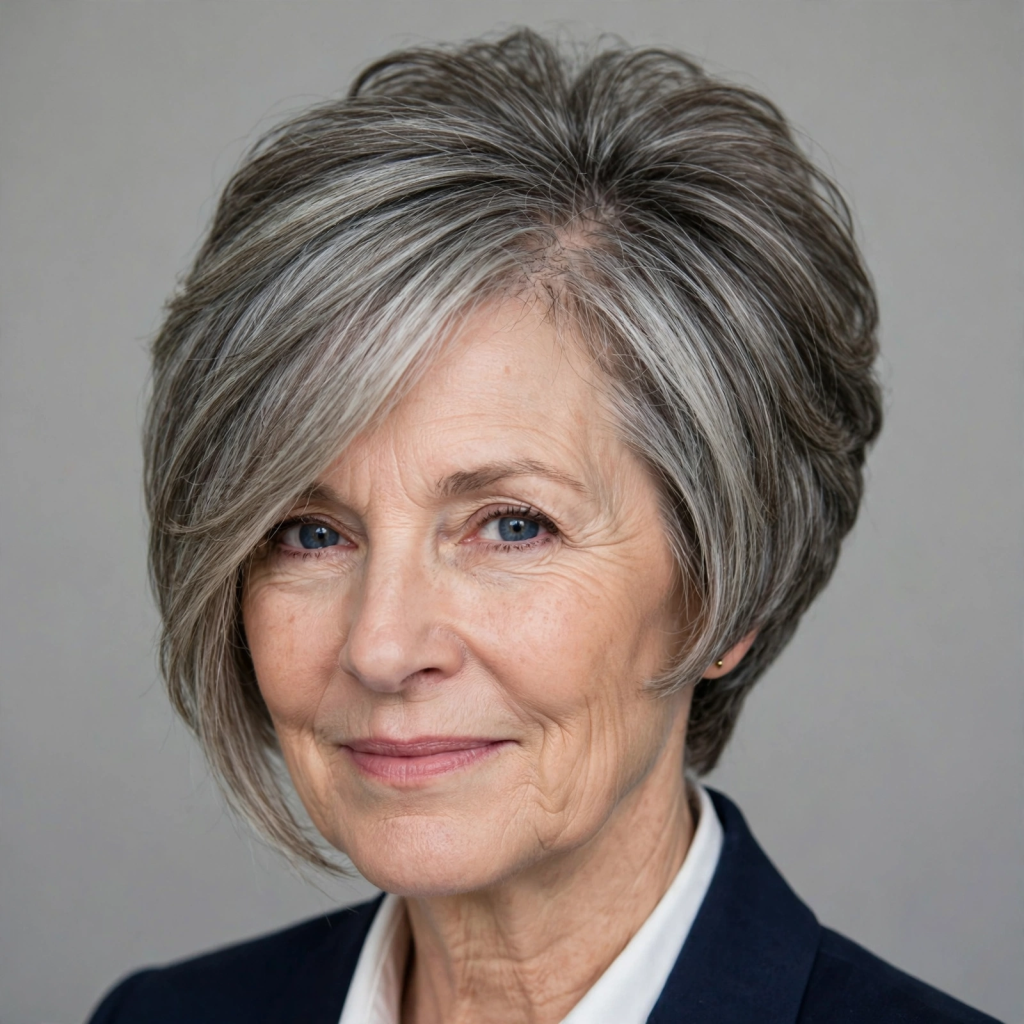

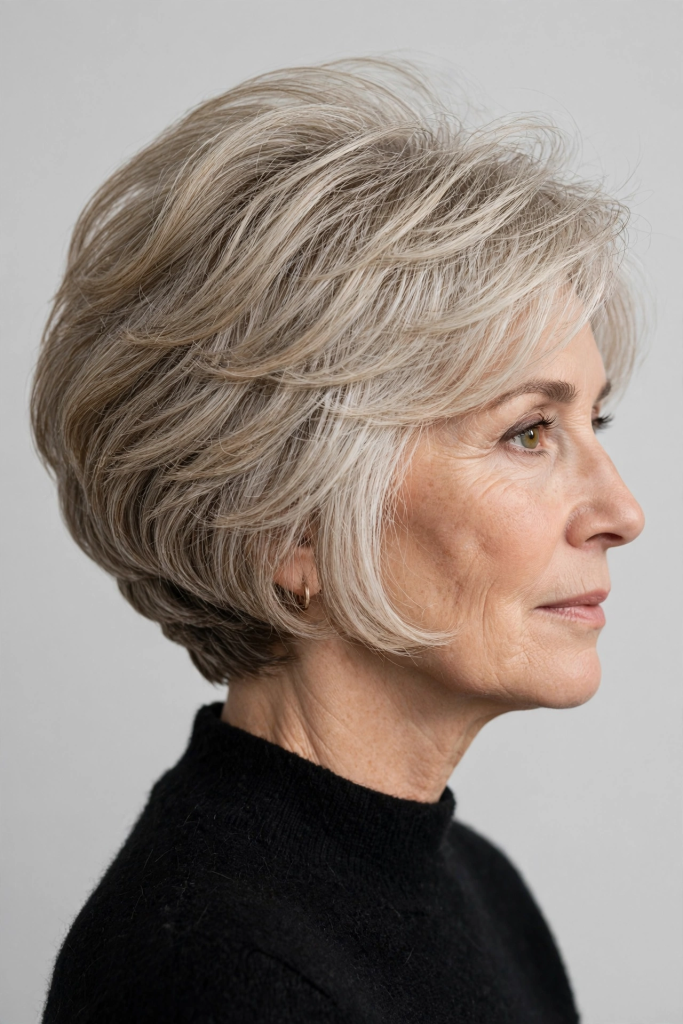
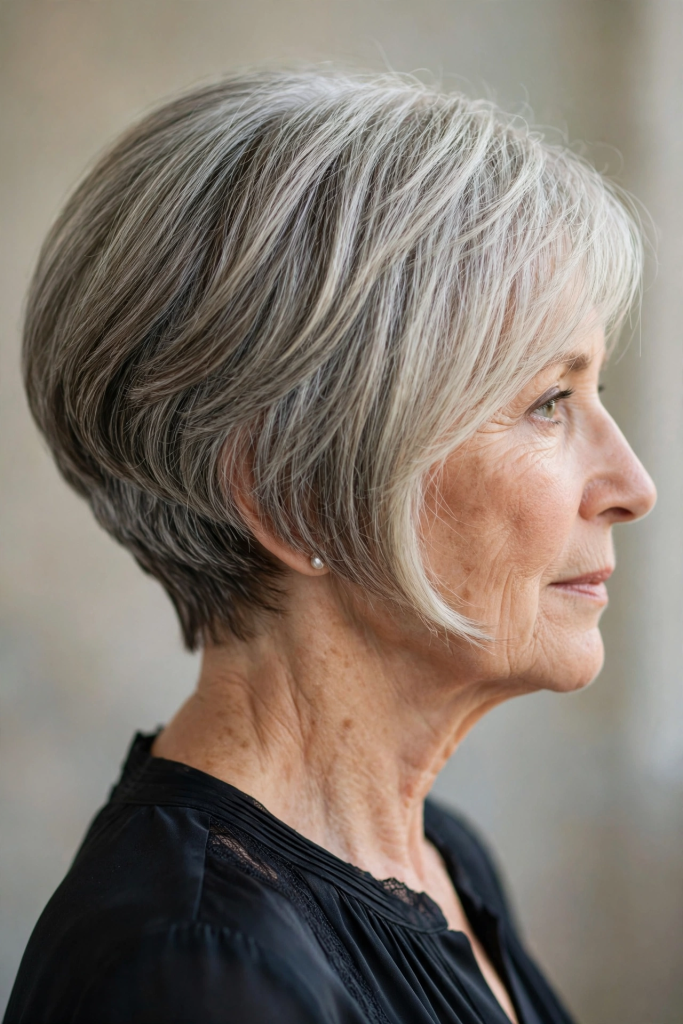
    This cut is a miracle worker for thin hair. It features shorter layers in the back that stack upon each other, creating a natural “bump” of volume at the crown. The front is typically longer, creating a dramatic and flattering angle. It requires a good cut, but the styling is a breeze.

    5. The Classy Crop
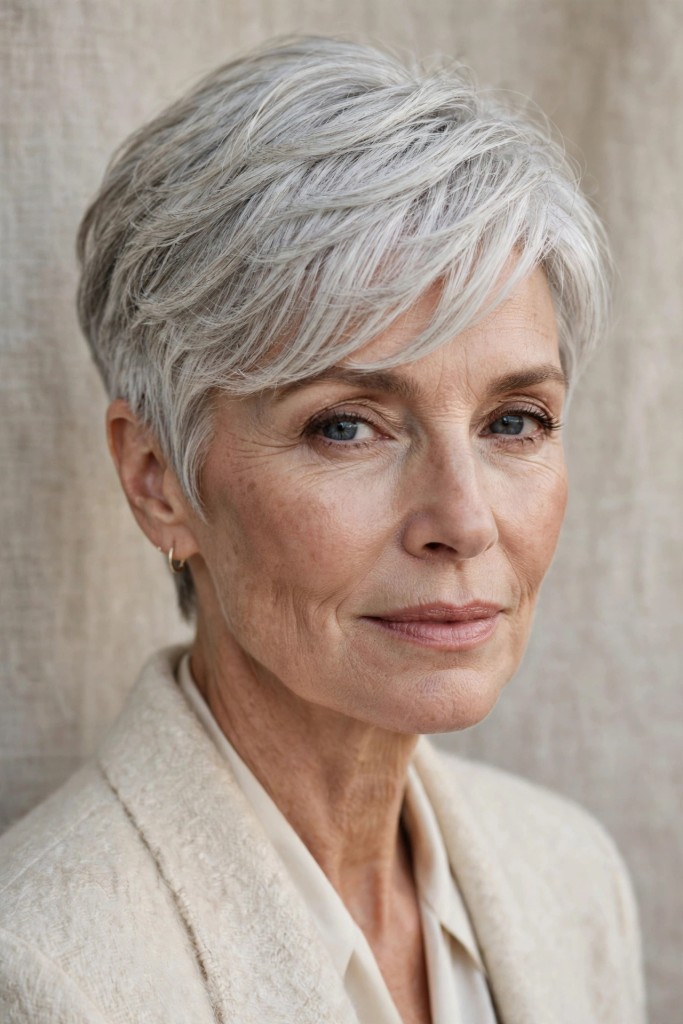

    Similar to a pixie but slightly longer on top, the crop is versatile and sophisticated. It can be side-swept for a touch of glamour or left messy for a more modern feel. It’s incredibly easy to maintain with regular trims and requires just a pea-sized amount of pomade to style.


    For the Trendsetters (Modern & Edgy)

    For those who love to make a statement and aren’t afraid of bold shapes and textures.

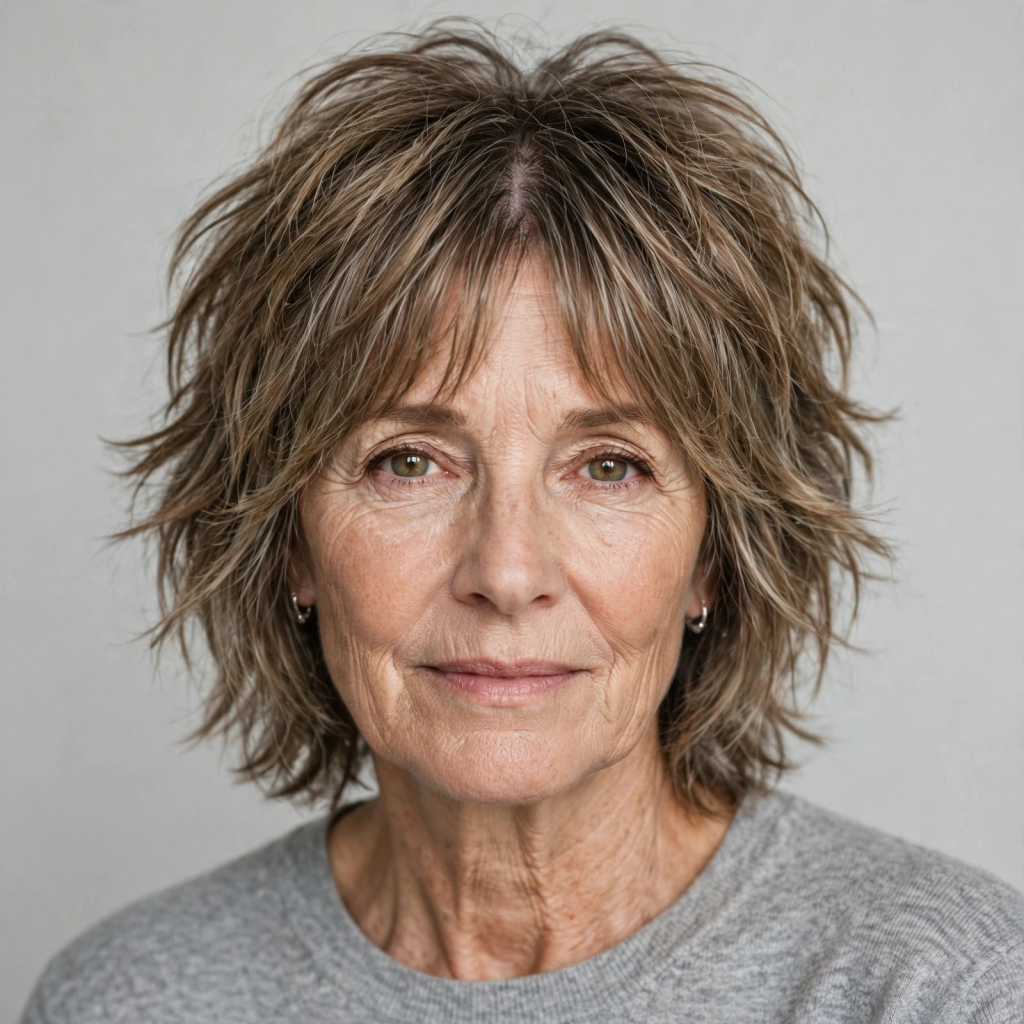
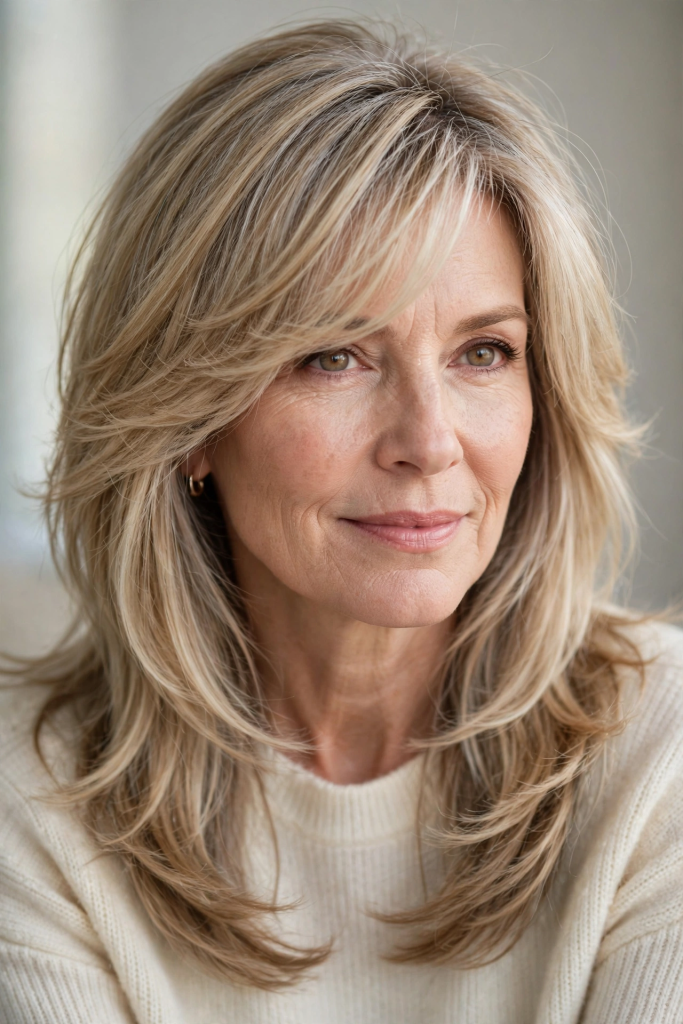
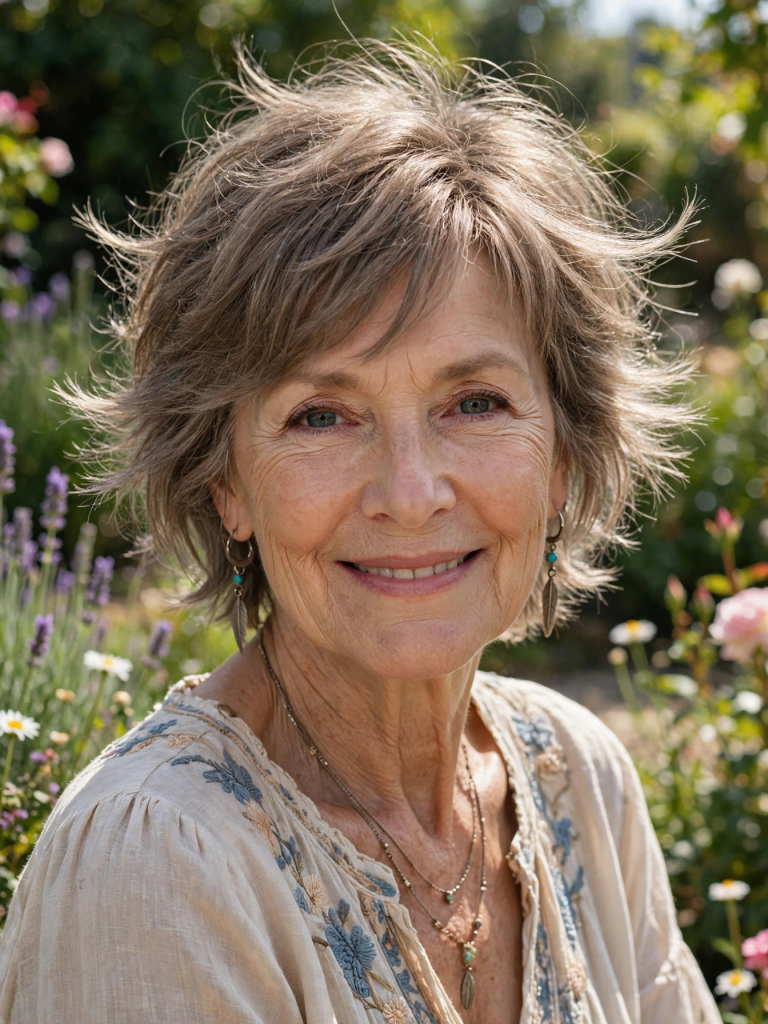
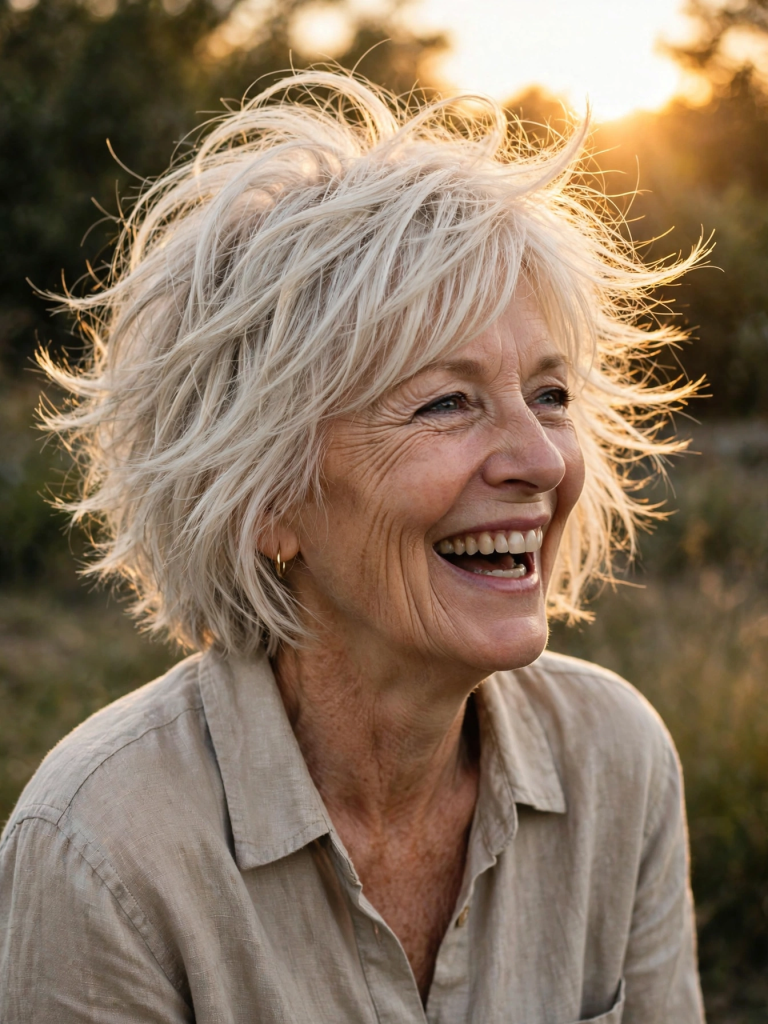
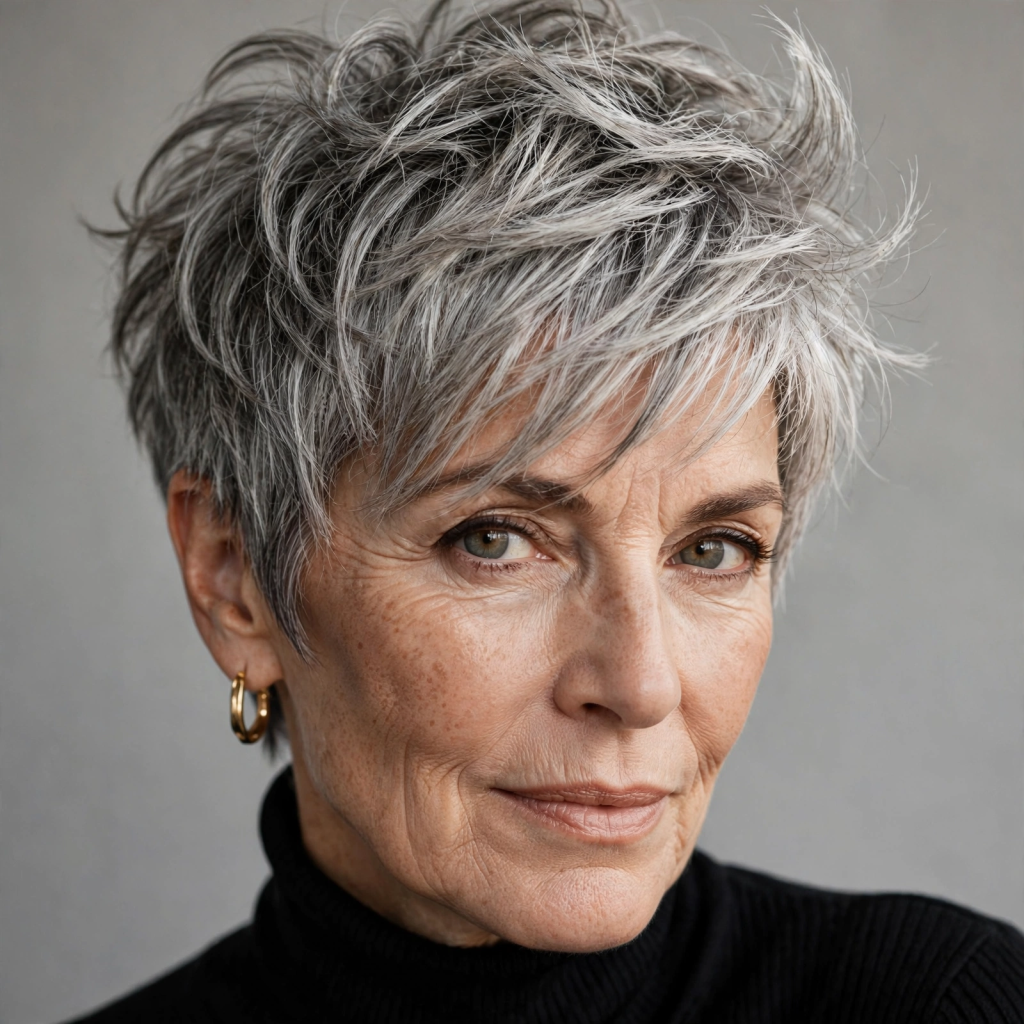
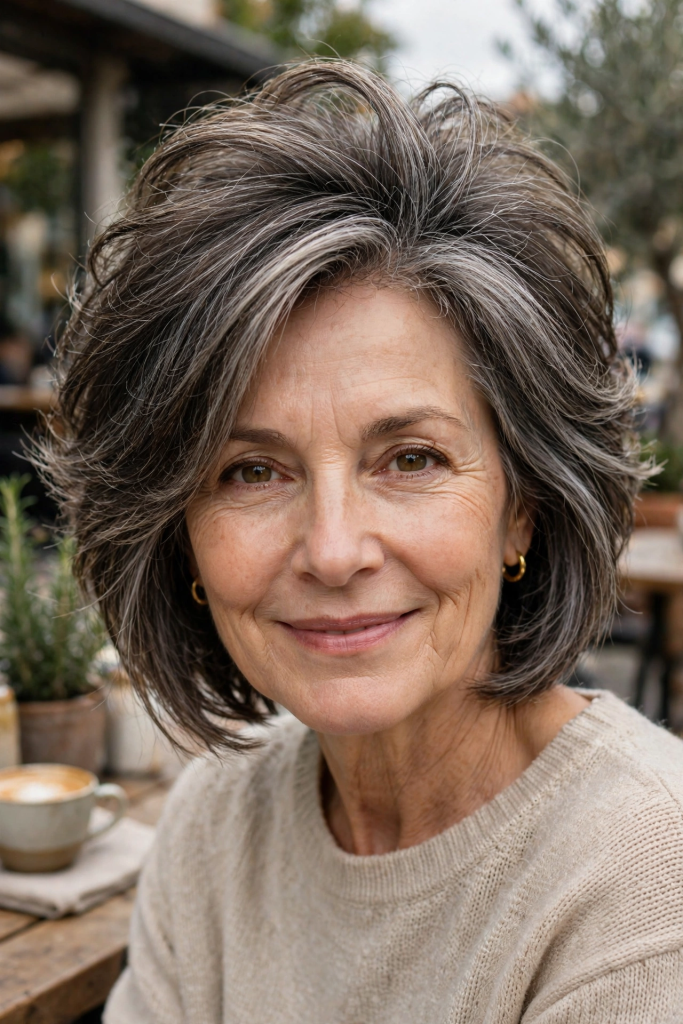
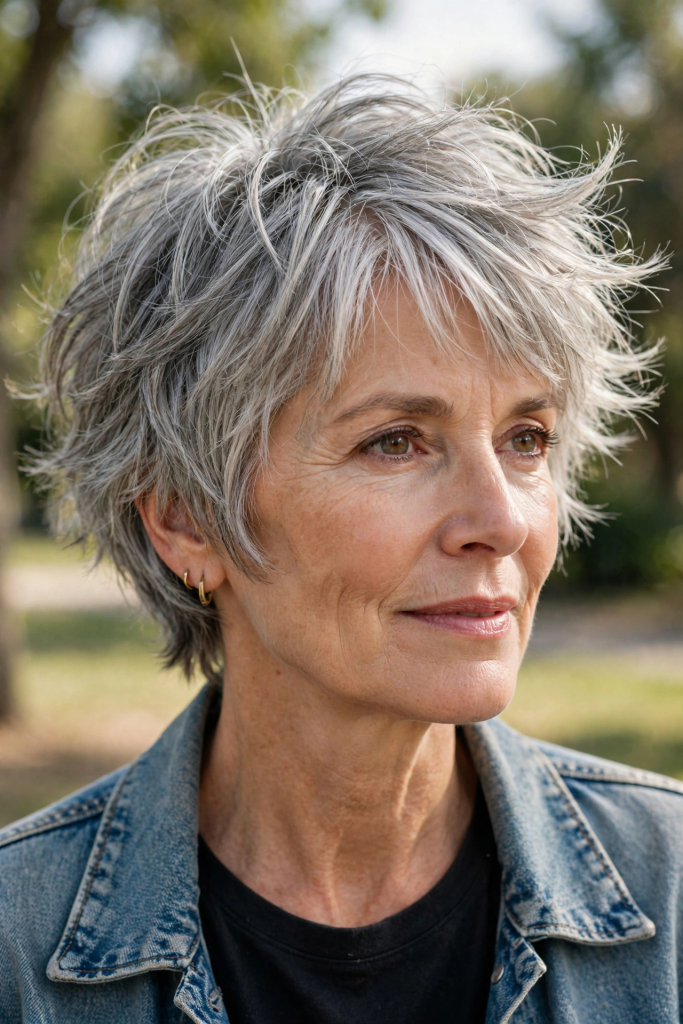
    6. The Modern Shag
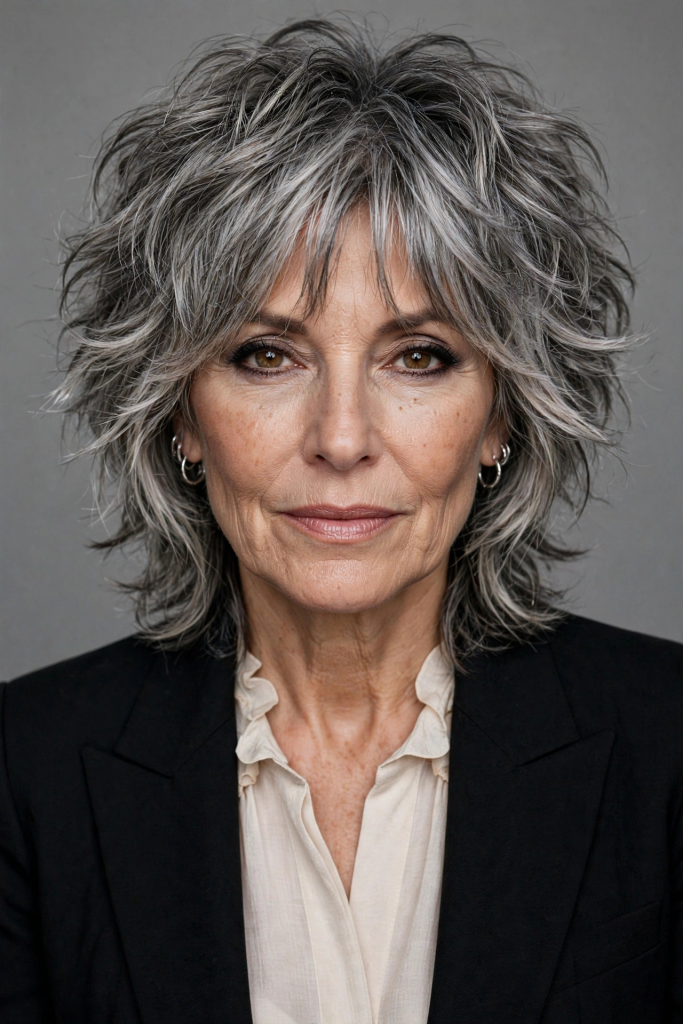

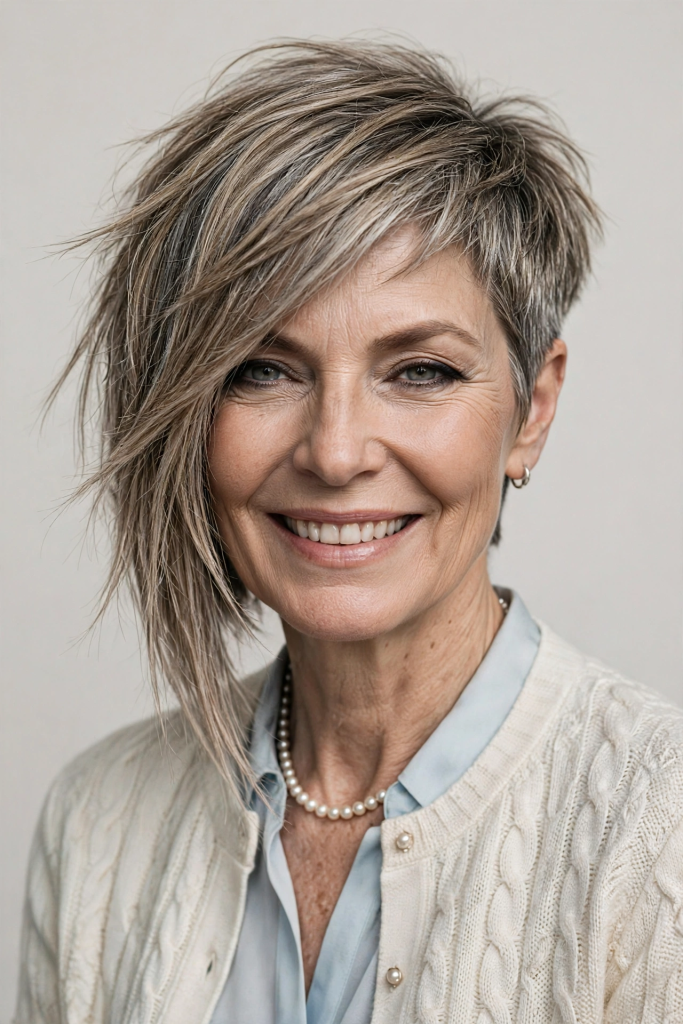
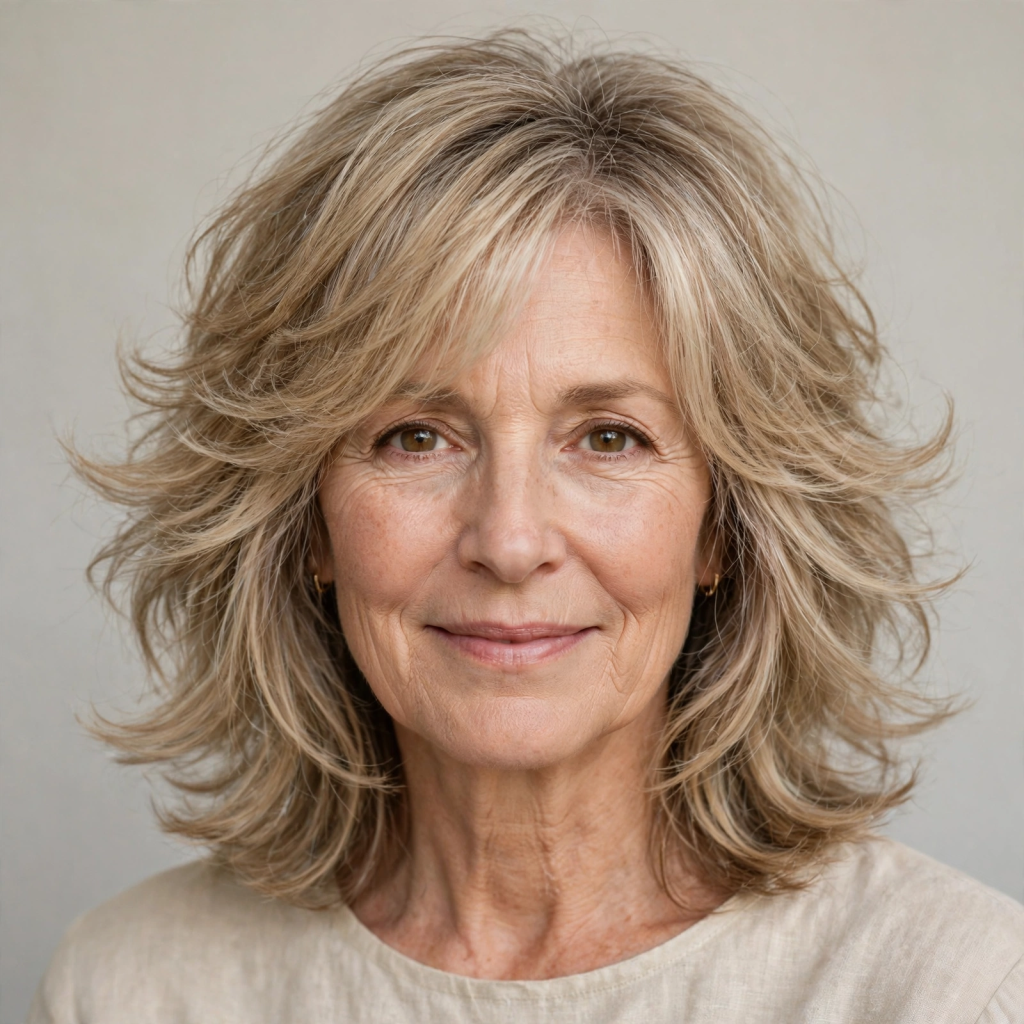
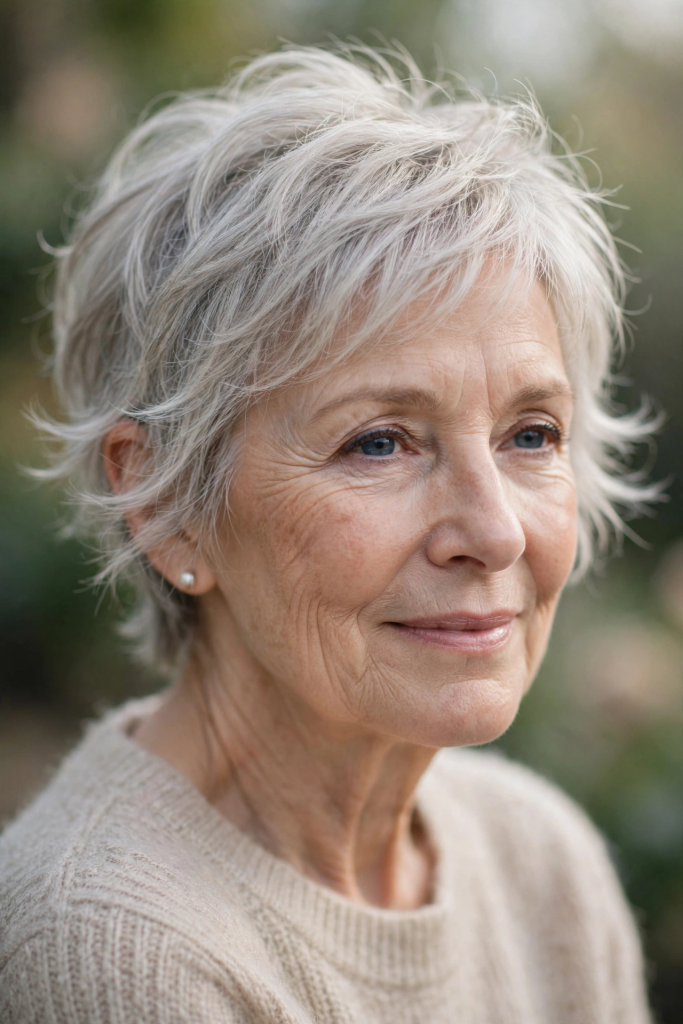
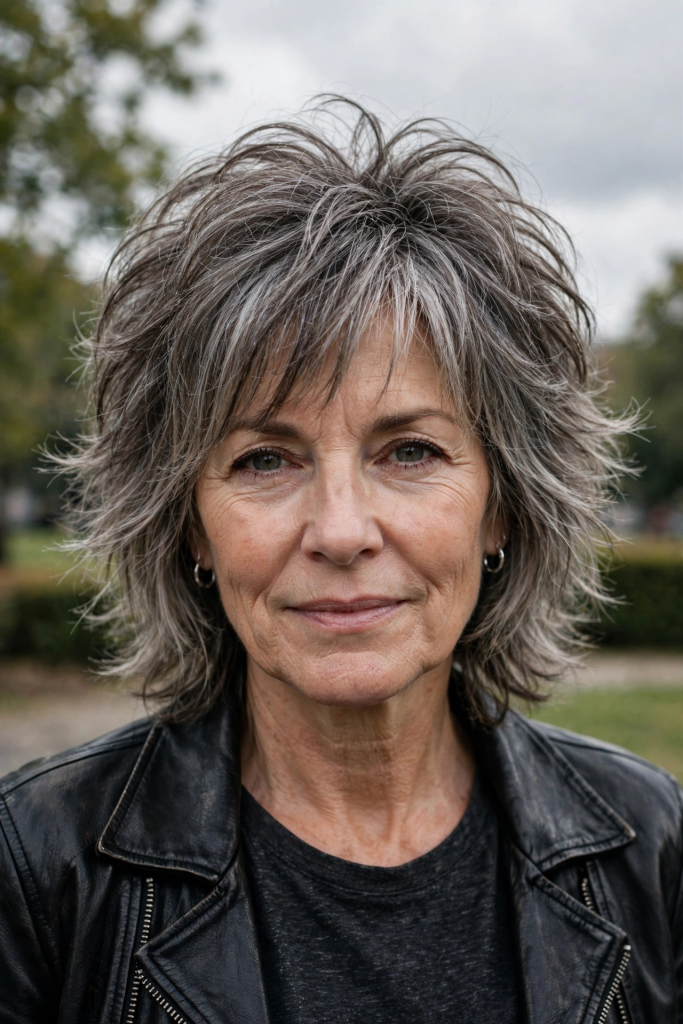
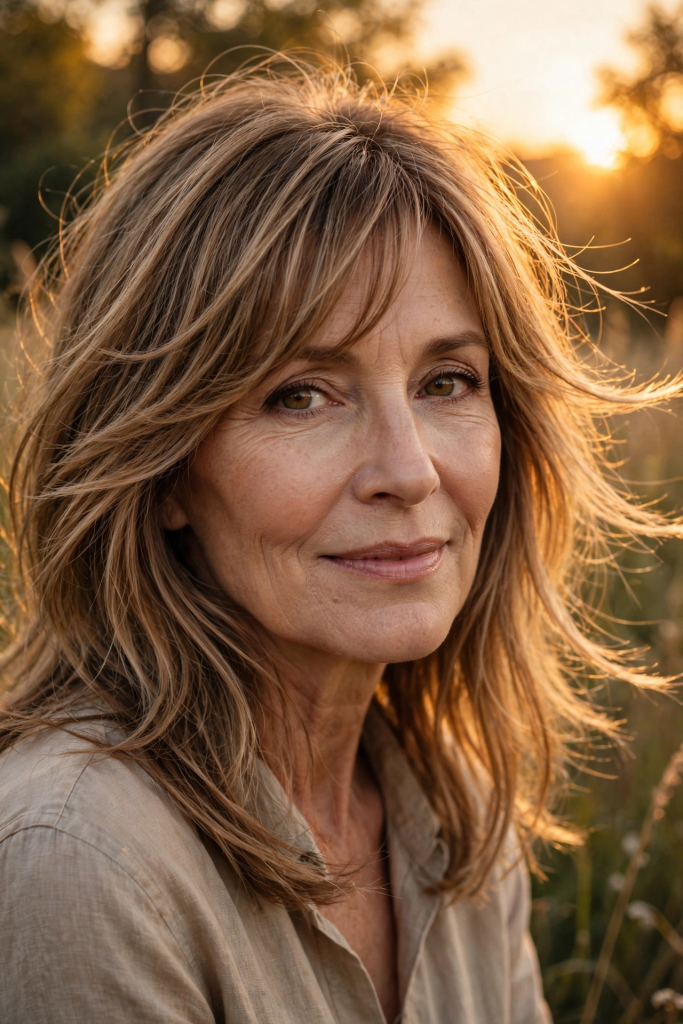
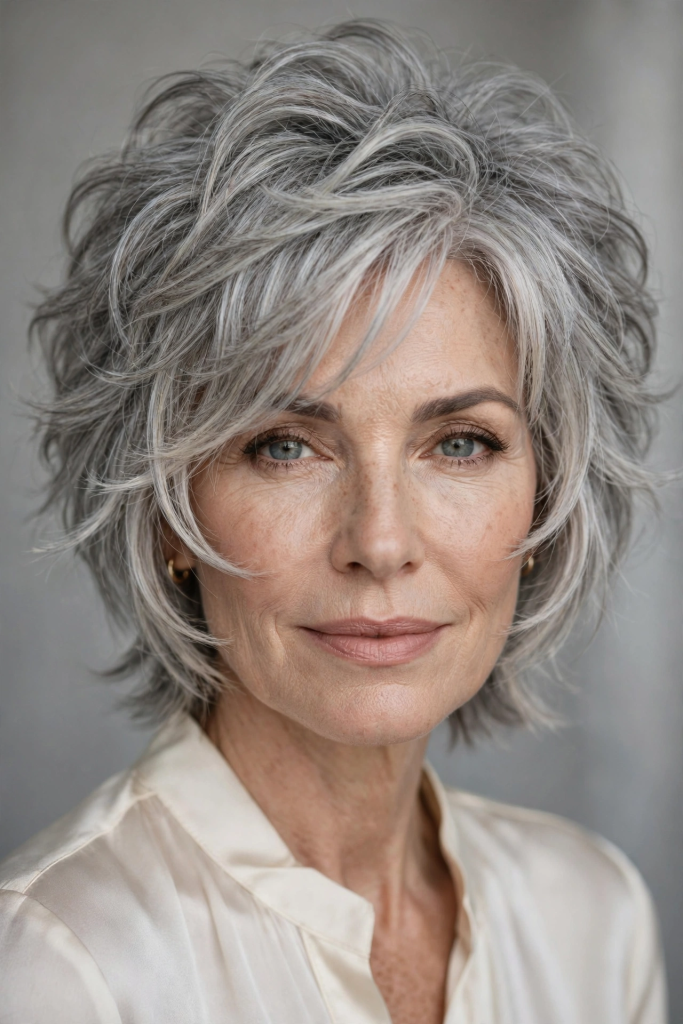
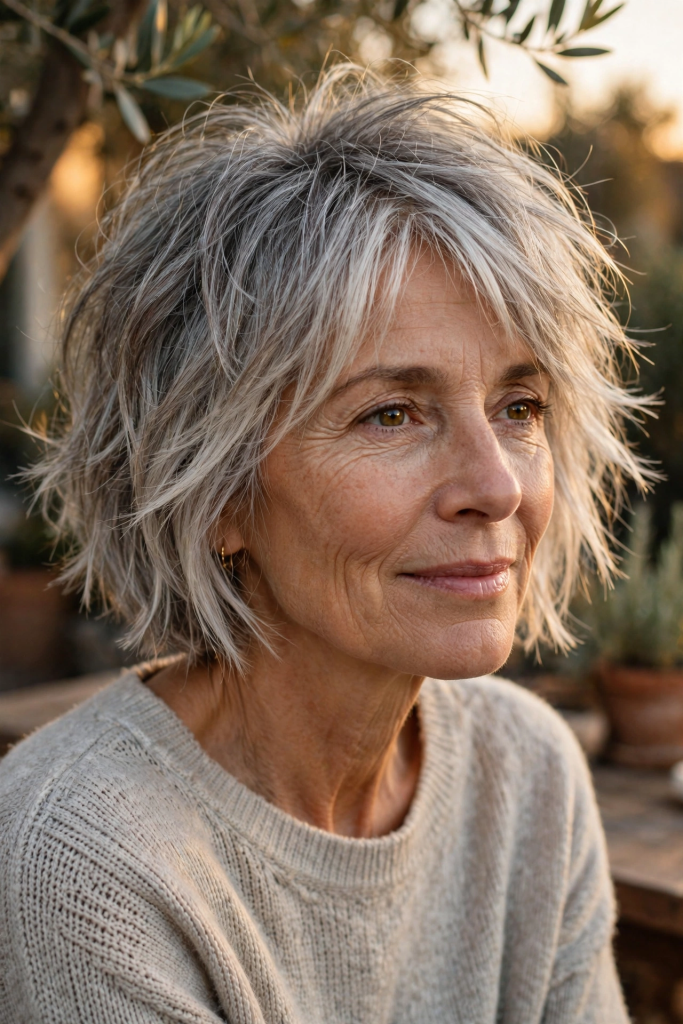
    The shag has made a major comeback. This cut relies on heavy, choppy layers that create texture and movement—two things thin hair desperately needs. It works best with a slightly longer top and can be paired with bangs for an edgy, rock-and-roll look.

    7. The Textured Bowl Cut (The “Mushroom”)
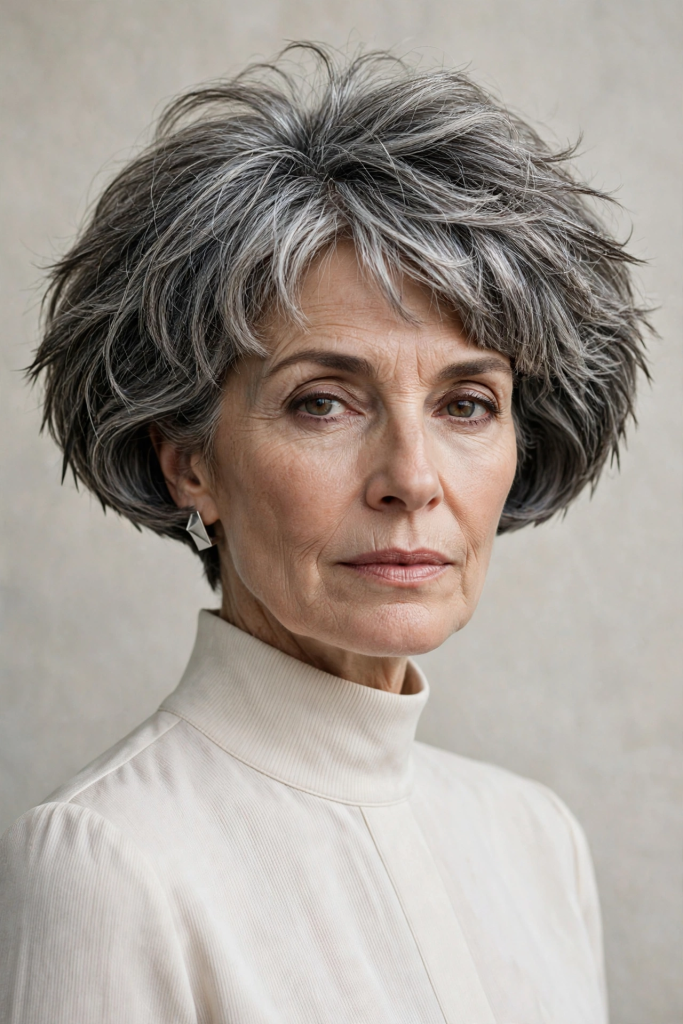

    Forget the childhood haircut you remember. The modern bowl is soft, texturized, and rounded. It’s a stunning, avant-garde look that frames the face beautifully and gives a massive illusion of density due to its uniform shape. It’s incredibly low-maintenance as the shape is built into the cut.

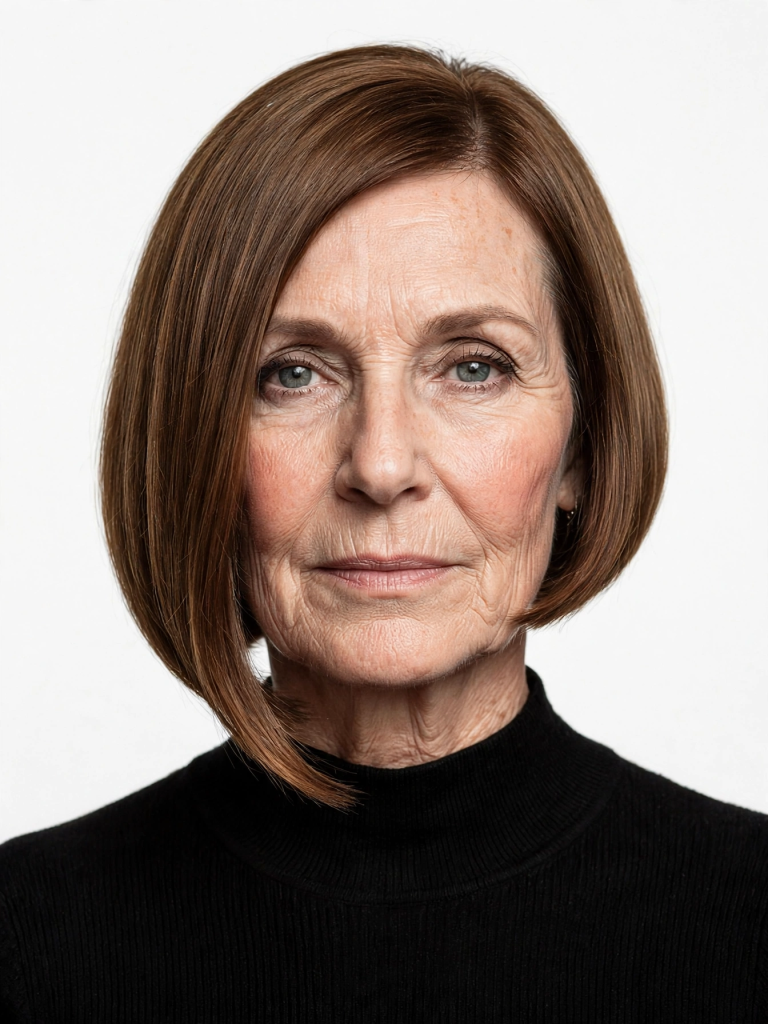
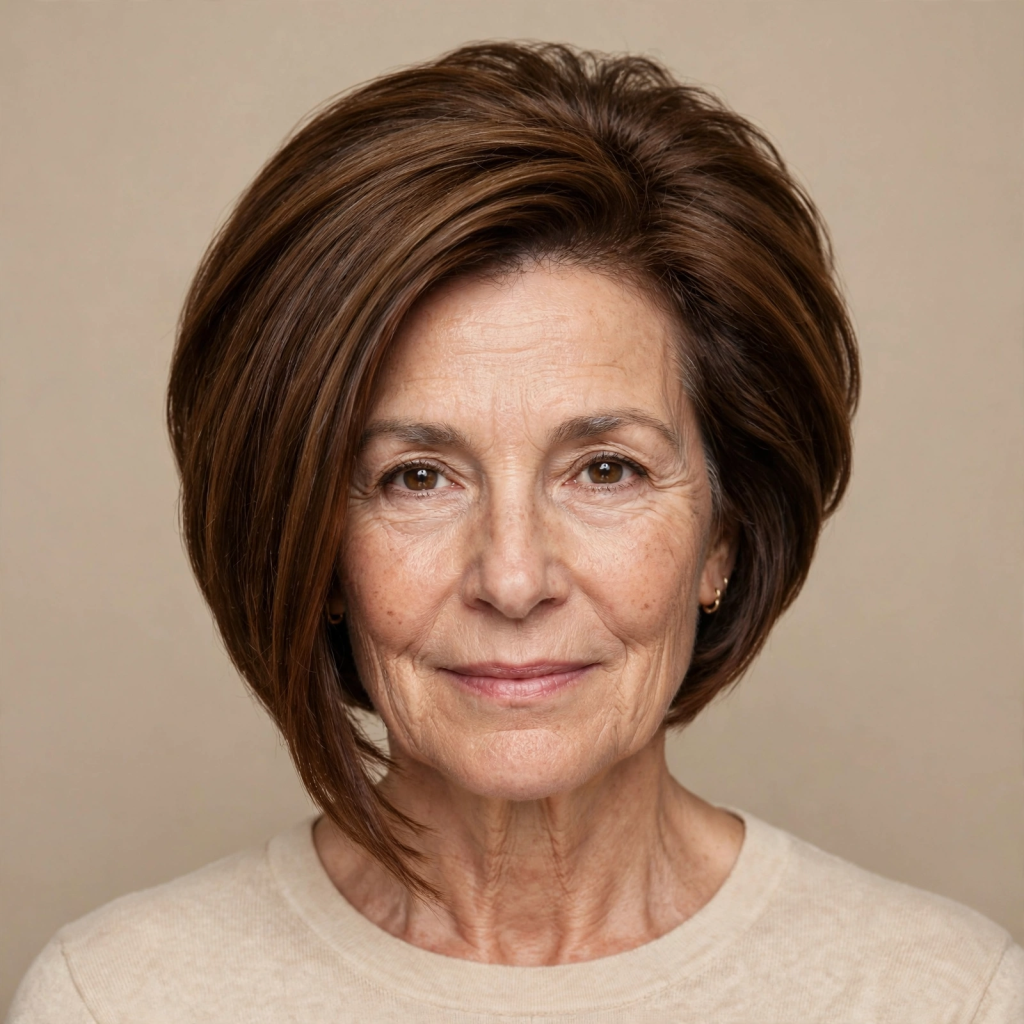
    8. The Asymmetrical Bob
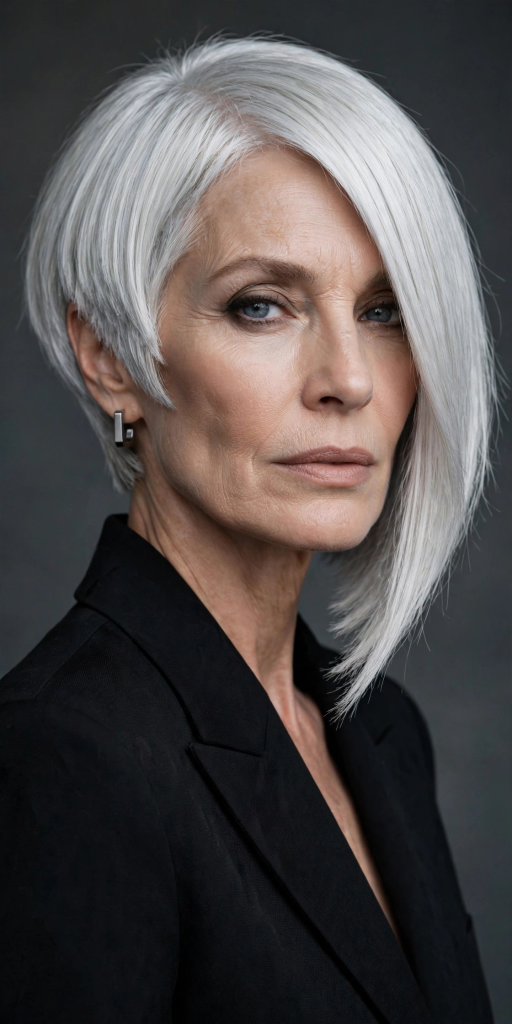

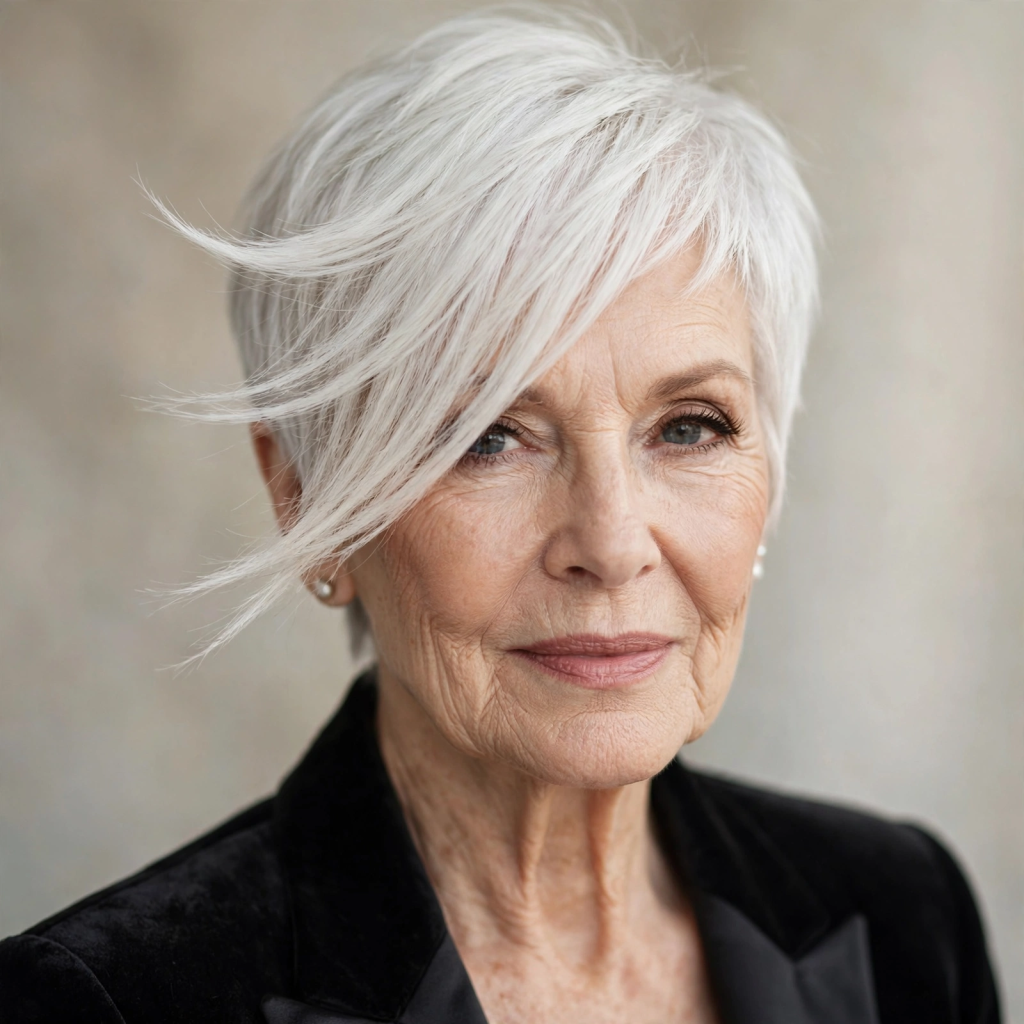
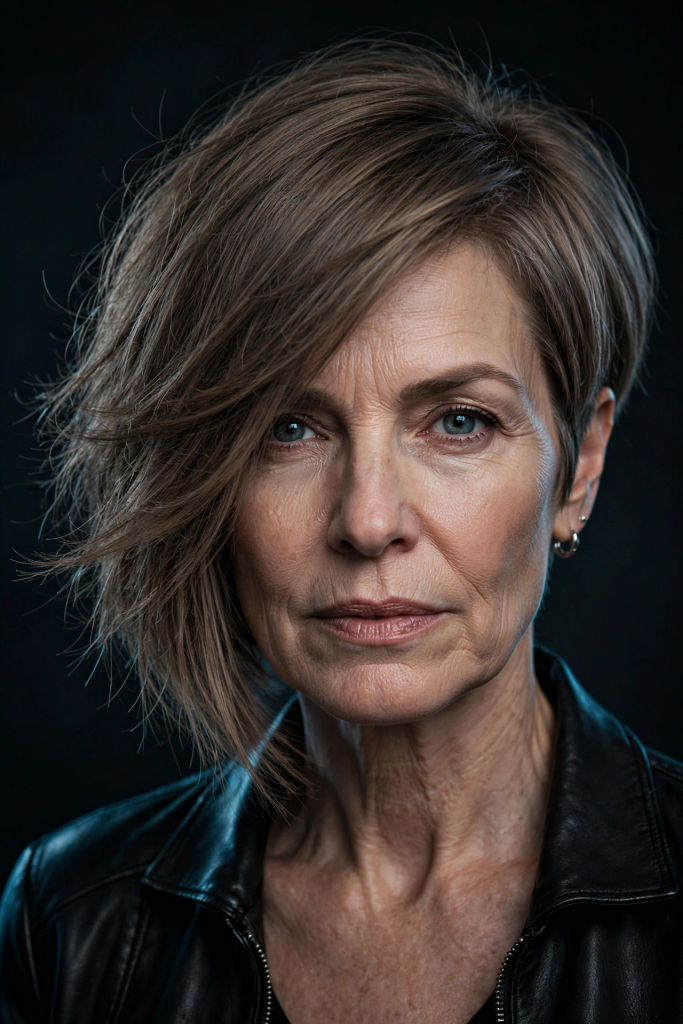
    This style plays with angles and is shorter on one side and longer on the other. This asymmetrical shape adds instant interest and draws the eye away from the hair’s thickness and toward the overall silhouette. It’s a “wash-and-wear” cut that always looks deliberate.

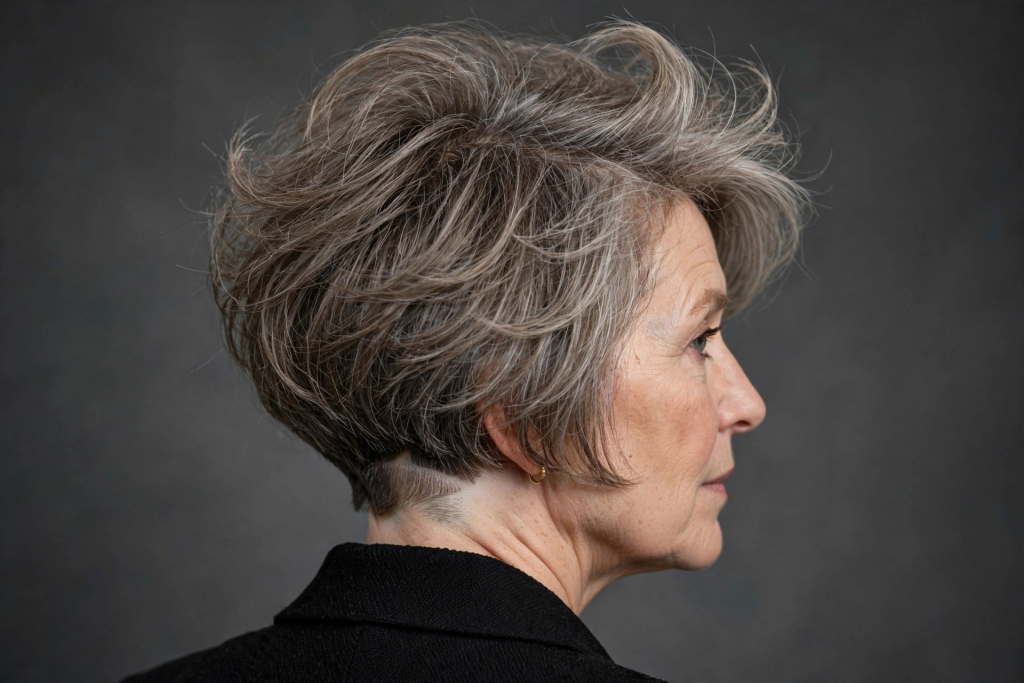
    9. The Blunt Cut with an Undercut
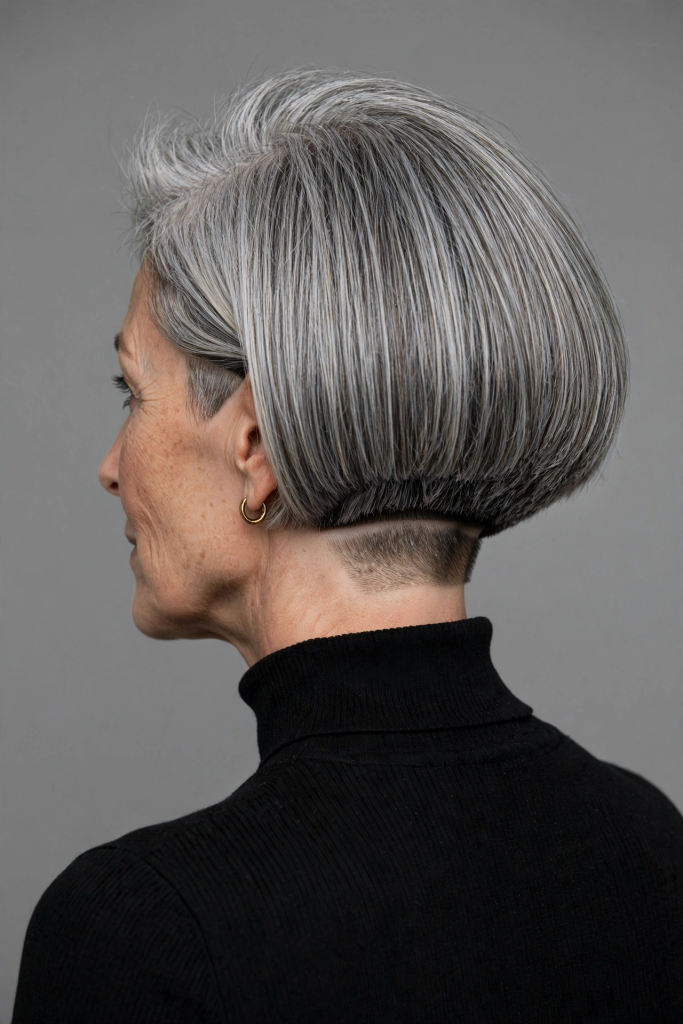

    The classic 90s undercut is back. This involves shaving a subtle section of hair at the nape of the neck. This reduces bulk and weight, allowing the top layer—which is cut bluntly—to sit with more volume and movement. It’s a hidden secret that makes styling a breeze.

    10. The Wet-Look Crop
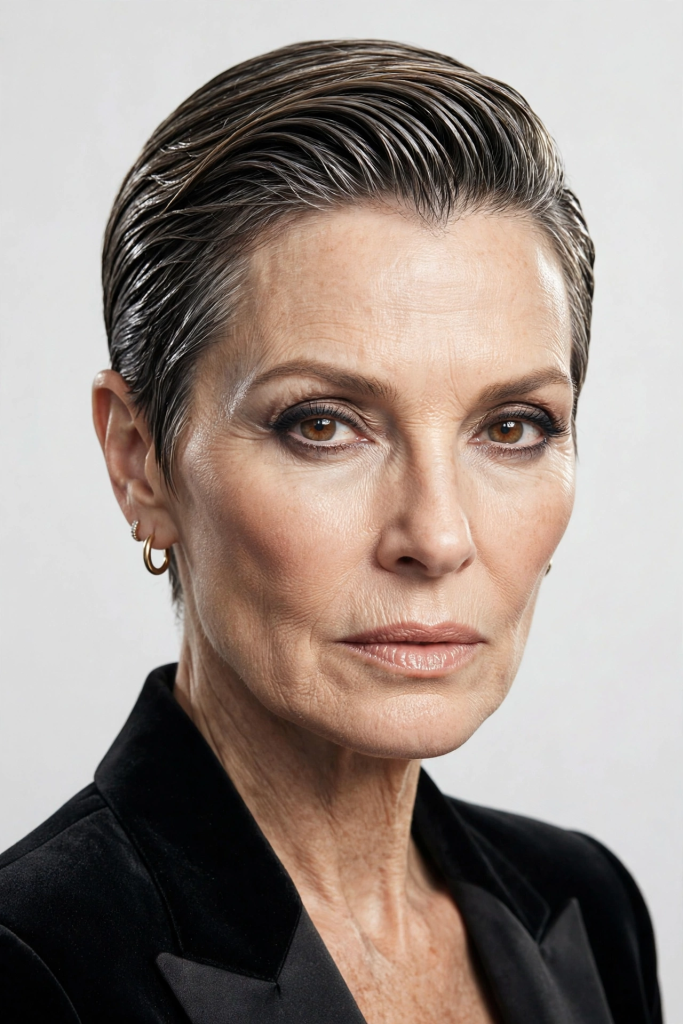

    This modern take on the pixie is perfect for the woman on the go. The cut itself is sharp and defined. To style, you simply apply a heavy gel or styling lotion to damp hair and brush it back off the face. It dries into a sleek, sophisticated look that takes under two minutes.


    For Curls & Waves (Embracing Natural Texture):

    Don’t fight your natural wave or curl! These styles use texture to your advantage, creating volume that lasts all day.

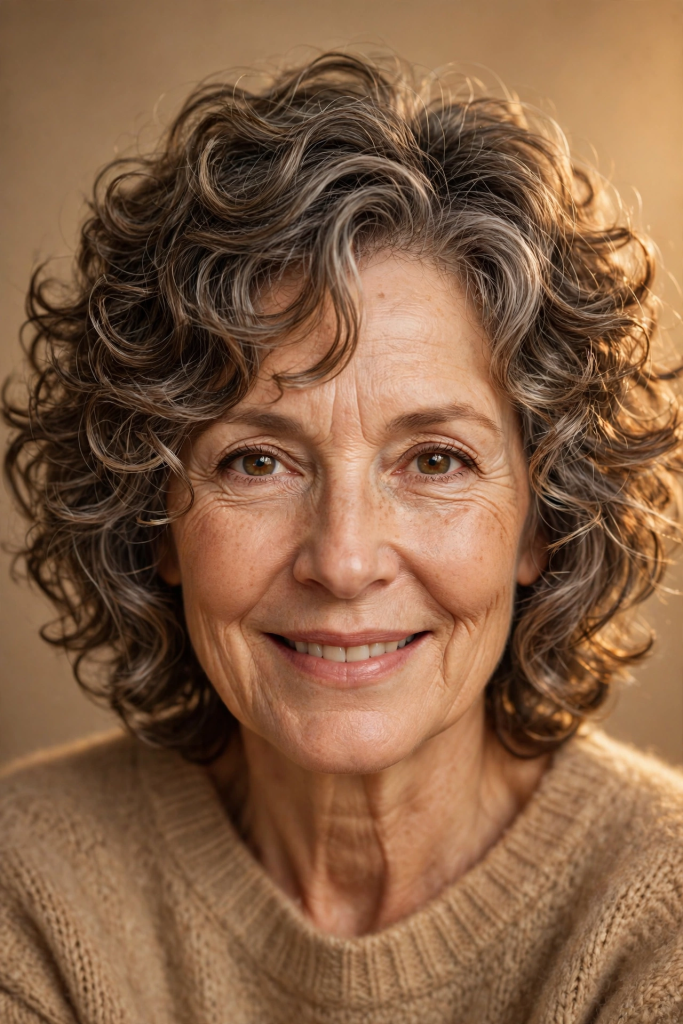
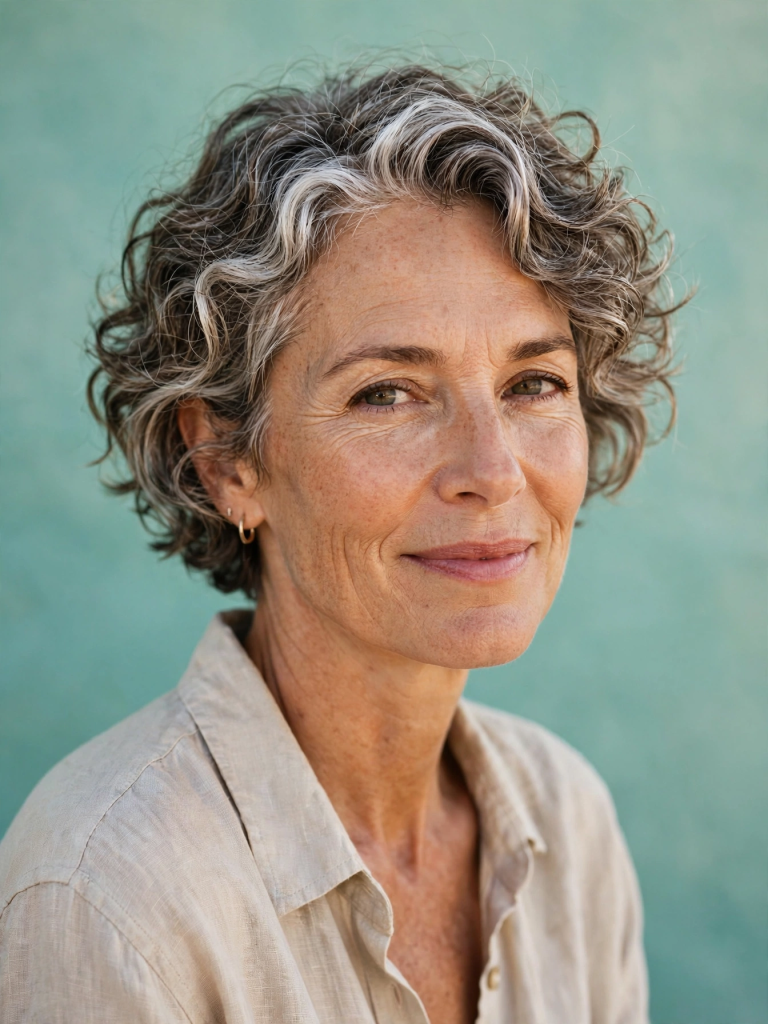
    11. The Tapered Curly Cut
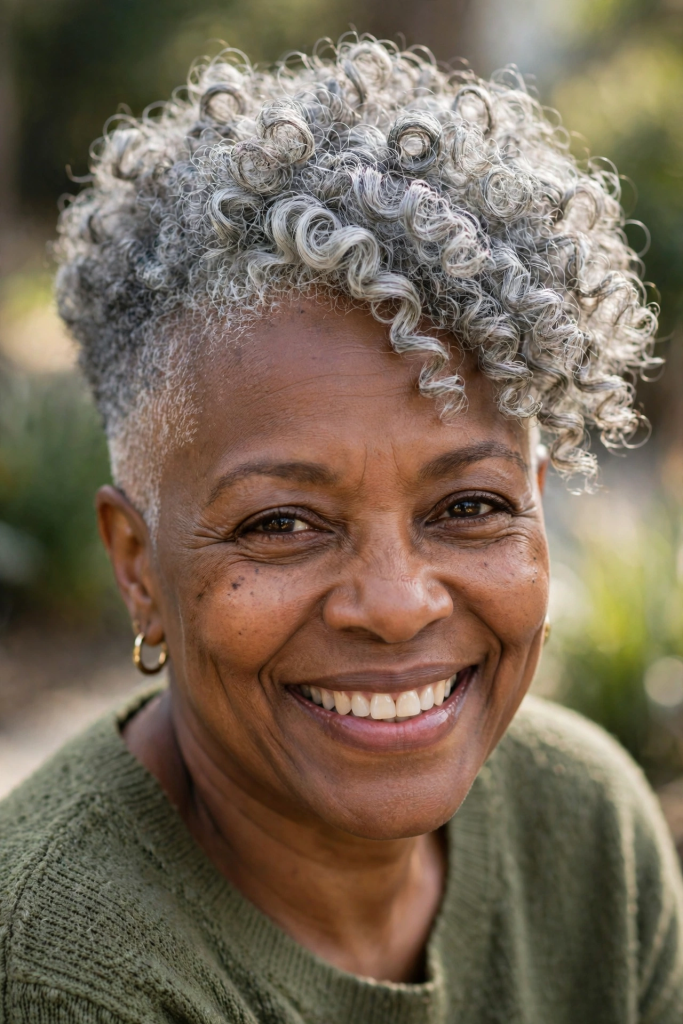

    This is a genius cut for curly or wavy hair. It’s shorter on the sides and back and longer and more voluminous on top. This “pixie-curl” hybrid gives you height and definition where you need it most, reducing the weight that causes curls to become limp.

    12. The Curly Bob
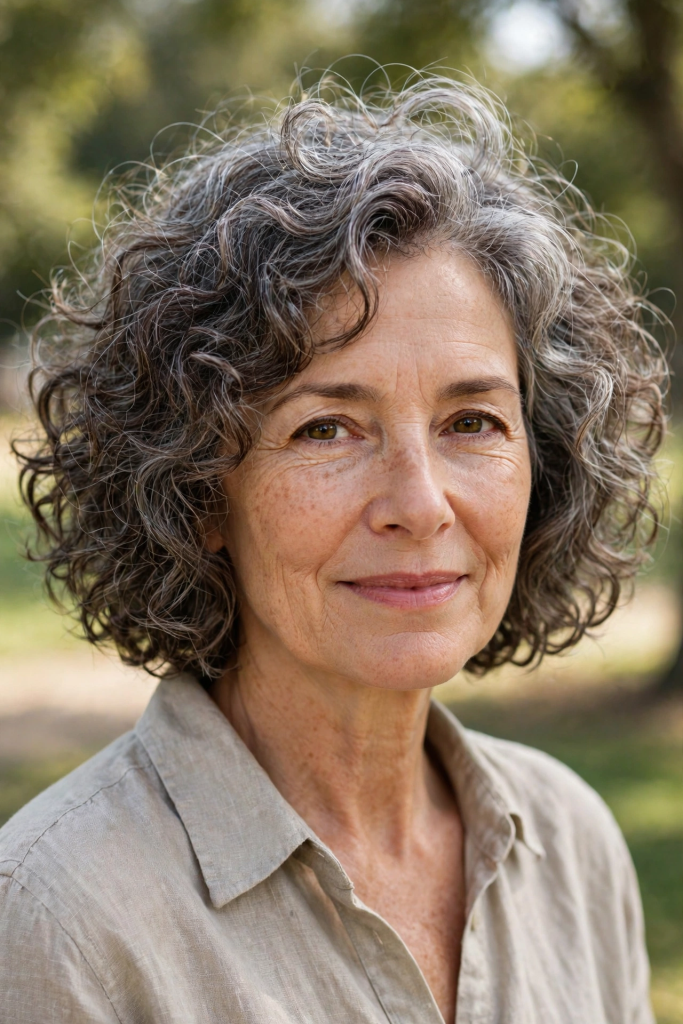

    For those who prefer a bit more length, the curly bob is perfection. It falls just at the chin or shoulders. The secret is the cut—it’s done on dry hair to let each curl bounce naturally. A quick refresh with a water spray and some curl cream is all you need to revive it.

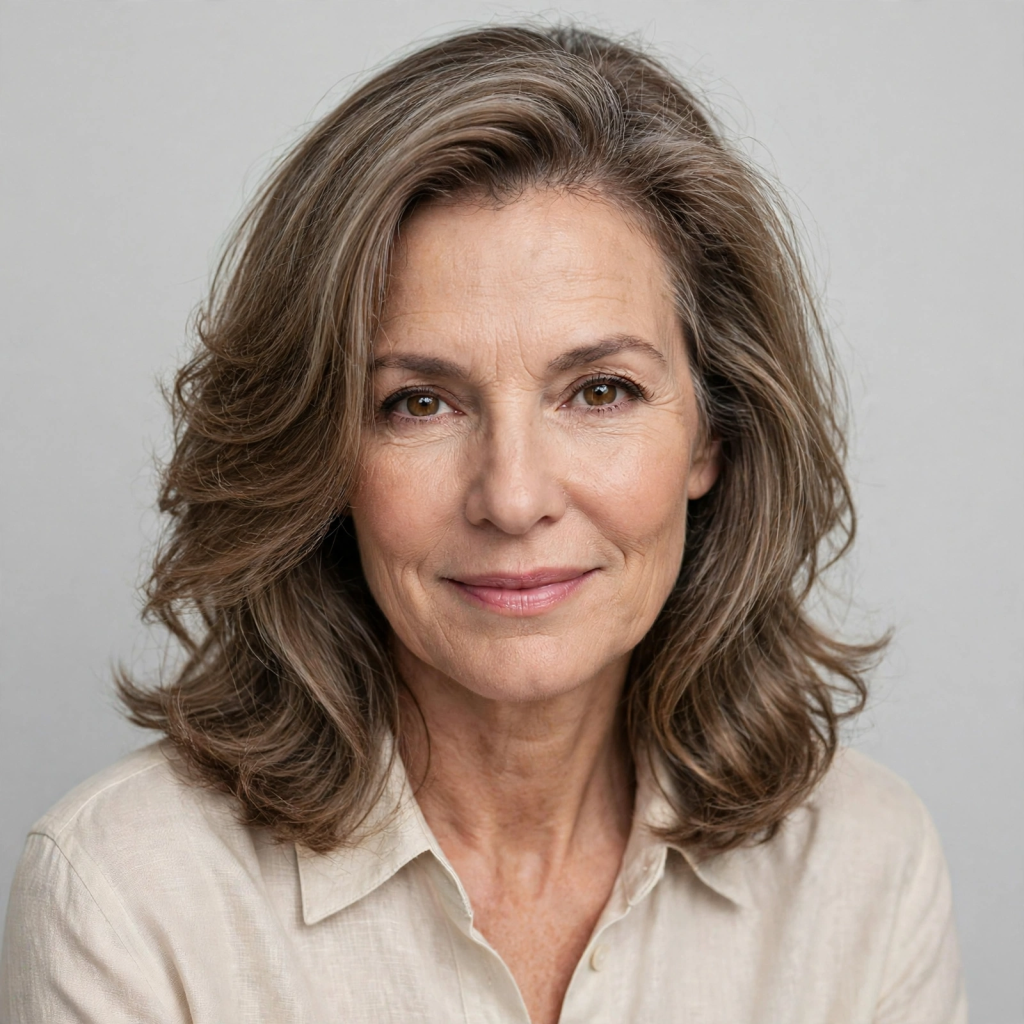
    13. The Long Layered Shag (for Wavy Hair)
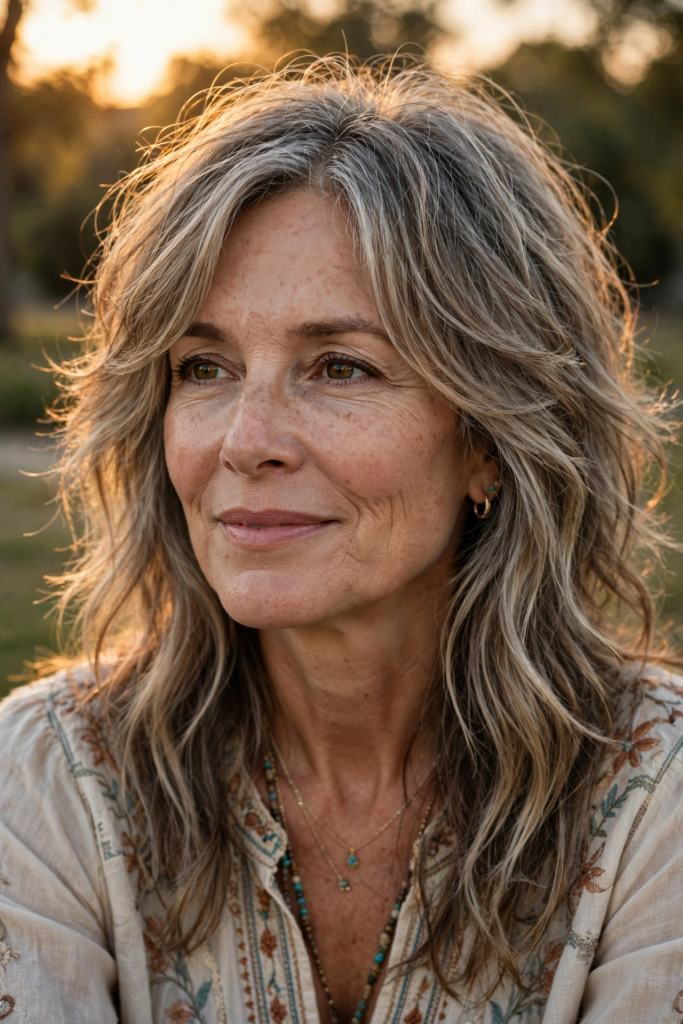

    This takes the classic shag and makes it softer. Long layers throughout the length give the hair a wispy, breezy quality. The layers provide the foundation for waves to interlock and create the illusion of thicker, fuller hair.

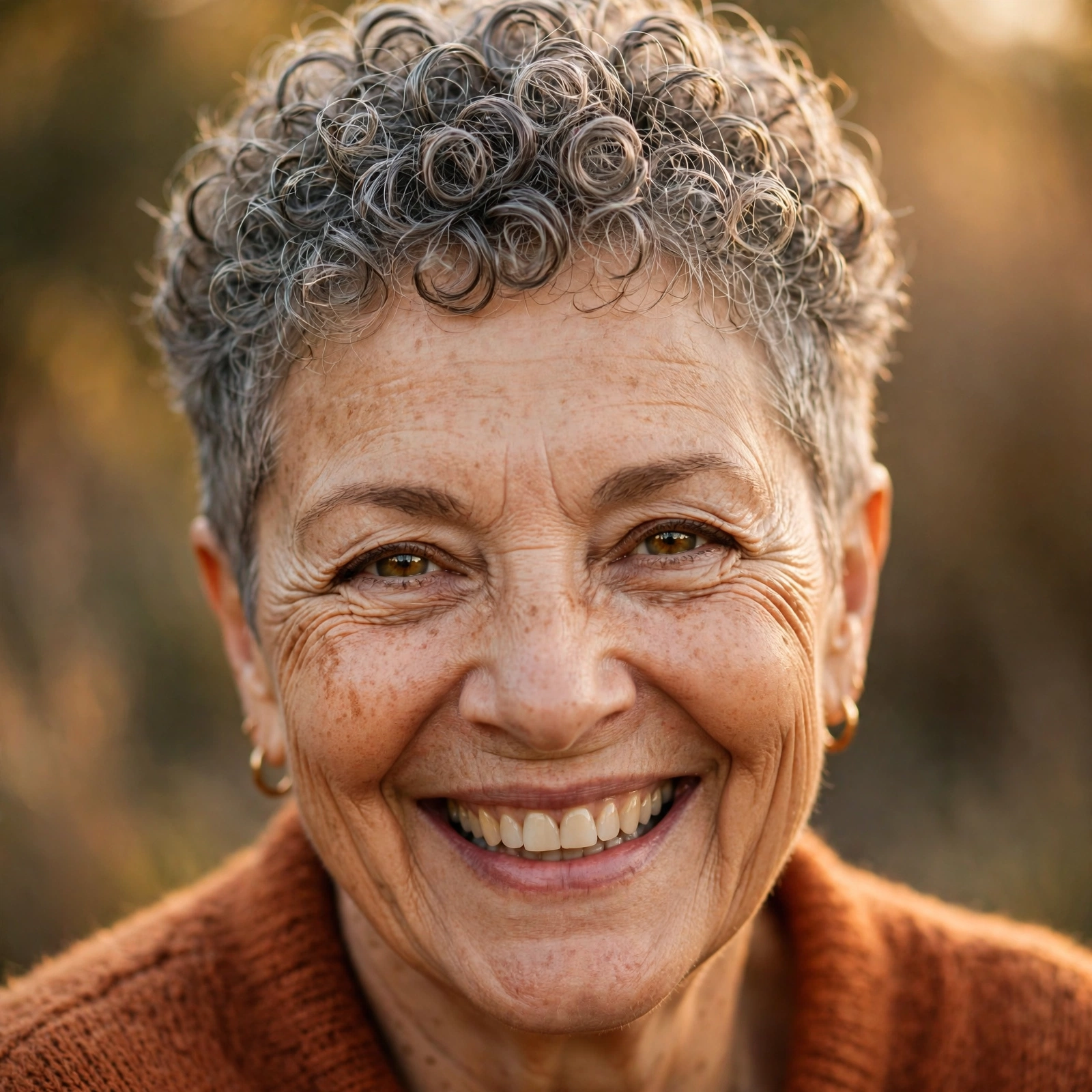
    14. The Wash-and-Go Pixie
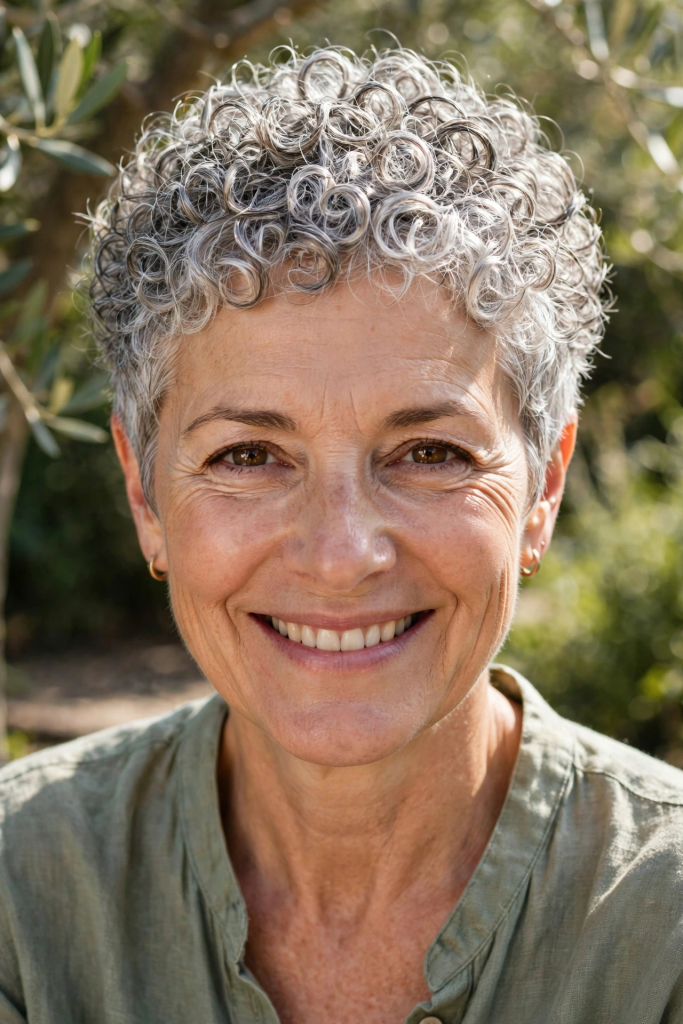

    If you have natural curls, this is the ultimate “set it and forget it” style. A short, curly pixie is cut to conform to your curl pattern. After washing, a simple scrunch with a curl-enhancing mousse is all it takes to produce defined, bouncy curls.

    15. The Tousled Wave Crop
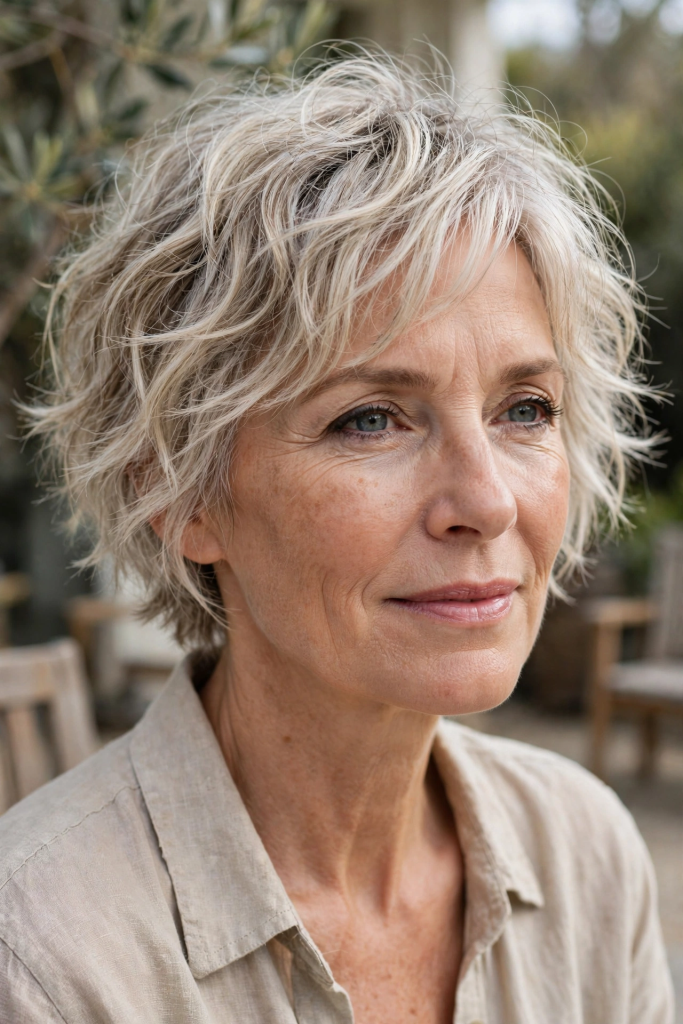

    This is for women with a slight bend or kink in their hair. The cut is short and choppy, encouraging that natural wave to appear. A salt spray scrunched in with a towel creates beachy, effortless texture that looks like you just stepped off a yacht.


    Bangs & Fringes (Frame Your Face)

    Bangs are an incredible tool for hiding thinning at the hairline and adding youthful softness to the face.

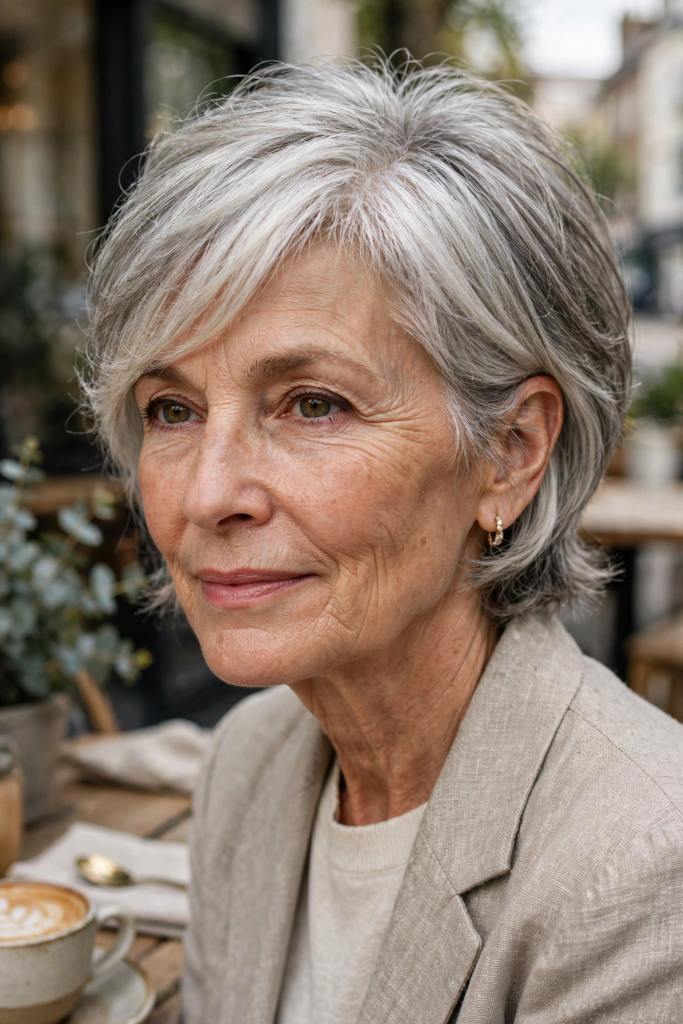
    16. The Wispy Fringe
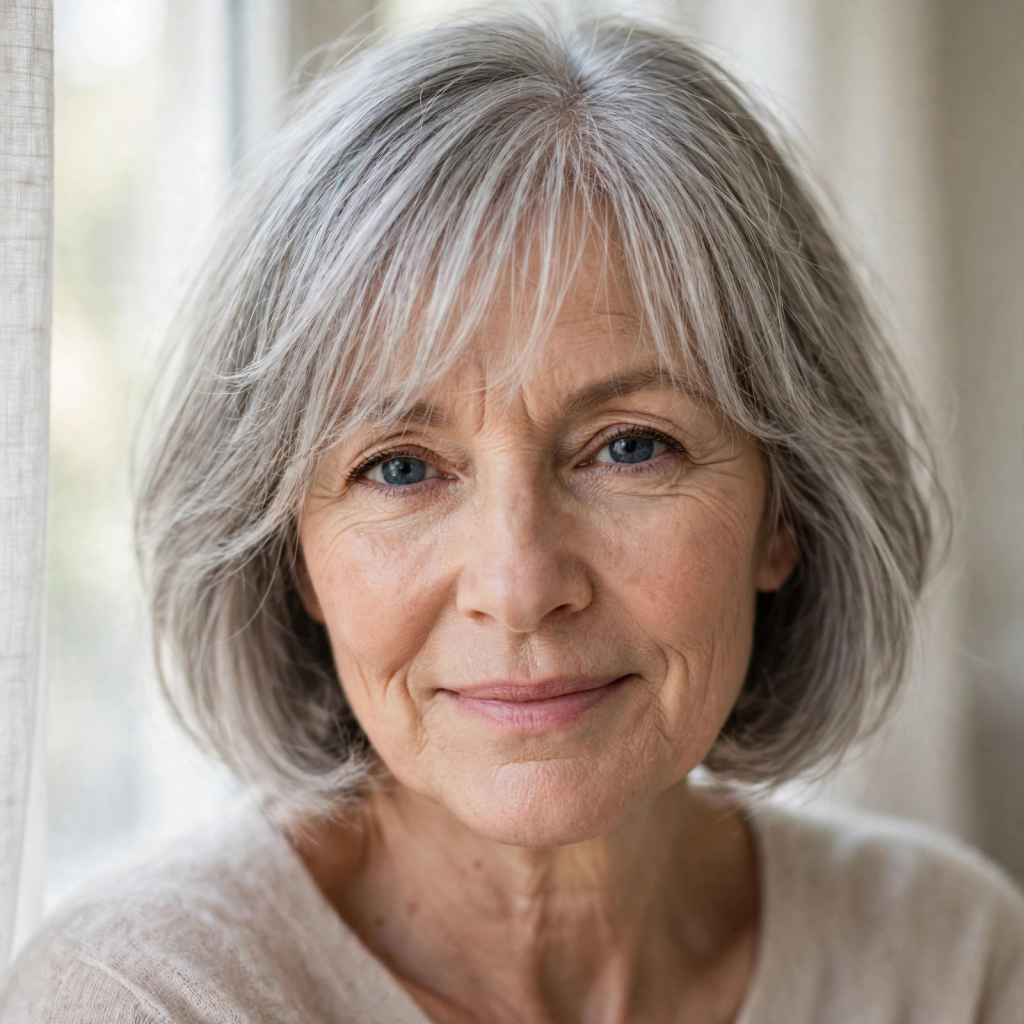

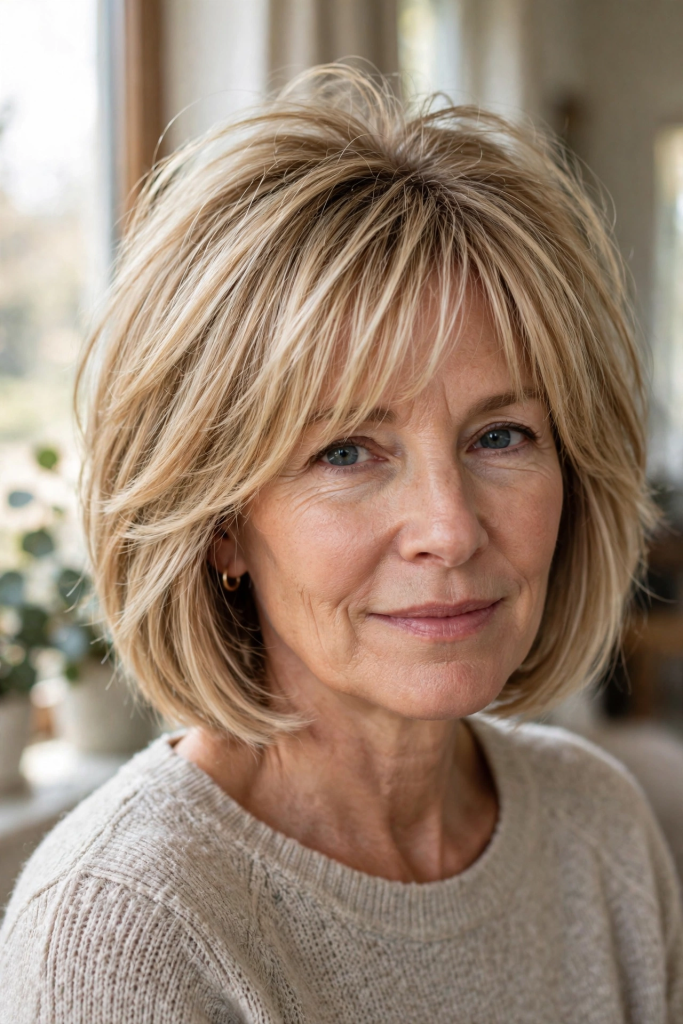
    Perfect for fine hair, this is a light, airy fringe that isn’t too heavy. It’s cut with texture so it doesn’t sit in a thick, blunt line. It softens the forehead and reduces the visual “open space” where thin hair can be most noticeable.

    17. Side-Swept Bangs
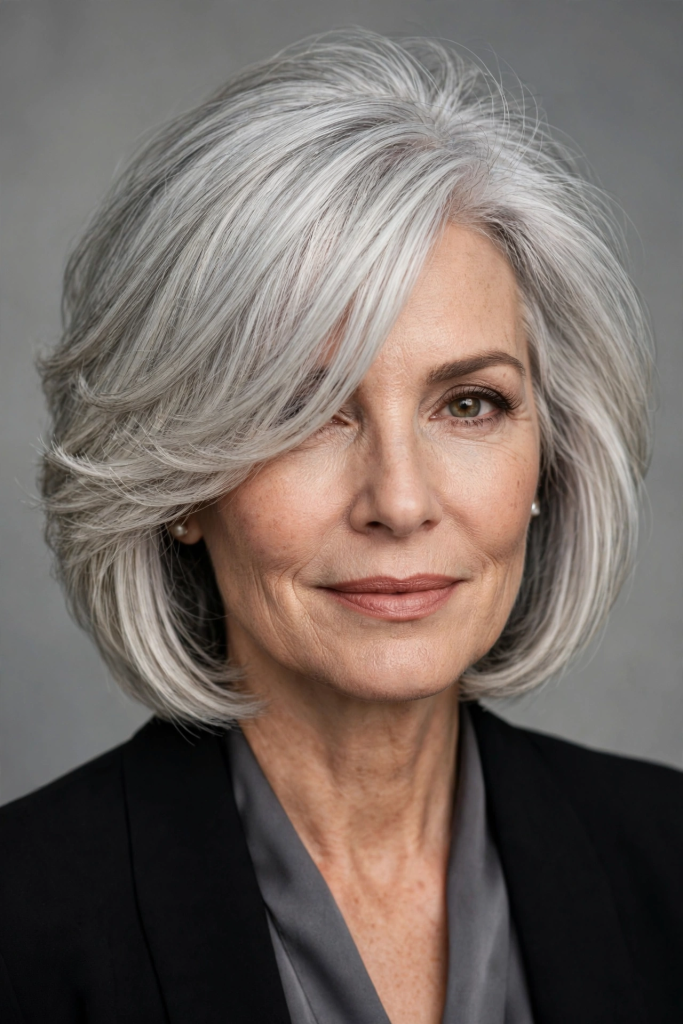

    A timeless choice. Side-swept bangs are cut longer and swept to one side. This creates a beautiful diagonal line across the forehead, adding depth and the illusion of density. They are very forgiving to style and don’t require perfect symmetry.

    18. The Choppy Bardot Fringe
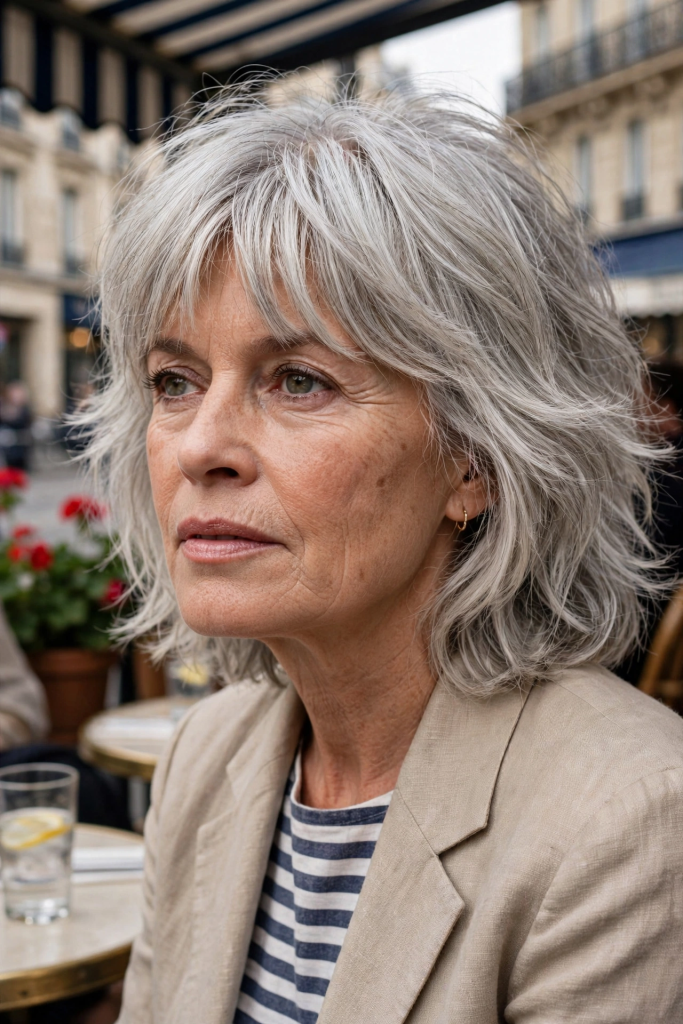

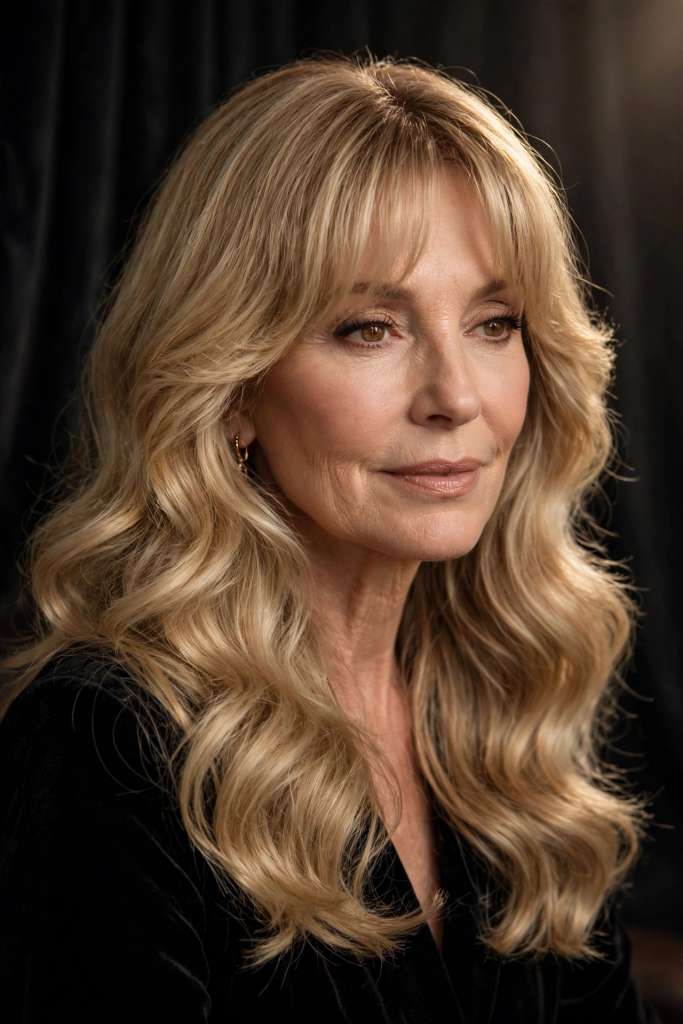
    Inspired by Brigitte Bardot, this is a heavier, textured fringe that’s parted in the middle. It adds a ton of fullness to the front of your hair and has a glamorous, “I just woke up like this” vibe.

    19. Micro-Bangs
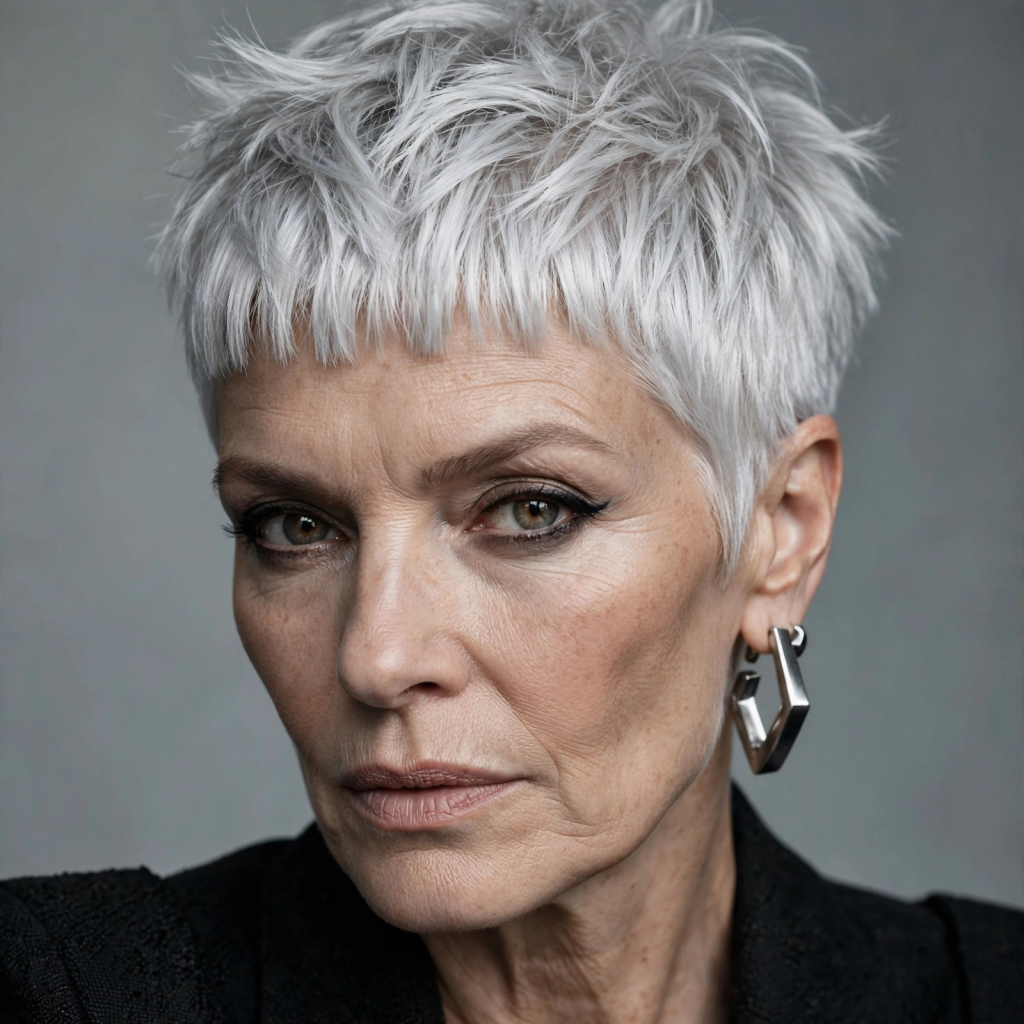

    This is a bold, edgy choice. Micro-bangs are cut very short, above the brows. This style draws the eye upward to your cheekbones and eyes, minimizing any concerns about the hair’s thickness. A tiny bit of wax is all you need to style them.

    20. Curtain Bangs
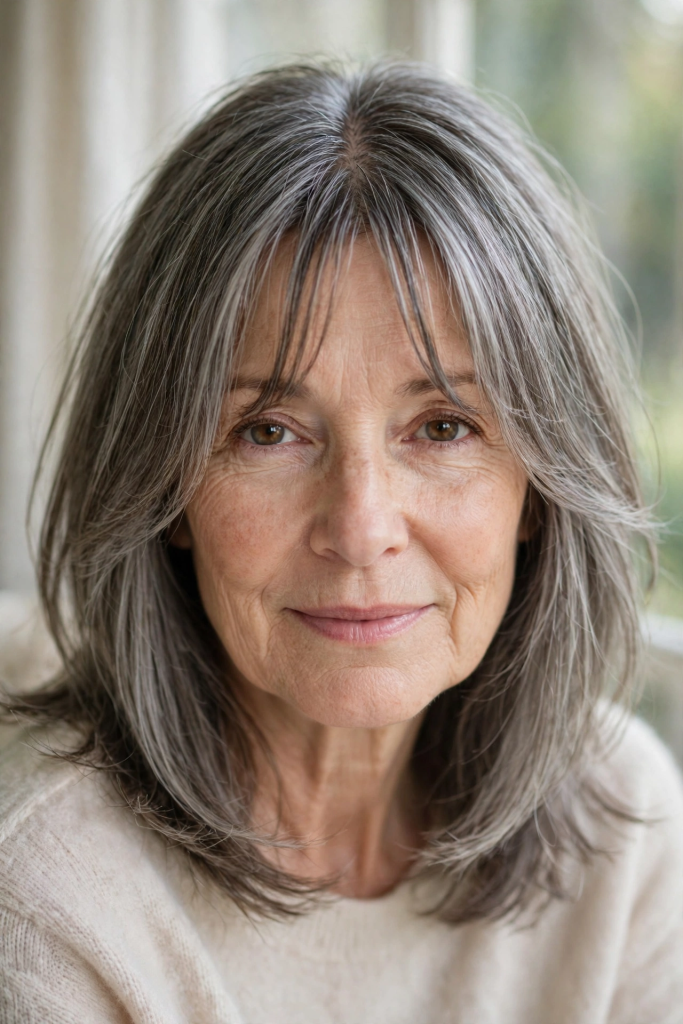

    These frame the face and are parted in the center, mimicking a curtain. They are a softer, more romantic take on bangs. They grow out gracefully and blend easily into any hairstyle, making them one of the lowest-maintenance fringe options.


    Getting Creative (Accessories & Colors)

    Sometimes, it’s not about the cut but the clever tricks that make the style look fuller and easier to manage.

    21. The Headband Style
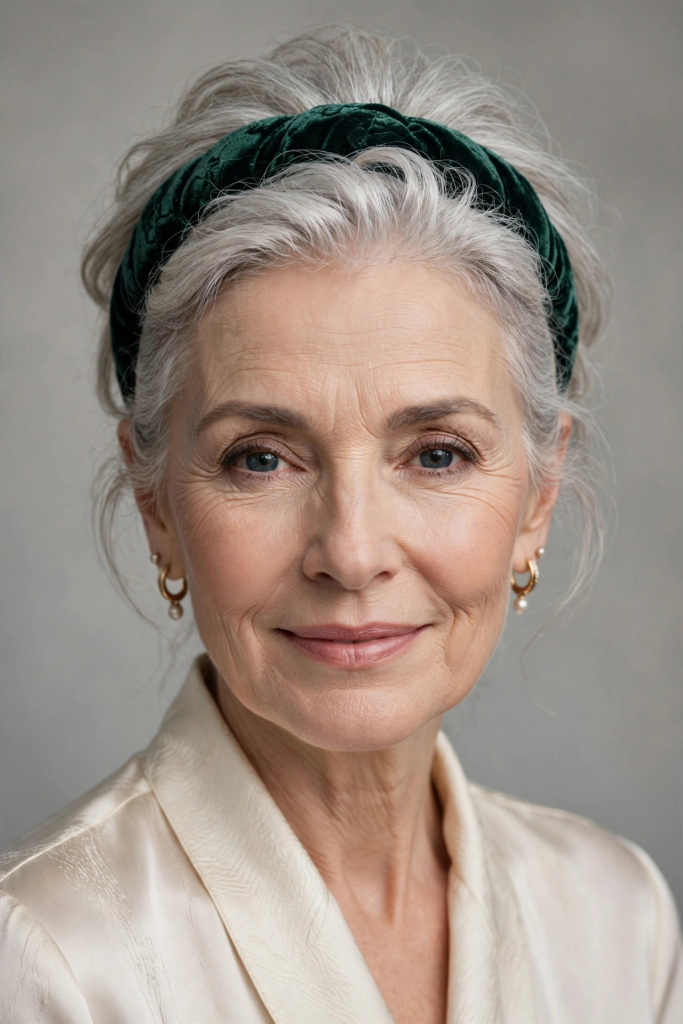

    This is an ultimate styling secret. Part your hair to the side, add a velvet or fabric headband to push your hair back. This “poofs” the hair up at the crown, hiding thin spots and requiring almost zero styling. A quick brush and a headband is all you need.

    22. The Claw Clip Curl
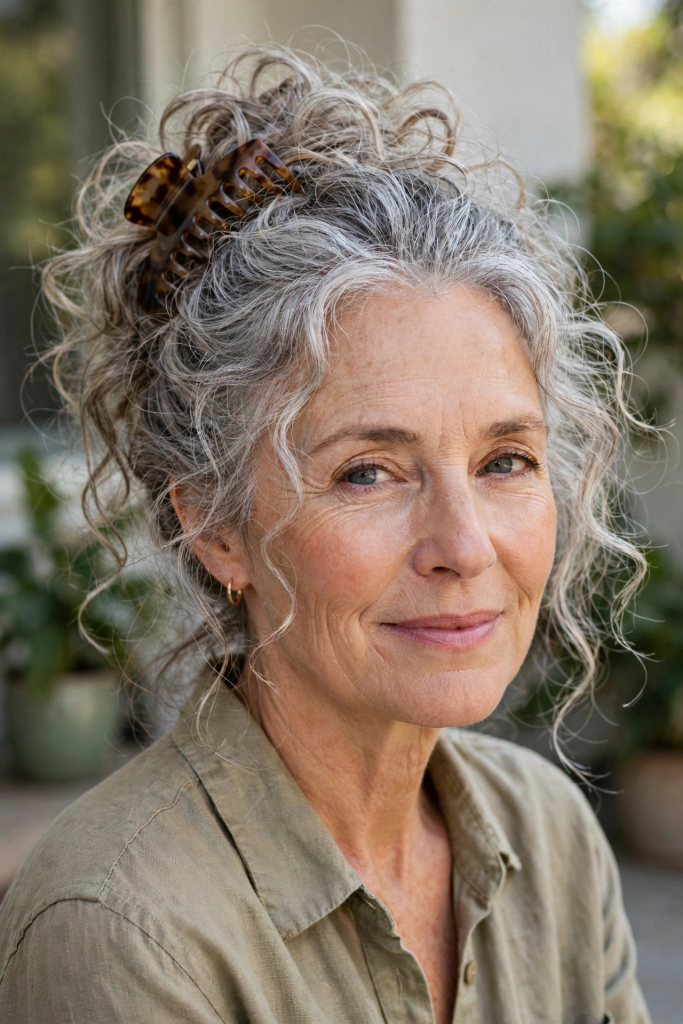

    This is a styling hack for when you want a bit of wave without the heat. Put damp hair in a loose ponytail, wrap it around a large claw clip, and let it air-dry. The result is a bouncy, voluminous style without the damage of a curling iron.

    23. The Hair Scarf Hack
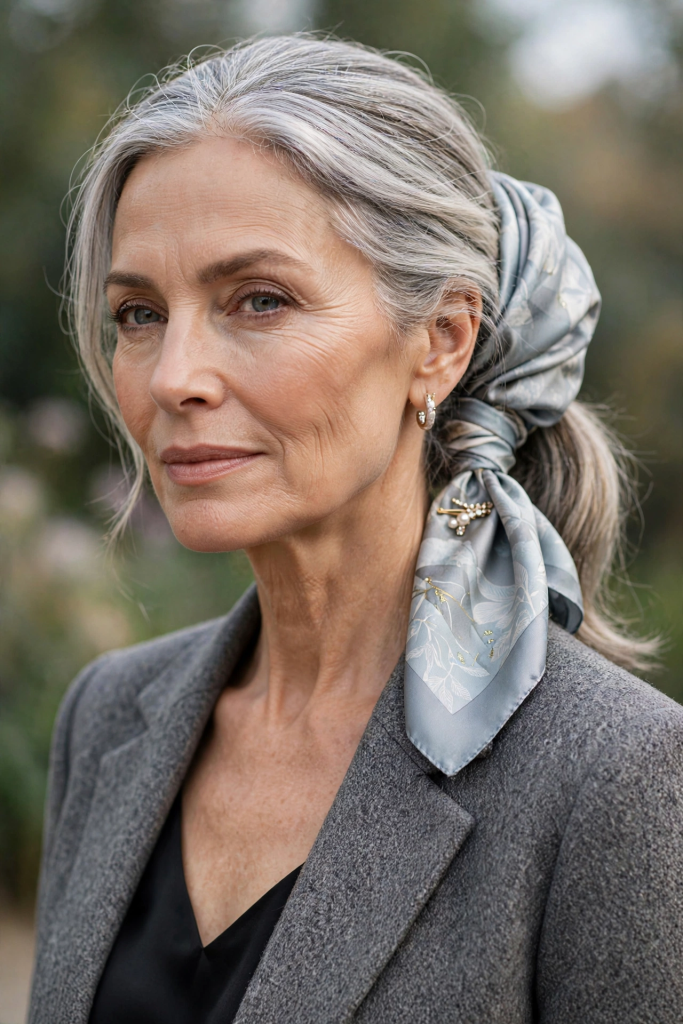

    A silk scarf tied around a low ponytail or bun isn’t just an accessory; it’s a volume tool. The scarf’s volume creates the illusion of thicker hair. It’s a perfect way to dress up a simple updo while adding zero extra weight to your hair.

    24. Textured “Rooty” Blowouts
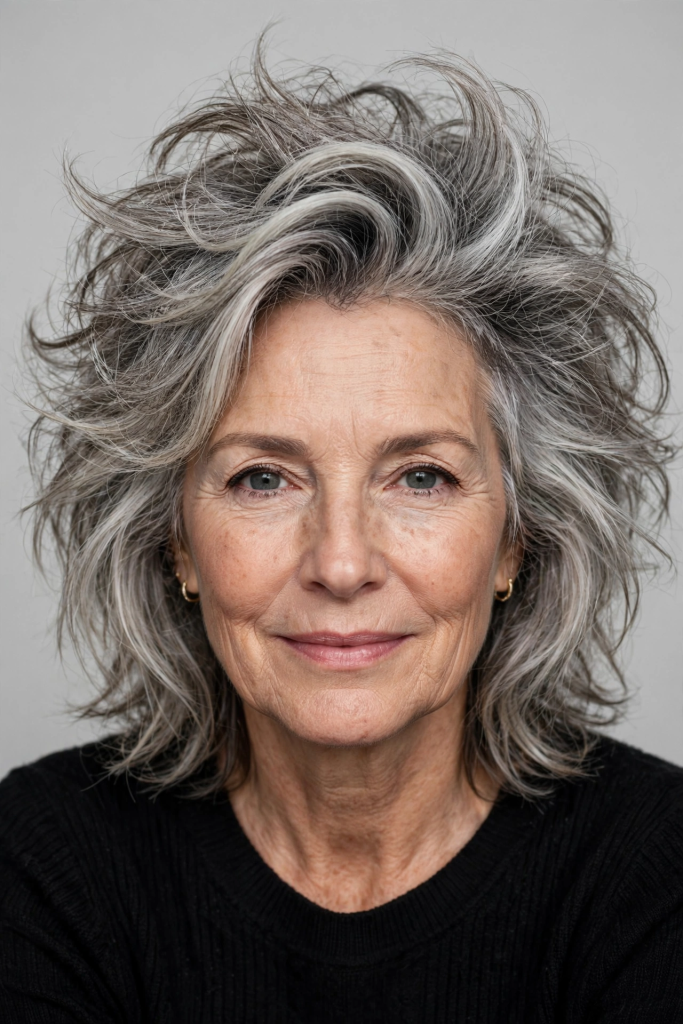

    This is about a styling technique. Instead of a smooth blowout, ask your stylist to focus on lifting the roots and adding texture. A blowout that is slightly tousled and “rooty” actually looks more voluminous than a flat, sleek one and lasts for days.

    25. Highlights for Dimension
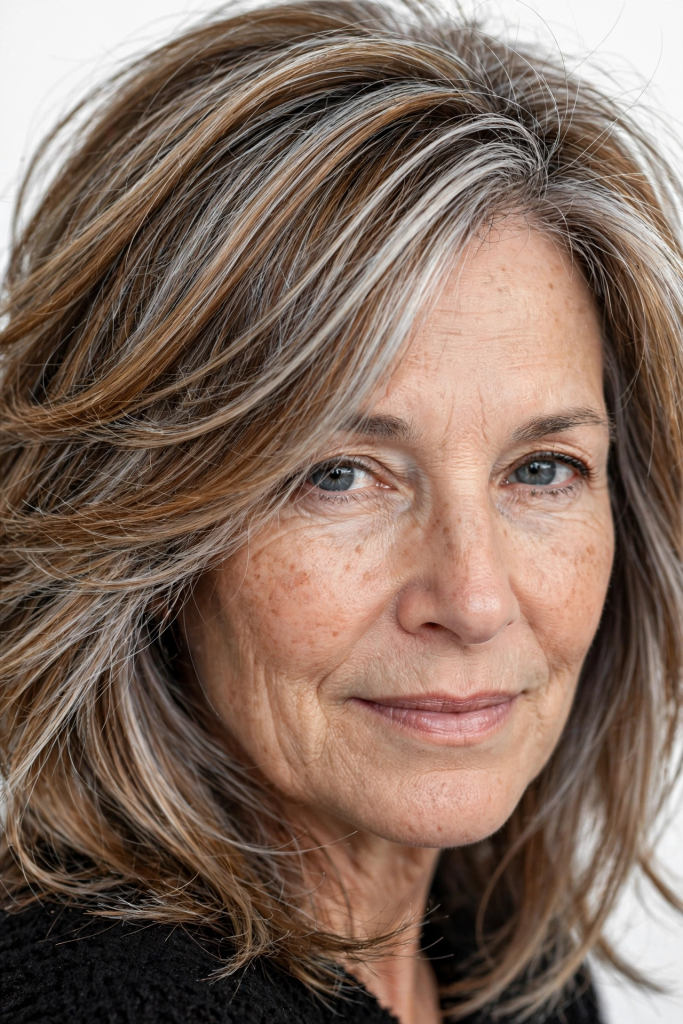

    While not a haircut, this is a crucial low-maintenance strategy. Adding highlights and lowlights creates the illusion of depth and volume. It’s an optical trick that makes thin hair look multi-dimensional, camouflaging any sparse areas and adding visual texture.


    These sections add value to your article, making it a complete, helpful guide for your readers.

    Styling Tips for Thin Hair

    • Wash Smarter, Not Harder: Shampooing every day strips natural oils. Wash every 2-3 days using a volumizing shampoo. Dry shampoo is your best friend for in-between days; it adds instant grit and lifts the roots.
    • Conditioning is Key: Don’t skip conditioner, but apply it only from the mid-lengths to the ends. Conditioning the roots will weigh your hair down. A volumizing mousse applied to the roots before blow-drying is a game-changer.
    • The Art of Drying: For maximum volume, flip your head upside down while blow-drying. Use a round brush to lift the roots, and finish with a blast of cool air to set the volume. Air-drying is often the best, lowest-heat option for textured and curly cuts.

    Product Recommendations

    • Shampoo: Volumizing shampoos (e.g., Bumble and bumble Thickening Shampoo, OGX Thick & Full Biotin & Collagen).
    • Styling: Root-lifting sprays or mousses (e.g., Oribe Maximista Thickening Spray, Kenra Volume Mousse Extra).
    • Finishing: Lightweight dry shampoos for texture (e.g., Klorane Dry Shampoo with Oat Milk), texturizing sprays for fine hair (e.g., Oribe Dry Texturizing Spray), and styling creams for hold without weight.

    How to Choose the Right Hairstyle

    1. Face Shape: A good stylist will help you choose a cut that balances your face shape. Generally, bobs soften square jaws, pixies elongate round faces, and side-swept bangs flatter all face shapes.
    2. Lifestyle: Be honest with yourself. If you don’t own a hair dryer, don’t choose a cut that requires a 30-minute blow-dry. Choose a “wash-and-go” style like a textured crop.
    3. Hair’s Natural Texture: Your stylist is a miracle worker, but they can’t change your hair’s texture. It’s far easier to work with your natural wave or straightness than against it.

    Maintenance Schedule

    To keep these styles looking their best, regular trims are non-negotiable. The recommended trim schedule is:

    • Pixie Cuts & Crops: Every 3-4 weeks.
    • Bobs & Shags: Every 6-8 weeks.
    • Longer Cuts: Every 8-12 weeks.

    Conclusion

    Getting older doesn’t mean you have to surrender to a “fuss-free” but boring hairstyle. In fact, it’s a wonderful opportunity to shed the heavy, time-consuming styles of your youth and embrace a look that is both sophisticated and effortlessly modern. The “low-maintenance” haircuts of today are crafted with architectural precision, using layers, texture, and shape to create movement and the all-important illusion of volume.

    The goal is to have a style that works for you, not the other way around. You should be able to wake up, run your fingers through your hair, and feel confident and beautiful. The 25 styles listed here are just the starting point. The secret lies in finding a great stylist you trust, communicating your desire for low-maintenance volume, and, most importantly, feeling empowered to try something new.

    So, step out of your comfort zone and book that appointment. Whether you choose the bold statement of a textured bowl cut or the classic elegance of a French bob, remember this: your hair is your best accessory, and it shouldn’t cost you your precious time. It’s time to fall in love with your hair all over again—with a little less effort and a lot more style.
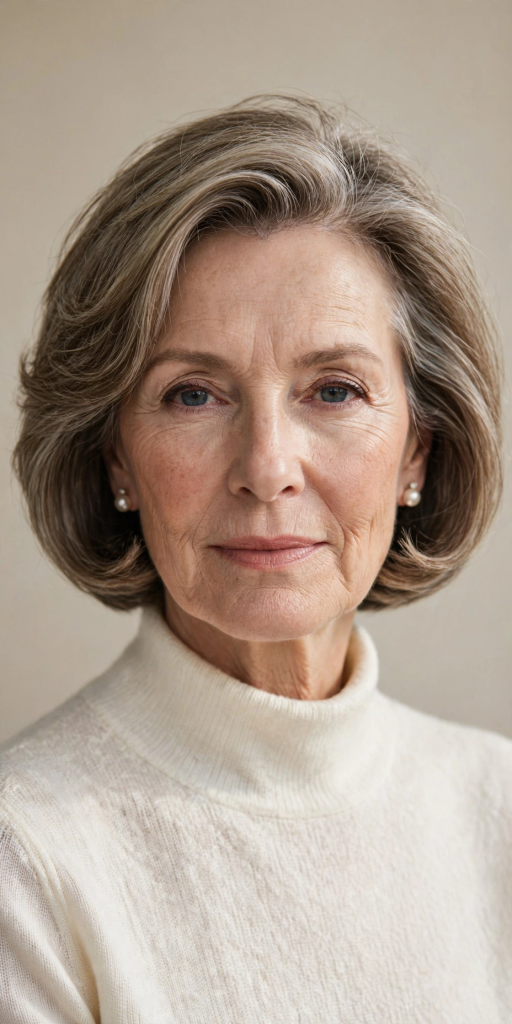
  • Layered Hairstyles for Women Over 50 with Thin Hair: Volume-Boosting Cuts That Actually Work

    Layered Hairstyles for Women Over 50 with Thin Hair: Volume-Boosting Cuts That Actually Work

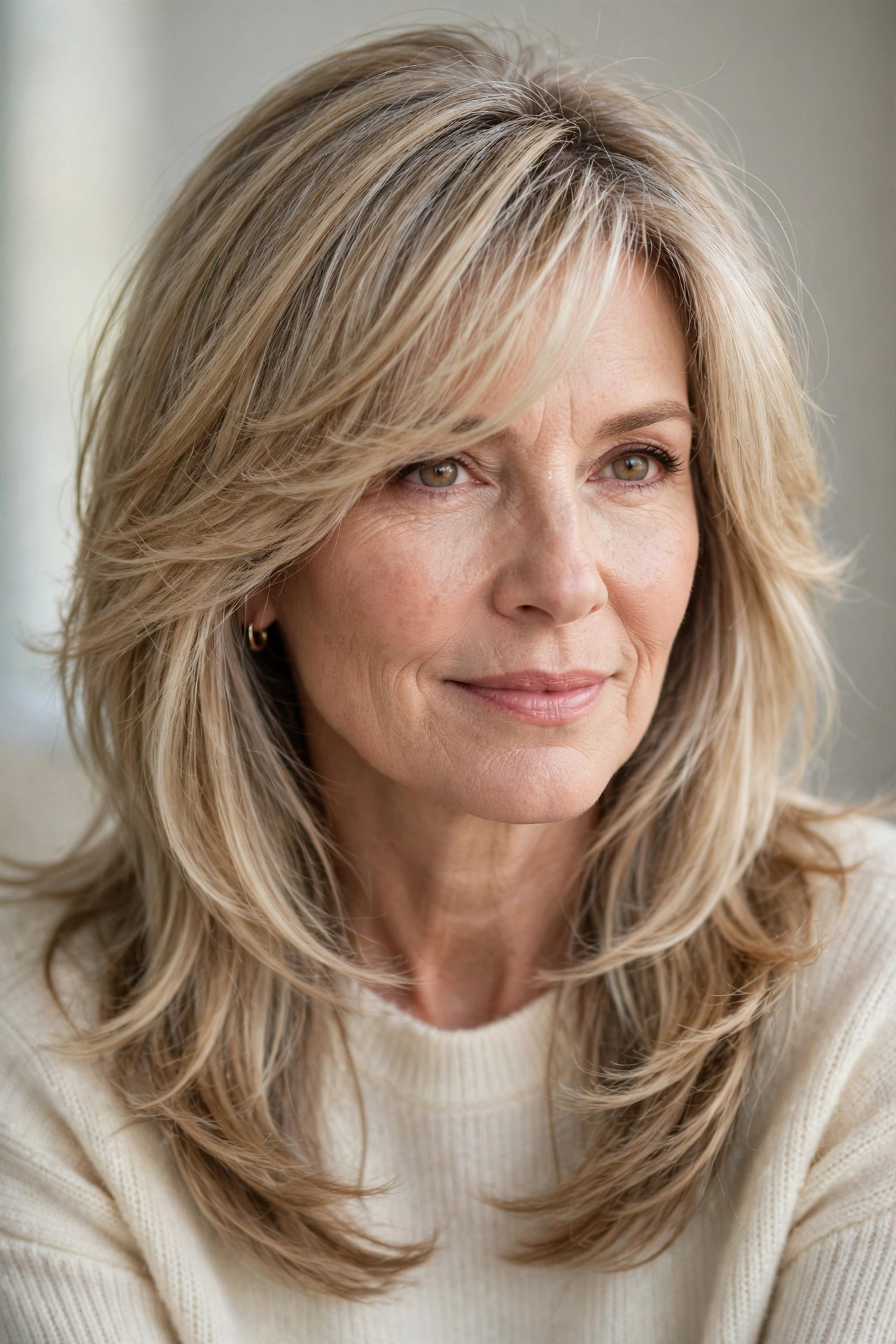
    As we age, it’s completely natural for hair to become thinner and more fragile—but that doesn’t mean you have to settle for flat, lifeless locks . Layered hairstyles are one of the most effective ways to transform fine or thinning hair, adding movement, texture, and the illusion of density where it’s needed most .

    Layers work their magic by removing weight strategically, allowing hair to lift at the roots and move freely. As session stylist Michael Gray explains, “Layered styles are one of the most flattering options for mature hair because they add softness, movement and can create the illusion of fuller, healthier looking hair” . The key lies in choosing the right type of layers—soft, rounded, and disconnected rather than harsh, chunky steps that can make thin hair look sparser .

    Whether you prefer a chic pixie, a versatile bob, or shoulder-length styles, this guide presents 15 expertly curated layered hairstyles designed to flatter mature women, boost volume, and minimize maintenance.


    15 Layered Hairstyle Ideas for Thin Hair Over 50:

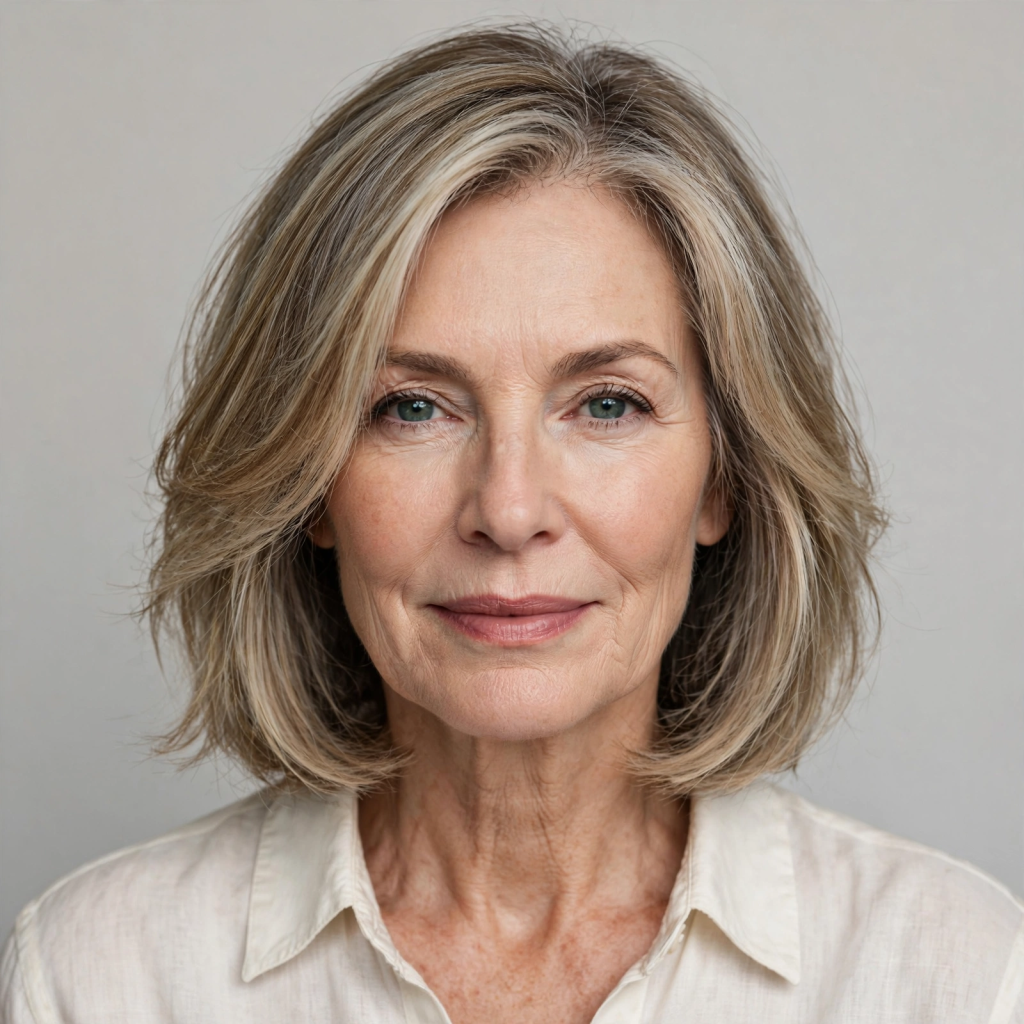
    1. The Soft Italian Bob

    A refined, old-money style that sits at the jawline or slightly below, the soft Italian bob uses gentle texture and movement rather than sharp, blunt lines . This softness is especially flattering around the jaw and cheekbones. Style with volume at the roots and a slight bend through the mid-lengths .

    2. The Textured Pixie with Wispy Layers

    Short, choppy layers remove bulk while adding piece-y texture that makes thin hair look intentionally tousled and twice as thick . Ask for point-cutting at the crown to create natural lift. For maximum sophistication, keep slightly longer pieces around the fringe and cheekbones to maintain femininity .

    3. The Classic Layered Bob (Chin-Length)

    A chin-grazing bob with subtle internal layers prevents the dreaded “shelf” look. The key is keeping the perimeter blunt while adding light layering underneath to encourage volume without sacrificing weight at the ends . This creates natural movement and allows for easy styling with texturizing products or loose curls .

    4. The Shag with Curtain Bangs

    The modern shag uses heavy, short layers through the crown and sides. Curtain bangs that part in the middle and sweep outward merge seamlessly with face-framing layers . This combination adds width to a narrow face, volume at the top, and disguises thinning areas at the temples .

    5. The Long Layered Bob (Lob)

    Falling between mid-neck and collarbone, the lob offers the perfect middle ground. By keeping the length above the collarbone, you prevent the ends from thinning out excessively . Long layers add soft movement and prevent fine hair from falling flat . A deep side part makes this style even more voluminous .

    6. The Asymmetrical Layered Cut

    One side slightly longer than the other creates visual interest that distracts from low density . This bold cut enhances movement and adds character to thin hair, creating stunning contrast that flatters your features .

    7. The Feathered Shag (Shoulder-Length)

    Light, feathery layers throughout remove bulk while adding airy volume. The soft, cascading effect prevents the stringy look that can happen with thinner strands . Style with a round brush to flip ends outward for extra bounce .

    8. The Stacked Bob with Crown Layers

    Stacked layers in the back create a rounded, “bumped” shape that lifts the crown . Keep the stacking subtle (1-2 inches of graduation) to avoid a helmet-like appearance. This cut is especially effective for very thin hair .

    9. The Wispy Layered Bob with Micro Bangs

    Micro bangs (above the eyebrows) draw attention upward, while wispy layers throughout disguise thinning areas beautifully . This style provides strategic forehead coverage while softening facial features and creating a youthful vibe .

    10. The Disconnected Undercut Bob

    Bold but brilliant: a hidden undercut at the nape removes 30% of bulk, allowing the top layers to float freely while the outer bob remains soft and feminine . This creates remarkable volume where it counts most.

    11. The “Invisible Layer” Cut (Micro-Layering)

    Using a technique where layers are cut at a 45-degree angle, each strand is slightly shorter than the next—so subtle you barely see layers, but you feel major body . This is perfect for those who want volume without obvious layering.

    12. The Tapered Nape Pixie

    Hair is clippered close to the neck and blends into longer, layered top pieces . The contrast between the tight nape and airy top instantly creates the look of denser hair. Style with a firm-hold mousse and lift roots with fingers while drying .

    13. Soft Layered Curls

    For those with natural waves or curls, layered curls are a dream. Each curl stacks on another, multiplying volume . Avoid thinning shears; use scissors-only layering to maintain curl integrity . This style adds beautiful movement and frames your features elegantly .

    14. The Beveled A-Line Bob

    Longer in front with shorter, stacked layers in back, this cut gives thin hair a strong, full silhouette . The A-line shape already adds angles; adding long layers throughout the front pieces boosts volume where you need it most .

    15. Longer Layers with Side-Swept Bangs

    This style adds volume and makes hair appear fuller while softening features . The side-swept bangs bring out the eyes and create a youthful vibe. Whether straight or slightly wavy, this cut is versatile and effortlessly chic .


    Styling and Maintenance Tips

    Daily Styling (5 Minutes or Less)

    • Wash with volumizing products labeled for fine hair. Avoid “moisturizing” or “smoothing” shampoos—they weigh layers down .
    • Apply mousse to roots only, not ends, to avoid a stringy appearance .
    • Blow-dry upside down or with a round brush, lifting sections away from the scalp .
    • Finish with a dry texture spray or powder at the roots to prevent layers from collapsing .
    • Never brush dry layered hair—use fingers or a wide-tooth comb instead .

    Weekly Maintenance

    • Wash every 2-3 days, not daily. Overwashing strips natural oils that give fine hair grip .
    • Use a clarifying shampoo once a week to remove product buildup that makes layers stick together .
    • Sleep on a satin or silk pillowcase to preserve lift and prevent flattening .

    Salon Visits

    Layered cuts on thin hair grow out poorly. Book a shape-up every 4-6 weeks—not a full cut, just a dusting of the layers and a nape cleanup .


    What to Avoid

    • Thinning shears—they create frizz and remove density. Ask for point-cutting or slide-cutting instead .
    • Wispy ends—they look transparent on thin hair. A blunter edge creates the illusion of thickness .
    • “Chunky” layers—far-apart layers create gaps that expose the scalp .
    • Extremely long, one-length cuts—they drag hair down and emphasize flatness .

    How to Communicate with Your Stylist

    Use these exact phrases to get the layered cut you want :

    • “No thinning shears, please.”
    • “Keep the perimeter blunt or slightly textured, but not wispy.”
    • “Add internal layers, not surface layers.”
    • “I want volume at the crown, not removal of weight.”
    • “Show me the length when my hair is dry.”

    Best Products for Thin, Layered Hair

    • Volumizing mousse—apply to damp roots before drying .
    • Root-lifting spray—target the crown area for all-day height .
    • Lightweight dry shampoo—use between washes to absorb oil and add grip .
    • Texture powder or spray—adds piece-y definition without grease .
    • Flexible-hold hairspray—not stiff or heavy .

    Conclusion

    Layered hairstyles are one of the most effective, low-commitment ways to transform thin hair after 50 into a fuller, more vibrant look. From the ultra-short micro-layered crop to the shoulder-length shag with curtain bangs, there is a layered cut for every face shape, lifestyle, and personal style .

    The key is choosing the right type of layering—light, strategic, and volume-focused—and pairing it with proper styling techniques and products. Don’t be afraid to bring photos to your stylist, speak clearly about your hair’s needs, and embrace regular trims .

    With the right layered cut, thin hair no longer looks fragile or flat. Instead, it becomes a confident, beautiful asset that frames a radiant face at any age .

  • Short Hairstyles for Women Over 70 with Thin Hair: 17 Stylish, Fuller-Looking Cuts

    Short Hairstyles for Women Over 70 with Thin Hair: 17 Stylish, Fuller-Looking Cuts


    Hair changes with age. Texture shifts, volume diminishes, and styles that once felt effortless suddenly demand more time and effort than they’re worth. For many women over 70, shorter hairstyles become an appealing choice—not because long hair is off-limits, but because short cuts offer freedom, ease, and surprising sophistication.

    The good news? Short hair doesn’t mean boring hair. The right cut can transform thin or fine strands into a look that appears fuller, more textured, and completely modern. Shape, layers, and subtle texture make all the difference. Whether you’re embracing natural gray, silver, or white, or adding a touch of color, short styles can highlight your best features—drawing attention to your eyes, cheekbones, and confidence.

    What matters most is choosing a style that works with your natural hair movement rather than fighting against it, and finding a cut that simplifies your daily routine while still looking intentional. Below, we’ve gathered 17 flattering, volume-boosting short hairstyles for women over 70 with thin or fine hair—each designed to bring life, elegance, and ease to your everyday look.


    17 Stylish Short Hairstyles for Thin Hair:

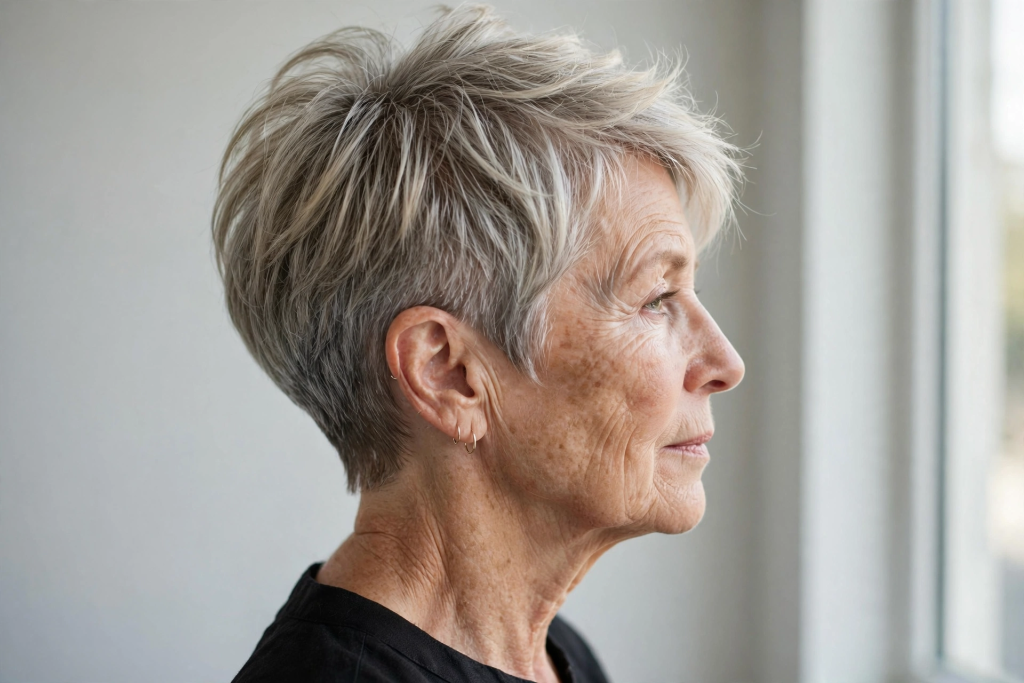
    1. Classic Pixie Cut

    The pixie cut remains one of the most flattering choices for women over 70 with fine hair. Short on the sides and back, with slightly longer pieces on top, this cut creates the illusion of fullness where it matters most. It highlights the eyes and cheekbones beautifully while being incredibly low-maintenance.

    How to style: Apply a lightweight mousse to damp hair, then use your fingers to tousle as you blow-dry. A tiny amount of styling cream on the fingertips adds definition and shine—and the whole process takes about five minutes.

    Why it works for thin hair: Removing length eliminates the weight that can cause fine strands to fall flat, allowing the hair to lift naturally at the roots.

    2. Soft Layered Pixie

    A softer take on the classic pixie, this version features gentle layers on top that create movement and dimension. The extra texture makes thin hair appear fuller and more dynamic. Slightly longer layers on top can also balance a round face, while softer edges around the temples soften stronger features.

    How to style: A small amount of styling cream or mousse brings out the layers without stiffness. The cut also grows out gracefully, so frequent trims aren’t always necessary.

    Celebrity inspiration: Think Judi Dench’s elegant, textured pixie—modern, chic, and incredibly easy to maintain.

    3. Wispy Pixie

    Perfect for women who want something short and easy but worry about looking too harsh, the wispy pixie features soft, feathered layers with delicate, face-framing pieces around the temples and ears. The feathered ends create a light, airy feel that adds instant softness.

    Why it works for thin hair: The wispy layers create the illusion of more hair than is actually there. It’s also wonderful for softening a strong jawline or delicate features.

    How to style: Apply lightweight styling cream to damp hair, blow-dry using your fingers to create a soft, piece-y texture, and finish with a touch of texturizing spray for definition.

    4. The Bixie (Bob-Pixie Hybrid)

    Can’t decide between a bob and a pixie? The bixie offers the best of both. This hybrid cut keeps a little length through the back—like a bob—but has the lightness and playfulness of a pixie. It’s one of the trendiest short cuts right now, and for good reason: it adds movement and volume while staying easy to style.

    How to style: A quick blow-dry with your fingers and a bit of texturizing spray is often all you need. The cut works beautifully with natural texture.

    Celebrity inspiration: Halle Berry’s bixie is a perfect example of how chic and modern this cut can be.

    5. Classic Short Bob

    The short bob is timeless for a reason. Cut around the jawline or slightly above, this style looks neat without appearing rigid. For fine hair, the weight concentrates at the ends, creating a fuller appearance than you might expect.

    How to style: A light layer near the front prevents the style from feeling too heavy. A small round brush and quick blow-dry give it polish, or you can let it air-dry for a more relaxed feel.

    Why it works: The clean lines of a blunt or slightly textured bob instantly make fine hair look denser and healthier. Natural gray or silver hair looks especially striking with this cut.

    6. Blunt Bob

    If creating the illusion of thicker hair is your primary goal, consider a blunt bob with uniform, sharp ends. This cut instantly makes the ends look stronger and more substantial.

    Why it works: Fine hair can collapse easily, but a strong, blunt baseline prevents that. Keeping the length shorter—at the jawline or middle of the neck—helps maintain this thickness.

    How to style: For straight, fine hair, a sleek, blow-dried finish shows off the clean lines. Adding subtle, hidden layers underneath can add secret volume without sacrificing the blunt outline.

    7. Stacked Bob (Graduated Bob)

    The stacked bob—also known as a graduated bob—features shorter, stacked layers in the back that create a rounded, fuller shape, with longer pieces in the front. The stacking technique builds in natural volume where fine hair often falls flat.

    Why it works: This cut is exceptional for fine or thin hair because the graduated layers add structure and lift. It also draws attention to the neck, making it flattering for women with longer necks.

    How to style: After washing, apply root-lifting spray and blow-dry the back first using a round brush to enhance the rounded shape. Front pieces can be blown straight or with a slight bend—about ten minutes for an effortlessly put-together look.

    8. Layered Bob with Face-Framing Pieces

    A layered bob adds texture, movement, and softness to fine hair. The layers create natural movement without sacrificing the overall shape, and face-framing pieces soften features beautifully.

    How to style: Use a round brush to blow-dry, directing layers away from the face for a feathered effect. A volumizing mousse before drying adds extra lift.

    Why it works: The internal structure created by layers helps support and hold the style, making fine hair appear thicker and more dynamic.

    9. Textured Crop

    For a more modern, relaxed look, a textured crop offers that slightly lived-in feel. Layers are shorter and more varied, creating natural movement throughout the hair.

    How to style: Texture sprays or lightweight styling products help define the layers. Fingers often work better than a brush with this cut—simply tousle and go.

    Why it works: This style works especially well for hair that has developed natural waves over time. Those waves add character without requiring extra effort.

    10. Short Shag

    A short shag can look surprisingly youthful. Layers appear throughout the hair, with slightly longer pieces near the crown and around the face. This shape builds volume on top while keeping the sides light.

    Why it works: The layered structure disguises areas where density has decreased. Hair appears fuller because the layers create depth and movement. A shag works nicely with natural texture—light air-drying usually brings out the shape without much styling.

    Celebrity inspiration: Modern shags aren’t the heavily layered styles of the 1980s—today’s version is softer, more refined, and incredibly flattering for fine hair.

    11. Tapered Short Cut

    A tapered cut offers a clean, elegant look. The back and sides remain shorter, gradually blending into slightly longer hair on top. The transition creates a smooth, balanced shape that’s neat yet modern.

    How to style: Hair naturally falls into place with this cut. Blow-drying the top section with a bit of lift is usually all you need.

    Why it works: The tapered shape keeps the neckline tidy, which many women find flattering and comfortable, especially in warmer months.

    12. Choppy Pixie with Volume Crown

    This sassy, confident cut features extra length and texturizing at the crown, creating height where fine hair needs it most. The piece-y finish adds modern edge to this low-maintenance style.
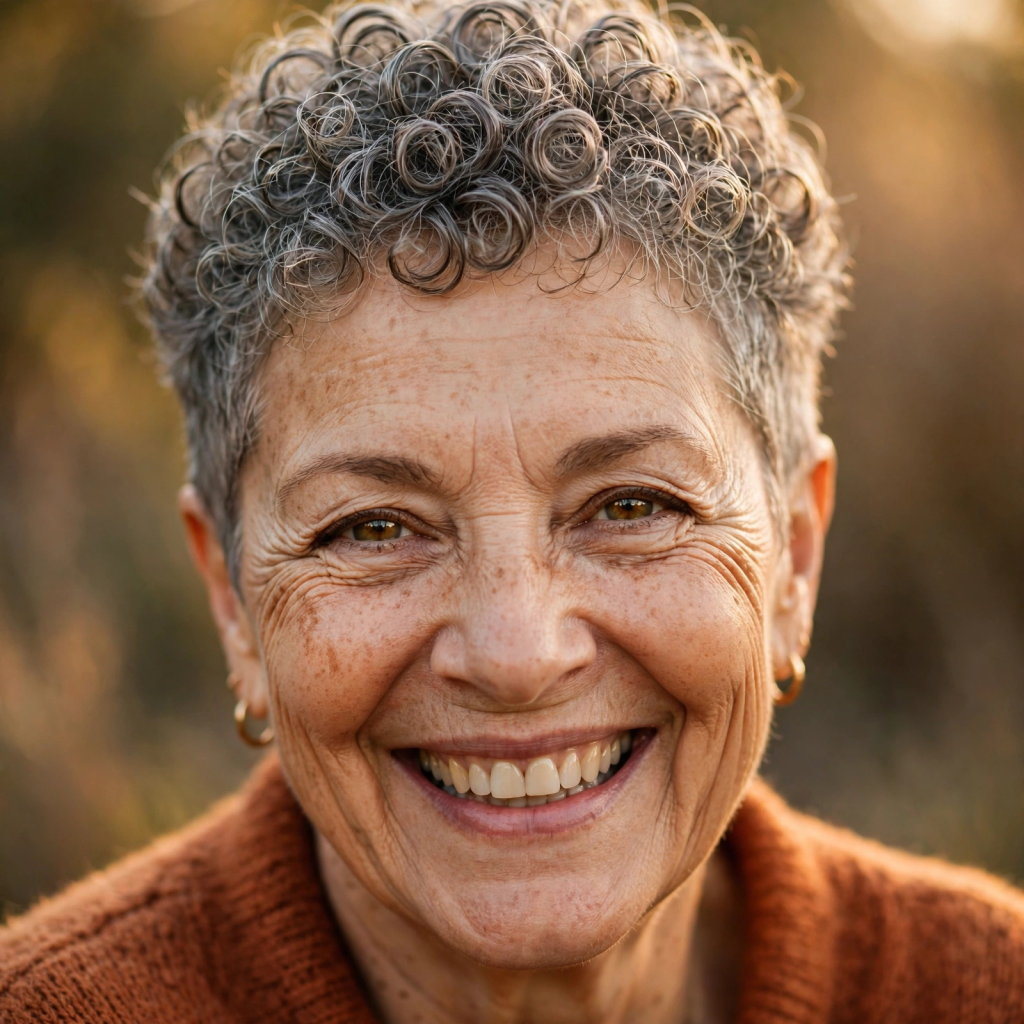
    How to style: A root-lifting spray and round brush technique give staying power. The tapered sides keep the look sleek and modern.

    Why it works: By concentrating volume at the crown, this cut creates an instant lifting effect that can make the entire face appear more youthful.

    13. Side-Swept Pixie with Long Fringe

    Drama meets practicality in this pixie variation featuring an eye-catching long fringe swept to the side. The contrast between the short back and sides with the longer top section creates visual interest and draws attention to the eyes.

    How to style: Use a small round brush to sweep the fringe to the side while blow-drying. A tiny bit of pomade keeps it in place without stiffness.

    Why it works: The asymmetry and side-swept bangs create lift at the roots and add dimension—perfect for showing off statement earrings too.

    14. Feathered Cut

    A feathered cut is all soft edges, layered to produce movement and volume. The style prevents hair from looking flat or thin, particularly at the top and sides. Feathered cuts are gentle, feminine, and soften the face beautifully.

    Why it works: This cut is especially beneficial for fine hair that you’d like to keep at a longer length, as the feathering prevents it from looking stringy.

    How to style: Apply lightweight hair primer to damp hair and blow-dry with a round brush, directing the layers away from the face for a feathered effect.

    15. Curly Pixie Cut

    For women with natural curls or waves, a curly pixie is a playful, low-maintenance option. Layers allow curls to form naturally rather than stacking into a bulky shape. The result is soft, lively, and full of body.

    How to style: Use a curl-enhancing styling foam on damp hair and diffuse with a hairdryer to define and volumize curls. Hydrating products are key—well-moisturized curls tend to look fuller and healthier.

    Why it works: Curls naturally add texture and volume, making this one of the best options for women with naturally curly or wavy fine hair.

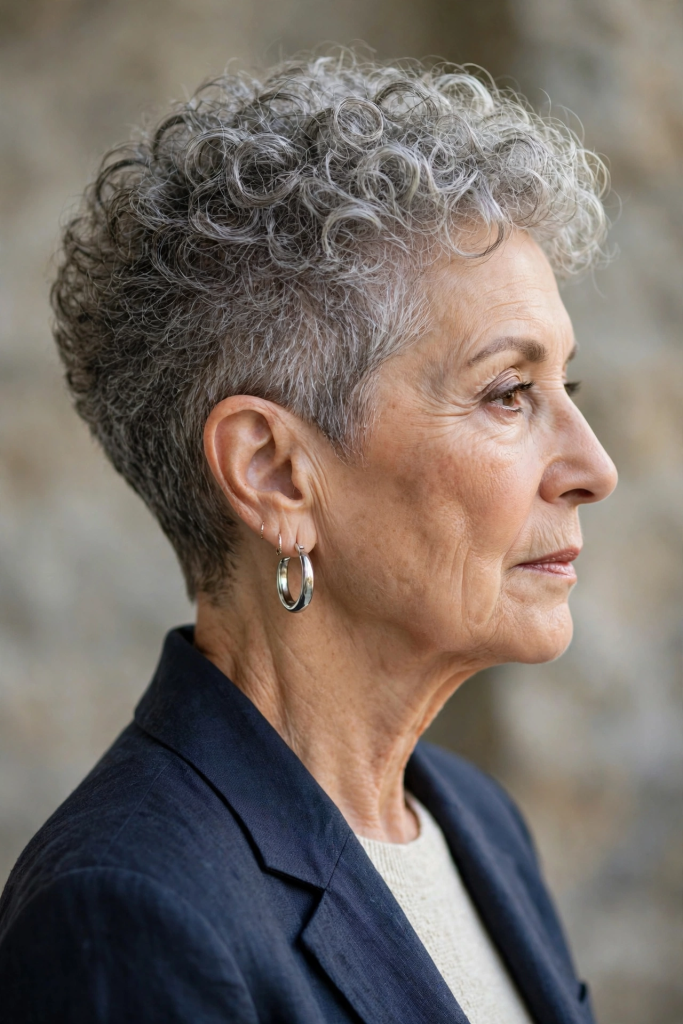
    16. Curly Crop with Tapered Neckline

    Natural curls get a sophisticated update with this tapered crop. The closely cut neckline keeps things neat while allowing curls to flourish on top.

    How to style: A diffuser and curl-enhancing cream bring out natural texture beautifully. The tapered neckline keeps the style from looking too bulky.

    Why it works: This cut celebrates natural texture while minimizing the time and effort needed to style it.

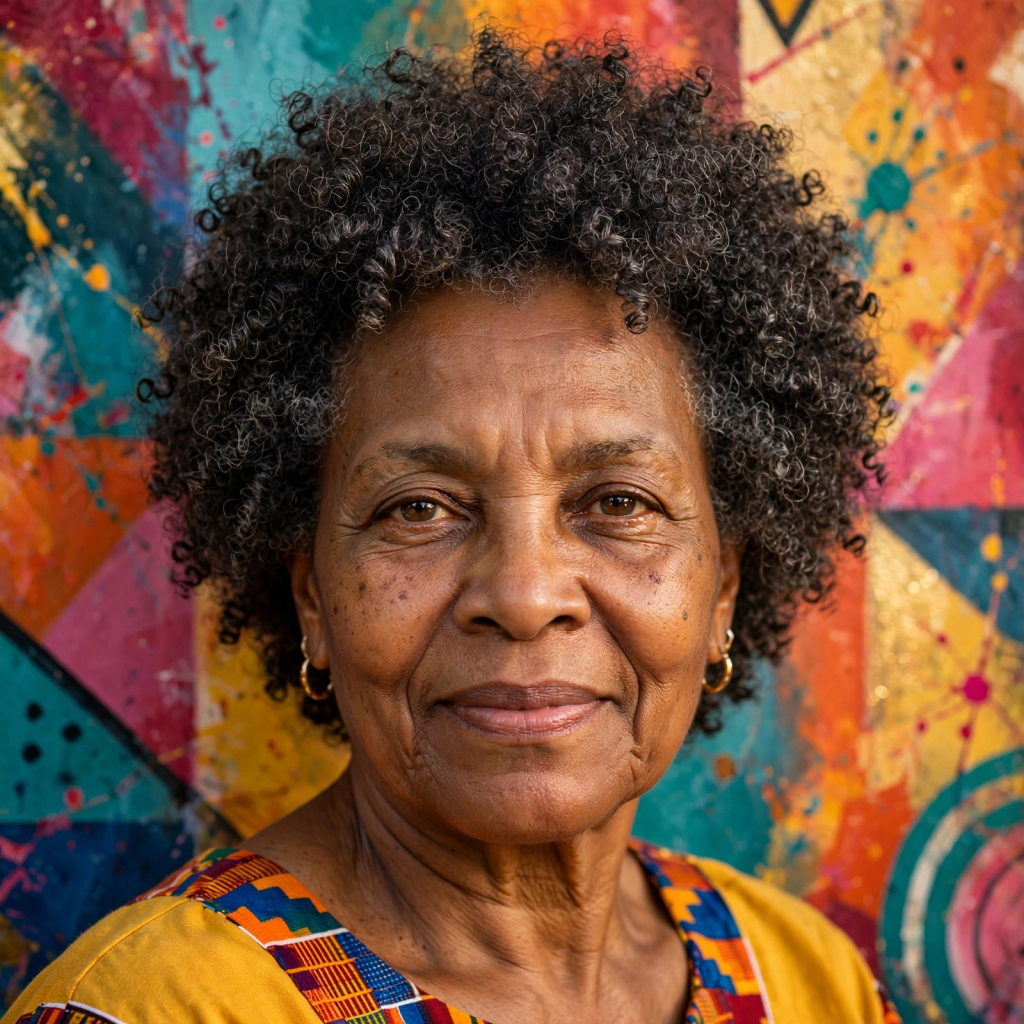
    17. Short Curly Afro

    For women who have naturally curly or coily hair, a short curly afro is daring, fashionable, and simple to care for. It emphasizes natural texture and creates volume that frames the face beautifully.

    How to style: Regular trims keep the shape looking polished. Moisturizing creams or curl creams keep it soft and shiny.

    Why it works: A small curly afro brings out personality and confidence—practical, attractive, and proof that natural hair texture can be chic and powerful at any age.


    Styling Tips for Thin Hair

    Choose Lightweight Products

    Heavy styling creams, gels, or oils can flatten fine hair or make it look dull. Lightweight mousses, texture sprays, and volumizing sprays are your best friends. They add lift and dimension without weighing strands down.

    Add Volume at the Roots

    Root-lifting sprays applied to damp hair before blow-drying can make a dramatic difference. Styling with a side part—rather than a middle part—can also lift roots and add instant depth and volume.

    Embrace Natural Texture

    Many short crops look great air-dried with a little texturizing paste or cream. Working with your hair’s natural movement—whether it’s become curlier or straighter with age—makes styling faster and more effortless.

    Regular Trims Are Essential

    Short hair grows quickly, and even a small amount of growth can throw off the shape. A trim every six to eight weeks (or four to six weeks for pixie cuts) keeps the style looking fresh and polished.

    Work with Your Color

    Natural gray, silver, or white hair often looks striking with short cuts because the shape becomes more visible. Many women discover that their natural tone pairs beautifully with a modern short style. If you color, consider soft highlights or demi-permanent color to maintain hair strength.

    Finding the Right Style for Your Face Shape

    • Oval faces: Most short styles work well—pixies, bobs, and textured crops all suit this versatile shape.
    • Round faces: Look for cuts with height at the crown and length around the face. A stacked bob, side-swept pixie, or layered crop with face-framing pieces can elongate the face.
    • Square faces: Soft, wispy styles help soften strong jawlines. The wispy pixie or feathered cut are excellent choices.
    • Heart-shaped faces: Asymmetrical cuts or side-swept styles can balance a wider forehead and narrow chin. The asymmetrical pixie or side-swept bob work beautifully.

    Conclusion

    Choosing a short hairstyle after 70 is about more than just convenience—it’s about liberation. Liberating yourself from long, time-consuming styling sessions. Liberating yourself from the weight of hair that no longer feels like yours. And most importantly, liberating yourself to embrace a look that brings out your confidence, your personality, and your beauty.

    The key to a flattering short style for thin hair is working with—not against—your natural texture. Shape, layers, and subtle volume-building techniques can transform fine strands into a look that appears full, modern, and completely intentional. Whether you choose a classic pixie, a textured bob, a playful bixie, or something entirely unique, the right cut will simplify your routine while making you feel fresh, polished, and radiant.

    The best short hairstyle is the one that makes you feel like you—at your most confident, beautiful, and free. And with so many flattering options available, there’s no reason not to find your perfect cut. Embrace the freedom of short hair, and let your natural beauty shine.

  • Short Hairstyles for Women Over 60 with Thin Hair.

    Short Hairstyles for Women Over 60 with Thin Hair.

    A common misconception in the beauty world is that turning 60 means you have to settle for a “helmet head” or a one-size-fits-all short cut. We are here to bust that myth completely. For women with fine or thinning hair, a shorter cut isn’t just a necessity; it’s an opportunity to showcase sophistication, bone structure, and a vibrant personality.

    As we age, hair texture changes. It can become finer, lose density, and sometimes lack the spring it once had. However, the right short haircut is the ultimate “facelift.” Strategic layering, texturizing, and the right length can create the illusion of density, lift the roots, and frame the face beautifully. The goal is to work with your hair’s natural texture, not against it.

    Whether you are ready for a dramatic pixie, a chic bob, or a tapered crop, the 22 ideas below are curated to inspire you. They focus on creating movement, body, and an effortless sense of style. After all, great hair has no age limit—it just requires a great cut and the confidence to wear it.

    22 Well-Structured Short Hairstyle Ideas

    To make these ideas easier to digest, I have categorized them into five sections based on your style preference.

    The Classic & Timeless (The Reliables)

    1. The Classic Pixie Cut


    The quintessential short cut. It keeps the hair very short on the back and sides, with slightly more length on top. For thin hair, the key is to ask for point-cutting on the top to create texture, which gives the illusion of thickness. It is incredibly low-maintenance and highlights the eyes and cheekbones.

    2. The Textured Crop


    Similar to a pixie but with heavier, choppier layers. This style is perfect for women with cowlicks or natural wave. The choppy ends prevent the hair from looking flat and give a modern, lived-in feel.

    3. The Long Pixie


    If you aren’t ready to go too short, the long pixie keeps length around the ears and the nape of the neck. Side-swept bangs are a must here to disguise thinning at the hairline and add diagonal visual interest.

    4. The Soft Taper


    This cut is shorter at the nape of the neck and gradually increases in length as it reaches the crown. This natural graduation builds volume where you need it most—on top.

    The Chic Bobs (The Sophisticates)

    5. The Chin-Length Bob


    Hitting right at the chin, this length adds immediate weight and fullness to fine hair. Ensure the cut is blunt at the ends. While it sounds counterintuitive, a straight-across blunt line makes the ends look thicker than choppy, wispy ends.

    6. The Angled (A-Line) Bob


    Shorter in the back and longer in the front. The forward angle creates a slimming effect on the face and allows the hair to fall forward, creating a natural swoop that fakes volume.

    7. The Asymmetrical Bob


    A modern twist on the classic. One side is slightly longer than the other (or cut at a sharper angle). This visual asymmetry distracts from thinning areas and adds an edgy, contemporary vibe.

    8. The Flipped Bob


    A classic 60s-inspired look that is perfect for fine hair. By using a round brush to flip the ends outward, you instantly create width and bounce. This works best on bobs that graze the jawline.

    The Ultra-Short & Edgy (The Rule Breakers)

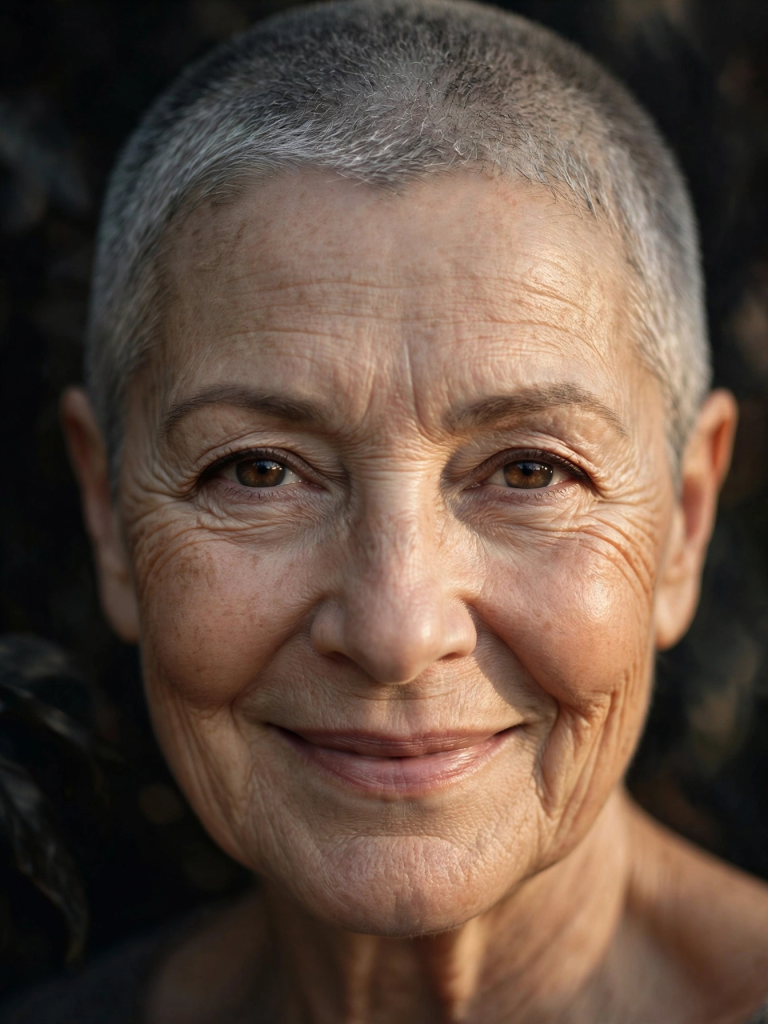
    9. The Buzz Cut


    For the truly daring. A faded or uniform buzz cut eliminates the worry of thinning hair entirely. It showcases your features, earrings, and necklines. It is the ultimate statement of confidence and freedom.

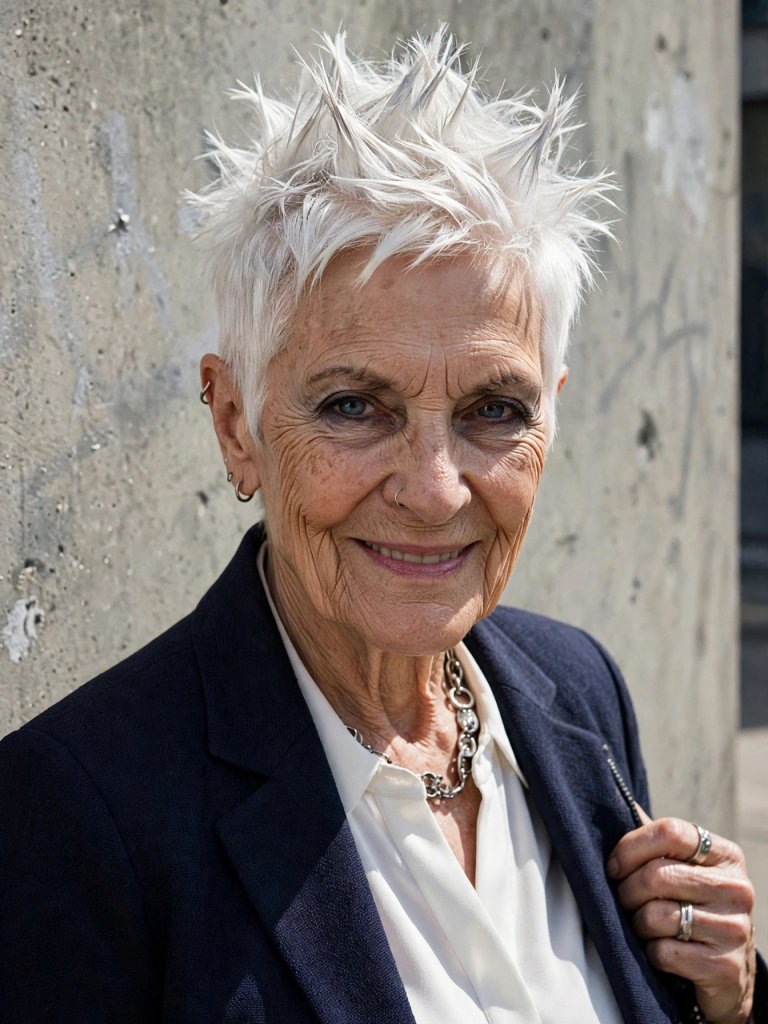
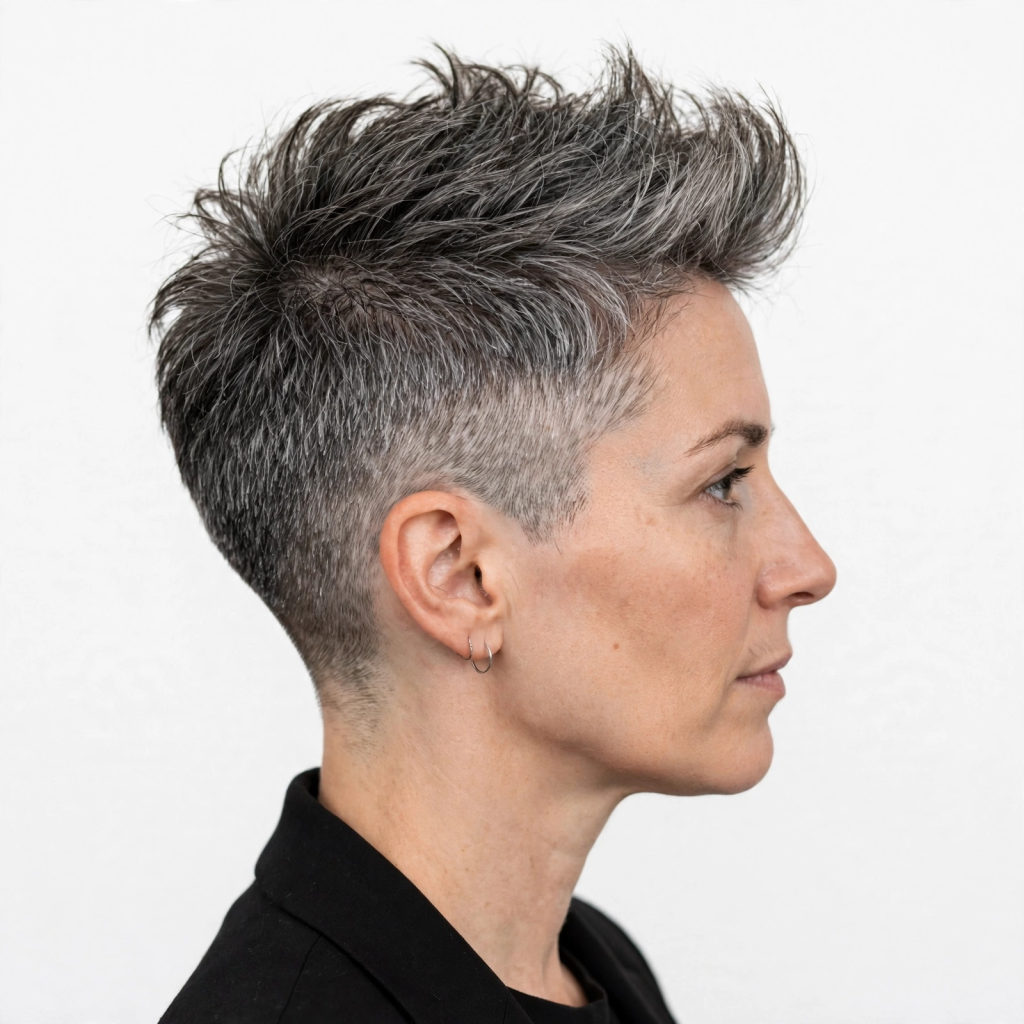
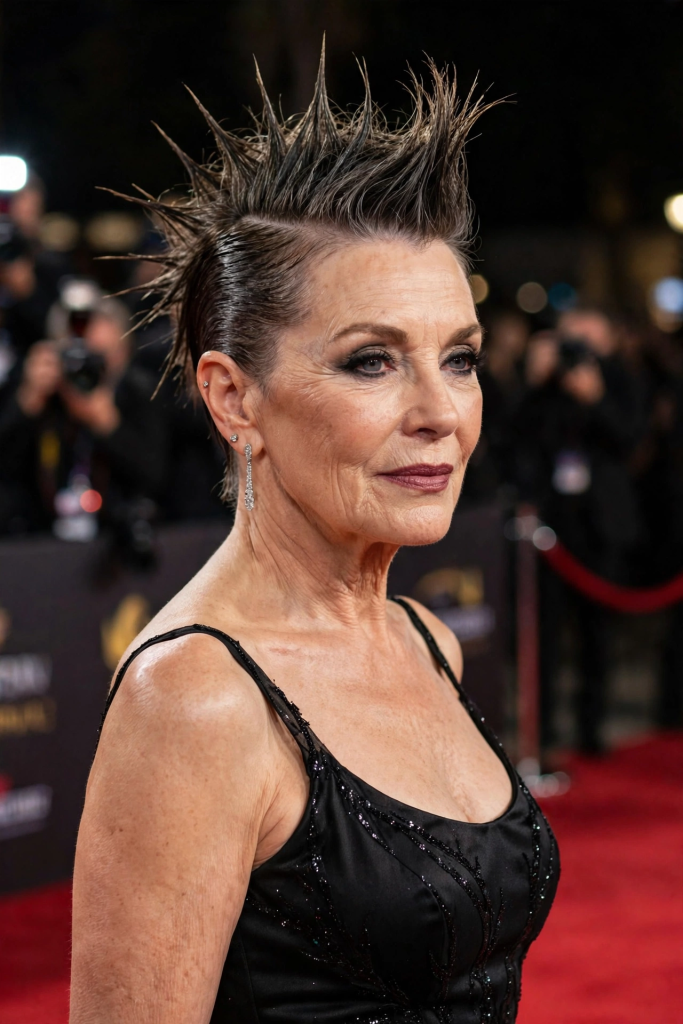
    10. The Spiky Pixie


    This requires a bit of product, but the payoff is worth it. Short pieces left slightly longer on top are styled upward with a matte paste. This vertical volume is the best “crown” for thin hair.

    11. The Undercut Pixie


    The sides are shaved or clipped very close to the head, while the top remains longer and full. This removes the “bulk” on the sides, making the top look heavier and thicker by comparison.

    12. The Finger Wave Crop


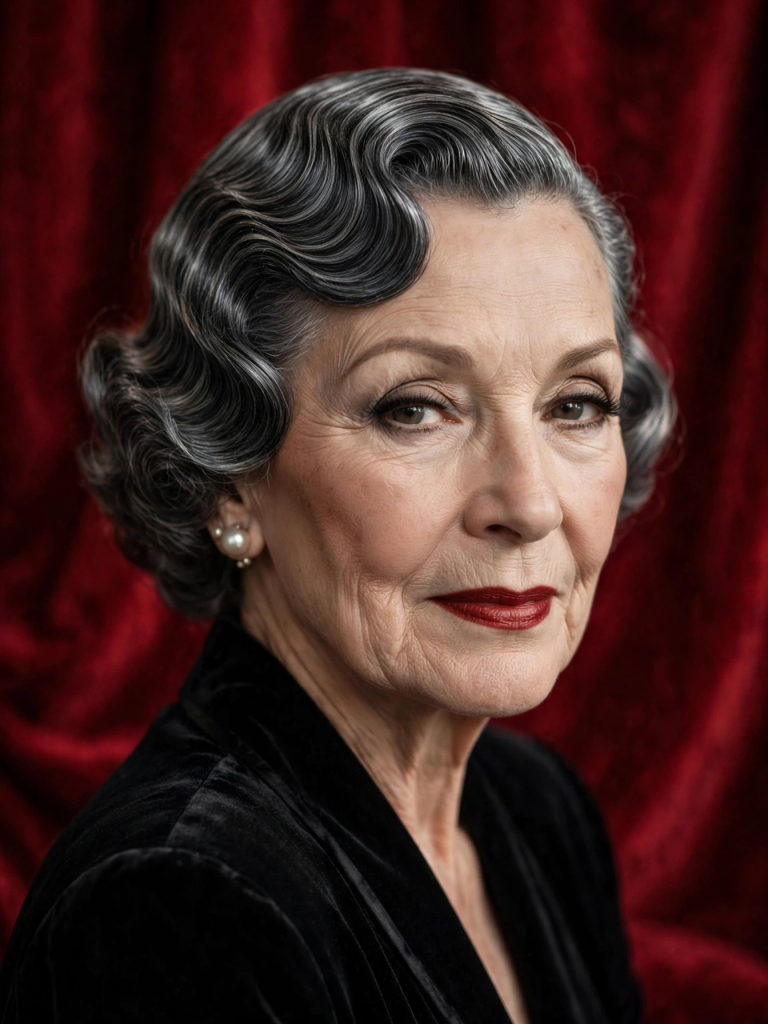
    A retro, glamorous option. Shorter hair is ideal for sculpting classic finger waves. The structure of the “S” shape creates dimensional texture that makes hair look remarkably dense.

    The Soft & Voluminous (The Romantics)

    13. The Feathered Pixie


    Think Farrah Fawcett but shorter. Soft, wispy layers “feathered” away from the face give a light, airy look that doesn’t drag the hair down. It is ideal for creating movement without weight.

    14. The Wavy Crop


    If you have natural wave, lean into it! Keeping the cut at ear-length allows the natural wave to compact and form springy curls, which instantly creates the look of full, bountiful hair.

    15. The Side-Swept Pixie


    A longer top that is swept dramatically to one side. This diagonal styling creates hidden height at the root and covers any recession at the temples.

    16. The Layered Wedge


    A classic “wedge” cut is stacked at the back, creating a beautiful, rounded shape. The layers are specifically engineered to lift the hair off the nape and create a shelf of volume.

    The Bangs & Fringe (The Face Framers)

    17. Wispy Bangs


    If you have a smaller forehead, wispy, see-through bangs are a great way to add softness. They are cut thin so they don’t weigh down the front of the cut but give the illusion of density.

    18. The Curtain Fringe


    Longer bangs that part in the middle and sweep away from the face. These are fantastic for hiding thinning at the temples and integrating seamlessly into a longer pixie or bob.

    19. Blunt Bangs with a Bob


    Yes, you can have blunt bangs! If your hair is thin, blunt bangs can look incredibly striking and add a block of color and density to the front of your face.


    Styling Tips for the “In-Between” (20-22)

    20. The Messy Tousle


    This is a “cut” idea. Ask your stylist for a cut that allows you to “mess it up.” Texture and separation (using a salt spray) mean you aren’t fighting for flatness; you are embracing the chaos, which looks volumizing.

    21. The Side-Part Deep


    Not a cut, but a styling technique that changes the shape. Moving a deep side part away from its usual location gives the roots instant “lift” and height, making the top of the cut look fuller.

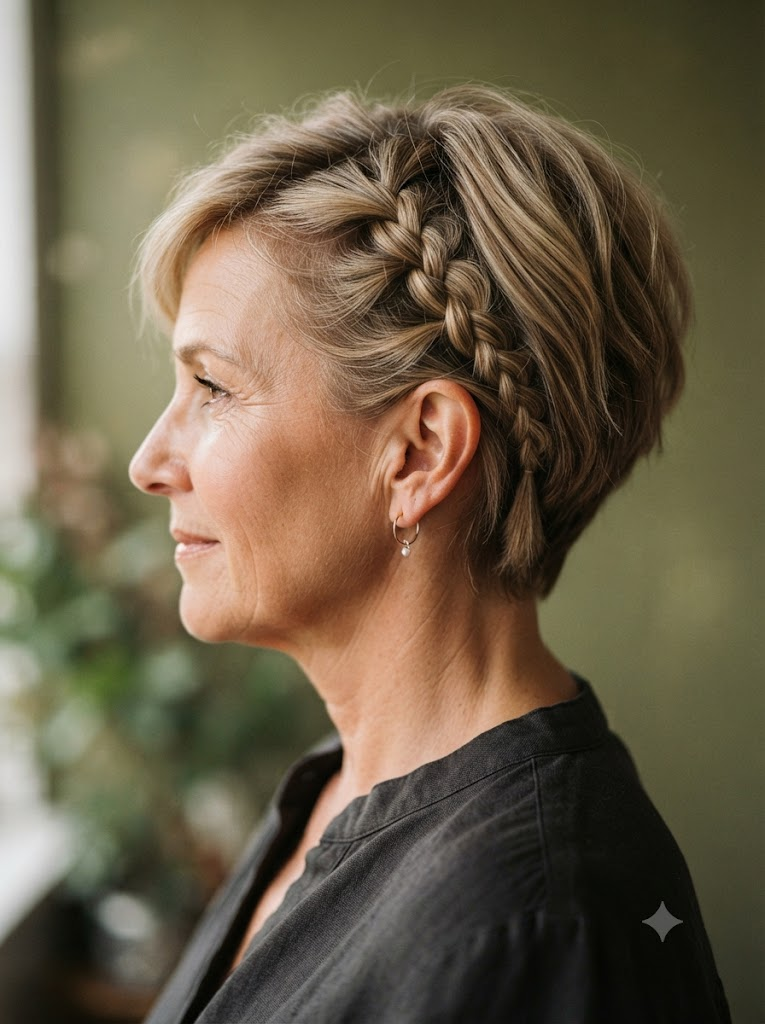
    22. The Braided Accent


    Again, a style, but one to ask for. If you have a longer pixie, a small Dutch braid on one side of the head can pull the hair back, creating “bumps” and volume on the crown that last all day.


    How to Choose the Right Style for You

    Selecting the perfect cut isn’t just about the picture; it’s about physics.

    • Face Shape:
      • Oval: Lucky you! You can wear almost anything.
      • Round/Heart: Go for height on top (pixies or spikes) and keep the sides tight to elongate the face.
      • Square: Soften the jawline with waves or a longer, textured bob that grazes the chin.
    • Hair Texture:
      • Stick Straight: You need blunt cuts and layers for movement.
      • Wavy: Your best friend is a cut that encourages the wave (textured crops).
    • Lifestyle: Are you a “wash-and-go” girl, or do you love styling? Spiky cuts require daily product; bobs need regular blow-dries.

    The 10-Minute Styling Routine for Thin Hair

    Having the cut is half the battle; styling is the other. Here is a foolproof routine for volume:

    1. Prep Wet Hair: Use a volumizing mousse or root-lifting spray on the roots only. (Weight is the enemy).
    2. Dry Strategically: Flip your head upside down to dry the roots completely before drying the ends.
    3. Cool Shot: Always hit your hair with a blast of cold air from the blow dryer. This locks the cuticle in place and keeps the root lifted.
    4. Products: Use a matte texture powder or dry shampoo at the roots (even on clean hair) to give it grip. Avoid heavy oils or serums; stick to texturizing sprays.
    5. The Brush: Use a round ceramic brush that heats up with the blow dryer to “curl” the hair off the scalp.

    Color and Texture Tips to Enhance Volume

    Color is a magician’s tool for thin hair.

    • Highlights/Lowlights: Adding a few shades lighter or darker creates dimension. Without dimension, hair looks flat; with it, the eye sees “hills and valleys,” which reads as thickness.
    • Root Shadowing: Keep the roots slightly darker and the ends lighter. This contrast gives an optical illusion of depth and fullness at the base.

    Maintenance Schedule (Keeping the Cut Sharp)

    Short hair doesn’t stay short forever. To keep your cut looking voluminous, you cannot skip appointments.

    • Pixie Cuts: Every 4 to 5 weeks. (The shape collapses quickly).
    • Bobs: Every 6 to 8 weeks to keep the blunt line crisp.
    • Trimming: If your hair is thinning, blunt ends are your friend. Wispy, frayed ends make thin hair look see-through.

    Conclusion

    Your 60s are a golden era for self-expression, and your hair should be no exception. Short hair for thin hair isn’t about “settling”; it’s about precision, architecture, and confidence. Whether you choose a soft, romantic feathered style or a sharp, edgy undercut, the best hairstyle is the one that makes you feel unstoppable.

    Remember, volume isn’t just about how much hair you have; it’s about how you use the hair you do have. Don’t be afraid to go shorter, go bolder, or go against the grain. A great cut acts as a frame for your face and, more importantly, a canvas for your personality. Embrace the texture, play with the products, and walk out of that salon feeling lighter, brighter, and more beautiful than ever. After all, 60 is the new chic.

  • Hairstyles for Thin Hair: 20 Flattering Cuts for Women Over 50.

    Hairstyles for Thin Hair: 20 Flattering Cuts for Women Over 50.

    Turning 50 is a milestone of confidence, wisdom, and freedom. However, it often comes with a common and frustrating change: thinning hair. As we age, hormonal shifts can lead to a decrease in hair density, making it feel limp, flat, and difficult to style.
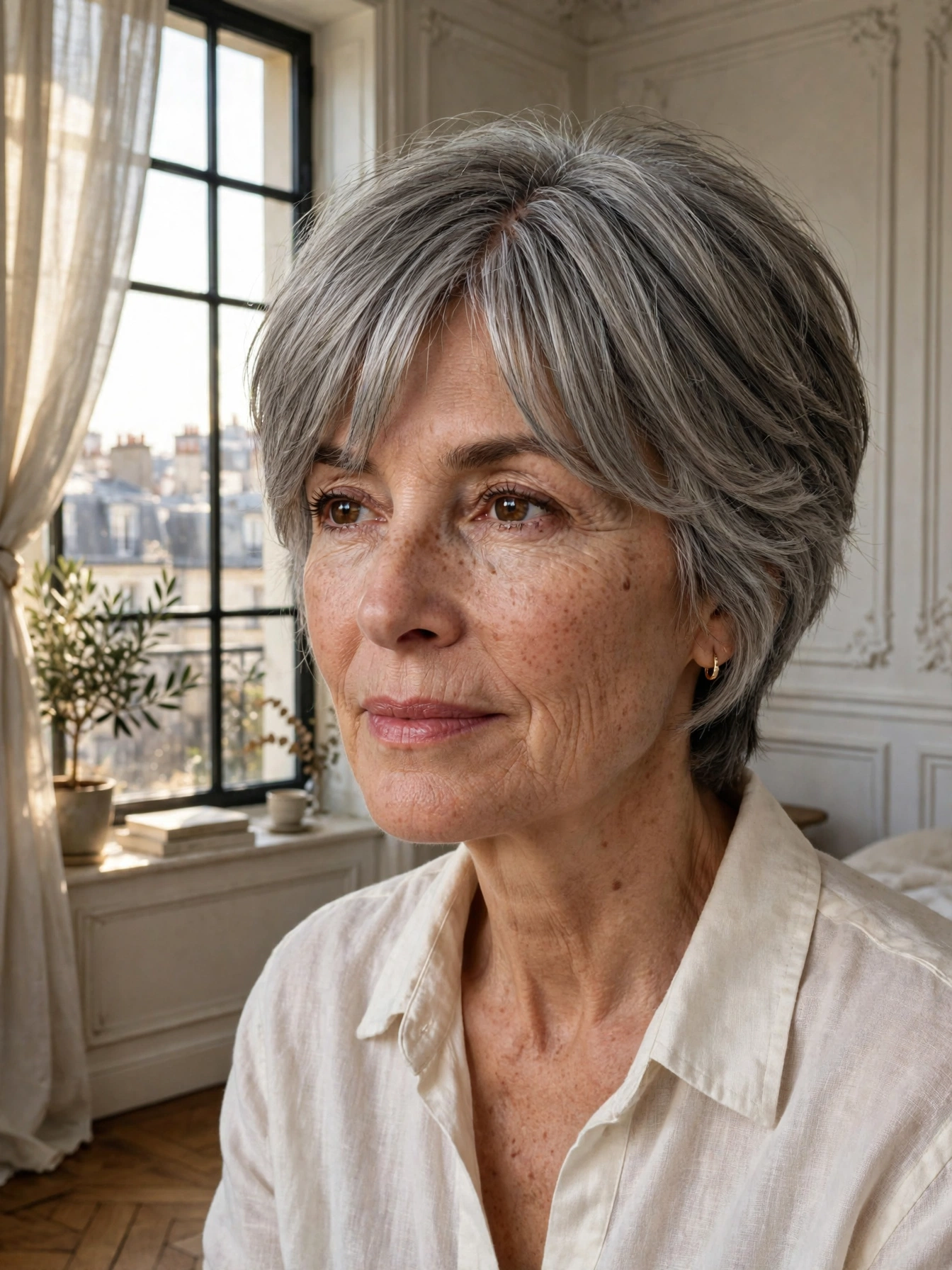
    But let’s be clear—thin hair does not mean boring hair. In fact, the right haircut can be the secret weapon to creating the illusion of volume, fullness, and movement. The days of hiding thinning strands under heavy layers or outdated perms are over. Today, it’s all about strategic cuts, texturizing techniques, and embracing styles that work with your hair’s natural texture rather than fighting against it.

    Whether you prefer a chic pixie, a sophisticated bob, or longer, face-framing layers, the goal remains the same: to add height at the crown, create texture, and keep the weight off the ends. In this guide, we will explore 20 of the best hairstyles for women over 50 with thin hair, broken down into easy-to-navigate categories, along with expert tips on how to style them and what to ask your stylist.


    20 Well-Structured Hairstyle Ideas (Categorized):

    Category 1: Short & Sassy (The Pixies and Crops)

    1. The Classic Pixie Cut


    This timeless style adds instant volume. By keeping the hair short and close to the head, the hair stands up straighter, creating a lift at the crown.

    • Best for: Oval and heart-shaped faces.
    • Styling Tip: Use a volumizing mousse on damp hair and blow-dry forward with a round brush.

    2. The Textured Pixie


    Ask your stylist for point-cutting to create jagged edges. This texturizing removes bulk (weight) that pulls hair down, allowing fine strands to “fluff up” for a messy, modern look.

    • Styling Tip: Work a pea-sized amount of texturizing paste through the ends to define the pieces.

    3. The Long Pixie


    This style features slightly longer bangs and side-swept layers. It softens facial features and offers more versatility than a traditional short crop.

    • Styling Tip: Sweep the bangs to the side to create a diagonal line across the forehead, which breaks up the roundness of the face.

    4. The Buzz Cut


    For the bold and confident woman, a super-short buzz or crop is incredibly liberating. It eliminates the issue of thin hair entirely and highlights your facial features, eyes, and bone structure.

    • Styling Tip: Minimal product needed; just keep the scalp moisturized.

    5. The Tapered Crop


    Shorter at the nape of the neck and longer on top, the tapered crop provides a dramatic lift. The contrast in length makes the top section look much denser.

    • Styling Tip: Blow-dry the top section upward and back for maximum volume.

    Category 2: The Classic Bob (Chin to Shoulder Length)

    6. The Inverted Bob


    This is arguably the best haircut for thin hair. It is stacked and shorter in the back, gradually getting longer toward the front. The angle creates an internal “wedge” that forces the hair to stack up, creating natural volume.

    • Styling Tip: Blow-dry with a large round brush, tucking the ends under slightly.

    7. The Blunt Bob


    While thinning hair often lacks weight, a blunt, one-length cut adds a solid line that makes the ends look thicker. Keep the length at the jawline or chin to maintain the illusion of density.

    • Styling Tip: Use a shine serum to reflect light off the blunt ends, making them appear thicker.

    8. The French Bob


    A chin-grazing bob with full, heavy bangs. The fringe creates a focal point that diverts attention from crown thinning, while the short length keeps the hair from falling flat.

    • Styling Tip: Allow the bangs to dry naturally or with a slight curve to soften the forehead.

    9. The Asymmetrical Bob


    A longer front on one side and a shorter side on the other creates asymmetry that draws the eye away from thin spots and adds modern interest.

    • Styling Tip: Flat iron the longer side straight and bend the shorter side under slightly.

    10. Layered Bob with Fringe


    Adding light layers and wispy fringe removes excess weight, allowing the hair to bounce. The layers should be “long” layers (layers cut at a steep angle) to prevent the hair from looking choppy.

    • Styling Tip: Use a root-lifting spray before blow-drying to maximize the bounce.

    Category 3: Medium to Longer Lengths

    11. The Shag Haircut


    The modern shag has plenty of texture, soft layers, and wispy ends. It gives thin hair a rock-and-roll vibe and makes it look effortlessly full. It works best for wavy or straight fine hair.

    • Styling Tip: Use a sea salt spray on damp hair and scrunch it to enhance natural wave and texture.

    12. Long Layers with Bangs


    Instead of heavy, one-length hair that drags the look down, long, blended layers add movement. Adding wispy side-swept bangs helps to create a softer silhouette.

    • Styling Tip: Blow-dry the bangs to the side to hide any temple thinning.

    13. The One-Length Lob (Long Bob)


    Cut to just above the shoulders, this style is heavy enough to avoid looking scraggly but short enough to maintain some volume. Keeping it a blunt cut at the perimeter adds weight to the bottom.

    • Styling Tip: Blow-dry in large sections to create a smooth, glass-like finish.

    14. The “Wolf” Cut


    A softer take on the shag, the wolf cut is heavily textured with a lot of volume at the crown. The “choppy” appearance masks thinness by creating a deliberately messy, full look.

    • Styling Tip: Apply a volumizing powder to the roots and mess it up with your fingers.

    15. Curtain Bangs with Waves


    Curtain bangs (long, parted down the middle) frame the face beautifully and add width to the sides of the head. Pair this with loose waves to add the appearance of double the hair density.

    • Styling Tip: Use a curling wand to create waves away from the face.

    Category 4: Specialized & Specific Needs

    16. The “Faux Hawk” (Edgy Updo)


    For nights out, a faux hawk gathers the sides tight and spikes the middle. This creates a dramatic center row of hair that looks extremely thick and adds height.

    • Styling Tip: Use a strong-hold hairspray to keep the center ridge in place.

    17. The Deep Side Part


    A drastic change to your part is a quick fix for thin hair. A deep side part creates an immediate arch of volume at the root as the hair falls over to the other side, covering a larger area of the scalp.

    • Styling Tip: Blow-dry the hair against the direction of the part to maximize root lift, then sweep it back over.

    18. Volumized Layers (Feathering)


    Feathering is a specific cutting technique where the ends are sliced into. This removes the blunt edge that can sometimes be too heavy. It is a way to keep length while reducing weight that causes the hair to fall flat.

    • Styling Tip: Use a lightweight mousse to hold the feathered ends.

    19. Root-Volume Bob


    A specific cut that is “over-directed.” This means the hair is cut while being lifted at a 90-degree angle, ensuring that when it falls, it creates a natural “bump” or volume at the root.

    • Styling Tip: Blow-dry with a small round brush focusing specifically on the root area.

    20. The Textured Crop with Highlights


    While not a cut, adding highlights to a textured crop creates dimension. Light colors reflect light, and multiple shades create the optical illusion of thicker, more multi-dimensional hair.

    • Styling Tip: Ask for “baby lights” or “foilyage” to add brightness without damaging the fine strands.

    What to Ask Your Stylist (Crucial Section)

    Before sitting in the chair, here is the key vocabulary to use. Thin hair requires a specific technique to look full. Avoid saying “layer it” (which can mean removing too much bulk). Instead, ask for:

    1. “Point Cutting” : This softens the ends so they don’t look sparse.
    2. “Remove weight, not length” : This ensures they take out the heavy bulk from the inside of the cut, not the perimeter.
    3. “Texture on the top, blunt on the bottom” : This gives you volume up top and density at the ends.
    4. “Over-direction” : This technique cuts the hair while it is pulled up, ensuring it falls with bounce.

    Essential Styling Tips for Thin Hair

    • The Root-Lifting Trick: Use a volumizing root spray or mousse on damp roots. Blow-dry the hair in the opposite direction of where it sits. Once cool, flip it back. This is the magic trick for lasting volume.
    • Shampoo Smarter: Avoid heavy “moisturizing” shampoos that weigh hair down. Look for “volumizing” or “thickening” formulas.
    • Blow-Dry Upside Down: For a quick volume boost, flip your head upside down while blow-drying. The heat sets the hair as it stands away from the scalp.
    • Texturizing Spray is Your Best Friend: Dry texturizing sprays or powders act like “hair makeup,” expanding the diameter of each individual hair.
    • Heat Protectant: Always use a heat protectant; broken hair looks thinner.

    Products to Avoid

    • Heavy Oils: Coconut oil and castor oil are too heavy and will flatten thin hair.
    • Pomades: Unless you are doing a sleek updo, they can make fine hair look greasy and stringy.
    • Over-Washing: Washing too often strips natural oils. Dry shampoo is great for extending styles and adding grit for volume.

    Conclusion

    Reaching your 50s and beyond is a celebration of life, and your hairstyle should reflect that vitality. While thinning hair can be a frustrating change, it is an opportunity to experiment with cuts you might never have tried before.

    The key takeaway is this: thin hair thrives on structure and texture. Whether you choose a sassy pixie, a stacked bob, or soft, face-framing layers, the perfect hairstyle is out there waiting for you. Don’t be afraid to chop off the dead ends—embracing a shorter length is often the secret to unlocking a fuller, more youthful appearance.

    Book that appointment, bring these ideas to your stylist, and get ready to fall in love with your hair all over again. Your best hair decade is just beginning.

  • Short Hairstyles for Thin Hair Women Over 50

    Short Hairstyles for Thin Hair Women Over 50

    For decades, women over 50 with fine or thinning hair have been told to play it safe—keep it simple, keep it short, and don’t take risks. But the rules have changed. Today’s short hairstyles are anything but boring, offering movement, texture, and volume that can make thin hair look surprisingly full and vibrant.

    Here’s the truth: thinning hair doesn’t mean settling for a style that feels flat or uninspired. The right cut can be transformative—not just for how your hair looks, but for how you feel. As celebrity stylist Larry King puts it, “Short hair on mature women can look incredibly sexy because it brings out the eyes, cheekbones and confidence” .

    Whether you’re dealing with age-related thinning, naturally fine strands, or a combination of both, modern short haircuts work with your texture rather than against it. The key lies in strategic layering, texture, and shape. “Mature hair often benefits from going shorter because it instantly creates more movement, shape and fullness,” explains Larry King . “I especially love soft bixies, textured pixies and jawbone bobs because they keep the hair modern and fresh without feeling too ‘done’.”

    In this guide, we’ll explore 11 of the most flattering short hairstyles for women over 50 with thin hair, along with expert styling advice to help you achieve volume, movement, and a youthful glow.


    11 Flattering Short Hairstyles for Thin Hair

    1. The Textured Pixie

    The pixie cut has evolved far beyond the severe, uniform styles of the past. Today’s textured pixie features choppy layers and varying lengths that create fullness and playful volume. It works especially well for thin hair because the layers add lift at the crown and softness around the face . “A textured pixie instantly creates the illusion of thicker hair, making it ideal for finer or thinning strands,” says celebrity stylist Zacharie Jardin .

    Best for: Fine or thinning hair, oval and heart-shaped faces.

    Styling tip: Use a texturizing spray to add grip and movement. Celebrity stylist Larry King recommends his Ride Or Die Texture Spray, noting it “gives short hair that cool, lived-in texture and movement that makes it feel modern, sexy and expensive rather than stiff” .


    2. The Bixie (Bob-Pixie Hybrid)

    Can’t decide between a bob and a pixie? The bixie offers the best of both worlds. This hybrid cut keeps a little more length through the back, like a bob, while maintaining the lightness and playfulness of a pixie . It works particularly well for fine hair because the layered structure prevents it from falling flat, while still keeping it long enough to frame the face .

    Best for: Those who want to go short but aren’t ready for a full pixie.

    Styling tip: The layered structure means this cut often looks great with minimal styling—just a quick finger-fluff in the morning.


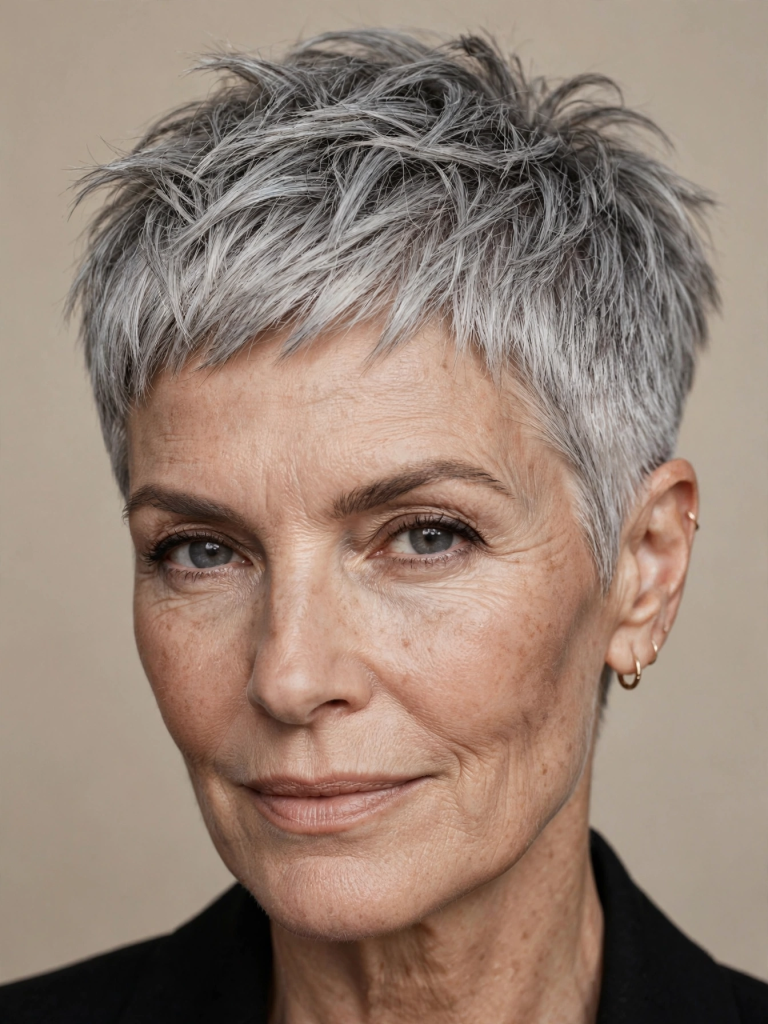
    3. The Soft Feathered Pixie

    A soft feathered pixie is the ultimate easy-care cut for fine hair. The layers are cut strategically to build natural volume at the crown, creating lift where thin hair often needs it most . As a bonus, this style air-dries beautifully with just a quick run of fingers through the layers . For inspiration, look to Celia Imrie, whose feathered pixie delivers plenty of volume and movement.

    Best for: Women seeking an elegant yet low-maintenance style.
    Styling tip: A lightweight mousse applied to damp hair before blow-drying will enhance the feathered effect.


    4. The Blunt Bob

    Counterintuitive as it may seem, a blunt cut with uniform, sharp ends can make thin hair look instantly thicker. “A blunt bob is a brilliant option for fine hair because it instantly makes the ends look stronger,” explains hair growth expert Natasha Grocutt . The clean, straight line across the bottom creates the illusion of density and prevents the see-through, wispy look that can occur with fine hair .

    Best for: Straight hair textures, oval or longer face shapes.

    Styling tip: For even more movement without sacrificing thickness, ask your stylist to texturize the hair slightly while maintaining the blunt perimeter .


    5. The Layered Bob with Crown Volume

    A layered bob with a lifted back adds instant volume and height. The secret lies in graduated layers—shorter at the nape, gradually getting longer toward the front. This not only gives the illusion of fuller hair but also lifts the crown, preventing a flat or droopy look . The result is a bouncy shape that maintains its structure throughout the day.

    Best for: Those who want noticeable volume without going extremely short.

    Styling tip: Blow-dry with a round brush, lifting at the roots to maximize crown volume.


    6. The Short Shag

    The short shag brings a retro-inspired twist to thin hair, but with a modern appeal. Featuring feathered layers throughout, this cut prevents hair from looking limp and lifeless . The choppy, irregular layers create texture that makes hair appear thicker and fuller . “Shag cuts create a lot of volume and texture that gives the illusion of thicker, fuller hair,” says master stylist Temur Hamilton .

    Best for: Those who want texture and movement with minimal styling effort.

    Styling tip: A small amount of texture cream worked through the layers will enhance the piece-y, lived-in look.


    7. The Graduated Bob

    Also known as a stacked bob, the graduated bob is one of the biggest hair trends for fine hair. “For fine hair, this style gives you the appearance of more volume,” confirms hairstylist Jonathan Andrew . The cut features shorter layers at the back that stack upward, creating fullness at the crown while keeping the front longer for a modern silhouette.

    Best for: Those seeking volume at the back and a polished, face-framing front.

    Styling tip: Wear it sleek and close to the head for a youthful, contemporary approach .


    8. The Side-Swept Crop

    A textured crop with side-swept bangs brings fine hair to life with layers that add dimension and body. The side-swept bangs help frame the face softly while drawing attention to the eyes and lifting the overall look . For women with thin hair, a side part can work wonders—it covers sparse areas and creates instant fullness .

    Best for: Heart-shaped and round faces, those wanting to soften their features.

    Styling tip: Dry shampoo is key for this style, as bangs on fine hair can get greasy quickly .


    9. The Choppy Layered Bob

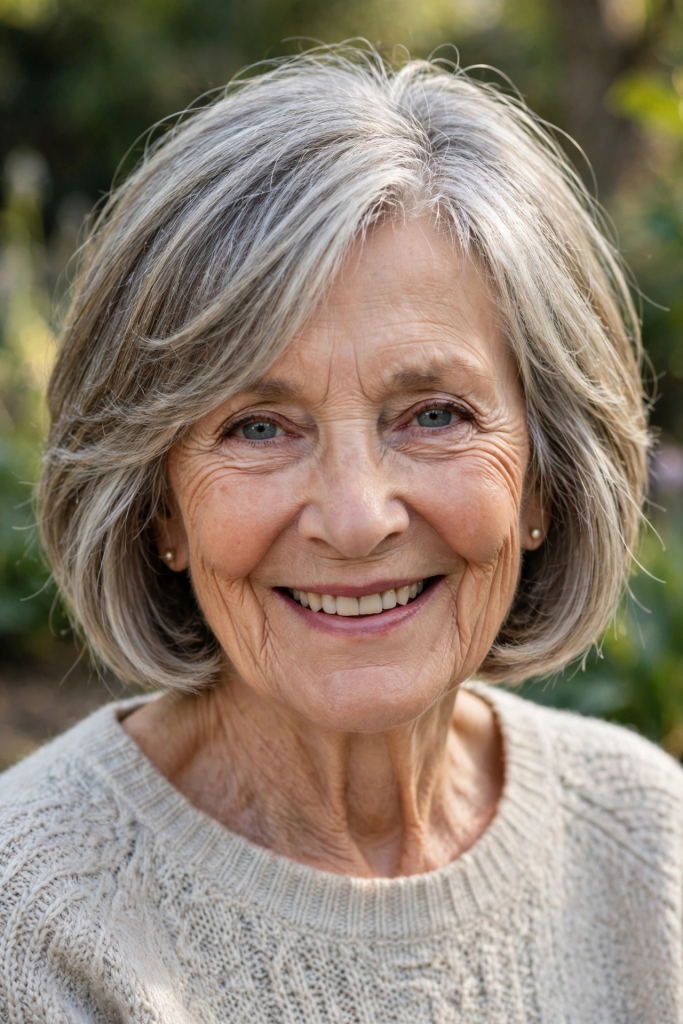
    A choppy bob is slightly messy by design, which means you won’t spend a lot of time styling it, yet it delivers serious volume where you need it most . The graduated layers create dimension and movement, making hair look fuller . This is an ideal choice for those who want a stylish, modern cut that doesn’t require perfection.

    Best for: Women who want a low-maintenance cut with built-in texture.

    Styling tip: Use a curling wand to add loose waves or a texturizing spray to enhance the choppy effect.


    10. The Rounded Bob

    Michelle Yeoh’s sleek, chin-length bob with a soft bevel creates a soft, flattering finish that works well for fine hair . The gentle inward curve at the ends gives the illusion of fullness while keeping the overall look elegant and polished. The rounded shape also frames the face beautifully, enhancing cheekbones and jawline.

    Best for: Straight or softly wavy hair, oval and square face shapes.

    Styling tip: Use a round brush to gently curl the hair in toward the face as you blow-dry .


    11. The Tapered Pixie with Crown Volume

    For those who love a wash-and-go style, a tapered pixie is a fantastic choice. The cut keeps the hair shorter at the sides and back, with slightly longer layers at the top to create lift and structure . The tapered effect keeps the style manageable while the longer top adds volume exactly where thin hair needs it most.

    Best for: Women seeking a bold, modern look that requires minimal daily effort.

    Styling tip: A quick fluff with the fingers in the morning is all this cut typically needs .


    How to Choose the Right Cut for Your Face Shape

    While texture and density are primary concerns, face shape still matters when choosing a short hairstyle. Use this guide to narrow down your options :
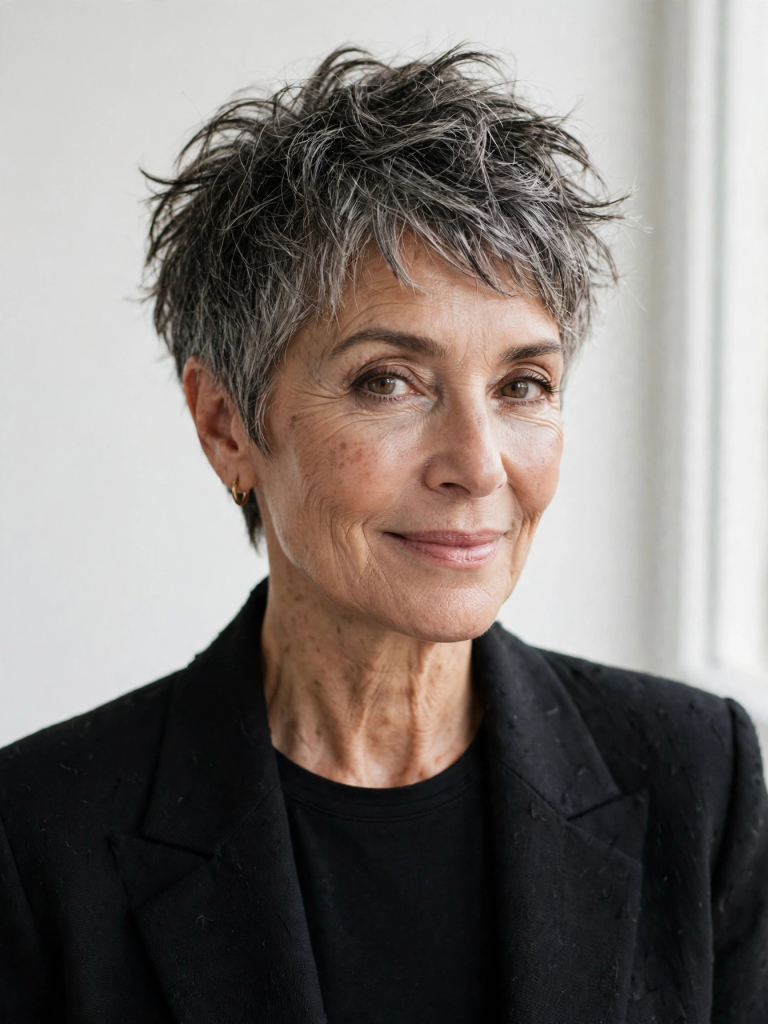
    Face ShapeBest Short StylesWhy They Help
    OvalPixie, soft bob, short shagOval faces can wear almost anything, so focus shifts to texture and personal style
    RoundLayered pixie, angled bobExtra height on top and longer front pieces help elongate the face
    SquareSoft bob, shaggy cropMovement and softness around the jaw reduce harshness and keep the look feminine
    HeartSide-swept pixie, chin-length bobThese styles balance forehead width and create softness around the lower face
    Long/OblongLayered bob, textured crop with bangsBangs and side volume prevent the face from looking longer

    Styling Tips for Thin Hair

    Products That Work

    • Root-lifting sprays and lightweight mousses applied to damp hair before blow-drying create lift that lasts 
    • Dry shampoo is essential for fine hair—it adds texture and absorbs oil that can weigh strands down 
    • Texturizing sprays create grip and movement, making fine hair appear fuller 
    • Avoid heavy creams or oils that can weigh down fine strands 

    Techniques for Maximum Volume

    • Flip your head upside down when blow-drying to direct air to the roots—it creates instant lift 
    • Use a round brush to lift hair at the roots while drying
    • Regular trims every 4-6 weeks keep ends fresh and the shape supportive 
    • Embrace natural texture—fighting your hair’s natural tendency requires more product and time 

    What to Avoid

    • Over-styling or making the hair “too set or too stiff”—”Short hair is so youthful when it’s soft and touchable,” says Larry King 
    • Heavy, slicked-back styles that can expose sparse areas
    • Excessive heat styling that can damage fragile strands

    Conclusion

    Choosing a short hairstyle when you have thin hair over 50 isn’t about limitation—it’s about opportunity. The right cut can add volume, frame your face beautifully, and simplify your daily routine while making you feel confident and modern.
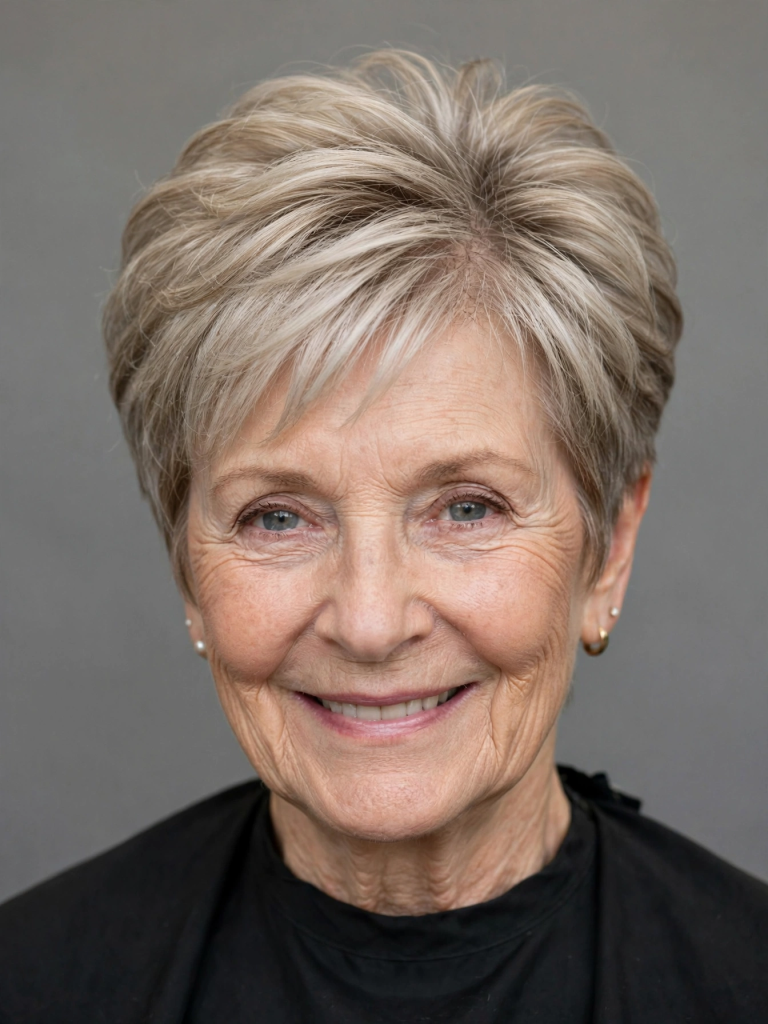
    As the experts agree, the most flattering styles today are those that work with your hair’s natural texture rather than against it. Whether you opt for a textured pixie, a graduated bob, or a soft bixie, the key lies in strategic layering and shape that creates movement and lift.

    “I think many women hold onto cuts that no longer suit their hair texture or density,” says stylist Zacharie Jardin. “Softer layers and movement almost always look fresher and more flattering than heavy or flat styles” .

    The message is clear: short hair for women over 50 is not about hiding or conforming. It’s about celebrating your features, embracing change, and finding a style that makes you feel like the best version of yourself. So go ahead—book that salon appointment. Your most flattering cut is waiting.