Author: admin

  • Dry Scalp vs Dandruff: What’s the Difference?

    Dry Scalp vs Dandruff: What’s the Difference?

    Flakes in your hair can be frustrating, especially when they keep coming back no matter what you try. One of the biggest reasons people struggle to fix this issue is simple: not all flakes are the same. Many people assume they have dandruff when they actually have a dry scalp, or treat dryness as if it were dandruff.

    Understanding the difference between dry scalp vs dandruff is essential if you want to choose the right products and build a routine that actually works. Although both conditions can look similar at first, they have different causes, different characteristics, and different care needs.

    This guide breaks down everything you need to know so you can identify what your scalp is experiencing and respond in a way that restores balance.

    check more; 2026 Healthy Scalp Guide: The Foundation of Strong, Beautiful Hair


    What Is a Dry Scalp?

    A dry scalp occurs when the skin on your scalp lacks sufficient moisture. Just like dry skin on other parts of your body, it can become tight, flaky, and uncomfortable.

    Common Signs of Dry Scalp

    • Small, white, powdery flakes
    • Tight or rough feeling on the scalp
    • Increased dryness after washing
    • Mild itchiness, especially in dry conditions

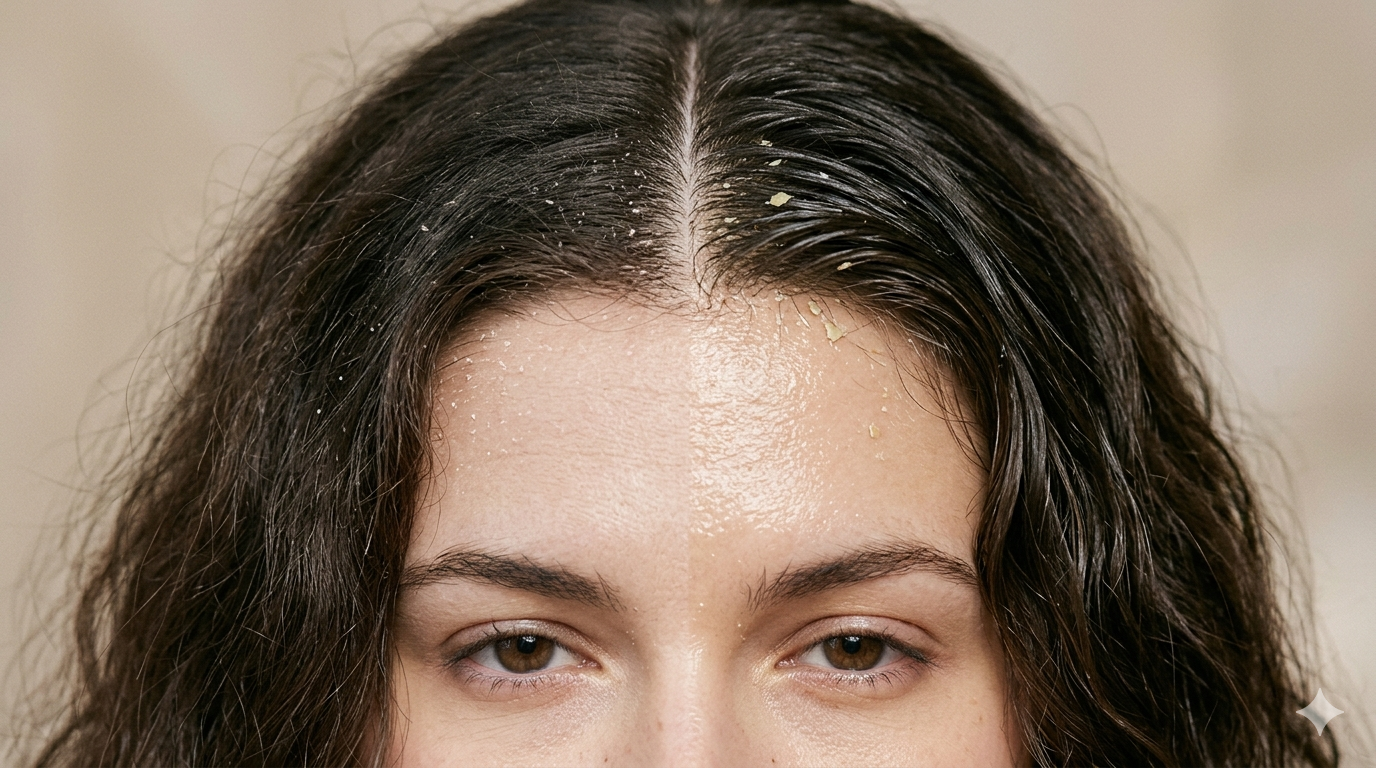
    The flakes from a dry scalp are usually light and fall easily from the hair. They often appear more noticeable after washing or in colder weather.

    What Causes a Dry Scalp?

    Several everyday factors can lead to a lack of moisture in the scalp:

    Cold or Dry Weather
    Low humidity can strip moisture from the skin, including your scalp.

    Harsh Shampoos
    Strong cleansers can remove too much natural oil, leaving the scalp dry and unprotected.

    Overwashing
    Washing too frequently can prevent your scalp from maintaining its natural balance.

    Lack of Hydration in Your Routine
    If your routine focuses only on cleansing without restoring moisture, dryness can develop over time.


    What Is Dandruff?

    Dandruff is a common scalp condition that is usually linked to excess oil and imbalance on the scalp. Unlike a dry scalp, dandruff is not caused by a lack of moisture but rather by how the scalp produces and manages oil.

    Common Signs of Dandruff

    • Larger flakes that may appear white or slightly yellow
    • Oily or greasy scalp
    • Persistent itchiness
    • Flakes that may stick to the scalp or hair

    Dandruff flakes are often heavier than dry scalp flakes and may not fall off as easily.

    What Causes Dandruff?

    Dandruff is often influenced by factors related to oil and scalp balance:

    Excess Oil Production
    An oily scalp can create an environment where flakes develop more easily.

    Product Buildup
    Residue from oils, creams, or styling products can accumulate and contribute to flaking.

    Sensitivity to Scalp Conditions
    Some people are more prone to scalp imbalance, which can lead to dandruff symptoms.


    Dry Scalp vs Dandruff: Key Differences

    Understanding the differences between dry scalp vs dandruff makes it easier to identify which condition you are dealing with.

    FeatureDry ScalpDandruff
    FlakesSmall, dryLarger, oily
    Scalp FeelTight, roughOily or greasy
    Main CauseLack of moistureOil imbalance
    Reaction to OilsImprovesMay worsen
    Reaction to Harsh CleansingWorsensMay temporarily reduce oil but cause imbalance

    A simple way to think about it is this:

    • Dry scalp is a moisture problem
    • Dandruff is an oil balance problem

    Why the Difference Matters

    Treating dry scalp vs dandruff the same way can actually make your condition worse instead of better.

    When Dry Scalp Is Treated Like Dandruff

    Using strong or stripping treatments can remove even more moisture, leading to increased dryness, tighter skin, and more flaking.

    When Dandruff Is Treated Like Dry Scalp

    Applying heavy oils or thick products can add to buildup and worsen the oily environment, making flakes more noticeable.

    This is why identifying the root cause is more important than simply reacting to flakes.


    How to Tell Which One You Have

    If you are unsure whether you are dealing with dry scalp vs dandruff, look closely at both the flakes and how your scalp feels.

    You may have a dry scalp if:

    • Flakes are small and light
    • Your scalp feels tight or dry
    • Flaking gets worse in cold or dry weather

    You may have dandruff if:

    • Flakes are larger and slightly oily
    • Your scalp feels greasy
    • You notice buildup or persistent itchiness

    In some cases, your scalp may show signs of both, especially if your routine is inconsistent or overly harsh.


    Gentle Care Tips for Both Conditions

    No matter which condition you are dealing with, a gentle and balanced approach is the safest starting point.

    Use Mild, Balanced Shampoos

    Choose a cleanser that removes buildup without stripping your scalp completely.

    Avoid Overloading the Scalp

    Using too many products can lead to imbalance, whether your scalp is dry or oily.

    Focus on Balance, Not Extremes

    Avoid routines that are too harsh or too heavy. The goal is to restore a natural balance.

    Keep Your Routine Consistent

    Frequent product changes can make it harder to identify what works for your scalp.


    Adjusting Your Routine Based on Your Scalp Type

    Once you understand whether you are dealing with dry scalp vs dandruff, you can make small adjustments that lead to better results.

    If You Have a Dry Scalp

    • Reduce overwashing
    • Use gentle, hydrating products
    • Avoid harsh cleansers
    • Focus on maintaining moisture

    If You Have Dandruff

    • Cleanse regularly to prevent buildup
    • Avoid heavy oils on the scalp
    • Use lightweight products
    • Keep the scalp clean but not stripped

    Common Mistakes to Avoid

    Many scalp issues persist because of simple but common mistakes.

    Using the Wrong Products
    Choosing products that do not match your scalp condition can delay improvement.

    Overcorrecting the Problem
    Trying to fix dryness with too much oil or oiliness with overly harsh cleansing can worsen imbalance.

    Ignoring Early Signs
    Mild flaking or itchiness can develop into more noticeable issues if not addressed early.


    How Long It Takes to See Improvement

    Improvement depends on consistency and the severity of the issue.

    • Mild dryness or imbalance may improve within a few washes
    • More persistent dandruff or dryness may take several weeks

    The key is sticking to a routine that supports your scalp instead of constantly switching products.


    Conclusion

    Understanding the difference between dry scalp vs dandruff is one of the most important steps in building an effective scalp care routine. While both conditions may look similar, they require different approaches.

    A dry scalp needs moisture and gentle care, while dandruff requires balance and proper cleansing. Once you identify what your scalp is experiencing, it becomes much easier to choose products and habits that support long-term scalp health.

    Instead of guessing, focus on observing your scalp and responding with a simple, consistent routine that restores balance over time.

  • 2026 Healthy Scalp Guide: The Foundation of Strong, Beautiful Hair

    2026 Healthy Scalp Guide: The Foundation of Strong, Beautiful Hair

    A healthy scalp is the foundation of strong, beautiful hair. While many people focus on hair length, shine, or styling products, the condition of your scalp plays a much bigger role than most realize. When the scalp is balanced and well cared for, hair is more likely to look vibrant, feel soft, and behave better overall.

    This healthy scalp guide explains how to recognize common scalp problems, what causes them, and how to build a simple routine that supports long-term scalp health. Instead of relying on complicated treatments, the goal is to understand your scalp and care for it consistently.


    What Is a Healthy Scalp?

    A healthy scalp is balanced, comfortable, and free from ongoing irritation. It should not feel excessively dry or overly oily, and it should not show signs of buildup or persistent flaking.

    Signs of a healthy scalp:

    • Feels clean and comfortable between washes
    • Has little to no itchiness
    • Shows no visible buildup or heavy residue
    • Maintains a natural oil balance

    When your scalp is in this condition, it creates the right environment for healthy-looking hair.

    look out; Stressed Skin Tips That Actually Help (Simple Ways to Support Skin Recovery)


    Why a Healthy Scalp Matters

    Hair grows from follicles located in the scalp. This means the condition of your scalp directly affects how your hair looks and feels.

    When the scalp is not balanced:

    • Dryness can make hair feel rough or brittle
    • Excess oil can make hair look greasy and flat
    • Buildup can weigh hair down and reduce volume

    A healthy scalp does not guarantee faster hair growth, but it supports better overall hair quality and manageability.


    Common Signs of an Unhealthy Scalp

    Understanding early warning signs can help you adjust your routine before problems become more noticeable.


    Dryness and Tightness

    A scalp that feels tight or uncomfortable, especially after washing, is often lacking moisture.

    Common signs:

    • Small, dry flakes
    • Tight feeling after cleansing
    • Increased sensitivity

    Possible causes:

    • Harsh shampoos
    • Washing too frequently
    • Lack of hydration

    Excess Oiliness

    An oily scalp produces more oil than necessary, often leading to greasy roots soon after washing.

    Common signs:

    • Hair looks oily within a short time
    • Flat or heavy appearance
    • Frequent need to wash

    Possible causes:

    • Overwashing
    • Heavy products
    • Imbalance in oil production

    Itchiness and Irritation

    Itchiness is a common sign that your scalp is not balanced.

    Common signs:

    • Frequent urge to scratch
    • Mild discomfort or sensitivity

    Possible causes:

    • Dryness
    • Product irritation
    • Buildup

    Flaking

    Flakes can come from either dryness or dandruff, and identifying the cause is important.

    Common signs:

    • White or slightly yellow flakes
    • Itchiness

    Possible causes:

    • Lack of moisture
    • Oil imbalance

    Buildup

    Scalp buildup occurs when products, oils, and sweat accumulate over time.

    Common signs:

    • Greasy or coated feeling
    • Dull-looking hair
    • Reduced volume

    Possible causes:

    • Overuse of products
    • Infrequent cleansing

    What Causes Scalp Imbalance?

    A healthy scalp depends on balance. Most scalp concerns develop when this balance is disrupted.

    Overwashing or Underwashing

    Washing too often can strip natural oils, while washing too little can allow buildup to accumulate.

    Harsh Products

    Strong cleansers and heavily fragranced products can irritate the scalp.

    Product Overload

    Using too many oils, creams, or styling products can clog the scalp and interfere with balance.

    Environmental Factors

    Weather conditions such as heat, humidity, or dryness can affect how your scalp behaves.

    Inconsistent Routine

    Switching products too often or not following a routine can prevent your scalp from stabilizing.


    How to Build a Healthy Scalp Routine

    A healthy scalp routine does not need to be complicated. Simple, consistent habits are often the most effective.


    Step 1: Cleanse Gently

    Choose a shampoo that matches your scalp type.

    • Oily scalp: use lightweight, balancing cleansers
    • Dry scalp: choose hydrating, gentle formulas
    • Sensitive scalp: use mild, minimal-ingredient products

    Focus on cleansing the scalp without aggressive scrubbing.


    Step 2: Avoid Product Overload

    Apply heavy products mainly to the hair lengths rather than directly to the scalp unless necessary.

    Keeping the scalp clear helps maintain balance.


    Step 3: Maintain a Consistent Routine

    Find a washing schedule that works for your scalp and stick to it.

    • Oily scalp may need more frequent washing
    • Dry scalp may benefit from less frequent washing

    Consistency helps your scalp regulate itself over time.


    Step 4: Keep the Scalp Balanced

    A healthy scalp is not too dry and not too oily.

    If your scalp feels stripped, reduce harsh products.
    If it feels greasy, simplify your routine and cleanse properly.


    Step 5: Reset When Needed

    If buildup occurs, a gentle deep cleanse can help restore balance.

    This does not need to be done often, only when necessary.


    Common Mistakes That Affect a Healthy Scalp

    Avoiding these habits can make a significant difference in scalp health.

    Overwashing

    Frequent washing can strip natural oils and lead to imbalance.

    Using Too Many Products

    Excess products can cause buildup and irritation.

    Scratching Aggressively

    Scratching can damage the scalp and increase sensitivity.

    Ignoring Early Signs

    Mild itchiness or dryness can develop into more noticeable issues if ignored.


    How Long It Takes to Improve Scalp Health

    Improving scalp health takes time and consistency.

    • Minor issues may improve within a few washes
    • More persistent concerns may take a few weeks

    The key is maintaining a simple routine and avoiding constant changes.


    Keeping Scalp Care Simple

    Many people believe that achieving a healthy scalp requires multiple products and treatments. In reality, a simple approach is often more effective.

    Focus on:

    • Gentle cleansing
    • Balanced care
    • Consistent habits

    Avoid relying on:

    • Overly complicated routines
    • Frequent product changes
    • Aggressive treatments

    Conclusion

    A healthy scalp is the starting point for healthy-looking hair. When your scalp is clean, balanced, and comfortable, your hair is better supported and easier to manage.

    This healthy scalp guide shows that the best results come from understanding your scalp and caring for it consistently. By focusing on balance rather than extremes, you can create a routine that supports both your scalp and your hair over time.

  • How to Repair Your Skin Barrier at Home (Simple Steps That Support Skin Recovery)

    How to Repair Your Skin Barrier at Home (Simple Steps That Support Skin Recovery)

    If your skin suddenly feels dry, sensitive, tight, or easily irritated, your skin barrier may be struggling. Many people begin searching for how to repair skin barrier at home when their usual routine stops working or starts causing discomfort.

    The good news is that your skin is capable of recovering when given the right support. You do not need a complicated routine or a shelf full of products. In fact, simplifying your approach is often the most effective way to support skin recovery and help restore balance.

    Understanding how to repair skin barrier at home is less about quick fixes and more about consistency, patience, and gentle care. This guide explains what your skin barrier does, why it becomes compromised, and how you can support its recovery using simple steps at home.


    What Is the Skin Barrier

    Your skin barrier is the outermost layer of your skin. It acts as a protective shield that helps keep moisture in while blocking out environmental stress such as pollution and dry air.

    When your skin barrier is healthy, your skin feels:

    • comfortable
    • hydrated
    • smooth
    • balanced

    When it becomes weakened, your skin may struggle to retain moisture and protect itself. This is why learning how to repair skin barrier at home is essential for maintaining long-term skin health.

    look out; Signs Your Skin Barrier Is Damaged (And What Your Skin Is Trying to Tell You)


    What Causes a Damaged Skin Barrier

    Before focusing on how to repair skin barrier at home, it is important to understand what may be causing the issue.

    Common causes include:

    • using too many skincare products
    • over-cleansing or washing too frequently
    • over-exfoliating
    • frequent routine changes
    • environmental stress such as dry or cold weather

    These factors can disrupt your skin’s natural balance and make it more sensitive over time.


    Signs Your Skin Barrier Needs Support

    Your skin usually gives clear signals when it needs help.

    You may notice:

    • persistent dryness
    • tightness after washing your face
    • increased sensitivity
    • dull or uneven-looking skin
    • products that suddenly feel uncomfortable

    Recognizing these signs early can help you take the right steps to support skin recovery.


    How to Repair Skin Barrier at Home

    1. Simplify Your Routine

    One of the most important steps in learning how to repair skin barrier at home is simplifying your routine.

    Using too many products can overwhelm your skin and slow down recovery. Focus on the basics:

    • a gentle cleanser
    • a simple moisturizer
    • sunscreen during the day

    Reducing the number of products helps your skin reset and regain balance.


    2. Focus on Hydration

    Hydration plays a key role in supporting skin recovery. A good moisturizer helps your skin retain moisture and maintain comfort.

    Apply moisturizer consistently, especially after cleansing, when your skin is slightly damp. This helps improve absorption and supports balance.


    3. Cleanse Gently

    Over-cleansing can strip away natural oils that your skin needs. This can weaken your skin barrier further.

    Wash your face twice a day using a gentle cleanser. Avoid harsh formulas that leave your skin feeling tight or dry.


    4. Avoid Over-Exfoliation

    Exfoliation can be helpful in some routines, but too much can damage your skin barrier.

    If your skin feels sensitive or irritated, it is best to reduce or pause exfoliation until your skin feels more balanced.


    5. Stay Consistent

    Consistency is one of the most important factors in how to repair skin barrier at home. Your skin needs time to adjust and recover.

    Avoid switching products frequently. Stick to a simple routine and give your skin time to respond.


    What to Avoid During Recovery

    While focusing on how to repair skin barrier at home, it is important to avoid habits that may slow progress.

    Try to avoid:

    • harsh scrubs
    • strong or heavily fragranced products
    • using multiple new products at once

    These can increase sensitivity and make it harder for your skin to recover.


    How Long Does Recovery Take

    Skin recovery does not happen overnight. Depending on your skin, it may take several weeks of consistent care to notice improvements.

    You may first notice that your skin feels more comfortable and less reactive. Visible improvements often follow with time.


    Final Thoughts

    Learning how to repair skin barrier at home is about simplifying your routine and supporting your skin with consistent care. By focusing on hydration, gentle cleansing, and patience, you can help restore balance and improve how your skin feels over time.

  • How to Get Glowing Skin Naturally (Simple Tips That Work)

    How to Get Glowing Skin Naturally (Simple Tips That Work)

    Healthy, glowing skin is something many people want, but achieving it does not have to involve complicated routines or expensive products. If you have been searching for how to get glowing skin naturally tips, the answer is often simpler than expected.

    Natural glow comes from balance, consistency, and gentle care. It is not about quick fixes or harsh treatments. Instead, it is about supporting your skin in a way that allows it to function at its best.

    Many people unknowingly stress their skin by overloading it with products or constantly changing routines. In contrast, natural skincare focuses on simplicity, hydration, and habits that help your skin look fresh and healthy over time.

    This guide will walk you through practical and effective how to get glowing skin naturally tips that are easy to follow and safe for long-term use.


    What Does “Glowing Skin” Really Mean

    Before diving into how to get glowing skin naturally tips, it is important to understand what glowing skin actually looks like.

    Glowing skin is not about being overly shiny or perfectly flawless. Instead, it is skin that appears:

    • hydrated
    • smooth
    • even in tone
    • naturally radiant

    This type of glow comes from healthy skin function rather than heavy products or filters. The goal is to support your skin so it reflects light naturally and feels comfortable.


    Why Natural Skincare Works

    Natural skincare focuses on supporting your skin rather than forcing results. This approach works because it:

    • reduces irritation
    • helps maintain balance
    • supports skin recovery
    • avoids overwhelming your skin

    When you follow how to get glowing skin naturally tips, you create a routine that your skin can respond to consistently.

    you might like, Stressed Skin Tips That Actually Help (Simple Ways to Support Skin Recovery)


    How to Get Glowing Skin Naturally Tips That Actually Work

    1. Keep Your Routine Simple

    One of the most effective how to get glowing skin naturally tips is to simplify your routine.

    Instead of using many products, focus on the basics:

    • a gentle cleanser
    • a simple moisturizer
    • sunscreen during the day

    A simple routine reduces the risk of irritation and allows your skin to stay balanced. Over time, this consistency helps improve your skin’s natural glow.


    2. Cleanse Gently and Consistently

    Cleansing helps remove dirt, oil, and buildup from your skin. However, it is important to do this gently.

    Wash your face twice a day using a mild cleanser. Avoid harsh formulas that leave your skin feeling tight or dry.

    Gentle cleansing is one of the most important how to get glowing skin naturally tips because it prepares your skin without stripping away essential moisture.


    3. Hydrate Your Skin Daily

    Hydration plays a major role in achieving glowing skin. When your skin is properly hydrated, it looks smoother and more radiant.

    Use a moisturizer that feels comfortable on your skin and apply it regularly. This helps:

    • improve texture
    • maintain softness
    • support a healthy appearance

    Hydrated skin reflects light better, which creates that natural glow.


    4. Protect Your Skin from Daily Exposure

    Daily exposure to sunlight and environmental stress can affect your skin’s appearance over time.

    Using sunscreen during the day is one of the most important how to get glowing skin naturally tips. It helps protect your skin and maintain its even tone.

    Consistent protection supports long-term skin health and helps preserve your natural glow.


    5. Avoid Over-Exfoliation

    Exfoliation can help improve skin texture, but too much can lead to irritation and dullness.

    If your goal is glowing skin, it is better to exfoliate gently and not too frequently. Over-exfoliating can disrupt your skin’s balance and reduce its natural radiance.

    Keeping exfoliation minimal is one of the most overlooked how to get glowing skin naturally tips.


    6. Stay Consistent with Your Routine

    Consistency is key when it comes to natural skincare.

    Switching products too often can confuse your skin and slow progress. Instead, stick to a routine that works and give your skin time to respond.

    Following consistent how to get glowing skin naturally tips allows your skin to gradually improve and maintain balance.


    7. Support Your Skin with Healthy Habits

    Your skin reflects your daily habits. While skincare products help, your lifestyle also plays an important role.

    Simple habits that support glowing skin include:

    • getting enough rest
    • staying hydrated throughout the day
    • maintaining a consistent routine

    These habits work together with your skincare routine to improve your skin’s overall appearance.


    8. Choose Gentle, Skin-Friendly Products

    When following how to get glowing skin naturally tips, it is important to choose products that are gentle and supportive.

    Avoid products that feel harsh or overly strong. Instead, focus on formulas that:

    • feel comfortable on your skin
    • support hydration
    • are easy to use consistently

    Gentle products help maintain balance and reduce the risk of irritation.


    9. Be Patient with Your Skin

    Natural glow does not happen overnight. Your skin needs time to adjust and improve.

    You may start to notice small changes within a few days, such as improved comfort or smoother texture. Visible glow often develops over a few weeks of consistent care.

    Patience is one of the most important how to get glowing skin naturally tips because long-term results take time.


    10. Listen to Your Skin

    Your skin provides feedback through how it feels and reacts.

    If your skin feels comfortable and balanced, your routine is likely working. If you notice irritation or dryness, it may be time to simplify your approach.

    Learning to listen to your skin helps you make better decisions and maintain your glow over time.


    Common Mistakes That Can Affect Your Glow

    Even when trying to follow how to get glowing skin naturally tips, certain habits can slow progress.

    Avoid:

    • using too many products at once
    • changing your routine too often
    • over-exfoliating
    • ignoring signs of irritation

    Reducing these habits helps your skin stay balanced and improves your results.


    How Long Does It Take to See Results

    With consistent care, you may begin to notice improvements in how your skin feels within a few days.

    Visible glow, such as smoother texture and a more radiant appearance, often takes a few weeks. The key is to stay consistent and avoid making unnecessary changes.


    Final Thoughts

    Achieving glowing skin does not require complicated routines or extreme methods. The most effective how to get glowing skin naturally tips focus on simplicity, consistency, and gentle care.

    By keeping your routine minimal, staying hydrated, protecting your skin, and supporting it with healthy habits, you create the right conditions for your skin to thrive.

    Over time, this approach helps restore balance and allows your natural glow to shine through.

  • Stressed Skin Tips That Actually Help (Simple Ways to Support Skin Recovery)

    Stressed Skin Tips That Actually Help (Simple Ways to Support Skin Recovery)

    When your skin feels irritated, dry, sensitive, or simply “off,” it can be frustrating trying to figure out what to do next. You may find yourself searching for stressed skin tips, hoping for a quick solution. Instead, you often come across long routines, complex product recommendations, or advice that feels overwhelming.

    The truth is, the most effective stressed skin tips are not complicated. In fact, when your skin is under stress, doing less is often more helpful than doing too much. Supporting your skin during these moments is about creating a calm, consistent routine that allows it to recover naturally.

    Stressed skin is usually a sign that your skin’s balance has been disrupted. This can happen due to environmental changes, overuse of products, or inconsistent routines. The goal is not to fix everything overnight, but to support skin recovery and help restore balance over time.


    Why Simple Tips Work

    One of the biggest misconceptions about skincare is that more products lead to better results. When your skin is stressed, this approach can actually make things worse.

    Simple stressed skin tips work because they:

    • reduce irritation
    • minimize product overload
    • give your skin time to adjust
    • support its natural ability to recover

    When you simplify your routine, you remove unnecessary pressure from your skin. This creates the right environment for it to regain stability and feel more comfortable.

    review Signs Your Skin Barrier Is Damaged (And What Your Skin Is Trying to Tell You);


    Understanding Stressed Skin

    Before applying stressed skin tips, it helps to understand what stressed skin looks and feels like.

    You may notice:

    • dryness that comes and goes
    • sensitivity to products you normally use
    • uneven texture
    • dull or tired appearance
    • a feeling that your skin is “not cooperating”

    These signs often indicate that your skin needs support rather than stronger treatments.


    Stressed Skin Tips That Actually Help

    1. Keep Your Routine Minimal

    One of the most important stressed skin tips is to simplify your routine.

    Instead of using multiple products, focus on the essentials:

    • a gentle cleanser
    • a basic moisturizer
    • sunscreen during the day

    A minimal routine reduces the chances of irritation and allows your skin to reset. It also makes it easier to understand what works for your skin.


    2. Hydrate Regularly

    Hydration plays a key role in maintaining comfort and balance. When your skin is stressed, it often struggles to retain moisture.

    Applying a moisturizer consistently helps:

    • improve comfort
    • reduce dryness
    • support a smoother appearance

    For best results, apply moisturizer when your skin is slightly damp after cleansing. This helps lock in hydration and supports recovery.


    3. Avoid Over-Exfoliation

    Exfoliation can be beneficial in some routines, but too much can increase sensitivity and stress your skin further.

    If your skin feels irritated or uncomfortable, it may help to reduce or pause exfoliation temporarily. This gives your skin time to rebuild its balance.

    One of the most effective stressed skin tips is knowing when to step back rather than push forward.


    4. Choose Gentle, Supportive Products

    When your skin is stressed, it is more sensitive to harsh or heavily fragranced products.

    Instead, choose products that:

    • feel soothing on the skin
    • focus on hydration
    • are simple and easy to use

    Gentle care helps reduce the risk of irritation and supports your skin as it recovers.


    5. Stay Consistent

    Consistency is one of the most overlooked stressed skin tips, yet it is one of the most important.

    Switching products frequently can keep your skin in a constant state of adjustment. This makes it harder for your skin to stabilize.

    Stick to a simple routine and give your skin time to respond. Over time, consistency helps restore balance and improves overall comfort.


    6. Avoid Over-Cleansing

    Washing your face too often can strip away natural oils that your skin needs.

    This can lead to:

    • increased dryness
    • tightness
    • sensitivity

    Cleansing twice a day is usually enough. Using a gentle cleanser helps maintain balance without causing additional stress.


    7. Pay Attention to Your Environment

    Your surroundings can influence how your skin behaves. Dry air, weather changes, and indoor conditions can all affect hydration levels.

    Adjusting your routine based on your environment is one of the more practical stressed skin tips.

    For example:

    • in dry conditions, focus more on moisturizing
    • in humid conditions, keep your routine light

    These small adjustments can make a noticeable difference.


    8. Support Your Skin Through Daily Habits

    Your lifestyle also plays a role in how your skin feels.

    While skincare products are important, daily habits such as:

    • getting enough rest
    • maintaining a consistent routine
    • managing daily stress

    can also help support your skin.

    When your overall routine is balanced, your skin is more likely to feel balanced as well.


    9. Be Patient With Your Skin

    One of the most important stressed skin tips is patience.

    It is natural to want quick results, but your skin needs time to recover. Trying too many new things at once can slow down progress.

    Instead, focus on gradual improvement. Pay attention to small changes, such as increased comfort or reduced sensitivity.


    10. Learn to Listen to Your Skin

    Your skin provides feedback through how it feels and reacts.

    If something causes discomfort, it may be worth adjusting your routine. If your skin feels more comfortable, it is a sign that your approach is working.

    Learning to observe these signals helps you make better decisions over time.


    How Long Does It Take to See Results

    When following these stressed skin tips, you may start to notice improvements in comfort within a few days. Your skin may feel less tight, less reactive, and easier to manage.

    Visible improvements, such as smoother texture and improved appearance, may take a few weeks of consistent care.

    The key is to stay patient and avoid making too many changes at once.


    Common Mistakes to Avoid

    Even with the best intentions, certain habits can slow down your progress.

    Try to avoid:

    • adding too many new products at once
    • using harsh treatments when your skin feels sensitive
    • expecting immediate results
    • changing your routine too frequently

    Avoiding these mistakes allows your skin to recover more effectively.


    Final Thoughts

    The most effective stressed skin tips focus on simplicity, consistency, and gentle care. When your skin is under stress, it does not need more products or complicated routines. It needs support.

    By keeping your routine minimal, staying consistent, and paying attention to how your skin responds, you create the right conditions for recovery. Over time, this approach helps restore balance and improves how your skin looks and feels.

    Stressed skin is temporary. With the right approach, you can support your skin and help it return to a calmer, more comfortable state.

  • What Causes Stressed Skin (And How to Fix It).

    What Causes Stressed Skin (And How to Fix It).

    If your skin suddenly feels unpredictable, sensitive, or difficult to manage, you may be dealing with stressed skin. Many people experience this at some point, especially when their routine stops delivering the results they expect. Understanding what causes stressed skin is the first step toward improving how your skin looks and feels.

    Stressed skin is not usually caused by a single issue. Instead, it develops when your skin becomes overwhelmed or unbalanced over time. This imbalance can come from your routine, your environment, or even your daily habits. The goal is not to fix everything at once, but to support skin recovery and help restore balance gradually.

    When you understand what causes stressed skin, you can make more intentional choices. Instead of adding more products or trying quick fixes, you begin to focus on consistency, simplicity, and gentle care.

    consider ;Signs Your Skin Barrier Is Damaged (And What Your Skin Is Trying to Tell You)


    What Is Stressed Skin

    Stressed skin is skin that is struggling to maintain stability. It does not behave the way it normally does. You may notice that your skin feels dry one day and oily the next, or that it reacts more easily to products that once worked well.

    Common characteristics of stressed skin include:

    • uneven texture
    • sudden sensitivity
    • dull or tired appearance
    • inconsistent oil levels
    • reduced comfort overall

    This inconsistency is one of the key indicators when identifying what causes stressed skin. Your skin is trying to adapt, but it needs the right conditions to recover.


    Why Understanding the Cause Matters

    Before trying to improve your routine, it is important to understand what causes stressed skin in your specific case. Without this step, it is easy to rely on trial and error, which can make the situation worse.

    When you identify the root causes, you can:

    • remove unnecessary stress from your routine
    • support your skin more effectively
    • avoid repeating the same mistakes

    This approach leads to more stable, long-term results rather than temporary improvements.


    What Causes Stressed Skin

    There are several common factors that contribute to stressed skin. In many cases, it is a combination of these rather than just one.


    1. Overuse of Skincare Products

    One of the most common answers to what causes stressed skin is simply doing too much.

    Using multiple products at once can overwhelm your skin. Even products that are considered beneficial can disrupt your skin’s balance when layered excessively.

    You may notice:

    • increased sensitivity
    • product buildup
    • difficulty identifying what works

    When your routine becomes too complex, your skin may struggle to adjust. Simplifying your routine is often one of the most effective ways to support recovery.


    2. Frequent Routine Changes

    Another important factor in what causes stressed skin is inconsistency.

    Switching products too often prevents your skin from adapting. Every new product requires an adjustment period, and constantly changing your routine can keep your skin in a state of confusion.

    This often leads to:

    • unpredictable reactions
    • uneven results
    • lack of visible improvement

    Consistency allows your skin to stabilize and respond more positively over time.


    3. Over-Cleansing and Over-Exfoliation

    Cleansing and exfoliating are essential steps, but too much of either can weaken your skin.

    Over-cleansing can strip away natural oils, leaving your skin feeling tight and dry. Over-exfoliation can make your skin more sensitive and reactive.

    These habits are often overlooked when considering what causes stressed skin, but they play a major role in disrupting your skin’s balance.


    4. Environmental Stress

    Your surroundings have a direct impact on your skin.

    Changes in weather, exposure to dry air, and pollution can all affect how your skin behaves. For example:

    • cold weather can lead to dryness
    • hot weather may increase oil production
    • dry indoor air can reduce hydration

    Environmental factors are a key part of what causes stressed skin because they are often outside your control. However, you can adjust your routine to better support your skin during these changes.


    5. Lifestyle Factors

    Your daily habits also influence your skin more than you might expect.

    Factors such as:

    • lack of sleep
    • high stress levels
    • inconsistent routines

    can all contribute to skin imbalance.

    When considering what causes stressed skin, it is important to look beyond skincare products and consider your overall lifestyle. Supporting your skin includes supporting your daily habits as well.


    6. Using Harsh or Unsuitable Products

    Not all products work for every skin type. Using products that are too strong or not suited to your needs can lead to irritation and imbalance.

    This can result in:

    • discomfort
    • increased sensitivity
    • visible stress on the skin

    Choosing gentle, supportive products is essential when working to improve stressed skin.


    How to Fix Stressed Skin

    Once you understand what causes stressed skin, the next step is to adjust your routine in a way that supports recovery.


    Simplify Your Routine

    The most effective starting point is to reduce your routine to the basics:

    • a gentle cleanser
    • a simple moisturizer
    • sunscreen during the day

    This helps remove unnecessary stress and allows your skin to reset.


    Focus on Gentle Care

    Choose products that prioritize hydration and comfort. Your goal is to support your skin, not challenge it.

    Look for formulas that feel soothing and easy to use consistently.


    Be Consistent

    Consistency is one of the most important factors in improving stressed skin.

    Avoid switching products frequently. Give your skin time to adjust and respond to your routine. This stability helps restore balance over time.


    Pay Attention to How Your Skin Responds

    Your skin provides feedback through how it feels and behaves. If something causes discomfort or irritation, it may be worth adjusting your routine.

    Learning to observe these signals is key to maintaining balance.


    Adjust for Your Environment

    If your environment changes, your routine may need to adapt slightly.

    For example:

    • in dry conditions, focus more on hydration
    • in humid conditions, keep your routine light and breathable

    These small adjustments can make a noticeable difference.


    How Long Does It Take to Calm Stressed Skin

    Improving stressed skin takes time. You may begin to notice small changes within a few days, such as increased comfort or reduced sensitivity.

    More visible improvements often take a few weeks of consistent care.

    The key is patience. Supporting your skin gradually leads to more lasting results than trying to fix everything at once.


    Final Thoughts

    Understanding what causes stressed skin gives you the clarity you need to improve your routine in a meaningful way. Instead of reacting with more products or constant changes, you can focus on what truly supports your skin.

    By simplifying your routine, choosing gentle care, and staying consistent, you create the right conditions for your skin to recover. Over time, this approach helps restore balance and improves how your skin looks and feels.

    Stressed skin is not permanent. With the right support, your skin can return to a more stable, comfortable state.

  • Signs Your Skin Barrier Is Damaged (And What Your Skin Is Trying to Tell You)

    Signs Your Skin Barrier Is Damaged (And What Your Skin Is Trying to Tell You)

    Your skin has a way of communicating when something is off. It may not use words, but it sends clear signals through how it looks and feels. Understanding the signs your skin barrier is damaged can help you respond early, before minor discomfort turns into ongoing irritation.

    Many people ignore these early warning signs. Instead, they add more products, try new routines, or increase exfoliation in an attempt to “fix” the issue. Unfortunately, this often makes things worse. When your skin barrier is compromised, what it needs most is support, not pressure.

    Recognizing the signs your skin barrier is damaged allows you to take a step back, simplify your routine, and focus on what truly helps. With the right approach, you can support skin recovery and help restore balance over time.

    look out for What Results to Expect from a Skincare Routine (And How Long It Really Takes)


    Why the Skin Barrier Matters

    Your skin barrier is the outermost layer of your skin. It acts as a protective shield that helps keep moisture in while defending against environmental stress such as dry air, pollution, and daily exposure.

    When your skin barrier is healthy, your skin tends to feel:

    • smooth
    • hydrated
    • calm
    • balanced

    It also responds well to your skincare routine. Products absorb properly, and your skin maintains a consistent, comfortable appearance.

    However, when the barrier becomes weakened, your skin loses its ability to retain moisture effectively. At the same time, it becomes more vulnerable to external stress. This imbalance is what leads to many of the common signs your skin barrier is damaged.


    What Can Weaken Your Skin Barrier

    Before identifying the signs your skin barrier is damaged, it is helpful to understand what may be causing the issue in the first place.

    Your skin barrier can become stressed due to:

    • overuse of skincare products
    • frequent routine changes
    • over-cleansing or washing too often
    • excessive exfoliation
    • environmental factors like cold weather or dry air

    Even well-intentioned skincare habits can disrupt your skin’s balance when done too often or without consistency. This is why a simpler, more supportive approach is often more effective.


    Common Signs Your Skin Barrier Is Damaged

    Your skin usually provides several signals at once rather than just one. Paying attention to these patterns can help you better understand what your skin needs.

    1. Persistent Dryness That Does Not Improve

    One of the most noticeable signs your skin barrier is damaged is dryness that does not go away, even after moisturizing.

    You may find yourself applying moisturizer more often, yet your skin still feels rough or dehydrated. This happens because your skin is not able to retain moisture effectively. Instead of absorbing and holding hydration, it loses it quickly.

    This type of dryness often feels deeper than surface-level and may come with flaking or uneven texture.


    2. Increased Sensitivity to Products

    If your skin suddenly starts reacting to products that once worked well, this can be a strong indicator of barrier stress.

    You might notice:

    • tingling or discomfort when applying products
    • redness after cleansing
    • reactions to previously gentle formulas

    Increased sensitivity is one of the clearest signs your skin barrier is damaged because it shows that your skin is struggling to tolerate even normal routines.


    3. Tight or Uncomfortable Feeling After Cleansing

    A tight feeling after washing your face is often misunderstood as a sign of “clean” skin. In reality, it is one of the early signs your skin barrier is damaged.

    When your skin feels tight, it usually means that natural moisture has been stripped away. This leaves your skin feeling uncomfortable and more prone to dryness throughout the day.

    Healthy skin should feel soft and comfortable after cleansing, not stretched or dry.


    4. Dull or Uneven Appearance

    When your skin barrier is not functioning properly, your skin may lose its natural glow.

    You might notice:

    • a lack of radiance
    • uneven tone
    • tired-looking skin

    This happens because your skin is not maintaining proper hydration and balance. As a result, it reflects less light and appears less vibrant.


    5. Breakouts or Unexpected Skin Changes

    Although breakouts are often linked to other factors, they can also be one of the signs your skin barrier is damaged.

    When your skin is out of balance, it may react unpredictably. You might experience:

    • small bumps
    • occasional breakouts
    • changes in oil levels

    These changes are often a sign that your skin is trying to adjust but needs support to regain stability.


    6. Products Stop “Working” the Way They Used To

    Another overlooked sign your skin barrier is damaged is when your usual routine suddenly stops delivering results.

    Products that once made your skin feel smooth and hydrated may no longer have the same effect. This does not always mean the product is the issue. It may indicate that your skin is not in a state to respond properly.

    When your barrier is compromised, your skin cannot absorb or use products as effectively.


    Why Recognizing These Signs Matters

    Understanding the signs your skin barrier is damaged is important because it changes how you respond.

    Instead of:

    • adding more products
    • trying stronger treatments
    • increasing exfoliation

    You begin to:

    • simplify your routine
    • focus on gentle care
    • support your skin’s natural recovery

    This shift is what helps reduce irritation and allows your skin to gradually return to a more balanced state.


    What to Do If You Notice These Signs

    Once you recognize the signs your skin barrier is damaged, the next step is to adjust your routine in a way that supports recovery.

    Simplify Your Routine

    Reduce your routine to the essentials:

    • a gentle cleanser
    • a basic moisturizer
    • sunscreen during the day

    This gives your skin space to recover without being overwhelmed.


    Use Gentle, Supportive Products

    Choose products that focus on hydration and comfort rather than intensity. Avoid harsh or heavily fragranced formulas that may increase sensitivity.


    Avoid Over-Exfoliation

    If you have been exfoliating frequently, it may help to reduce or pause this step temporarily. This allows your skin to regain balance.


    Stay Consistent

    Consistency is key when supporting skin recovery. Avoid switching products too often, and give your skin time to respond to a simpler routine.


    How Long Does It Take to See Improvement

    Recovery time varies depending on how stressed your skin is. Some people notice improvements in comfort within a few days, while visible changes may take a few weeks.

    You may first notice:

    • less tightness
    • reduced sensitivity
    • improved comfort

    With time, your skin may begin to look more balanced and hydrated.


    Final Thoughts

    Your skin is constantly sending signals about its condition. Learning to recognize the signs your skin barrier is damaged helps you respond in a way that truly supports your skin.

    Instead of doing more, focus on doing less with intention. Simplifying your routine, choosing gentle products, and staying consistent can help support skin recovery and restore balance over time.

    When you listen to your skin and respond with care, you create the right environment for it to feel comfortable, resilient, and healthy again.

  • What Results to Expect from a Skincare Routine (And How Long It Really Takes)

    What Results to Expect from a Skincare Routine (And How Long It Really Takes)


    Introduction

    If you have recently started a skincare routine, you are probably wondering what results to expect from a skincare routine and how long it will take before you see real changes. This is one of the most common questions in skincare, and it often leads to frustration when expectations do not match reality.

    Many people expect quick transformations, especially with the amount of “before and after” content online. However, skincare does not work overnight. It is a gradual process that depends on consistency, patience, and understanding how your skin responds over time.

    Knowing what results to expect from a skincare routine can help you stay consistent, avoid unnecessary product changes, and build a routine that actually works. This guide breaks down realistic timelines, what improvements look like at each stage, and how to recognize true progress.

    suss out on How to Track Your Skincare Progress Properly (So You Know What’s Actually Working)


    Why Skincare Results Take Time

    Before looking at specific results, it is important to understand why skincare takes time. Your skin naturally renews itself in cycles. This process involves shedding old skin cells and replacing them with new ones, which does not happen instantly.

    Because of this, most skincare products work gradually by supporting your skin over time. Hydration can improve quickly, but deeper changes such as smoother texture or a more even appearance take longer to develop.

    When thinking about what results to expect from a skincare routine, it helps to shift your mindset from quick fixes to long-term improvement. Consistency matters more than trying new products every few days.


    What to Expect in the First Few Days

    In the early stages of a new routine, changes are usually subtle. You may not see dramatic differences, but you can start to feel small improvements.

    During the first few days, you might notice that your skin feels more hydrated or slightly smoother. This is often due to moisturizers and hydrating products working on the surface of your skin.

    It is important not to judge your routine too quickly at this stage. Early changes are encouraging, but they are not the full result. Understanding what results to expect from a skincare routine means recognizing that visible transformation takes longer than a few days.


    What to Expect After One to Two Weeks

    After one to two weeks of consistent use, your skin may start to show more noticeable improvements. At this point, your routine is beginning to have a more stable effect.

    You may observe that your skin feels more balanced throughout the day. For example, it may feel less dry or less oily than before. Some people also notice that their skin looks slightly more even and calm.

    However, this stage is still part of the early process. If you are evaluating what results to expect from a skincare routine, keep in mind that this period is about stabilization rather than major visible change.


    What to Expect After Three to Four Weeks

    This is where more meaningful changes often begin to appear. By this time, your skin has had enough exposure to your routine to start responding more consistently.

    You may notice improvements such as smoother texture, better hydration, and a healthier overall appearance. Your skin may also feel more comfortable and less reactive.

    When thinking about what results to expect from a skincare routine, this stage is important because it reflects real progress rather than temporary surface changes. This is also when many people begin to feel more confident in their routine.


    Long-Term Results After Consistent Use

    Long-term results develop gradually over time. These are the improvements that come from maintaining a consistent routine rather than making frequent changes.

    Over a longer period, you may notice:

    • more refined skin texture
    • fewer recurring issues like dryness or imbalance
    • a more even-looking appearance
    • overall healthier-looking skin

    These results are not dramatic overnight transformations. Instead, they are steady improvements that become more noticeable when you compare your skin over time.

    Understanding what results to expect from a skincare routine means appreciating these gradual changes rather than expecting instant perfection.


    How to Tell If Your Routine Is Working

    It can sometimes be difficult to know if your skincare routine is effective. The key is to look beyond daily fluctuations and focus on consistent patterns.

    Signs that your routine is working include:

    • your skin feels more comfortable and balanced
    • you experience fewer recurring issues
    • your skin looks healthier over time

    Tracking your progress can make this easier. Taking weekly photos and noting how your skin feels can help you clearly see improvements that might otherwise go unnoticed.

    When evaluating what results to expect from a skincare routine, it is important to focus on long-term trends rather than short-term changes.


    Factors That Affect Your Results

    Not everyone will see results at the same pace. Several factors can influence how quickly your skin responds to a routine.

    Your skin type plays a role, as some skin types respond faster to certain products than others. Consistency is also a major factor. Skipping steps or frequently changing products can slow progress.

    Environmental factors such as weather can affect your skin as well. For example, dry conditions may require more hydration, while humid conditions may affect oil balance.

    Lifestyle habits, including sleep and stress, also impact your skin. These factors can influence what results to expect from a skincare routine, even when your products remain the same.


    Common Mistakes That Affect Results

    Some habits can delay or interfere with your progress.

    One common mistake is switching products too often. When you do not give products enough time to work, your skin cannot fully adjust, and it becomes harder to see results.

    Using too many products at once is another issue. This can overwhelm your skin and lead to irritation instead of improvement.

    Another mistake is expecting immediate results. Skincare requires patience, and unrealistic expectations can lead to frustration.

    Understanding what results to expect from a skincare routine helps you avoid these mistakes and stay consistent.


    When to Adjust Your Routine

    While consistency is important, there are times when adjustments are necessary.

    You may need to change your routine if your skin feels consistently uncomfortable or if you notice no improvement after giving your products enough time. If your skin condition worsens, it is also a sign that something may need to be adjusted.

    When making changes, it is best to do so gradually. Introduce one change at a time so you can clearly see its effect.


    Setting Realistic Expectations

    Healthy skin is not about achieving perfection. It is about maintaining balance, comfort, and gradual improvement.

    When thinking about what results to expect from a skincare routine, focus on outcomes such as:

    • improved hydration
    • smoother texture
    • a more even appearance
    • overall skin comfort

    These are realistic and achievable goals that lead to long-term success.


    Final Thoughts

    Understanding what results to expect from a skincare routine can make a big difference in how you approach your skincare journey. Instead of chasing quick fixes, you can focus on consistency and gradual improvement.

    Results take time, and small changes often come before visible transformation. By staying patient and committed to your routine, you allow your skin to improve in a natural and sustainable way.

    The key is not perfection, but progress. When you track your results and maintain realistic expectations, you are more likely to build a routine that truly works for your skin.


  • How to Track Your Skincare Progress Properly (So You Know What’s Actually Working)

    How to Track Your Skincare Progress Properly (So You Know What’s Actually Working)

    Introduction

    One of the biggest challenges with skincare is knowing whether your routine is actually working. Many people try new products, wait a few days, and then switch again because they do not see immediate results.

    The problem is not always the products. Often, it is the lack of a clear way to track progress. Without tracking, it becomes almost impossible to tell what is improving your skin and what is not.

    This guide will show you how to track your skincare progress properly so you can make better decisions, avoid frustration, and build a routine that works over time.

    get an eyeful on The Complete Skincare Routine Guide: Steps, Order, and What Actually Works.


    Why Tracking Your Skincare Progress Matters

    Skincare results take time. Changes are often gradual, and without a reference point, they are easy to miss.

    Tracking helps you:

    • understand what is working and what is not
    • avoid switching products too quickly
    • notice patterns in your skin over time
    • stay consistent with your routine

    Instead of guessing, you rely on real observations.


    Start With a Clear Baseline

    Before you can measure progress, you need to know your starting point.

    Take note of:

    • your skin type (oily, dry, combination, or sensitive)
    • any visible concerns such as dryness, breakouts, or uneven texture
    • how your skin feels throughout the day

    The simplest way to do this is by taking clear photos of your face in natural lighting. Keep the angle, lighting, and time of day consistent.

    This baseline becomes your reference for future comparison.


    Use Weekly Progress Photos

    Photos are one of the most effective ways to track changes in your skin.

    Take photos once a week rather than every day. Daily changes are often too small to notice and can lead to unnecessary worry.

    When taking photos:

    • use the same lighting each time
    • avoid filters or editing
    • keep your expression neutral
    • take photos from the same angles

    Over time, these images will show gradual improvements that you might not notice in the mirror.


    Pay Attention to How Your Skin Feels

    Not all progress is visible. How your skin feels is just as important.

    Ask yourself:

    • Does your skin feel more hydrated?
    • Is it less irritated or sensitive?
    • Does it feel balanced instead of too oily or too dry?

    These changes often happen before visible improvements appear.


    Track Your Routine Consistency

    Consistency plays a major role in skincare results.

    Keep a simple record of:

    • which products you are using
    • how often you apply them
    • any changes you make to your routine

    This does not have to be complicated. Even a basic note on your phone is enough.

    If your routine keeps changing, it becomes difficult to identify what is helping your skin.


    Give Products Enough Time to Work

    One of the most common mistakes is expecting fast results.

    Most skincare products need time before you see noticeable changes. While some hydration benefits can appear quickly, other improvements take longer.

    Switching products too early can interrupt progress and make your skin more reactive.

    Patience is an important part of tracking results.


    Watch for Patterns, Not Perfection

    Your skin will not look perfect every day. It naturally changes based on factors like weather, stress, sleep, and diet.

    Instead of focusing on daily changes, look for patterns over time.

    For example:

    • fewer breakouts over several weeks
    • improved texture or smoothness
    • more even-looking skin

    These long-term patterns are a better indicator of progress than short-term fluctuations.


    Avoid Common Tracking Mistakes

    Tracking your skincare progress is helpful, but certain mistakes can lead to confusion.

    Comparing your skin to others online can create unrealistic expectations. Everyone’s skin responds differently.

    Another mistake is changing multiple products at once. When you do this, you cannot tell which product is making a difference.

    It is also important to avoid judging results too quickly. Skincare improvements are gradual.


    When to Adjust Your Routine

    Tracking helps you decide when it is time to make changes.

    Consider adjusting your routine if:

    • your skin feels consistently irritated
    • you notice no improvement after giving products enough time
    • your skin condition worsens over time

    When making changes, do so gradually. Introduce one change at a time so you can clearly see its effect.


    Simple Tracking Method for Beginners

    If you want an easy system, follow this:

    Week 1:

    • take baseline photos
    • note how your skin feels

    Week 2–4:

    • take weekly photos
    • keep your routine consistent

    After one month:

    • compare photos
    • assess changes in texture, hydration, and overall appearance

    This simple method is enough to give you clear insights.


    Final Thoughts

    Tracking your skincare progress does not need to be complicated. The goal is to stay consistent, observe changes over time, and make informed decisions.

    By using simple tools like photos, notes, and routine tracking, you can understand your skin better and avoid unnecessary trial and error.

    Skincare is a long-term process. When you track it properly, you give yourself the best chance to see real, lasting improvements.

  • The Complete Skincare Routine Guide: Steps, Order, and What Actually Works.

    The Complete Skincare Routine Guide: Steps, Order, and What Actually Works.

    If you have ever felt confused by skincare advice, you are not alone. With so many products, trends, and conflicting tips online, it becomes difficult to know what actually works and what is just hype.

    The truth is that a good skincare routine does not need to be complicated. What matters most is consistency, understanding your skin, and using the right steps in the correct order.

    This guide breaks everything down into simple, practical steps. You will learn how to build a routine that fits your skin type, what each step does, and how to avoid common mistakes that slow down results.


    Why a Skincare Routine Matters

    Your skin is your body’s first line of protection. Every day, it is exposed to dirt, oil buildup, sun exposure, and environmental stress. Without proper care, these factors can lead to dryness, breakouts, irritation, or premature aging.

    A structured routine helps to:

    • keep the skin clean and balanced
    • support hydration and smooth texture
    • improve the appearance of fine lines and uneven tone
    • protect the skin from daily damage

    The goal is not perfection. It is maintaining healthy, stable skin over time.

    explore;Morning vs Night Skincare Routines for Beginners: A Simple Guide That Actually Works


    The Correct Order of a Skincare Routine

    Applying products in the right order ensures that each one works effectively. A simple rule to follow is to go from lightweight to heavier products.

    Morning Routine Order

    1. Cleanser
    2. Toner (optional)
    3. Serum
    4. Moisturizer
    5. Sunscreen

    Night Routine Order

    1. Cleanser
    2. Toner (optional)
    3. Serum or treatment
    4. Moisturizer

    Night routines focus more on repair, while morning routines focus on protection.


    Step-by-Step Skincare Routine Explained

    1. Cleanser

    Cleansing removes dirt, oil, and impurities that build up on your skin.

    In the morning, a gentle cleanse refreshes the skin. At night, cleansing is essential to remove sunscreen, sweat, and daily buildup.

    Tip: Avoid harsh cleansers that leave your skin feeling tight. That is often a sign of over-stripping.


    2. Toner (Optional)

    Toners help prepare your skin for the next steps. Some add hydration, while others help balance oil.

    Not everyone needs a toner. If your routine is simple, you can skip this step without any problem.


    3. Serum

    Serums are lightweight products designed to target specific concerns such as dryness, dullness, or uneven texture.

    For beginners, a simple hydrating serum is enough. You do not need multiple serums to see results.


    4. Moisturizer

    Moisturizers help lock in hydration and support the skin barrier. This step is essential for all skin types, including oily skin.

    Skipping moisturizer can actually make your skin produce more oil to compensate.


    5. Sunscreen (Morning Only)

    Sunscreen is one of the most important steps in any skincare routine. It helps protect your skin from sun damage, which can lead to premature aging and uneven tone.

    Use sunscreen every morning, even on cloudy days.


    How to Build a Routine Based on Your Skin Type

    Not all skin is the same. Adjusting your routine to your skin type helps you get better results.

    Oily Skin

    Focus on lightweight products that help balance oil without stripping the skin. Gel-based moisturizers often work well.

    Dry Skin

    Choose richer, hydrating products that support moisture retention. Cream-based moisturizers are usually more suitable.

    Combination Skin

    Balance is key. Use lightweight hydration and focus on different areas of the face as needed.

    Sensitive Skin

    Keep your routine simple. Avoid strong or heavily fragranced products and stick to gentle formulas.


    Common Skincare Mistakes to Avoid

    Many people do not see results because of simple mistakes.

    Using too many products at once can overwhelm your skin and lead to irritation. Keeping your routine simple often works better.

    Another common issue is expecting quick results. Skincare takes time, and consistency matters more than trying new products every week.

    Over-cleansing is also a problem. Washing your face too often can disrupt your skin’s natural balance.


    How Long It Takes to See Results

    Skincare is not instant. Most products need time to show visible improvements.

    In general, you may start noticing small changes within a few weeks, but more visible improvements can take longer depending on your skin and routine.

    The key is consistency. Changing products too frequently makes it harder to see what is actually working.


    Simple Skincare Routine for Beginners

    If you are just starting, keep things minimal:

    Morning:

    • Cleanser
    • Moisturizer
    • Sunscreen

    Night:

    • Cleanser
    • Moisturizer

    You can slowly add more steps if needed, but this simple routine is enough for most people.


    Final Thoughts

    A good skincare routine does not need to be complicated or expensive. What matters most is understanding your skin, following the correct steps, and staying consistent.

    Start simple, pay attention to how your skin responds, and adjust over time. With the right approach, you can build a routine that supports healthy, balanced skin without unnecessary stress.