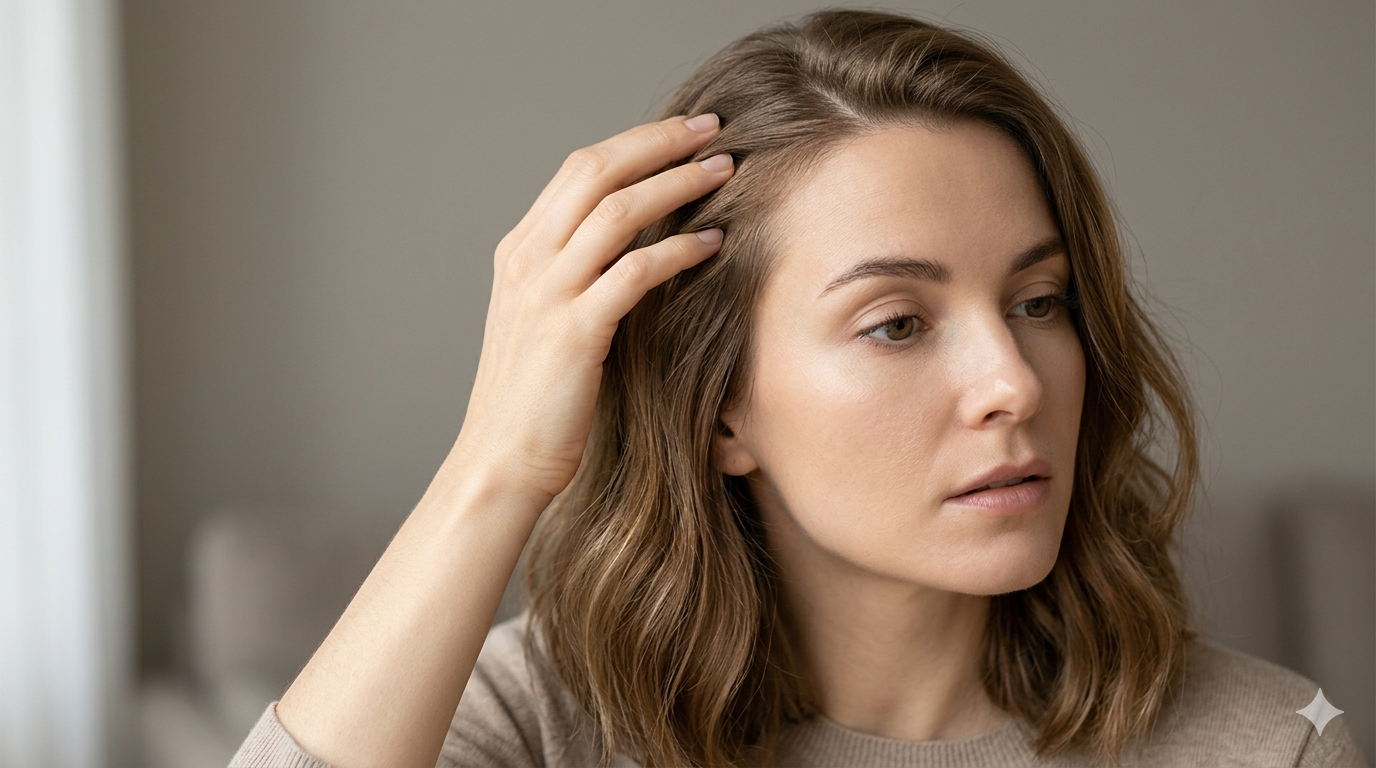
An itchy scalp can be frustrating, distracting, and sometimes even embarrassing. Whether it shows up occasionally or becomes a constant issue, many people try to solve it by scratching or using multiple products at once. Unfortunately, this often makes the problem worse instead of better.
The real solution to an itchy scalp is understanding what is causing it. In most cases, it is not random. It is your scalp signaling that something is out of balance. This article explains the most common itchy scalp causes and provides gentle, practical fixes that help restore comfort without damaging your scalp.
What an Itchy Scalp Is Telling You
Your scalp is skin, and like the rest of your body, it reacts to changes in moisture, products, and environment. When your scalp feels itchy, it usually means one of three things:
- It is too dry
- It is overloaded with buildup
- It is reacting to irritation
Understanding these underlying issues is the first step toward long-term relief.
look out; Dry Scalp vs Dandruff: What’s the Difference?
Common Itchy Scalp Causes
There is rarely a single reason behind an itchy scalp. In many cases, it is a combination of habits and environmental factors.
1. Dryness
Dryness is one of the most common itchy scalp causes. When the scalp lacks moisture, it can become tight, rough, and irritated.
Signs of dryness:
- Tight feeling, especially after washing
- Small, dry flakes
- Itchiness that worsens in cold or dry weather
Why it happens:
- Using harsh shampoos
- Washing too frequently
- Exposure to dry air or low humidity
When your scalp is dry, it becomes more sensitive, which leads to itching.
2. Product Buildup
Product buildup occurs when residue from oils, conditioners, sprays, or styling products accumulates on the scalp.
Signs of buildup:
- Heavy or coated feeling on the scalp
- Greasy roots even after washing
- Dull-looking hair
- Itchiness that does not improve with scratching
Why it happens:
- Using too many products
- Not cleansing thoroughly
- Applying heavy products directly to the scalp
Buildup can block the scalp and disrupt its natural balance, leading to irritation.
3. Sensitivity to Ingredients
Some people experience itchiness because their scalp reacts to certain ingredients in hair care products.
Common triggers:
- Strong fragrances
- Harsh cleansing agents
- Alcohol-based formulas
Signs of sensitivity:
- Sudden itching after using a new product
- Mild redness or discomfort
- Scalp feeling irritated even when clean
A sensitive scalp often responds best to simple, gentle routines with minimal ingredients.
4. Infrequent Washing
Not washing your scalp often enough can also lead to itchiness.
Why this happens:
- Sweat, oil, and environmental particles accumulate
- Buildup increases over time
- The scalp becomes irritated from congestion
Signs:
- Itchiness that improves after washing
- Oily or sticky feeling at the roots
- Visible buildup
Finding the right balance between overwashing and underwashing is important for maintaining scalp comfort.
Gentle Fixes for an Itchy Scalp
The best way to address itchy scalp causes is through simple, consistent care rather than aggressive treatments.
Simplify Your Routine
Using too many products can overwhelm your scalp and make irritation worse.
- Stick to a few essential products
- Avoid layering multiple treatments at once
- Give your scalp time to adjust to a routine
A simpler routine allows your scalp to return to a balanced state.
Choose Mild Cleansers
Harsh shampoos can strip natural oils and increase sensitivity.
- Look for gentle, balanced formulas
- Avoid overly strong or heavily fragranced products
- Focus on cleansing without over-drying
A mild cleanser helps remove buildup while maintaining the scalp’s natural barrier.
Keep the Scalp Balanced
Balance is the key to reducing itchiness.
- If your scalp feels dry, reduce harsh cleansing
- If it feels greasy, cleanse more effectively but gently
- Avoid extreme routines that swing between dryness and oiliness
A balanced scalp is less likely to feel irritated.
Maintain a Consistent Washing Schedule
Both overwashing and underwashing can contribute to itchiness.
- Oily scalp may require more frequent washing
- Dry scalp may benefit from less frequent, gentle cleansing
Consistency helps your scalp regulate itself over time.
Be Gentle When Handling Your Scalp
How you treat your scalp matters just as much as the products you use.
- Use light pressure when washing
- Avoid aggressive scrubbing
- Pat your scalp dry instead of rubbing harshly
Gentle handling reduces irritation and supports healing.
Additional Factors That Can Trigger an Itchy Scalp
Beyond the common itchy scalp causes, there are everyday habits and environmental factors that can quietly contribute to irritation.
Weather Changes
Cold air can dry out the scalp, while heat and humidity can increase sweat and oil buildup.
Tight Hairstyles
Styles that pull on the scalp can create tension and discomfort, leading to itchiness over time.
Stress
Stress can affect your skin’s balance, making your scalp more reactive and sensitive.
Water Quality
Hard water can leave mineral residue on the scalp, contributing to buildup and dryness.
Being aware of these factors helps you adjust your routine and prevent recurring issues.
What to Avoid
Avoiding certain habits can significantly improve an itchy scalp.
Scratching Aggressively
Scratching may provide temporary relief, but it can damage the scalp and increase irritation over time.
Using Too Many Treatments at Once
Trying multiple solutions at the same time can overwhelm your scalp and make it harder to identify what works.
Overwashing
Washing too frequently can strip natural oils and worsen dryness, leading to more itching.
Ignoring Early Signs
Mild itchiness can develop into a more persistent issue if not addressed early.
How Long It Takes to Soothe an Itchy Scalp
Improvement depends on the cause and how consistent your routine is.
- Mild irritation may improve within a few washes
- More persistent issues may take several weeks
The most important factor is consistency. Switching products too often can delay results.
When to Keep It Simple
Many people assume that solving an itchy scalp requires strong treatments or multiple products. In reality, the opposite is often true.
Focus on:
- Gentle cleansing
- Minimal products
- Consistent habits
Avoid:
- Overcomplicating your routine
- Frequent product changes
- Harsh treatments
A simple approach allows your scalp to recover naturally.
Conclusion
An itchy scalp is usually a sign of imbalance, not something that requires aggressive treatment. By understanding the most common itchy scalp causes, you can make small, effective changes that bring lasting relief.
Whether the issue is dryness, buildup, sensitivity, or washing habits, the solution lies in restoring balance. Gentle care, consistency, and simplicity are the most reliable ways to soothe your scalp and prevent future irritation.

Leave a Reply