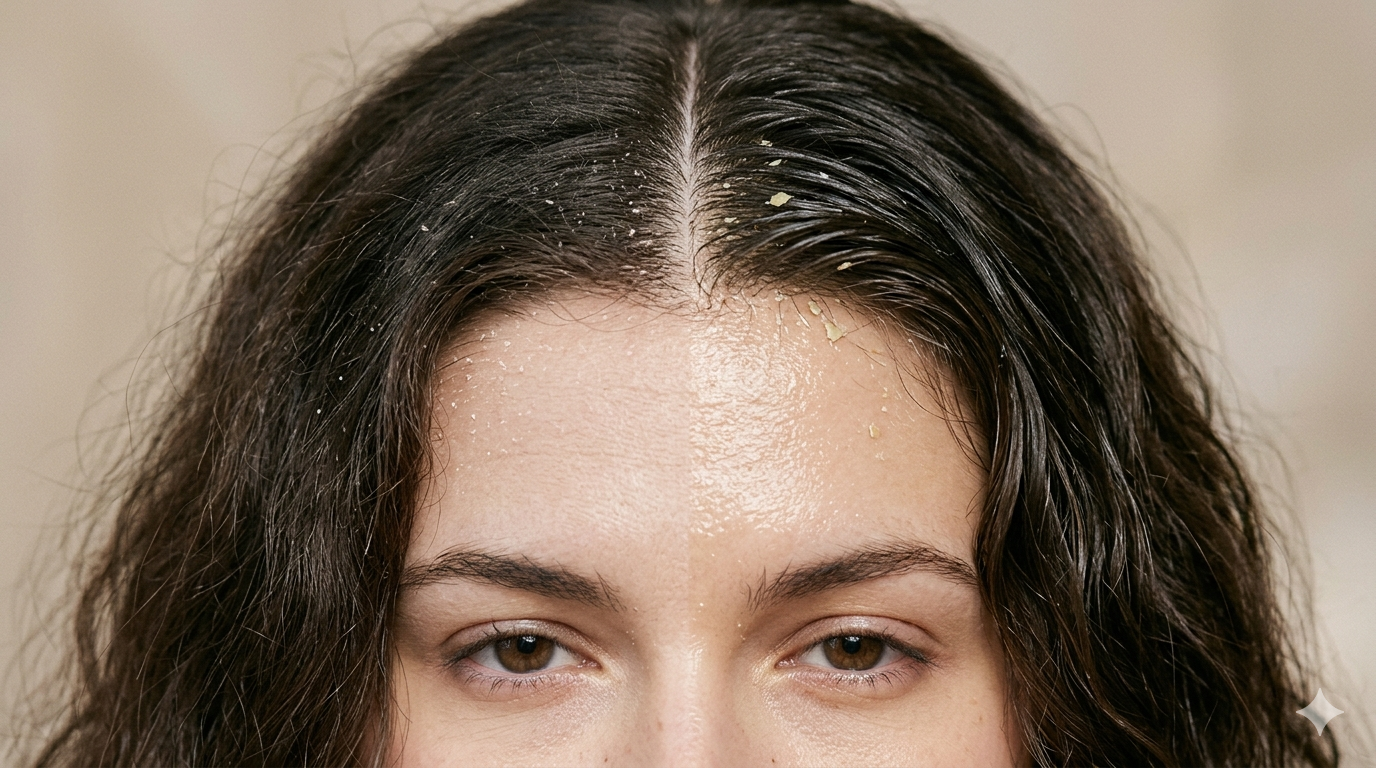
Flakes in your hair can be frustrating, especially when they keep coming back no matter what you try. One of the biggest reasons people struggle to fix this issue is simple: not all flakes are the same. Many people assume they have dandruff when they actually have a dry scalp, or treat dryness as if it were dandruff.
Understanding the difference between dry scalp vs dandruff is essential if you want to choose the right products and build a routine that actually works. Although both conditions can look similar at first, they have different causes, different characteristics, and different care needs.
This guide breaks down everything you need to know so you can identify what your scalp is experiencing and respond in a way that restores balance.
check more; 2026 Healthy Scalp Guide: The Foundation of Strong, Beautiful Hair
What Is a Dry Scalp?
A dry scalp occurs when the skin on your scalp lacks sufficient moisture. Just like dry skin on other parts of your body, it can become tight, flaky, and uncomfortable.
Common Signs of Dry Scalp
- Small, white, powdery flakes
- Tight or rough feeling on the scalp
- Increased dryness after washing
- Mild itchiness, especially in dry conditions
The flakes from a dry scalp are usually light and fall easily from the hair. They often appear more noticeable after washing or in colder weather.
What Causes a Dry Scalp?
Several everyday factors can lead to a lack of moisture in the scalp:
Cold or Dry Weather
Low humidity can strip moisture from the skin, including your scalp.
Harsh Shampoos
Strong cleansers can remove too much natural oil, leaving the scalp dry and unprotected.
Overwashing
Washing too frequently can prevent your scalp from maintaining its natural balance.
Lack of Hydration in Your Routine
If your routine focuses only on cleansing without restoring moisture, dryness can develop over time.
What Is Dandruff?
Dandruff is a common scalp condition that is usually linked to excess oil and imbalance on the scalp. Unlike a dry scalp, dandruff is not caused by a lack of moisture but rather by how the scalp produces and manages oil.
Common Signs of Dandruff
- Larger flakes that may appear white or slightly yellow
- Oily or greasy scalp
- Persistent itchiness
- Flakes that may stick to the scalp or hair
Dandruff flakes are often heavier than dry scalp flakes and may not fall off as easily.
What Causes Dandruff?
Dandruff is often influenced by factors related to oil and scalp balance:
Excess Oil Production
An oily scalp can create an environment where flakes develop more easily.
Product Buildup
Residue from oils, creams, or styling products can accumulate and contribute to flaking.
Sensitivity to Scalp Conditions
Some people are more prone to scalp imbalance, which can lead to dandruff symptoms.
Dry Scalp vs Dandruff: Key Differences
Understanding the differences between dry scalp vs dandruff makes it easier to identify which condition you are dealing with.
| Feature | Dry Scalp | Dandruff |
|---|---|---|
| Flakes | Small, dry | Larger, oily |
| Scalp Feel | Tight, rough | Oily or greasy |
| Main Cause | Lack of moisture | Oil imbalance |
| Reaction to Oils | Improves | May worsen |
| Reaction to Harsh Cleansing | Worsens | May temporarily reduce oil but cause imbalance |
A simple way to think about it is this:
- Dry scalp is a moisture problem
- Dandruff is an oil balance problem
Why the Difference Matters
Treating dry scalp vs dandruff the same way can actually make your condition worse instead of better.
When Dry Scalp Is Treated Like Dandruff
Using strong or stripping treatments can remove even more moisture, leading to increased dryness, tighter skin, and more flaking.
When Dandruff Is Treated Like Dry Scalp
Applying heavy oils or thick products can add to buildup and worsen the oily environment, making flakes more noticeable.
This is why identifying the root cause is more important than simply reacting to flakes.
How to Tell Which One You Have
If you are unsure whether you are dealing with dry scalp vs dandruff, look closely at both the flakes and how your scalp feels.
You may have a dry scalp if:
- Flakes are small and light
- Your scalp feels tight or dry
- Flaking gets worse in cold or dry weather
You may have dandruff if:
- Flakes are larger and slightly oily
- Your scalp feels greasy
- You notice buildup or persistent itchiness
In some cases, your scalp may show signs of both, especially if your routine is inconsistent or overly harsh.
Gentle Care Tips for Both Conditions
No matter which condition you are dealing with, a gentle and balanced approach is the safest starting point.
Use Mild, Balanced Shampoos
Choose a cleanser that removes buildup without stripping your scalp completely.
Avoid Overloading the Scalp
Using too many products can lead to imbalance, whether your scalp is dry or oily.
Focus on Balance, Not Extremes
Avoid routines that are too harsh or too heavy. The goal is to restore a natural balance.
Keep Your Routine Consistent
Frequent product changes can make it harder to identify what works for your scalp.
Adjusting Your Routine Based on Your Scalp Type
Once you understand whether you are dealing with dry scalp vs dandruff, you can make small adjustments that lead to better results.
If You Have a Dry Scalp
- Reduce overwashing
- Use gentle, hydrating products
- Avoid harsh cleansers
- Focus on maintaining moisture
If You Have Dandruff
- Cleanse regularly to prevent buildup
- Avoid heavy oils on the scalp
- Use lightweight products
- Keep the scalp clean but not stripped
Common Mistakes to Avoid
Many scalp issues persist because of simple but common mistakes.
Using the Wrong Products
Choosing products that do not match your scalp condition can delay improvement.
Overcorrecting the Problem
Trying to fix dryness with too much oil or oiliness with overly harsh cleansing can worsen imbalance.
Ignoring Early Signs
Mild flaking or itchiness can develop into more noticeable issues if not addressed early.
How Long It Takes to See Improvement
Improvement depends on consistency and the severity of the issue.
- Mild dryness or imbalance may improve within a few washes
- More persistent dandruff or dryness may take several weeks
The key is sticking to a routine that supports your scalp instead of constantly switching products.
Conclusion
Understanding the difference between dry scalp vs dandruff is one of the most important steps in building an effective scalp care routine. While both conditions may look similar, they require different approaches.
A dry scalp needs moisture and gentle care, while dandruff requires balance and proper cleansing. Once you identify what your scalp is experiencing, it becomes much easier to choose products and habits that support long-term scalp health.
Instead of guessing, focus on observing your scalp and responding with a simple, consistent routine that restores balance over time.

Leave a Reply