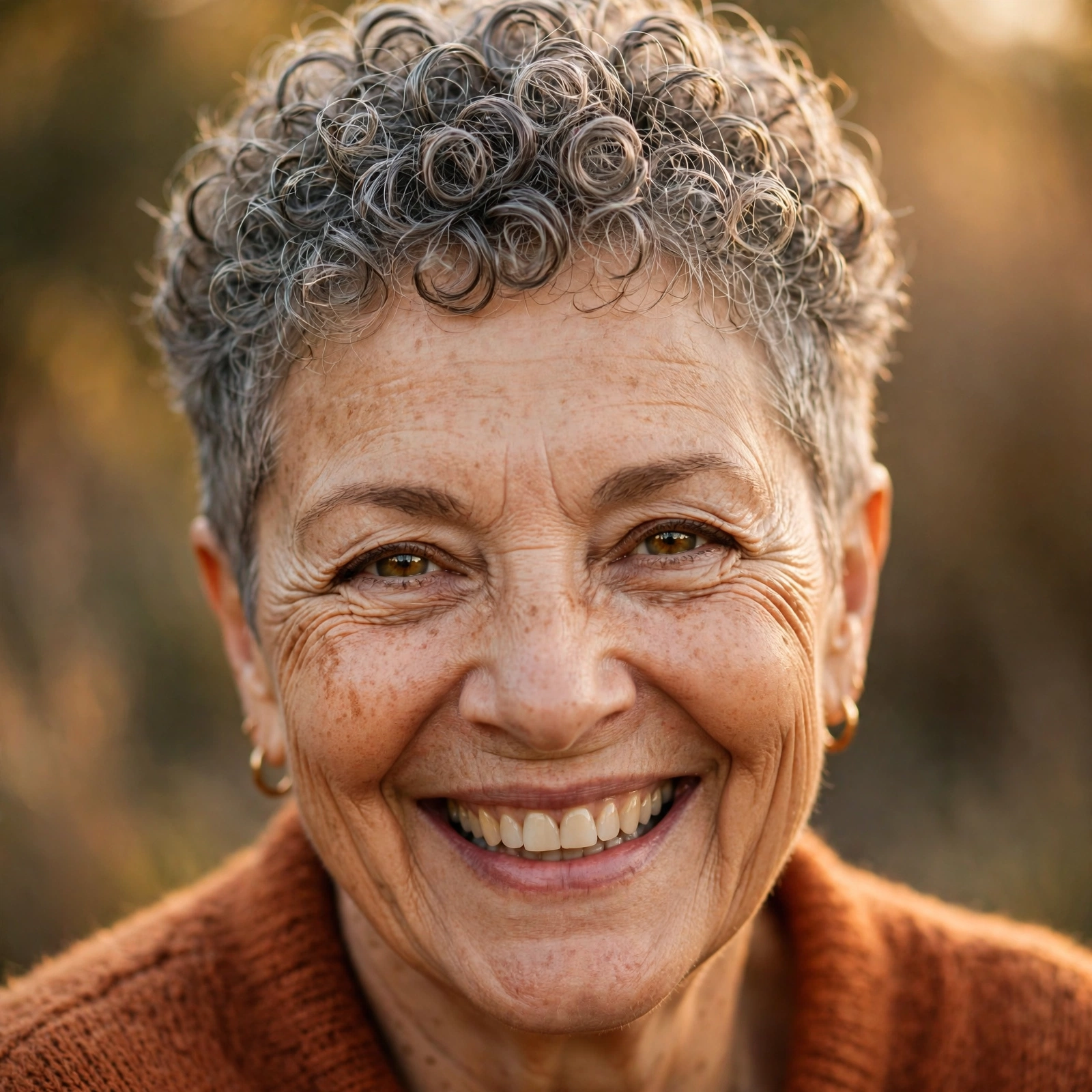
Hair changes with age. Texture shifts, volume diminishes, and styles that once felt effortless suddenly demand more time and effort than they’re worth. For many women over 70, shorter hairstyles become an appealing choice—not because long hair is off-limits, but because short cuts offer freedom, ease, and surprising sophistication.
The good news? Short hair doesn’t mean boring hair. The right cut can transform thin or fine strands into a look that appears fuller, more textured, and completely modern. Shape, layers, and subtle texture make all the difference. Whether you’re embracing natural gray, silver, or white, or adding a touch of color, short styles can highlight your best features—drawing attention to your eyes, cheekbones, and confidence.
What matters most is choosing a style that works with your natural hair movement rather than fighting against it, and finding a cut that simplifies your daily routine while still looking intentional. Below, we’ve gathered 17 flattering, volume-boosting short hairstyles for women over 70 with thin or fine hair—each designed to bring life, elegance, and ease to your everyday look.
17 Stylish Short Hairstyles for Thin Hair:
1. Classic Pixie Cut
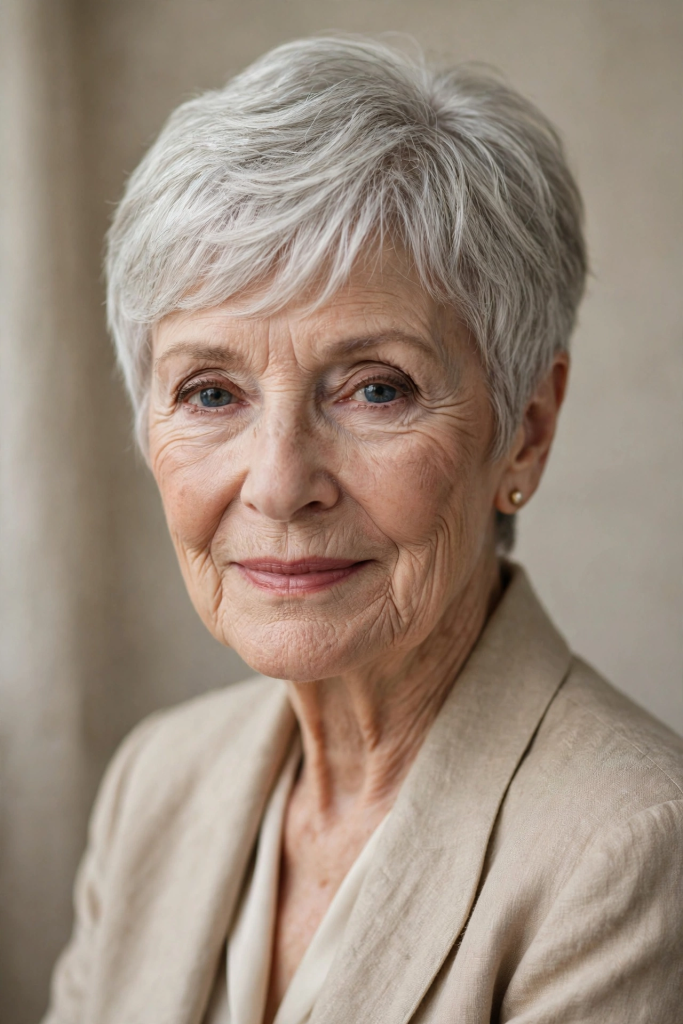
The pixie cut remains one of the most flattering choices for women over 70 with fine hair. Short on the sides and back, with slightly longer pieces on top, this cut creates the illusion of fullness where it matters most. It highlights the eyes and cheekbones beautifully while being incredibly low-maintenance.
How to style: Apply a lightweight mousse to damp hair, then use your fingers to tousle as you blow-dry. A tiny amount of styling cream on the fingertips adds definition and shine—and the whole process takes about five minutes.
Why it works for thin hair: Removing length eliminates the weight that can cause fine strands to fall flat, allowing the hair to lift naturally at the roots.
2. Soft Layered Pixie
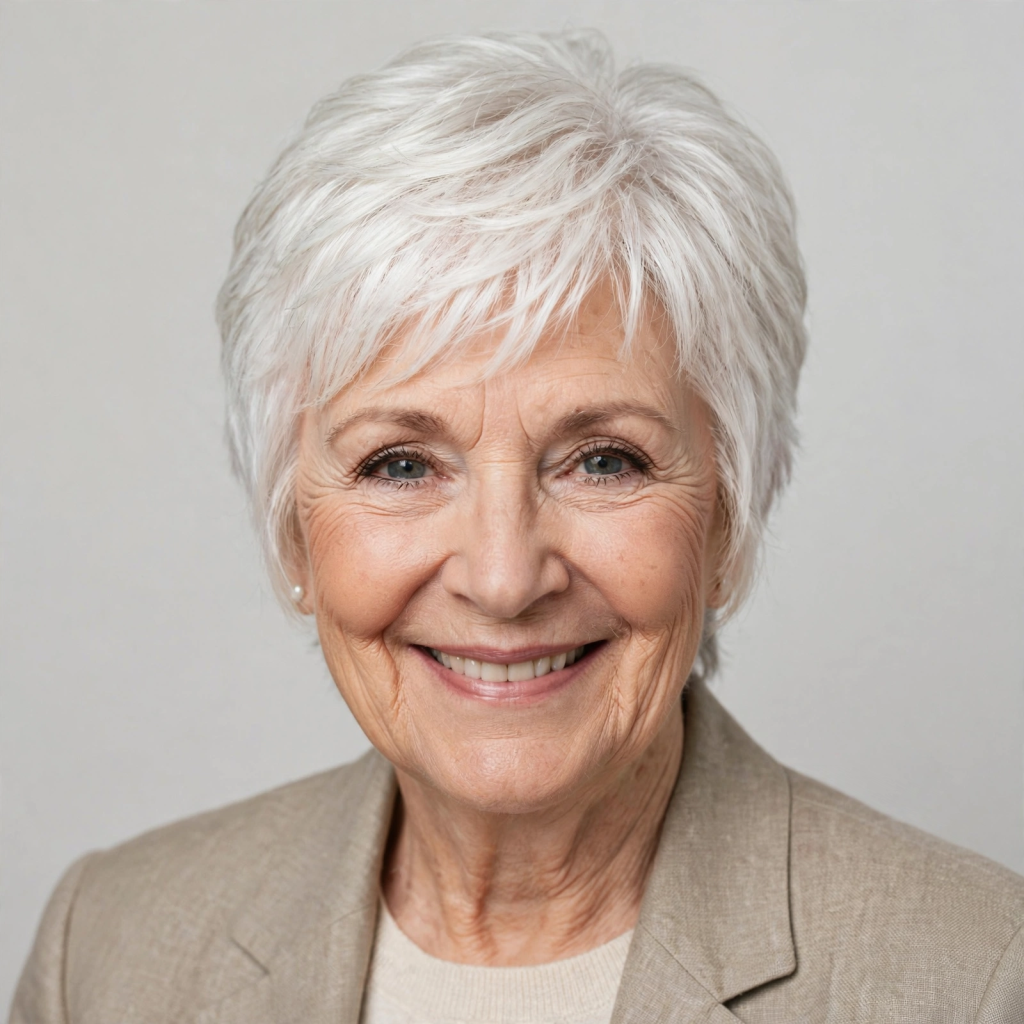
A softer take on the classic pixie, this version features gentle layers on top that create movement and dimension. The extra texture makes thin hair appear fuller and more dynamic. Slightly longer layers on top can also balance a round face, while softer edges around the temples soften stronger features.
How to style: A small amount of styling cream or mousse brings out the layers without stiffness. The cut also grows out gracefully, so frequent trims aren’t always necessary.
Celebrity inspiration: Think Judi Dench’s elegant, textured pixie—modern, chic, and incredibly easy to maintain.
3. Wispy Pixie
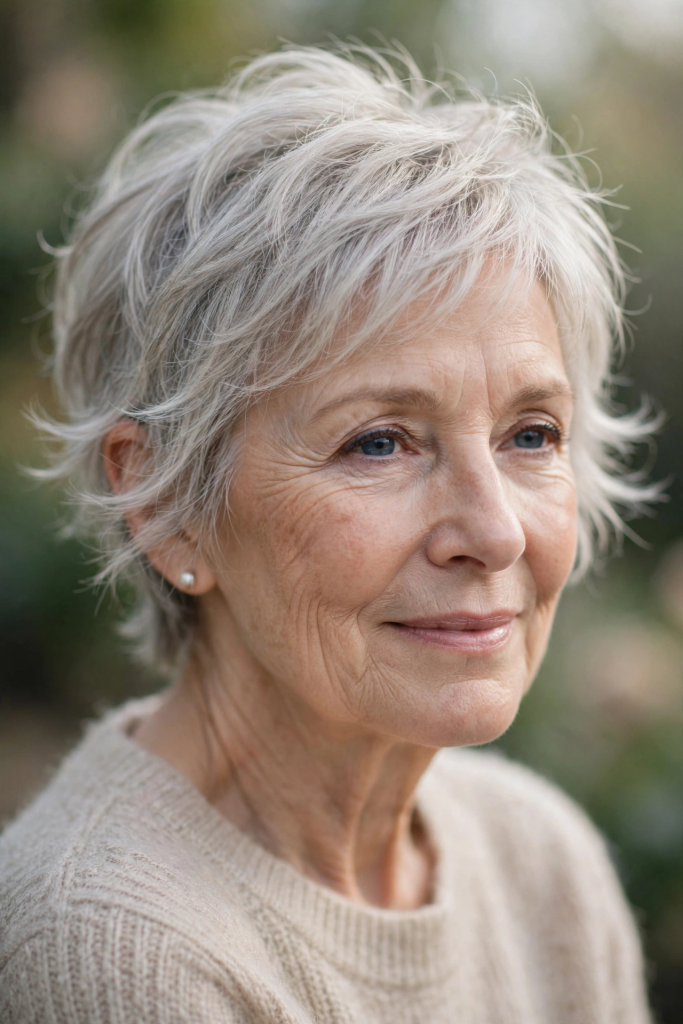
Perfect for women who want something short and easy but worry about looking too harsh, the wispy pixie features soft, feathered layers with delicate, face-framing pieces around the temples and ears. The feathered ends create a light, airy feel that adds instant softness.
Why it works for thin hair: The wispy layers create the illusion of more hair than is actually there. It’s also wonderful for softening a strong jawline or delicate features.
How to style: Apply lightweight styling cream to damp hair, blow-dry using your fingers to create a soft, piece-y texture, and finish with a touch of texturizing spray for definition.
4. The Bixie (Bob-Pixie Hybrid)
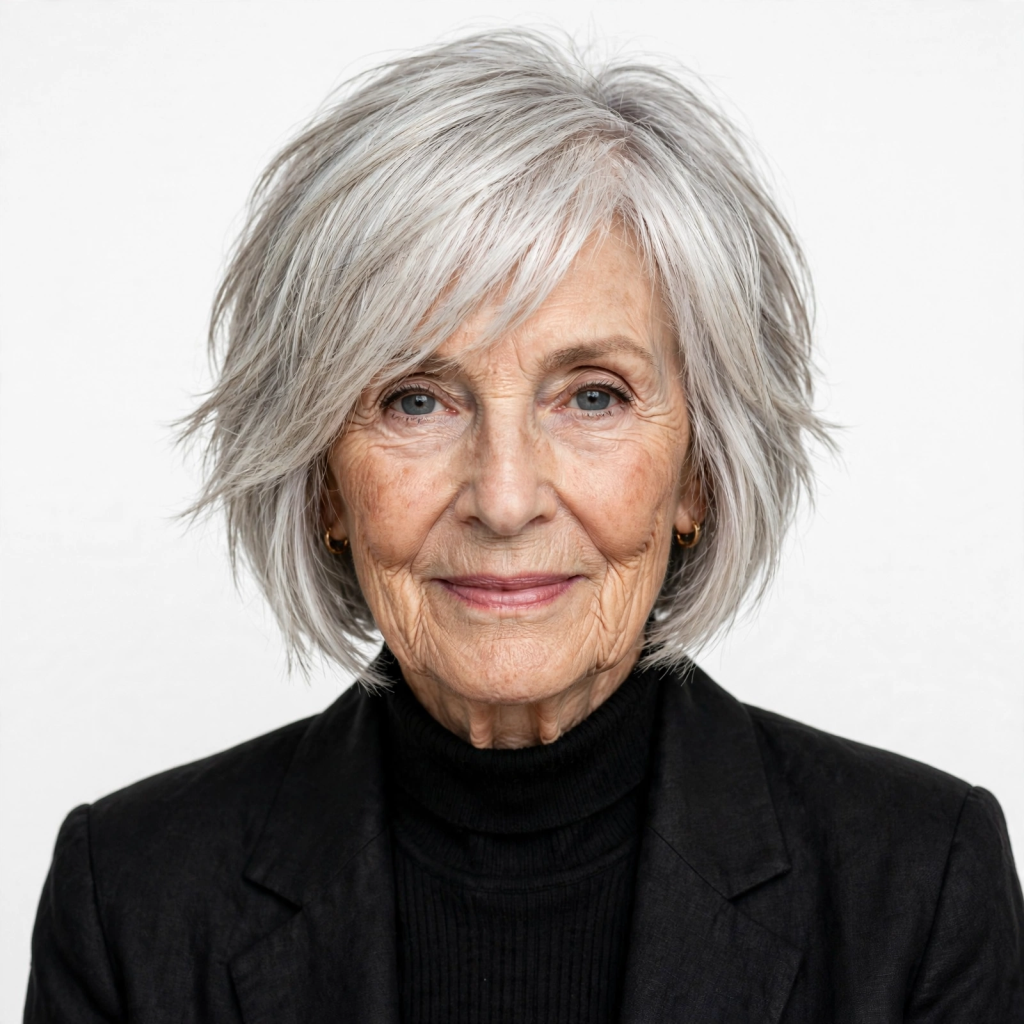
Can’t decide between a bob and a pixie? The bixie offers the best of both. This hybrid cut keeps a little length through the back—like a bob—but has the lightness and playfulness of a pixie. It’s one of the trendiest short cuts right now, and for good reason: it adds movement and volume while staying easy to style.
How to style: A quick blow-dry with your fingers and a bit of texturizing spray is often all you need. The cut works beautifully with natural texture.
Celebrity inspiration: Halle Berry’s bixie is a perfect example of how chic and modern this cut can be.
5. Classic Short Bob
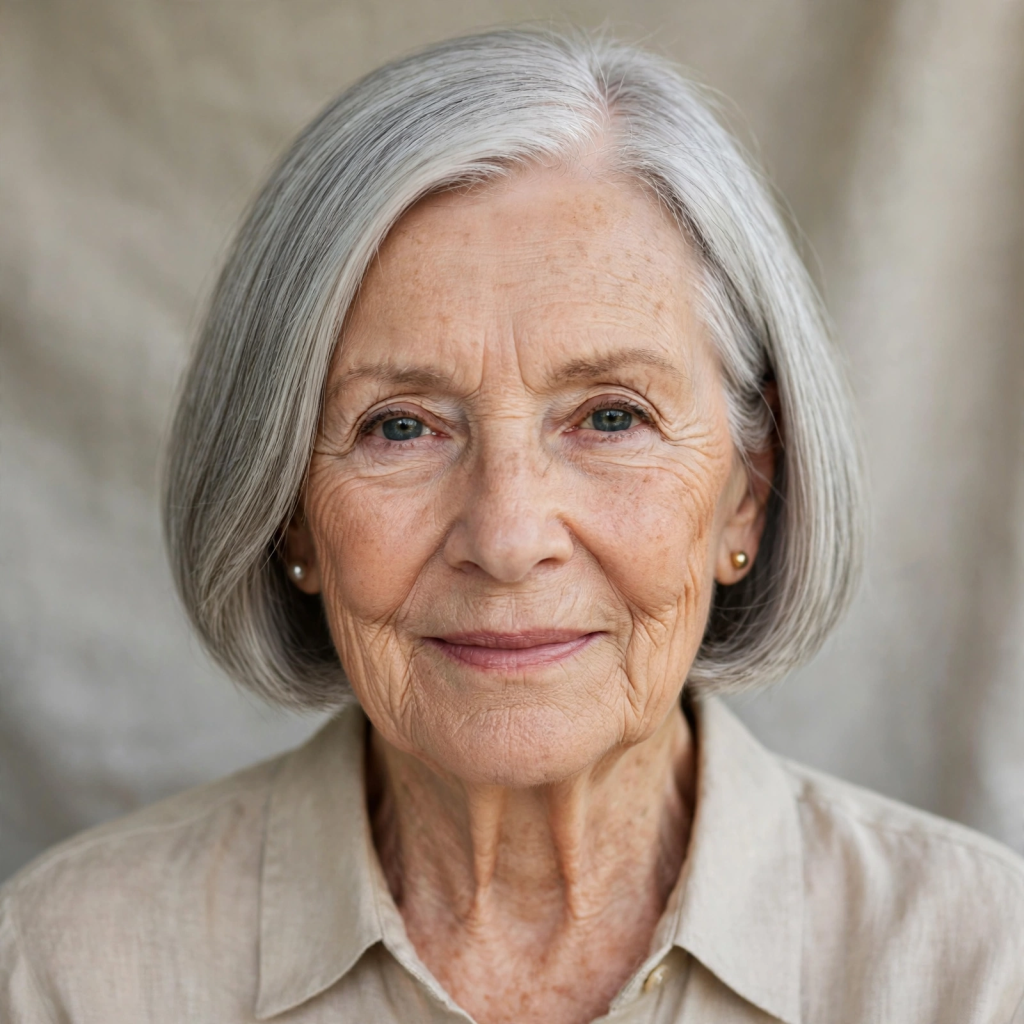
The short bob is timeless for a reason. Cut around the jawline or slightly above, this style looks neat without appearing rigid. For fine hair, the weight concentrates at the ends, creating a fuller appearance than you might expect.
How to style: A light layer near the front prevents the style from feeling too heavy. A small round brush and quick blow-dry give it polish, or you can let it air-dry for a more relaxed feel.
Why it works: The clean lines of a blunt or slightly textured bob instantly make fine hair look denser and healthier. Natural gray or silver hair looks especially striking with this cut.
6. Blunt Bob
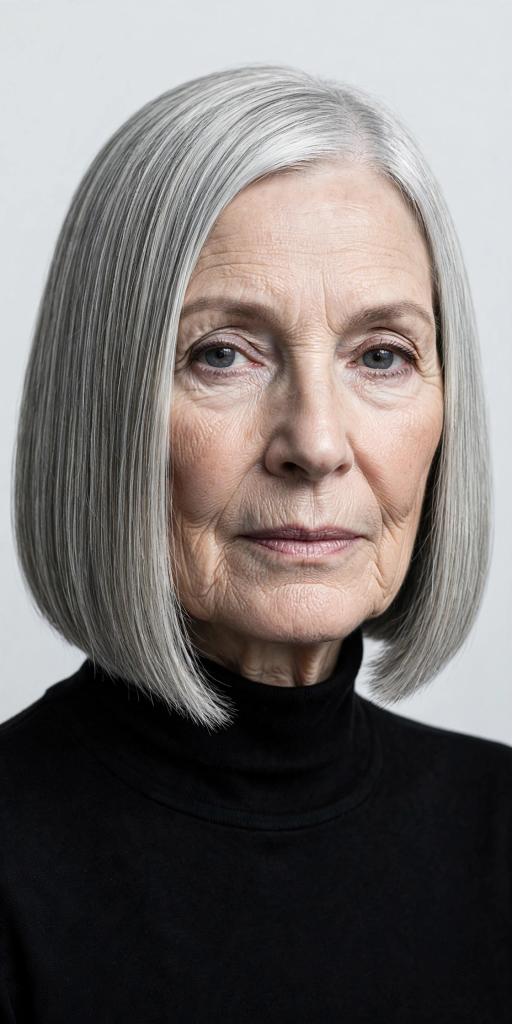
If creating the illusion of thicker hair is your primary goal, consider a blunt bob with uniform, sharp ends. This cut instantly makes the ends look stronger and more substantial.
Why it works: Fine hair can collapse easily, but a strong, blunt baseline prevents that. Keeping the length shorter—at the jawline or middle of the neck—helps maintain this thickness.
How to style: For straight, fine hair, a sleek, blow-dried finish shows off the clean lines. Adding subtle, hidden layers underneath can add secret volume without sacrificing the blunt outline.
7. Stacked Bob (Graduated Bob)
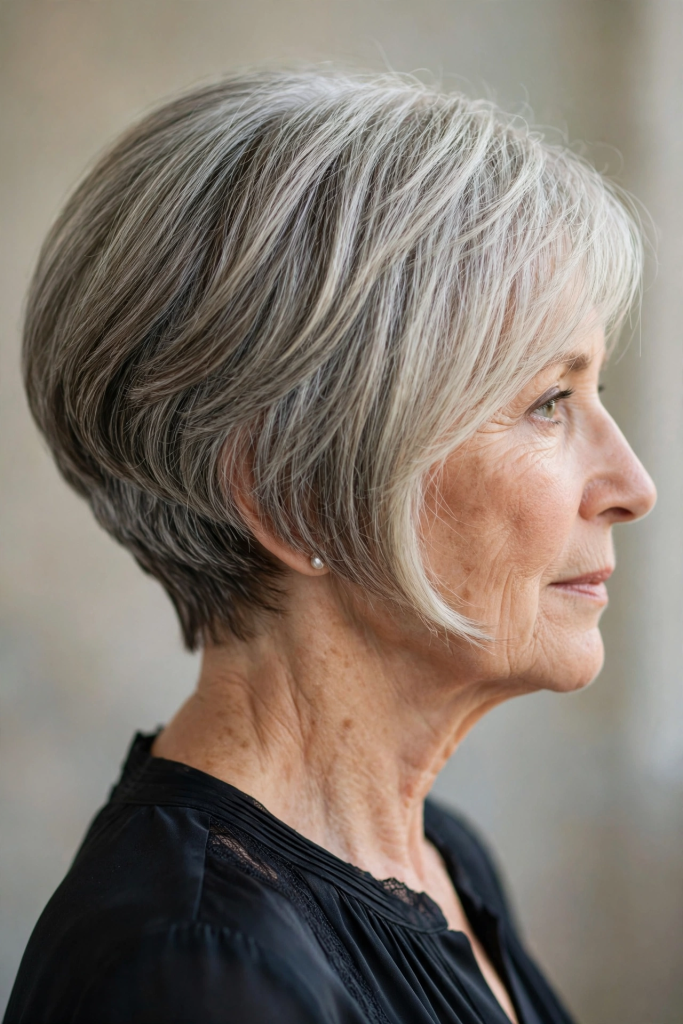
The stacked bob—also known as a graduated bob—features shorter, stacked layers in the back that create a rounded, fuller shape, with longer pieces in the front. The stacking technique builds in natural volume where fine hair often falls flat.
Why it works: This cut is exceptional for fine or thin hair because the graduated layers add structure and lift. It also draws attention to the neck, making it flattering for women with longer necks.
How to style: After washing, apply root-lifting spray and blow-dry the back first using a round brush to enhance the rounded shape. Front pieces can be blown straight or with a slight bend—about ten minutes for an effortlessly put-together look.
8. Layered Bob with Face-Framing Pieces
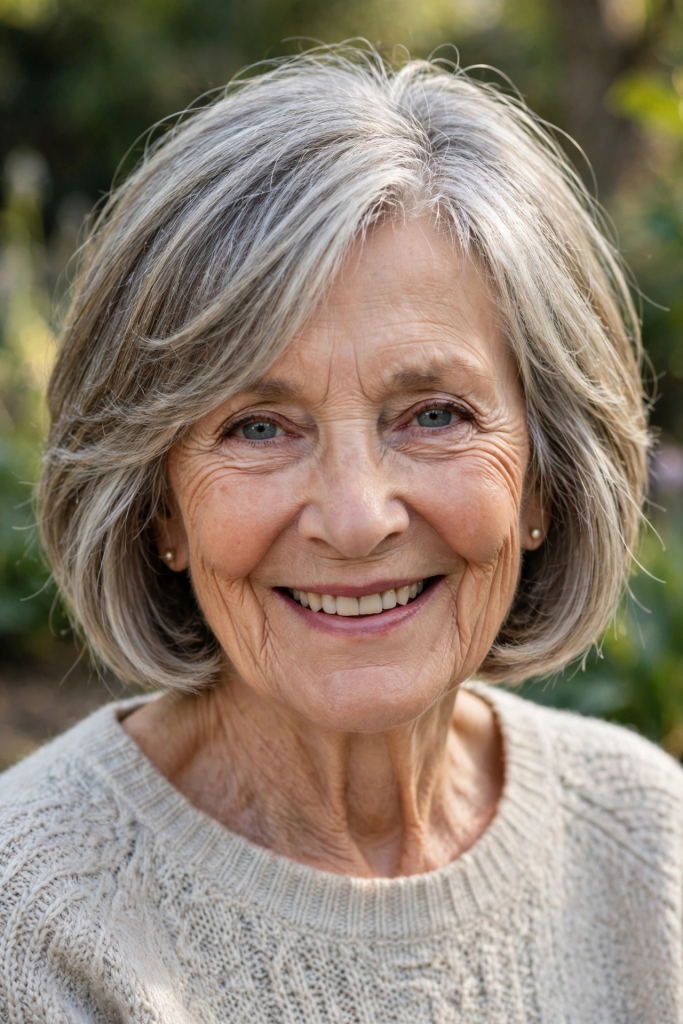
A layered bob adds texture, movement, and softness to fine hair. The layers create natural movement without sacrificing the overall shape, and face-framing pieces soften features beautifully.
How to style: Use a round brush to blow-dry, directing layers away from the face for a feathered effect. A volumizing mousse before drying adds extra lift.
Why it works: The internal structure created by layers helps support and hold the style, making fine hair appear thicker and more dynamic.
9. Textured Crop
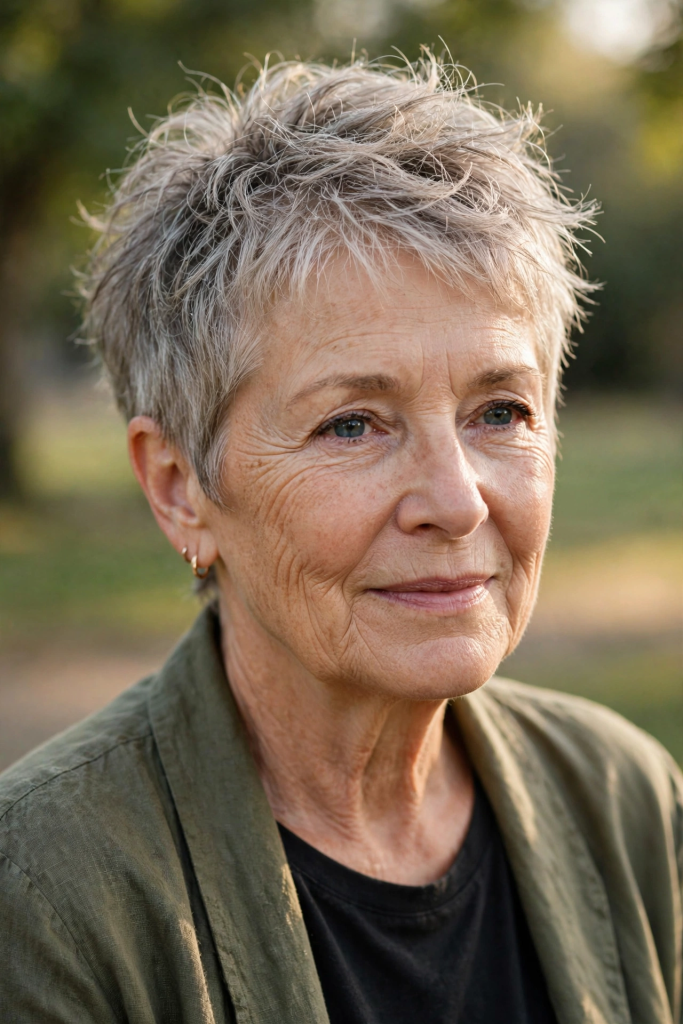
For a more modern, relaxed look, a textured crop offers that slightly lived-in feel. Layers are shorter and more varied, creating natural movement throughout the hair.
How to style: Texture sprays or lightweight styling products help define the layers. Fingers often work better than a brush with this cut—simply tousle and go.
Why it works: This style works especially well for hair that has developed natural waves over time. Those waves add character without requiring extra effort.
10. Short Shag
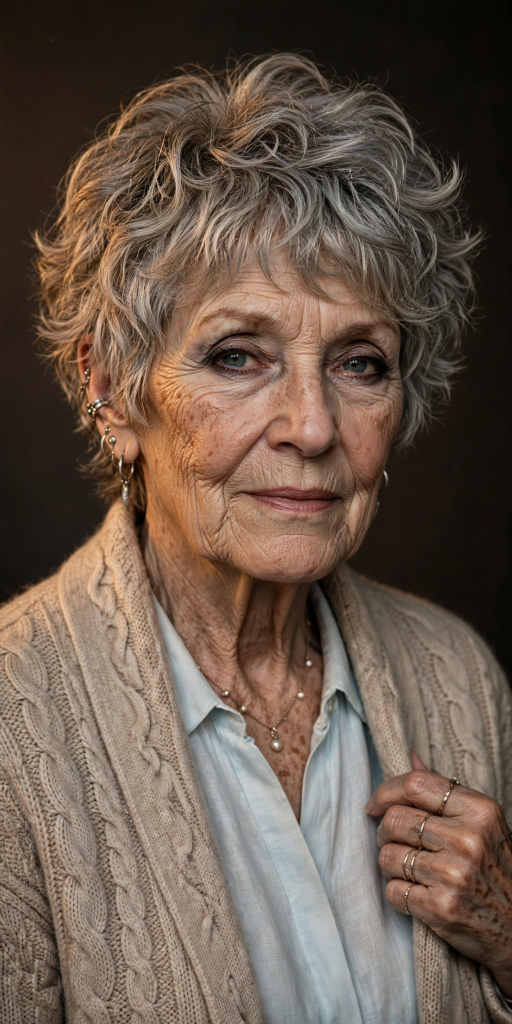
A short shag can look surprisingly youthful. Layers appear throughout the hair, with slightly longer pieces near the crown and around the face. This shape builds volume on top while keeping the sides light.
Why it works: The layered structure disguises areas where density has decreased. Hair appears fuller because the layers create depth and movement. A shag works nicely with natural texture—light air-drying usually brings out the shape without much styling.
Celebrity inspiration: Modern shags aren’t the heavily layered styles of the 1980s—today’s version is softer, more refined, and incredibly flattering for fine hair.
11. Tapered Short Cut
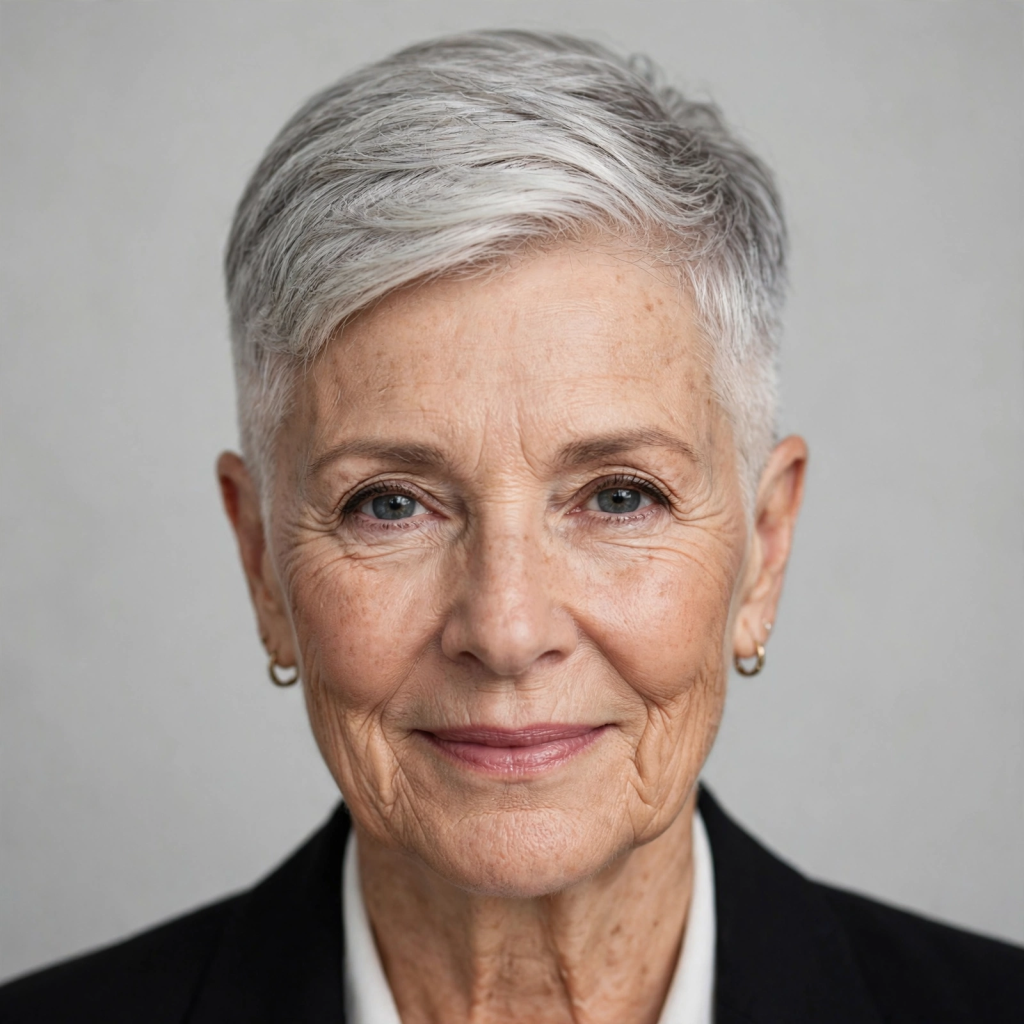
A tapered cut offers a clean, elegant look. The back and sides remain shorter, gradually blending into slightly longer hair on top. The transition creates a smooth, balanced shape that’s neat yet modern.
How to style: Hair naturally falls into place with this cut. Blow-drying the top section with a bit of lift is usually all you need.
Why it works: The tapered shape keeps the neckline tidy, which many women find flattering and comfortable, especially in warmer months.
12. Choppy Pixie with Volume Crown
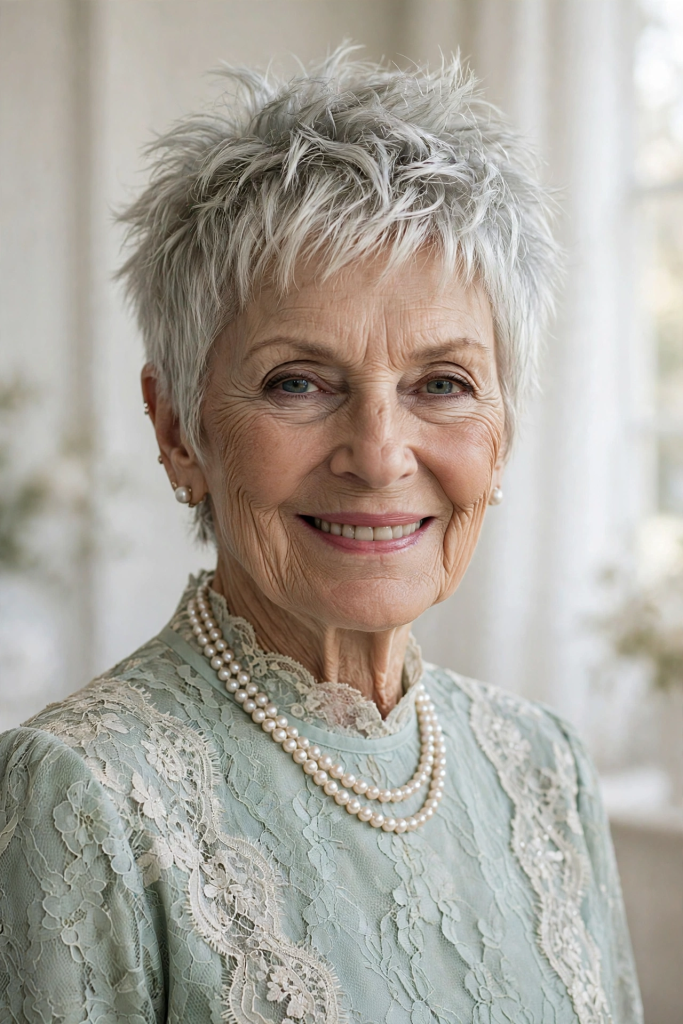
This sassy, confident cut features extra length and texturizing at the crown, creating height where fine hair needs it most. The piece-y finish adds modern edge to this low-maintenance style.
How to style: A root-lifting spray and round brush technique give staying power. The tapered sides keep the look sleek and modern.
Why it works: By concentrating volume at the crown, this cut creates an instant lifting effect that can make the entire face appear more youthful.
13. Side-Swept Pixie with Long Fringe
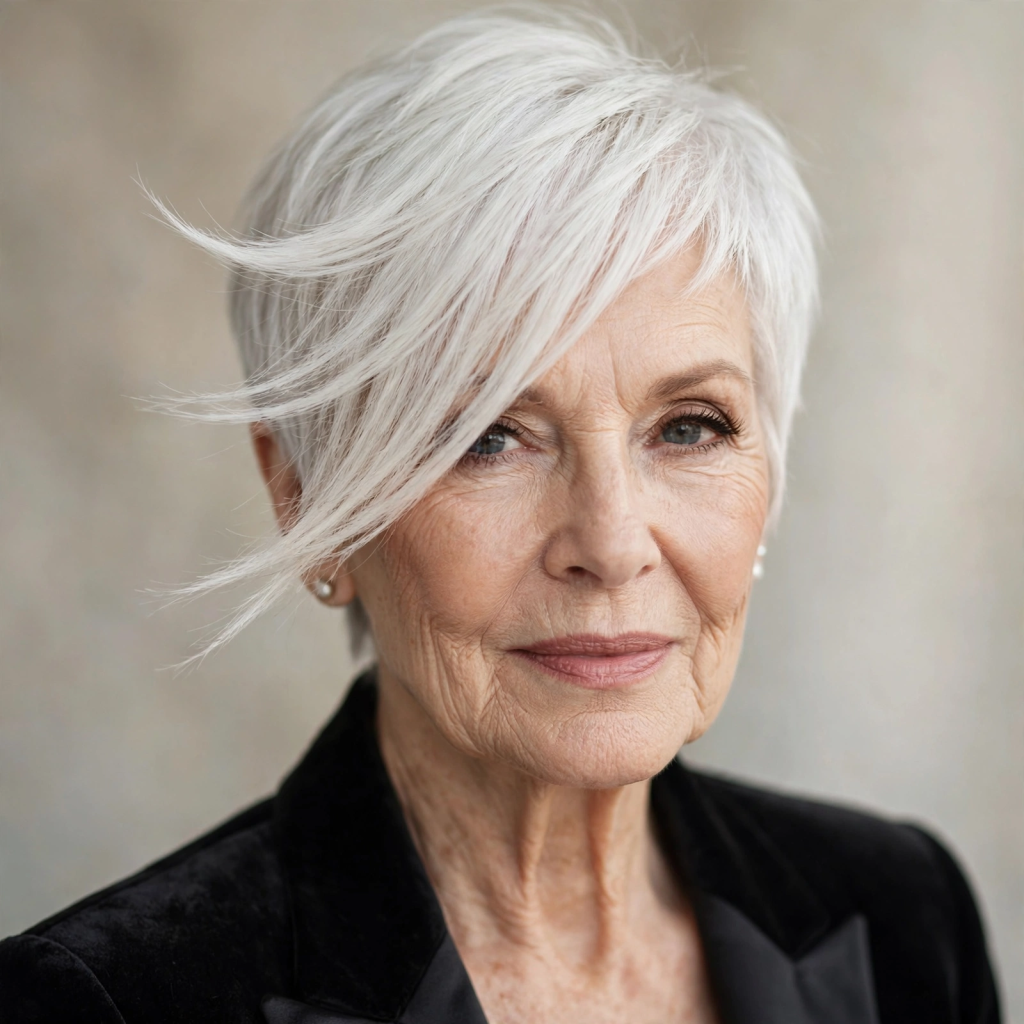
Drama meets practicality in this pixie variation featuring an eye-catching long fringe swept to the side. The contrast between the short back and sides with the longer top section creates visual interest and draws attention to the eyes.
How to style: Use a small round brush to sweep the fringe to the side while blow-drying. A tiny bit of pomade keeps it in place without stiffness.
Why it works: The asymmetry and side-swept bangs create lift at the roots and add dimension—perfect for showing off statement earrings too.
14. Feathered Cut
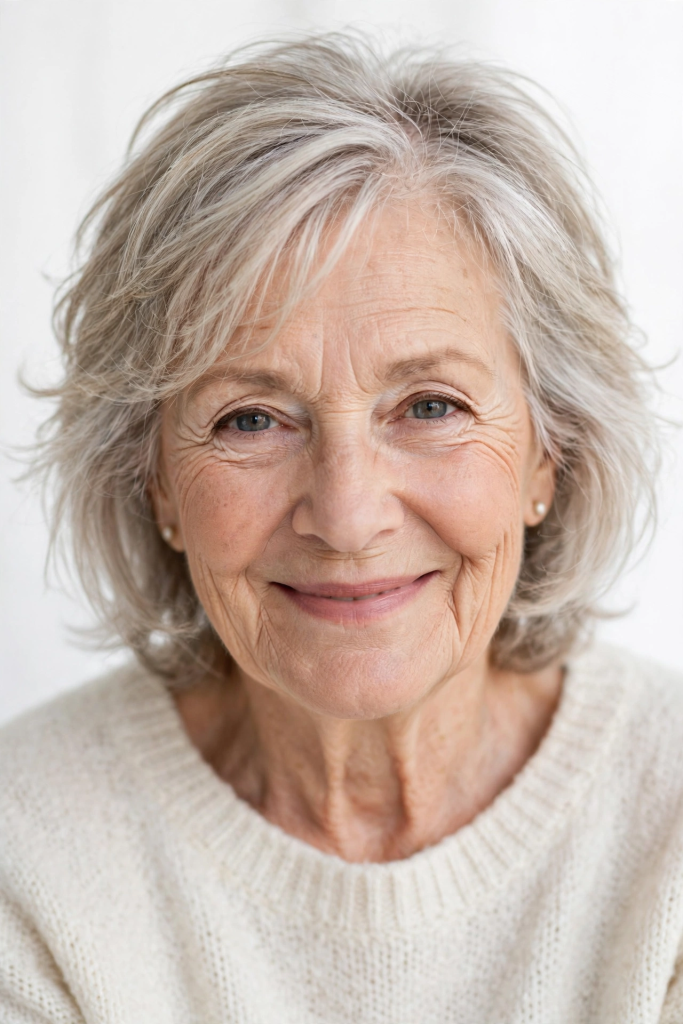
A feathered cut is all soft edges, layered to produce movement and volume. The style prevents hair from looking flat or thin, particularly at the top and sides. Feathered cuts are gentle, feminine, and soften the face beautifully.
Why it works: This cut is especially beneficial for fine hair that you’d like to keep at a longer length, as the feathering prevents it from looking stringy.
How to style: Apply lightweight hair primer to damp hair and blow-dry with a round brush, directing the layers away from the face for a feathered effect.
15. Curly Pixie Cut
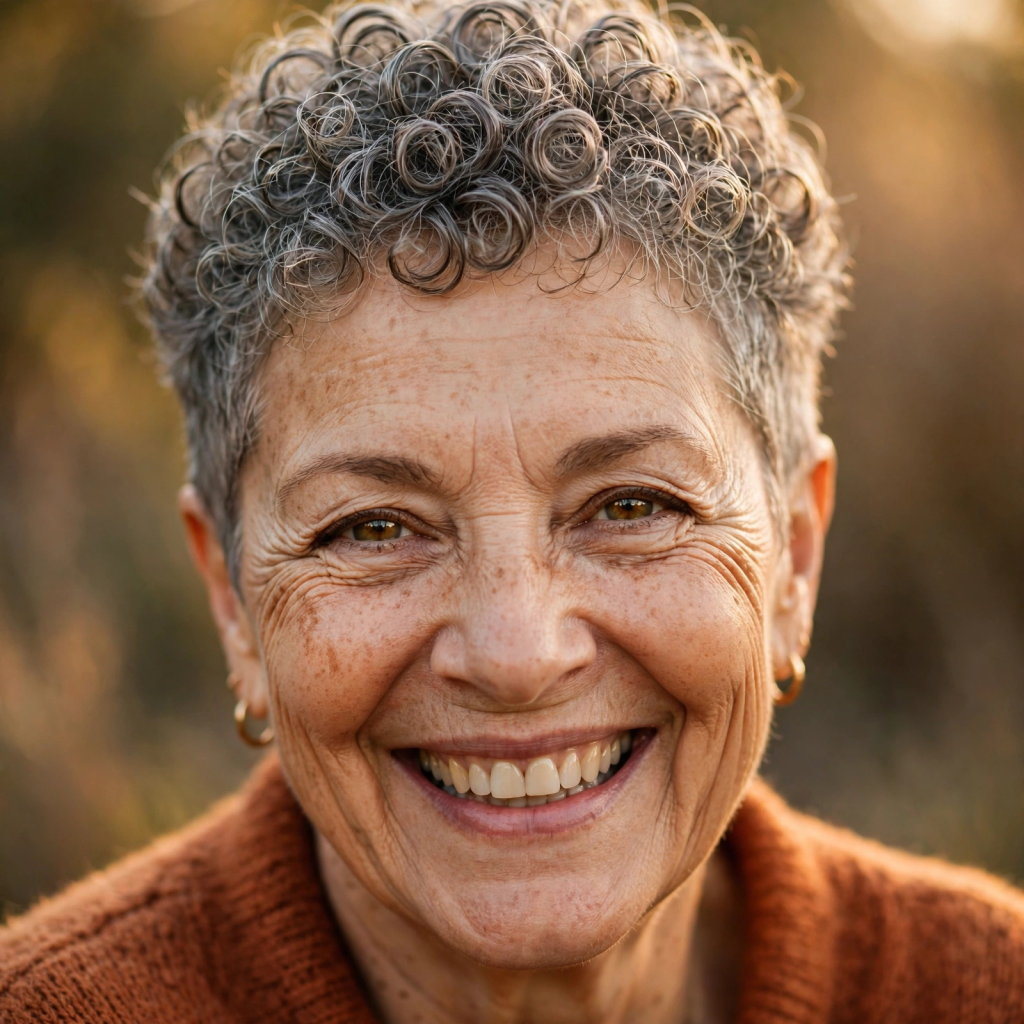
For women with natural curls or waves, a curly pixie is a playful, low-maintenance option. Layers allow curls to form naturally rather than stacking into a bulky shape. The result is soft, lively, and full of body.
How to style: Use a curl-enhancing styling foam on damp hair and diffuse with a hairdryer to define and volumize curls. Hydrating products are key—well-moisturized curls tend to look fuller and healthier.
Why it works: Curls naturally add texture and volume, making this one of the best options for women with naturally curly or wavy fine hair.
16. Curly Crop with Tapered Neckline
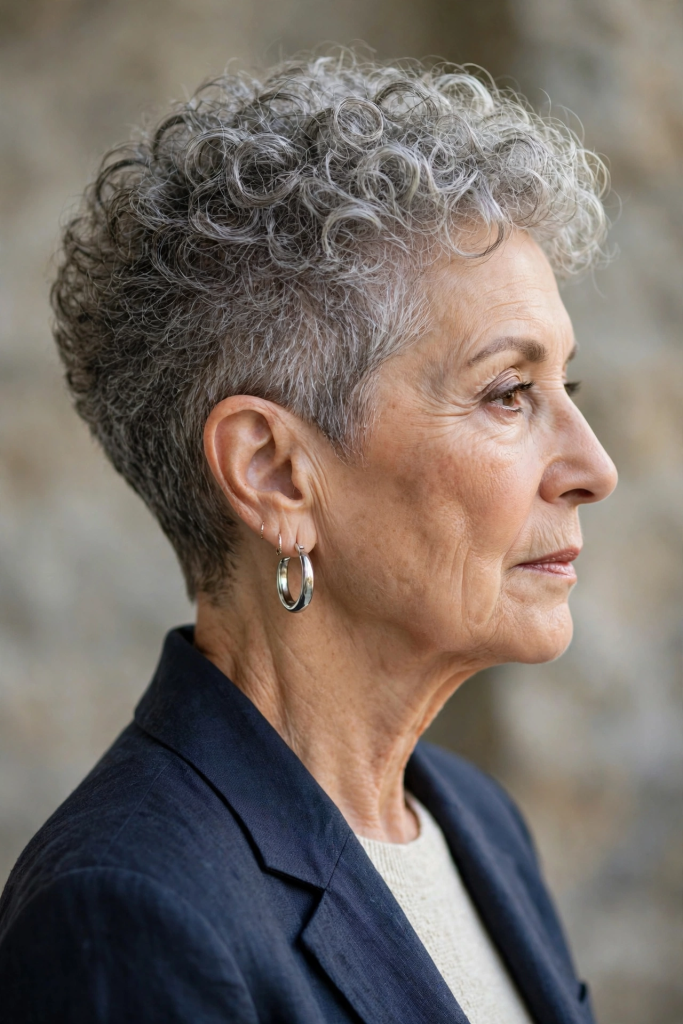
Natural curls get a sophisticated update with this tapered crop. The closely cut neckline keeps things neat while allowing curls to flourish on top.
How to style: A diffuser and curl-enhancing cream bring out natural texture beautifully. The tapered neckline keeps the style from looking too bulky.
Why it works: This cut celebrates natural texture while minimizing the time and effort needed to style it.
17. Short Curly Afro
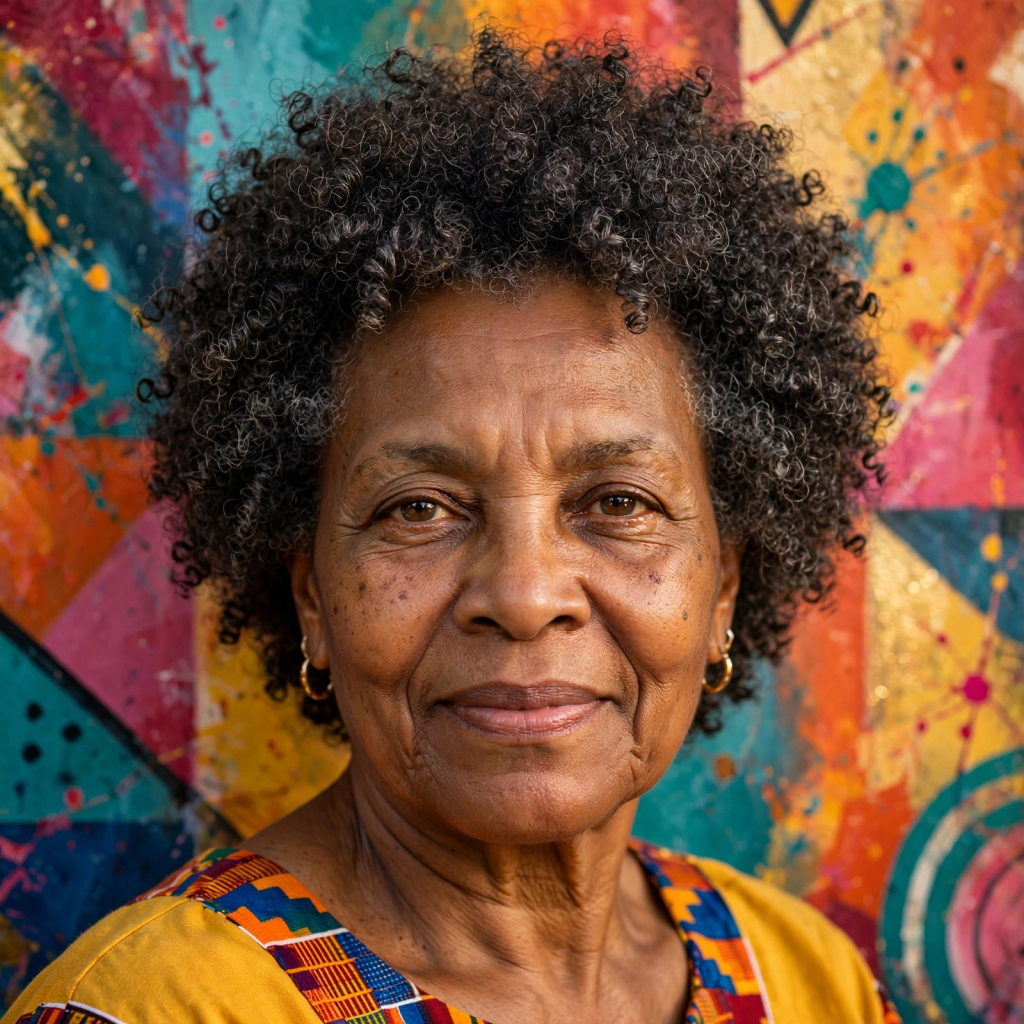
For women who have naturally curly or coily hair, a short curly afro is daring, fashionable, and simple to care for. It emphasizes natural texture and creates volume that frames the face beautifully.
How to style: Regular trims keep the shape looking polished. Moisturizing creams or curl creams keep it soft and shiny.
Why it works: A small curly afro brings out personality and confidence—practical, attractive, and proof that natural hair texture can be chic and powerful at any age.
Styling Tips for Thin Hair
Choose Lightweight Products
Heavy styling creams, gels, or oils can flatten fine hair or make it look dull. Lightweight mousses, texture sprays, and volumizing sprays are your best friends. They add lift and dimension without weighing strands down.
Add Volume at the Roots
Root-lifting sprays applied to damp hair before blow-drying can make a dramatic difference. Styling with a side part—rather than a middle part—can also lift roots and add instant depth and volume.
Embrace Natural Texture
Many short crops look great air-dried with a little texturizing paste or cream. Working with your hair’s natural movement—whether it’s become curlier or straighter with age—makes styling faster and more effortless.
Regular Trims Are Essential
Short hair grows quickly, and even a small amount of growth can throw off the shape. A trim every six to eight weeks (or four to six weeks for pixie cuts) keeps the style looking fresh and polished.
Work with Your Color
Natural gray, silver, or white hair often looks striking with short cuts because the shape becomes more visible. Many women discover that their natural tone pairs beautifully with a modern short style. If you color, consider soft highlights or demi-permanent color to maintain hair strength.
Finding the Right Style for Your Face Shape
- Oval faces: Most short styles work well—pixies, bobs, and textured crops all suit this versatile shape.
- Round faces: Look for cuts with height at the crown and length around the face. A stacked bob, side-swept pixie, or layered crop with face-framing pieces can elongate the face.
- Square faces: Soft, wispy styles help soften strong jawlines. The wispy pixie or feathered cut are excellent choices.
- Heart-shaped faces: Asymmetrical cuts or side-swept styles can balance a wider forehead and narrow chin. The asymmetrical pixie or side-swept bob work beautifully.
Conclusion
Choosing a short hairstyle after 70 is about more than just convenience—it’s about liberation. Liberating yourself from long, time-consuming styling sessions. Liberating yourself from the weight of hair that no longer feels like yours. And most importantly, liberating yourself to embrace a look that brings out your confidence, your personality, and your beauty.
The key to a flattering short style for thin hair is working with—not against—your natural texture. Shape, layers, and subtle volume-building techniques can transform fine strands into a look that appears full, modern, and completely intentional. Whether you choose a classic pixie, a textured bob, a playful bixie, or something entirely unique, the right cut will simplify your routine while making you feel fresh, polished, and radiant.
The best short hairstyle is the one that makes you feel like you—at your most confident, beautiful, and free. And with so many flattering options available, there’s no reason not to find your perfect cut. Embrace the freedom of short hair, and let your natural beauty shine.

Leave a Reply