
For years, the standard approach to gray hair was a battle—a constant, costly war against the roots. It was a cycle of all-over color, demarcation lines, and the dreaded “skunk stripe” just weeks after a salon visit. But a revolution in hair color has taken place, and the new mantra is one of acceptance and artistry: blending, not covering.
The secret weapon in this modern approach? Highlights. Far from the chunky, dramatic streaks of the past, today’s highlights are a nuanced tool used to seamlessly integrate silver strands with your natural base color. This technique, often referred to as “grey-lighting” or “growing out gracefully,” allows for a softer, more natural transition. It adds dimension, brightens the complexion, and drastically reduces the frequency of salon visits.
Whether you have a sprinkling of salt and pepper or a full head of silver, the right highlighting strategy can turn your gray into an asset rather than an issue. In this guide, we will explore 10 structured ideas to help you blend your gray hair with highlights, covering everything from placement to tone, ensuring your transition is as stunning as it is low-maintenance.
10 Structured Highlighting Ideas for Blending Gray Hair:
1. The Classic Face-Frame (The “Money Piece”)

- The Concept: This focuses on the hair framing your face—the front sections that naturally lighten first.
- How it Works: By applying bright, fine highlights around the hairline and crown, you create a bright halo effect. This ensures that the grays around your face blend naturally, softening the contrast with your darker base.
- Best For: Anyone who wants to brighten their complexion and look instantly younger without committing to a full head of highlights.
2. The Natural “Salt and Pepper” Blend

- The Concept: Matching the highlight tone to your existing gray pattern.
- How it Works: Your colorist will use fine weaves and baby lights (very thin highlights) to mimic the natural, random distribution of gray. The goal is to create a “lived-in” look where the highlights don’t look like stripes but a natural evolution of your color.
- Best For: Women with a high percentage of gray (50% or more) looking for a seamless “grow out” from full color.
3. The Ash Blonde Transformation
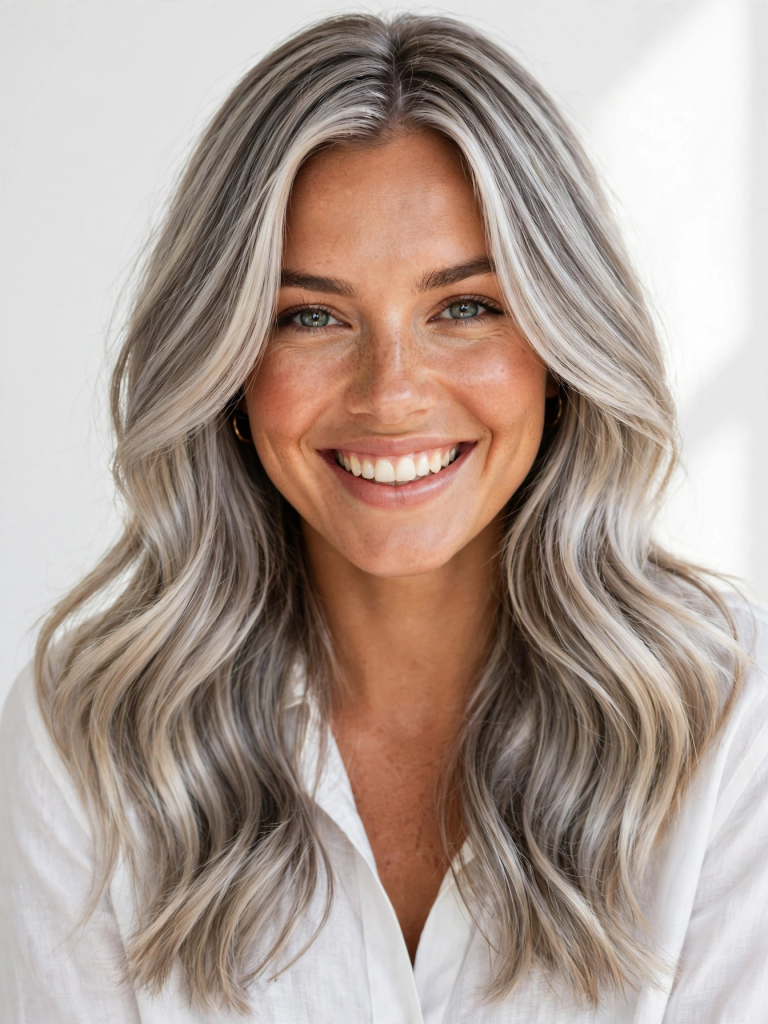
- The Concept: Lighting up the entire head to match the coolness of the gray.
- How it Works: If your natural base is dark and your gray is stark white, this involves lifting the base color to a cool, ashy blonde level. The highlights are then placed to break up the evenness, using cool, silver, or pearl tones.
- Best For: Those ready to embrace a mostly blonde or silver palette, leaving very little dark hair showing.
4. Lowlights for the Silver Fox
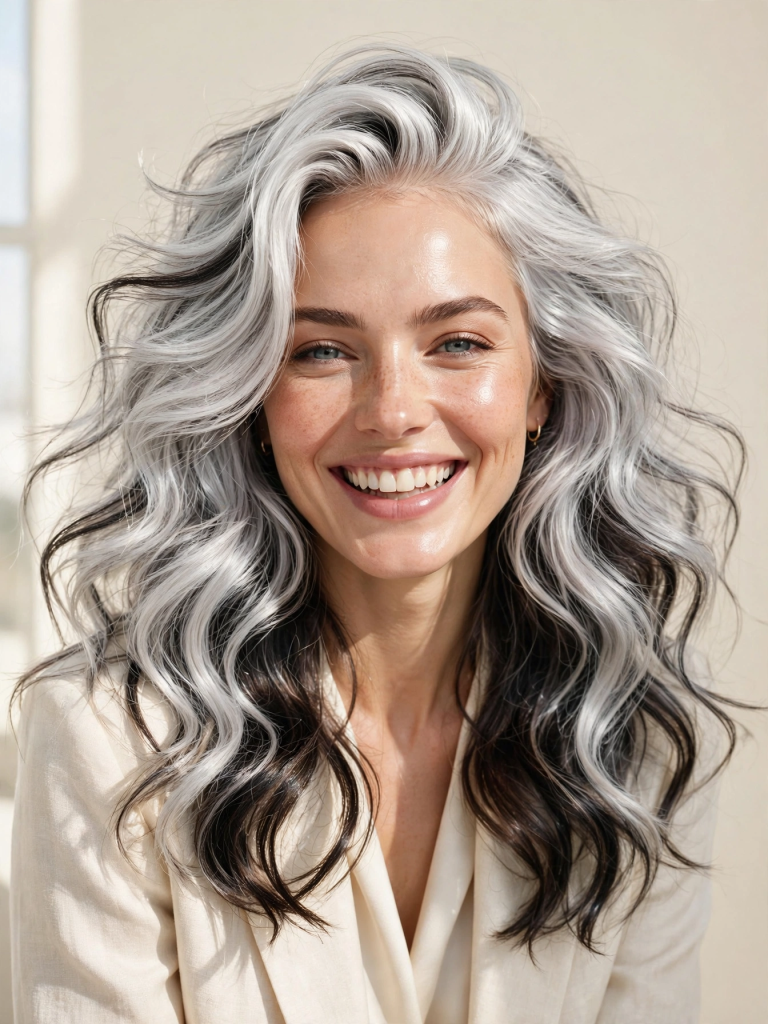
- The Concept: Adding depth back into a head of white or silver hair.
- How it Works: This is the reverse approach. For those who have already gone fully gray or white, hair can often look flat or “washed out.” Lowlights (darker pieces) are painted in to mimic the shadows of your original hair color, adding dimension and contrast.
- Best For: Women with a full head of white or silver hair who feel it lacks depth or makes them look pale.
5. The “Sombré” (Soft Ombré) Gray Transition
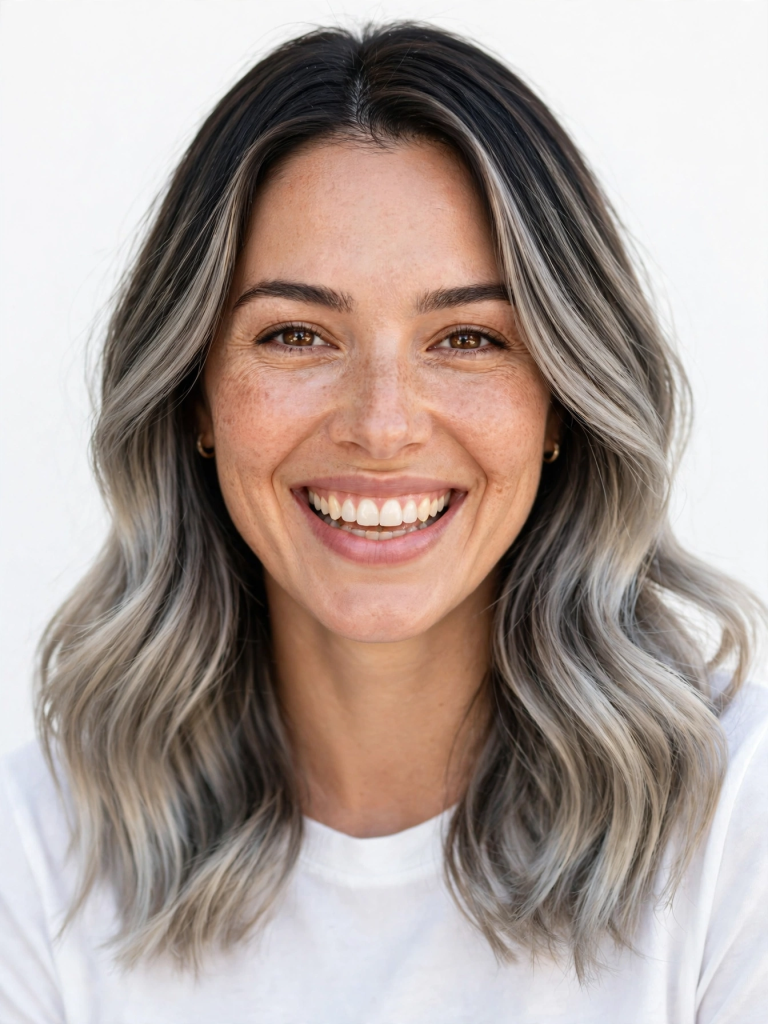
- The Concept: A gentle gradient from dark to light.
- How it Works: The color is darker and heavier at the roots and gradually transitions into lighter, gray-blended ends. This is the ultimate low-maintenance option, as the “rooty” look is the goal.
- Best For: Those who are tired of the harsh line of regrowth and want to extend time between salon appointments to 4-6 months.
6. The Icy Platinum Melt
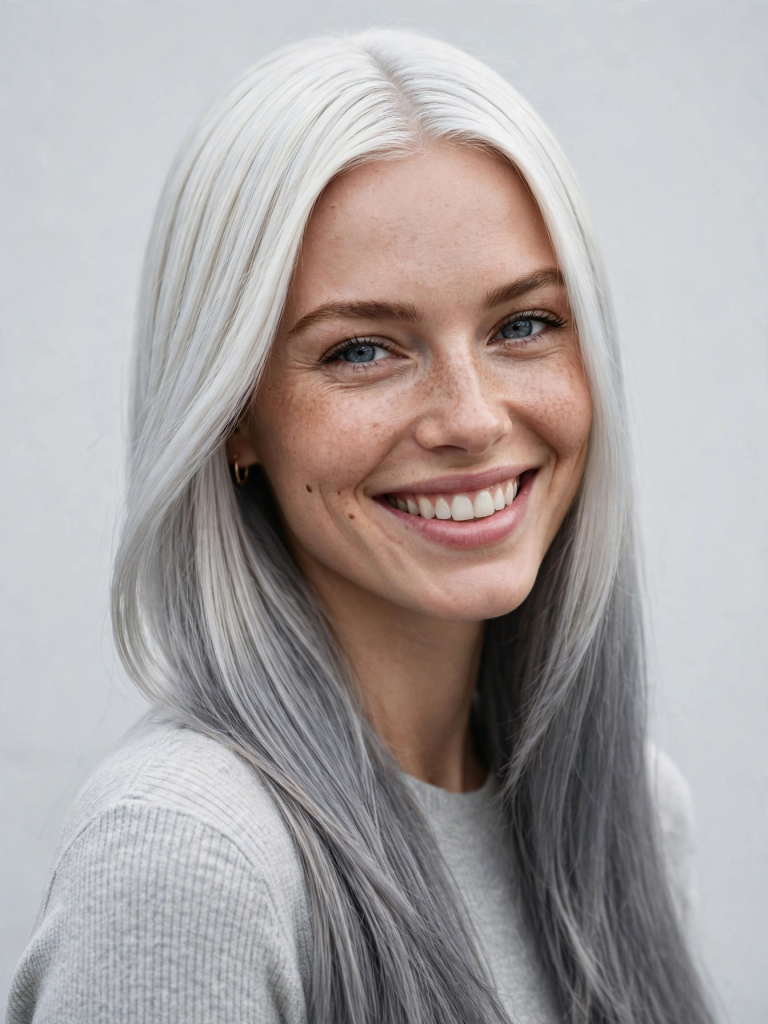
- The Concept: A high-fashion blend of cool tones.
- How it Works: This involves melting a cool-toned platinum blonde into your natural gray. The result is a chic, edgy, and incredibly modern blend that eliminates any yellow or brassy tones often found in gray hair.
- Best For: Women with a cool skin tone (pink or blue undertones) who want a dramatic, fashion-forward look.
7. The Warm Caramel Contrast

- The Concept: Using warmth to combat a “washed out” complexion.
- How it Works: Instead of matching the gray, this technique uses face-framing caramel, honey, or butterscotch highlights to add warmth. When placed strategically, the golden tones blend with the gray to create a beautiful, multi-dimensional “bronde” (brown-blonde) effect.
- Best For: Women with warm skin tones (yellow or golden undertones) or those with darker brown hair who want a softer transition.
8. Root Shadow & Fine Highlights
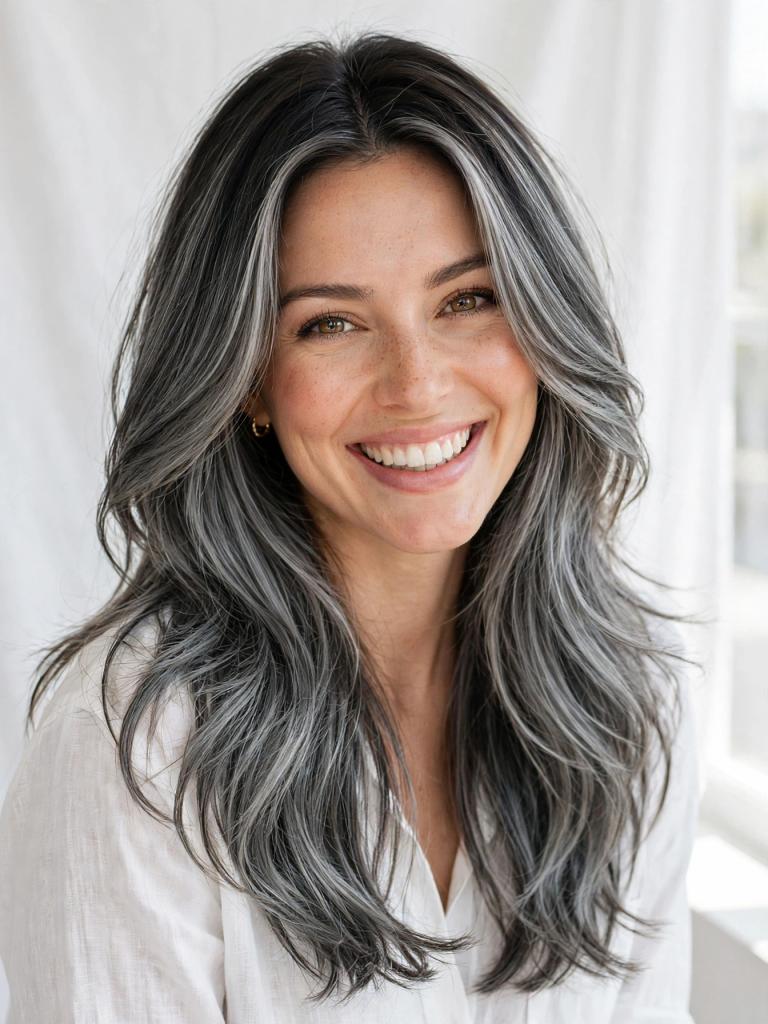
- The Concept: Hiding the line of demarcation.
- How it Works: A demi-permanent gloss or dye is applied at the roots to “shadow” the area. This darkens the regrowth slightly, so when paired with fine highlights that match the gray, the line between new growth and colored hair disappears completely.
- Best For: Anyone with a significant amount of regrowth who wants to stretch their salon visits to the absolute limit.
9. The Blonde “Tonal” Highlight

- The Concept: Erasing brassiness to match the gray.
- How it Works: Many women who try to grow out gray from blonde hair find the old blonde looks yellow compared to the bright new gray. This technique involves refreshing the blonde highlights with a very cool, violet-based toner, blending them directly into the gray.
- Best For: Natural blondes transitioning to gray.
10. The “Strategic Panel” Highlight
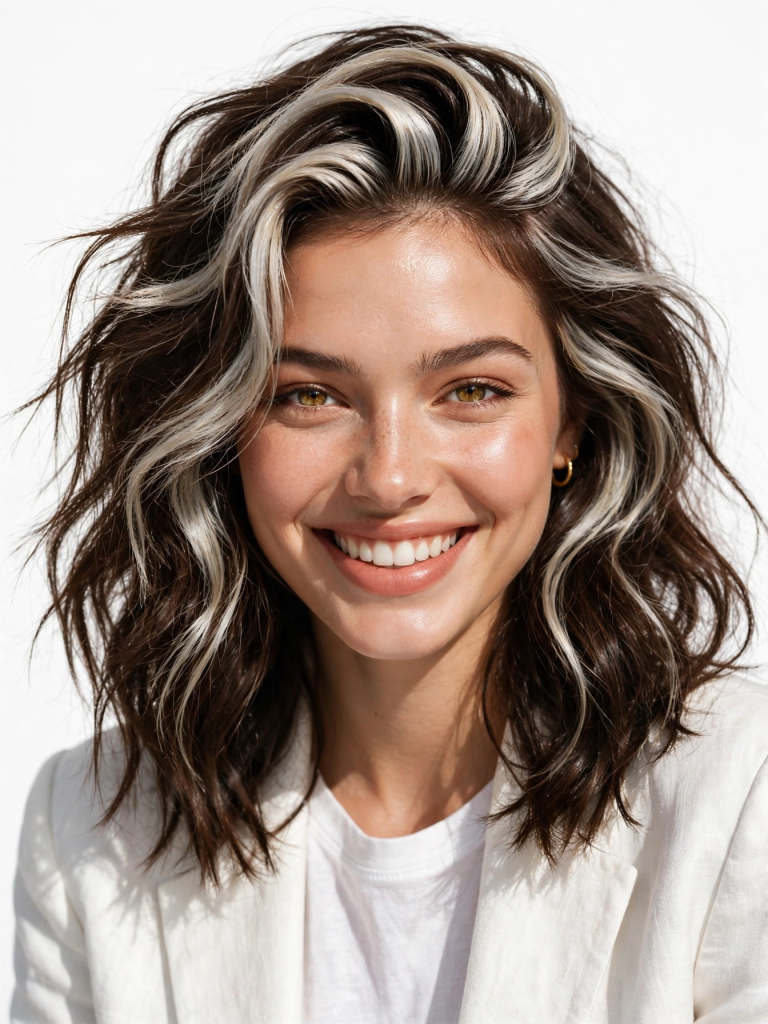
- The Concept: Chunky modern sections that look intentional.
- How it Works: While “blending” usually implies subtlety, large panels of bright blonde or silver placed on the top layer and around the face can be used to disguise large pockets of gray. This creates a trendy “block color” effect that actually masks the regrowth.
- Best For: Those with a bold, confident style who want to minimize root maintenance while making a statement.
How to Choose the Right Technique (The “Consultation” Section)
Before you book your appointment, consider these three factors to narrow down your choice:
- Your Base Color:
- Blonde Base: Opt for cool “Tonal” or “Icy” highlights.
- Light Brown Base: “Sombré” or “Salt and Pepper” blends work best.
- Dark Brown/Black Base: “Caramel Contrast” or “Face-Framing” are ideal to soften the transition.
- Your Gray Percentage:
- Under 30%: Face-framing or fine baby lights are perfect.
- 30%-70%: Root shadowing with fine highlights is the holy grail.
- Over 70%: Consider lowlights to add depth or the “Silver Fox” approach.
- Your Maintenance Desire:
- Low Maintenance: Root Shadow + Sombré (visit every 4-6 months).
- Medium Maintenance: Tonal Highlights or Panel highlights (visit every 10-12 weeks).
- High Maintenance: Full Platinum Card (visit every 6-8 weeks).
The Maintenance Plan
Blending gray hair successfully doesn’t end in the salon. Here is how to keep it looking fresh:
- Purple Shampoo is Non-Negotiable: Use it once a week to banish yellow/brassy tones and keep the gray and highlights bright.
- Toning Gloss: Between salon visits, use a clear or silver-toned gloss at home to add shine and keep the hair looking healthy.
- Heat Protection: Gray hair often becomes coarser; always use a heat protectant before styling to prevent breakage.
- Schedule the Next Appointment: Don’t wait until you hate your roots. Book your next touch-up at the end of your current appointment to lock in the schedule.
Conclusion
Blending gray hair with highlights is more than just a color technique; it is a mindset shift. It moves us away from the anxiety of “covering up” and toward the confidence of “enhancing what we have.” It is about embracing the natural texture and wisdom that gray hair represents, while using modern artistry to ensure it looks intentional, dimensional, and incredibly flattering.
Whether you opt for the subtle brightness of a face-frame or the edgy transition of an icy platinum melt, the goal is the same: to simplify your routine and amplify your beauty. Remember, the best approach is a collaborative one—consult with a professional colorist, bring these ideas to the table, and find the blend that makes you feel like the best version of yourself. Aging is inevitable, but looking “done” is a choice; choose the look that lets you shine.

Leave a Reply