Between work, family, and social commitments, finding time for elaborate hair routines can feel impossible. That is precisely why medium hairstyles for busy women have become a go-to solution. Shoulder-grazing cuts offer the perfect balance: long enough to pull back, short enough to dry quickly, and versatile enough to suit any face shape. This article explores the most practical, stylish, and time-saving medium hairstyles for busy women who refuse to sacrifice good hair days. From detailed step-by-step styling routines to product recommendations and seasonal adaptations, you will find everything you need to simplify your hair care without compromising on style.
Why Medium Length Wins for Busy Schedules
Medium hair typically falls between the chin and collarbone. This length requires less blow-drying time than long hair, but still allows for ponytails, buns, and braids. Unlike very short cuts, medium hairstyles for busy women do not demand frequent trims to maintain shape. A visit every eight to ten weeks is usually sufficient. Additionally, medium hair responds beautifully to dry shampoo, texturizing sprays, and second-day styling – all lifesavers for rushed mornings.
Another often-overlooked advantage is weight distribution. Long hair pulls on the scalp, causing tension headaches for some women, and can feel heavy and hot. Very short hair, while quick to wash, requires precise styling to avoid looking messy. Medium length sits in a sweet spot: light enough to air-dry with volume, yet substantial enough to hold a curl or braid. For women with fine or thinning hair, medium cuts add the appearance of density because the ends are not weighed down. For thick or coarse hair, removing a few inches of length eliminates the dreaded triangle shape and makes detangling a breeze.
look this out; Easy Medium Hairstyles for Older Women That Always Look Polished
Top Low-Maintenance Medium Hairstyles (Detailed)
1. The Classic Lob (Long Bob)
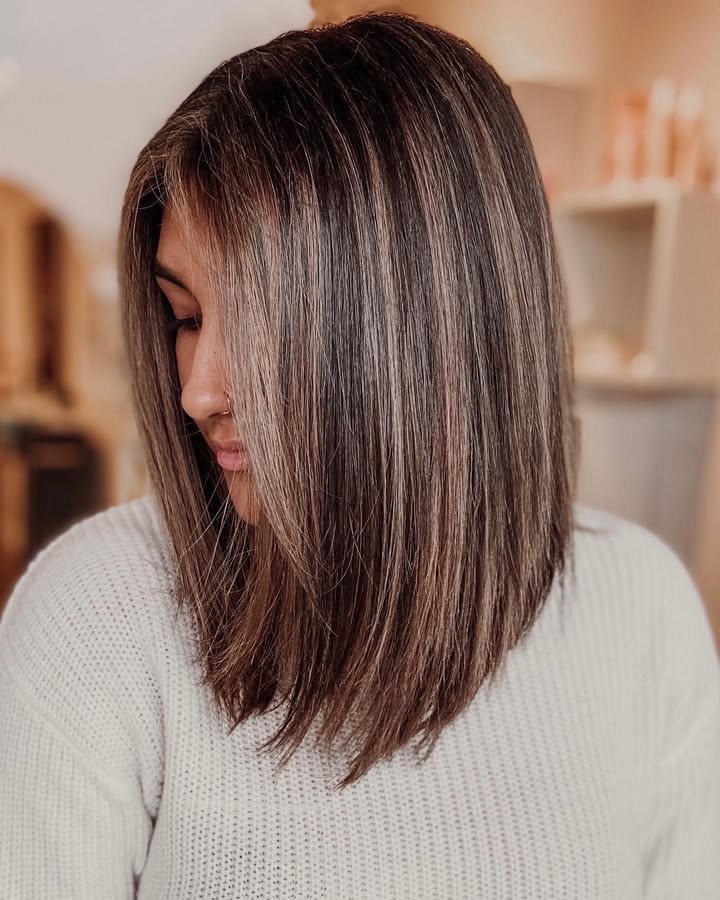
The lob remains the reigning champion of medium hairstyles for busy women. Cut to graze the collarbone, this style works with straight, wavy, or curly textures. Ask your stylist for subtle layering to remove bulk and add movement without creating extra styling work. Air-drying with a leave-in conditioner often yields a polished, beachy look. For a more refined finish, a five-minute blow-dry with a round brush on the ends is enough.
The lob is especially versatile for different face shapes. For round faces, a lob with a deep side part creates the illusion of length. For square faces, soft, face-framing layers around the jawline soften angular features. For heart-shaped faces, a lob with volume at the ends balances a narrower chin. This adaptability makes the lob one of the most universally recommended medium hairstyles for busy women.
2. Textured Shag Cut
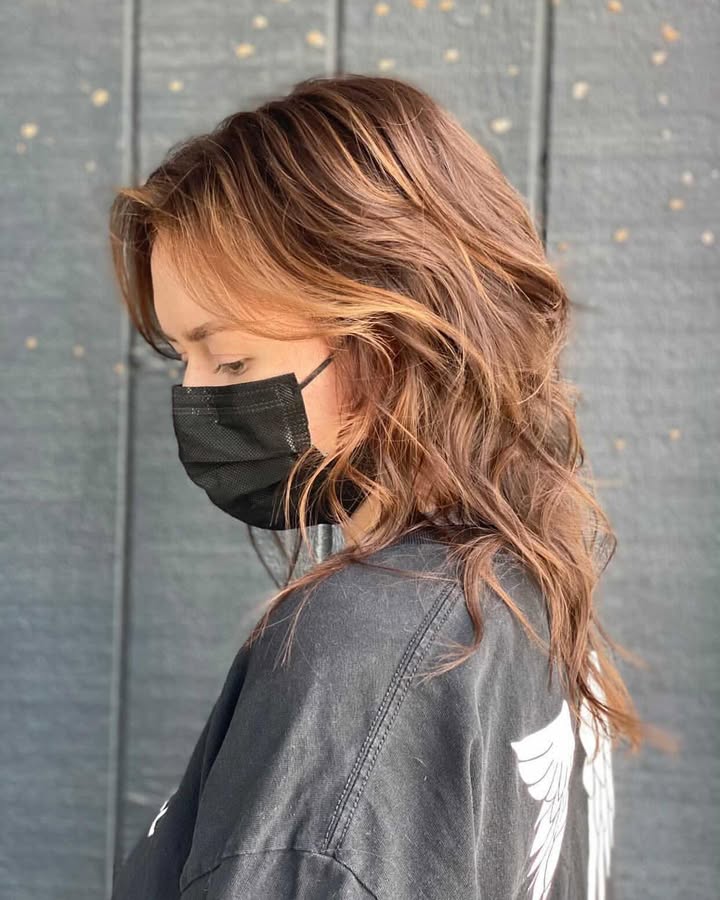
The modern shag features choppy layers, curtain bangs, and plenty of volume. This is one of the most forgiving medium hairstyles for busy women because messiness is part of its charm. The layers allow hair to fall into place naturally after sleeping on it. A quick spritz of sea salt spray and a head flip while blow-drying on low heat creates lived-in texture that looks intentional. Shags work especially well for fine hair, as layers add the illusion of density.
Curtain bangs are a key component of this cut. Unlike full bangs, curtain bangs part in the middle and sweep to the sides. They grow out gracefully, require trimming only every two to three months, and can be pinned back when needed. For busy women who want a trendy look without constant salon visits, the shag with curtain bangs is a top contender among medium hairstyles for busy women.
3. Blunt Cut with Minimal Layers

For women with thick or coarse hair, a blunt cut at shoulder length removes weight and prevents triangle-shaped volume. This style requires almost no daily effort. Simply brush through and go. The clean, straight line looks sophisticated and professional with zero heat styling. Among medium hairstyles for busy women, the blunt cut offers the fastest morning routine: under two minutes from wet to work-ready.
To maintain a blunt cut, invest in a quality boar-bristle brush. Brushing from the nape of the neck forward, then back again, distributes natural oils and keeps ends looking sharp. Use a drop of hair oil on the mid-lengths to prevent frizz on dry days. The blunt cut is also ideal for women who wear their hair straight or naturally wavy; the clean edge prevents wavy ends from looking unruly.
4. Layered Wavy Bob
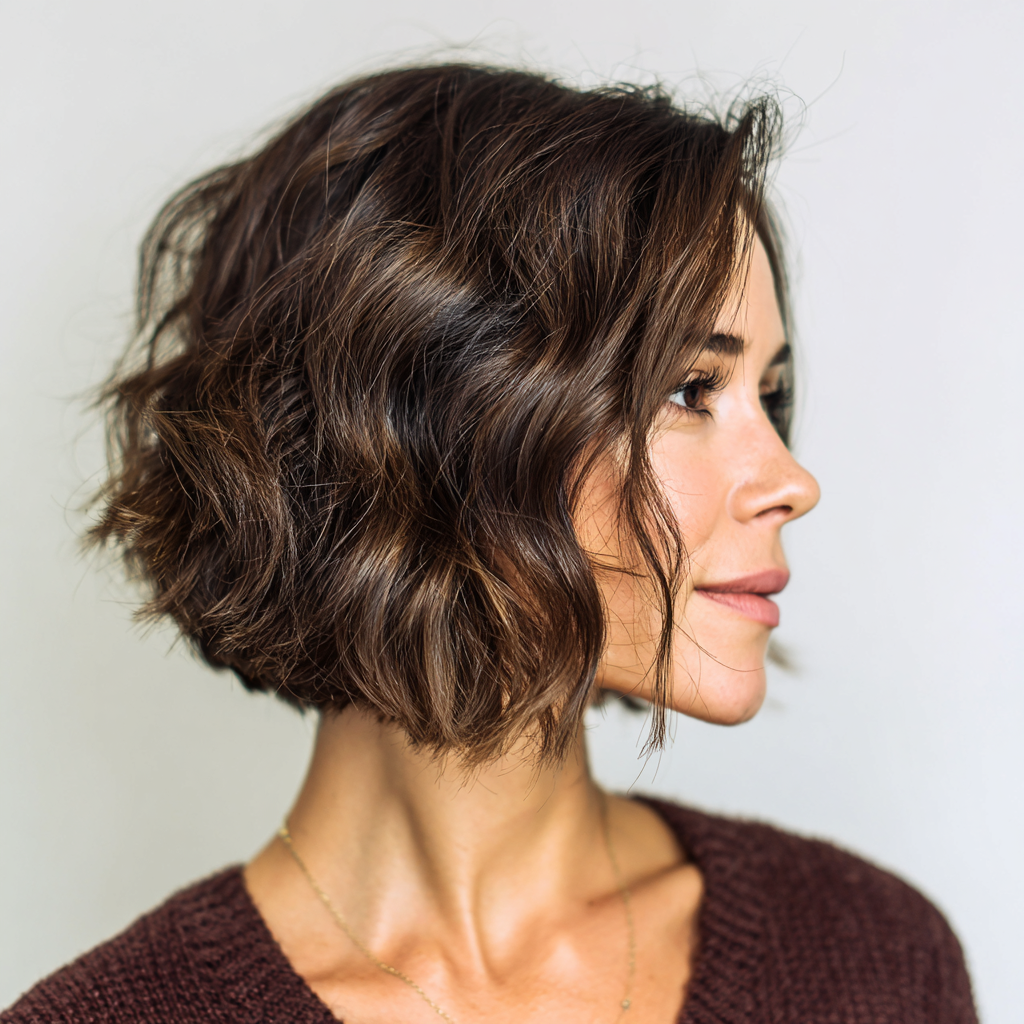
If you have natural waves, embrace them. A layered bob cut specifically to enhance your wave pattern is a game-changer. Apply a curl cream or mousse to damp hair, scrunch upward, and air-dry or diffuse for three minutes. The layers prevent waves from looking heavy or flat. This is one of the most universally flattering medium hairstyles for busy women because it works on all hair densities and requires no curling iron.
For best results, ask your stylist for a dry cut. This means they cut your hair while it is dry and in its natural wave pattern, ensuring each layer falls correctly. Avoid thinning shears, which can disrupt wave clumping. Instead, request point-cutting for soft, textured ends. On busy mornings, simply spray your waves with a water bottle, scrunch in a pea-sized amount of leave-in conditioner, and go. Refresh second-day waves by sleeping on a silk pillowcase and using a wave-reviving spray.
5. Half-Up Top Knot
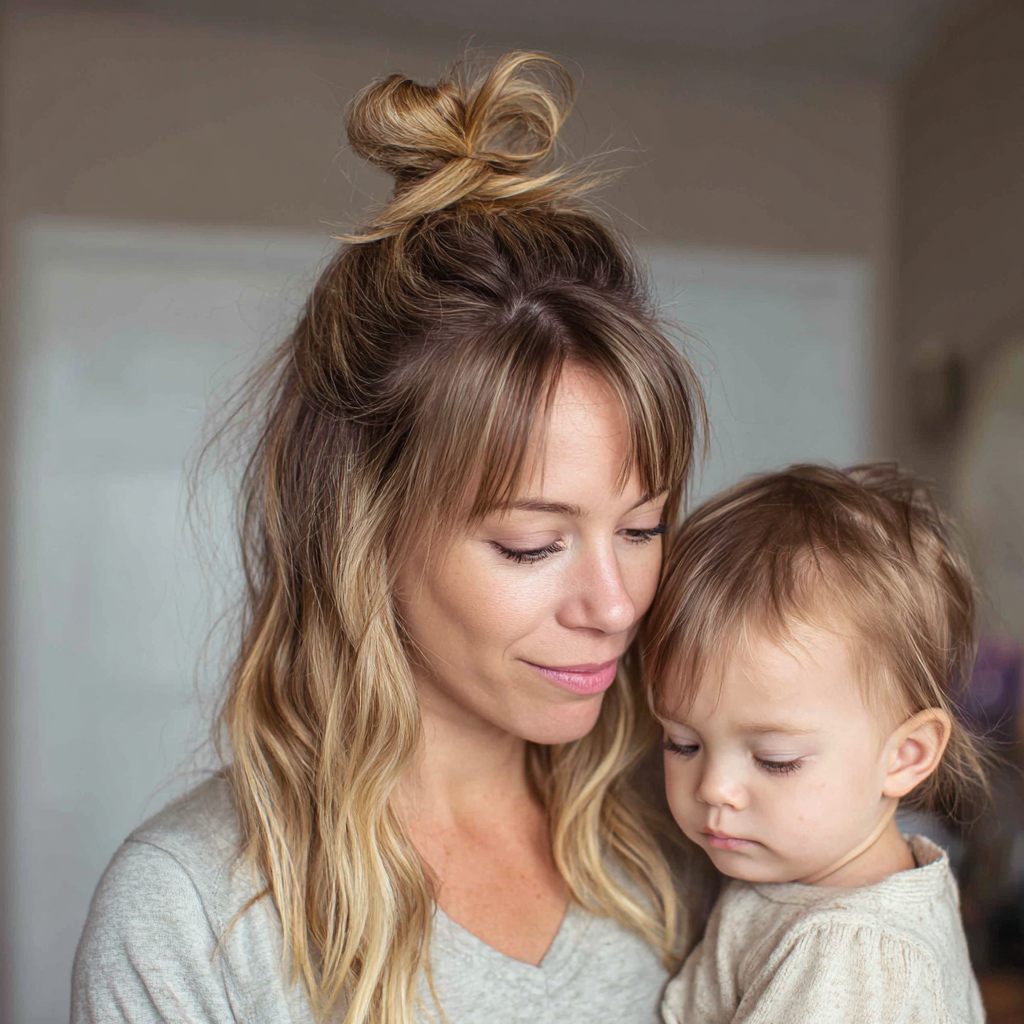
For days when hair feels limp or greasy, the half-up top knot saves the day. Gather the top section of your medium-length hair and twist it into a small bun on the crown of your head. Secure with a hair elastic or claw clip. This style lifts hair off the face, adds instant height, and hides unwashed roots. It takes thirty seconds and transforms second-day hair into a deliberate look. Keep a stash of decorative clips in your desk or car for emergency styling.
Variations of this style abound. For a softer look, pull out two tendrils at the temples. For a more secure hold, use two small elastics: one for the ponytail and one for the bun. For women with layers that fall out of styles easily, add a few bobby pins around the base of the bun. This is one of the few medium hairstyles for busy women that works equally well on freshly washed hair and hair that is three days old.
6. Low Messy Ponytail or Bun

Medium length is ideal for low ponytails and buns because there is no heavy weight pulling on the scalp. Sweep all hair to the nape of the neck, secure loosely, and pull out a few face-framing pieces. For a bun, twist the ponytail and wrap it around the base, pinning messily. This is among the most reliable medium hairstyles for busy women transitioning from the gym to the office or from school pickup to dinner out.
To add polish to a messy bun, wrap a small section of hair around the elastic to hide it. Secure that piece with a bobby pin. For a ponytail, use a satin scrunchie to prevent creases and breakage. The low ponytail can also be side-swept over one shoulder for a romantic, effortless look. This style is particularly useful for busy women with second-day hair; the low tension on the scalp means you can wear it all day without discomfort.
7. The Twist and Clip
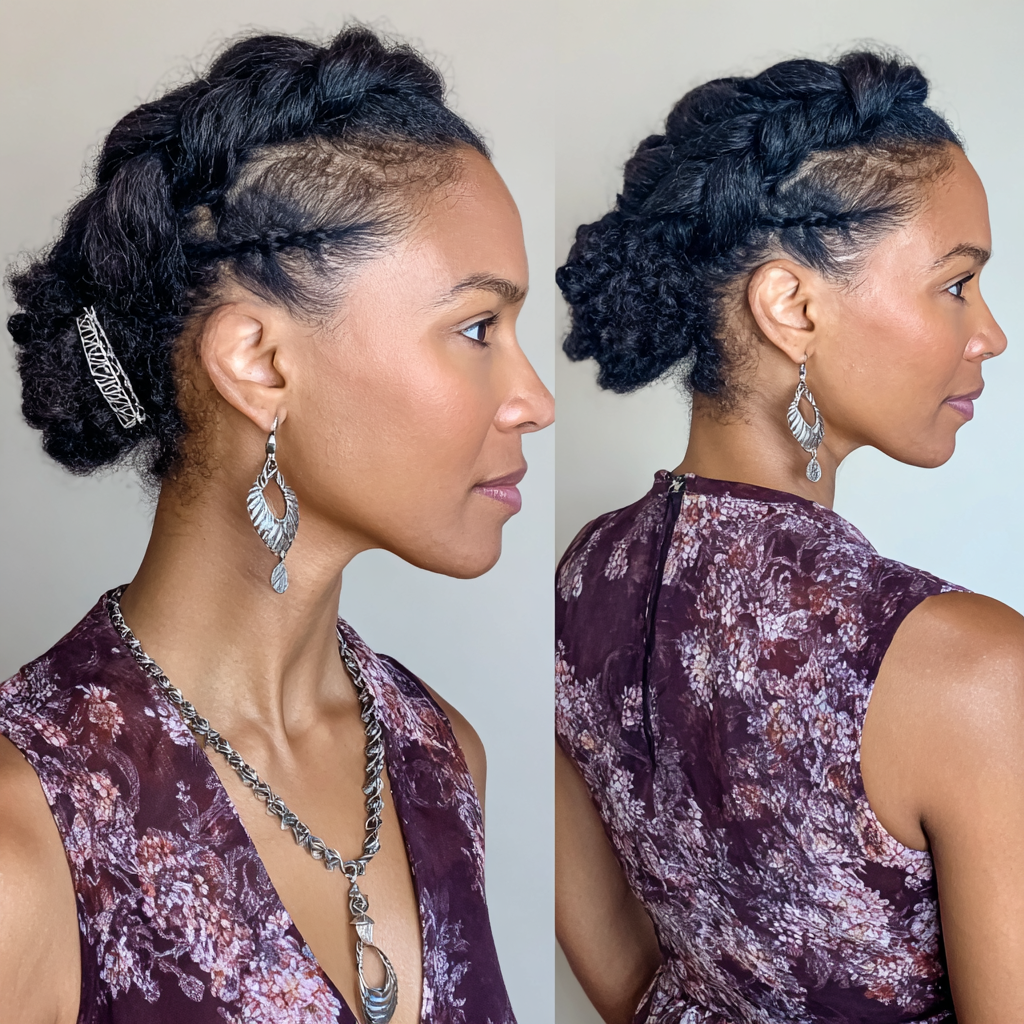
No elastic required. Take two small sections from each side of your part, twist them away from your face, and join them at the back with a medium-sized claw clip. Let the remaining hair fall freely. This elegant style takes fifteen seconds and works on wet or dry hair. It keeps hair off the neck during hot weather or while working out. Keep a clip in your glove compartment for on-the-go touch-ups.
The twist and clip can be dressed up for evening events by using a decorative clip with pearls or metal accents. For a more secure hold on slippery hair, backcomb the twisted sections slightly before clipping. This style is also excellent for growing out bangs or layers; the twisted sections incorporate shorter pieces seamlessly. Among all medium hairstyles for busy women, this one requires the least amount of skill or practice to master.
Step-by-Step Morning Routines for Different Hair Types
Not all medium hairstyles for busy women suit every texture. Below are tailored morning routines for straight, wavy, curly, and coily hair, each designed to take ten minutes or less.
For Straight Hair (Fine to Medium Density)
- Night before: Apply a lightweight dry shampoo at the roots. Braid hair loosely into two low braids.
- Morning: Take out braids. Shake out hair with fingers. For extra volume, flip head over and spray texturizing spray at the crown.
- Result: Effortless waves with no heat. Total time: two minutes.
For Wavy Hair
- Night before: Apply a wave-enhancing cream. Pineapple hair into a high, loose ponytail on top of your head. Sleep on a silk pillowcase.
- Morning: Take down ponytail. Mist with water and sea salt spray. Scrunch upwards for thirty seconds. Air-dry while getting dressed.
- Result: Defined, frizz-free waves. Total time: three minutes.
For Curly Hair (Type 3A to 3C)
- Night before: Refresh curls with a leave-in conditioner and water mix in a spray bottle. Pineapple or use a satin bonnet.
- Morning: Remove bonnet. Do not brush. Finger-detangle any knots. Apply a drop of curl serum to palms and smooth over the canopy. Shake curls at the roots.
- Result: Bouncy, shiny curls. Total time: five minutes.
For Coily Hair (Type 4A to 4C)
- Night before: Twist or braid damp hair into four to six sections with a moisturizing butter.
- Morning: Undo twists or braids. Separate each section gently with fingers. Fluff roots with a pick. If needed, wear a satin-lined headband for a polished look.
- Result: Defined twist-out or braid-out style. Total time: five minutes.
Product Recommendations for Speedy Styling
The right products transform medium hairstyles for busy women from time-consuming to effortless. Here is a curated list of product types and what to look for.
Dry Shampoo
Look for a formula with rice starch or tapioca starch, which absorb oil without white residue. Apply at night before bed for best absorption. Use on roots only. Aerosol versions are fastest for busy mornings.
Sea Salt Spray
Choose a spray with moisturizing ingredients like aloe vera or glycerin to prevent crunchiness. Spray on damp hair from mid-lengths to ends. Scrunch and air-dry. Ideal for creating beachy texture on lobs and shags.
Leave-In Conditioner
A lightweight, sprayable leave-in conditioner is essential for air-drying. It detangles, adds shine, and prevents frizz. Apply to towel-dried hair from ears down. Avoid roots to maintain volume.
Texturizing Powder or Spray
These products add grip and volume, making hair easier to style. Sprinkle powder at the roots and massage in for instant lift. Texturizing spray works on dry hair to revive flat styles. Both are excellent for second-day medium hairstyles for busy women.
Heat Protectant
Even if you only blow-dry for three minutes, use a protectant. Spray evenly over damp hair. Many protectants also contain conditioning agents and anti-humidity properties, saving you an extra step.
Satin or Silk Pillowcase
Not a product, but an essential tool. Satin reduces friction, preventing bedhead and frizz. It also helps hairstyles last longer, so you can go three to four days between washes. Invest in two so you always have a clean one.
Seasonal Adaptations for Medium Hairstyles
Your hair routine should change with the weather. Here is how to adapt your medium hairstyles for busy women throughout the year.
Summer: Humidity and Sweat
Summer challenges include frizz, sweat, and the desire to get hair off the neck. Focus on updos. The twist and clip, low messy bun, and half-up top knot shine in hot weather. Use anti-humidity hairspray before stepping outside. For women with naturally curly or wavy hair, summer is the time to embrace air-drying with a gel or mousse that provides hold without crunch. Wash hair more frequently but use a co-wash (conditioner-only wash) to avoid stripping oils.
Fall: Transition and Static
As temperatures drop, indoor heating causes static and dryness. Switch to a moisturizing shampoo and conditioner. Use a boar-bristle brush to distribute natural oils. The blunt cut and layered wavy bob are excellent for fall because they can be worn down under hats without losing shape. If you wear scarves, tie your hair in a low ponytail or braid to prevent friction breakage at the nape.
Winter: Dryness and Hat Hair
Winter is the harshest season for hair. Cold outdoor air and dry indoor heat strip moisture. Protect your medium hairstyles for busy women by wearing a satin-lined beanie or using a silk scarf under wool hats. At night, apply a few drops of argan oil to the ends. The shag cut works well in winter because its messy texture hides hat-induced flattening. Use a dry texture spray to revive hat hair in seconds.
Spring: Allergy Season and Rain
Spring brings rain and allergens. Rain can ruin blow-dried styles, so focus on air-dry friendly cuts like the textured shag or layered wavy bob. If you suffer from seasonal allergies, wear your hair up to keep pollen off your face. The low messy bun is ideal; simply wash your hair at night, let it air-dry while you sleep, and style in the morning. Use a clarifying shampoo once a month to remove pollen and product buildup.
Troubleshooting Common Problems with Medium Hair
Even the best medium hairstyles for busy women encounter issues. Here are solutions to the most frequent complaints.
Problem: Hair falls flat by midday
Solution: Carry a small bottle of dry shampoo or texturizing powder. Flip head upside down, apply to roots, and massage. For longer-lasting volume, ask your stylist for internal layers or a slightly inverted shape (shorter in back, longer in front).
Problem: Ends look dry or frayed
Solution: Trim every eight weeks. Between trims, use a leave-in conditioner or hair oil on the ends only. Avoid heat styling on high temperatures. If you must use heat, keep the tool moving and never hold it in one place for more than two seconds.
Problem: Hair is too thick and feels heavy
Solution: Ask your stylist for under-cutting or interior layering. This removes bulk from underneath without changing the outer shape. A blunt cut with hidden layers is ideal for thick hair. Avoid excessive thinning shears, which can cause frizz.
Problem: Hair is too fine and lacks body
Solution: A textured shag or lob with blunt ends (not wispy) creates the illusion of density. Use volumizing mousse on damp roots. Blow-dry upside down for two minutes. Dry shampoo at night adds grip for the next day.
Problem: Natural waves look frizzy, not defined
Solution: Stop brushing dry hair. Only brush or comb when wet and coated with conditioner. Apply gel or mousse to soaking wet hair, scrunch, then plop in a microfiber towel for ten minutes. Air-dry. For busy mornings, refresh with a water and leave-in conditioner spray instead of re-washing.
Problem: Ponytails and buns feel too small due to medium length
Solution: Use a smaller elastic and wrap the hair only twice. For buns, use spin pins or a small claw clip instead of elastics. A low ponytail looks fuller than a high ponytail on medium hair. You can also tease the crown before pulling hair back.
Celebrity and Influencer Inspiration
Looking for visual inspiration? Many celebrities rely on medium hairstyles for busy women. Bring a photo of the following to your stylist.
- Jennifer Aniston: Her iconic lob with face-framing layers is timeless. She has worn variations of this cut for decades, proving its versatility.
- Lucy Hale: Often sports a textured shag with curtain bangs. Her cut is slightly longer in front, which elongates the neck.
- Priyanka Chopra: Frequently wears a blunt collarbone-length cut. Her style is sleek and polished but requires minimal daily effort due to the blunt edge.
- Zendaya: Has worn a medium wavy bob with a deep side part. Her natural waves are enhanced with a curl cream for red carpet events.
- Laura Harrier: Known for her curly lob. She air-dries with a gel and lets her curls define themselves.
For social media, search hashtags like #loblife, #mediumhaircut, and #busymomhair. Save images that show the texture and length you desire. Be specific: do you want a rounded shape or an angled shape? Rounded is softer and more casual; angled is more dramatic and easier to tuck behind ears.
How to Communicate with Your Stylist
A great cut starts with a great conversation. Use these scripts when booking and during your appointment to ensure you receive the best medium hairstyles for busy women.
Before the Appointment
Call or message: “I want a medium-length cut, between chin and collarbone. I need it to be low-maintenance and look good air-dried. I wash my hair twice a week and have no time for blow-drying. What would you recommend?”
During the Appointment
Show your reference photos. Then say:
- “Please keep the perimeter blunt or softly rounded, not heavily layered at the bottom.”
- “I need to be able to put my hair in a ponytail without pieces falling out. Please keep the shortest layer long enough to reach an elastic.”
- “I have [fine/thick/curly/straight] hair. How will you cut it to work with my natural texture?”
- “Show me how to style this with just my fingers and a product. I do not own a curling iron.”
After the Appointment
If you love the cut, ask your stylist to write down the exact technique: scissors used, sectioning pattern, and any specific angles. Bring this note to future appointments, even if you see a different stylist.
The Ultimate Weekly Hair Care Schedule for Busy Women
To keep your medium hairstyles for busy women looking fresh, follow this low-fuss weekly plan.
- Sunday evening: Wash and deep condition. Apply a hair mask for ten minutes while you do a face mask. Rinse with cool water. Air-dry partially, then braid or twist for next-day waves.
- Monday morning: Take out braids. Shake. Go. Style lasts through work.
- Tuesday morning: Refresh with dry shampoo at roots and texture spray on lengths. If needed, do a half-up top knot.
- Wednesday morning: Low messy ponytail or bun. Use a silk scrunchie to prevent creases.
- Thursday morning: Dampen hair with a spray bottle. Scrunch in mousse or curl cream. Air-dry during commute. This resets the style without a full wash.
- Friday morning: Wear hair down again. Use a drop of oil on ends for shine.
- Saturday: Co-wash with conditioner only, or skip wash entirely if hair is not oily. Wear a twist and clip for errands.
- Sunday: Repeat the cycle.
Cost and Time Savings Compared to Other Lengths
Let us quantify why medium hairstyles for busy women save resources.
| Length | Average wash & dry time | Salon visits per year | Product usage | Styling difficulty |
|---|---|---|---|---|
| Very short (pixie) | 5 minutes | 12-15 | Low | High (needs daily shaping) |
| Medium (lob to shoulders) | 10-15 minutes | 5-6 | Medium | Low |
| Long (below shoulders) | 30-45 minutes | 3-4 | High | Medium to High |
The numbers show that medium hair balances time and cost. You save approximately 100 hours per year compared to long hair (if you wash every other day). Salon visits for medium cuts are also typically less expensive than long hair services because less product and time are required.
Conclusion
You do not need hours in front of the mirror or expensive salon blowouts to look put together. The right medium hairstyles for busy women work with your natural texture, require minimal daily effort, and adapt to last-minute schedule changes. Whether you choose a classic lob, a textured shag, a simple blunt cut, or embrace your waves with a layered bob, focus on consistent trims and a small arsenal of dry shampoo and texturizing spray.
Remember these key takeaways: choose a cut that looks good air-dried, learn two or three go-to styles (one down, one half-up, one full updo), and protect your hair while sleeping with a silk pillowcase. Do not be afraid to ask your stylist for a demonstration. With the right cut and a few simple products, your hair can be both beautiful and low-maintenance.
Pick one style from this list, show it to your stylist, and reclaim your morning minutes for something more important – like an extra cup of coffee or five minutes of quiet before the day begins. Your busy schedule does not have to mean bad hair days. Medium hairstyles for busy women prove that effortless elegance is always within reach.