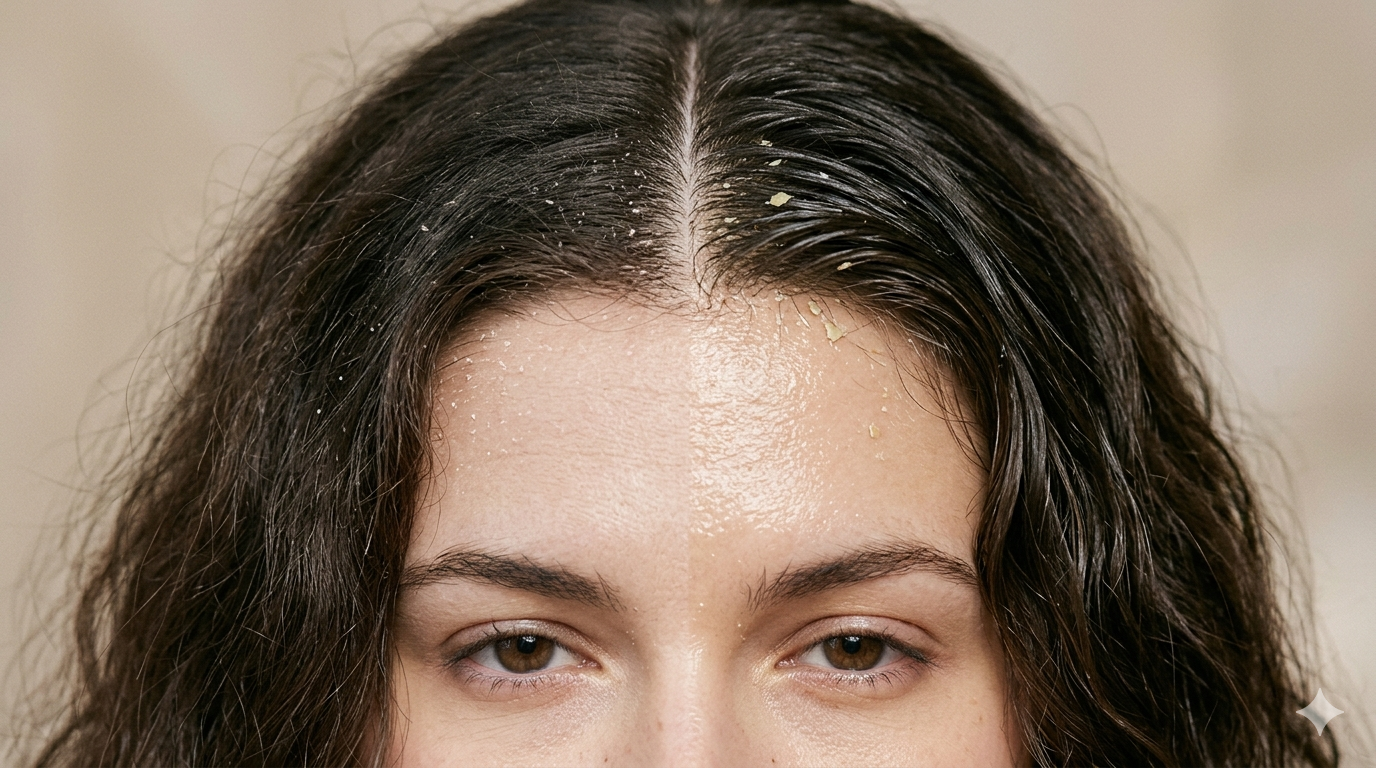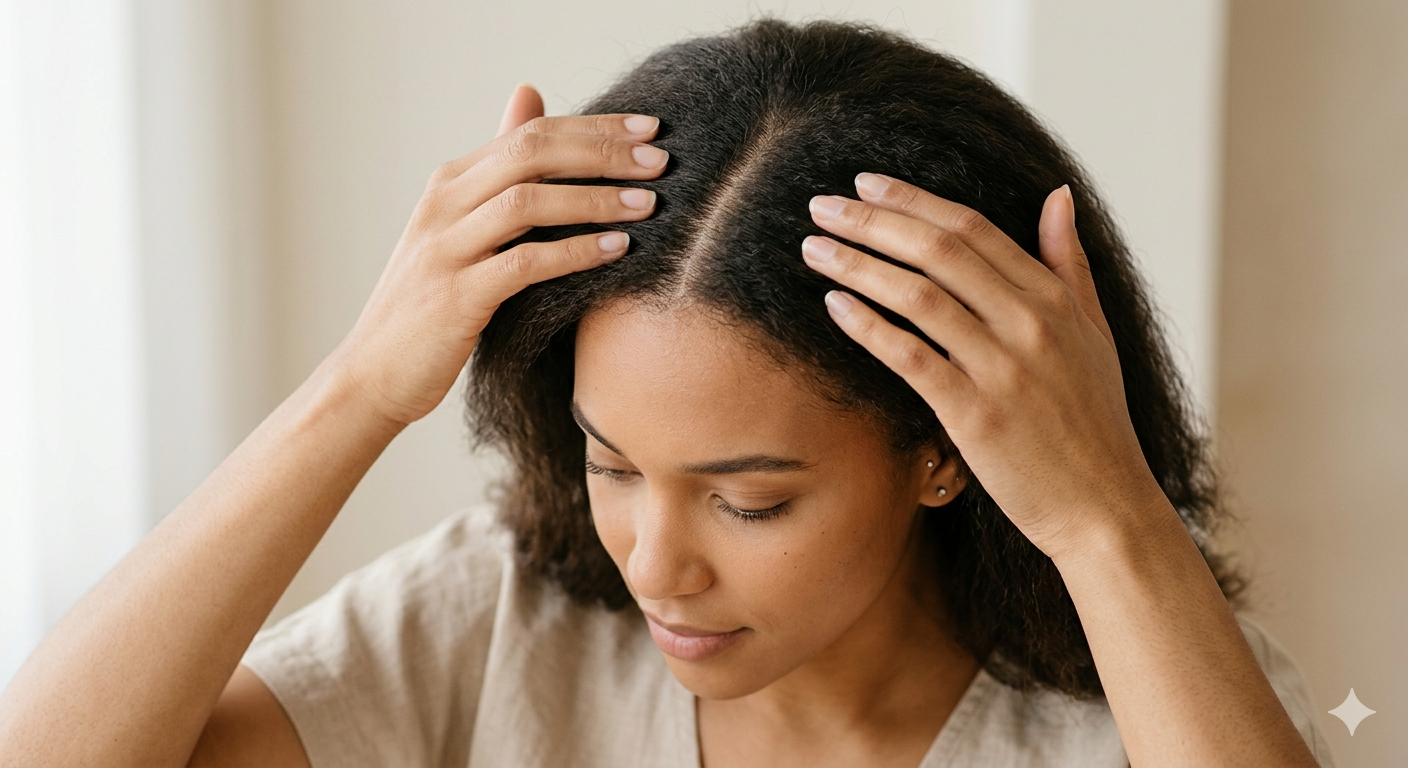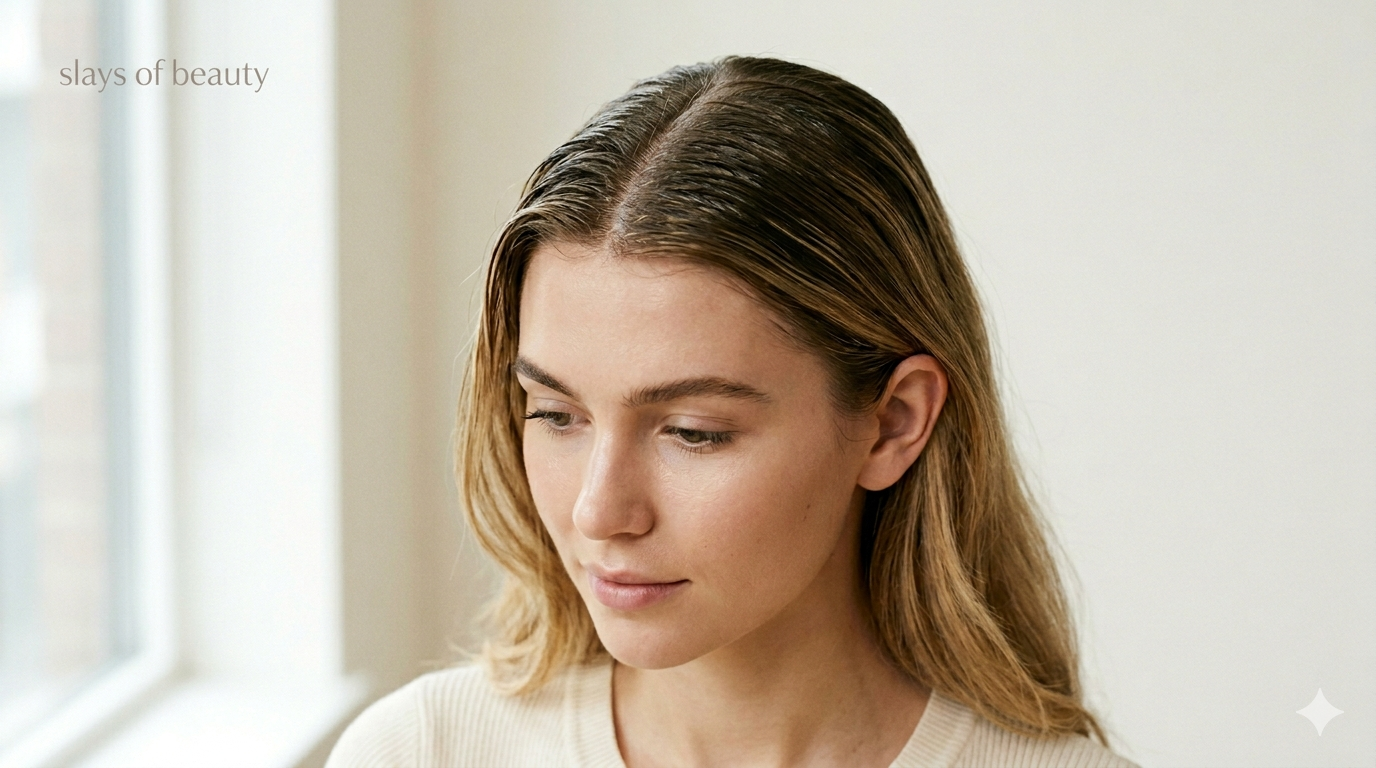
Category: scalp care

  • Oily Scalp Problems: Why Your Roots Get Greasy So Fast

    Oily Scalp Problems: Why Your Roots Get Greasy So Fast

    If you find yourself reaching for dry shampoo just hours after washing, you’re not alone. An oily scalp is one of the most common hair concerns, yet it is frequently misunderstood. While many people assume that greasy roots are the result of poor hygiene, the reality is more nuanced. Your scalp produces natural oils, called sebum, which are essential for healthy hair. Problems arise when oil production becomes excessive or uneven, leading to limp, greasy-looking hair that seems impossible to manage. Understanding the reasons behind an oily scalp and how to balance it is the first step toward healthier, fresher hair.

    Why Your Scalp Produces Oil

    Sebum is secreted by sebaceous glands located on your scalp. This natural oil plays a critical role in keeping your hair and scalp hydrated, protecting against dryness, and maintaining the hair’s natural sheen. A small amount of oil is necessary, but excessive sebum can make your hair look flat and greasy. Several factors influence sebum production, including genetics, hormonal fluctuations, diet, stress, and hair care practices. Understanding these factors helps you identify why your scalp may be overproducing oil and what steps to take to restore balance.

    you might love; Scalp Buildup: What It Is and How to Prevent It.

    Common Causes of an Oily Scalp

    1. Overwashing

    It may seem counterintuitive, but washing your hair too frequently can actually worsen oiliness. When you strip your scalp of natural oils repeatedly, your sebaceous glands respond by producing more oil to compensate. Daily shampooing, especially with harsh or sulfated shampoos, can create a cycle of overproduction, leaving you with greasy roots just hours after washing.

    2. Heavy Products

    Thick creams, styling oils, and silicone-heavy hair products can accumulate on the scalp, creating a greasy appearance. While these products are beneficial for hydration or styling, they can easily weigh down hair and exacerbate oiliness if applied too close to the roots. Choosing lightweight, non-comedogenic products helps prevent buildup and keeps your scalp from feeling overwhelmed.

    3. Touching Your Hair Frequently

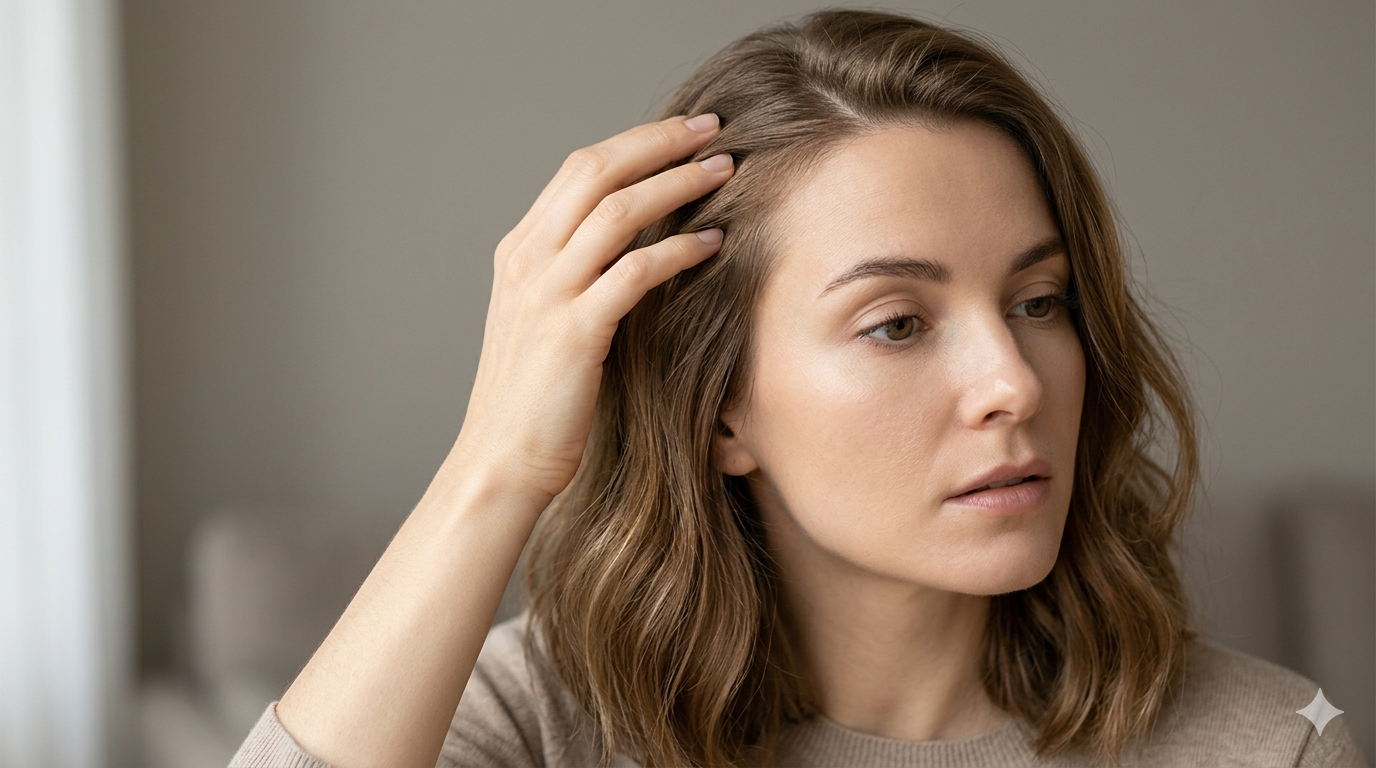
    Constantly running your fingers through your hair or adjusting it throughout the day transfers oils and sweat from your hands to your scalp and hair strands. Even clean hands carry natural oils, and repeated contact can make your roots appear oily faster. Minimizing hair touching can significantly improve the look and longevity of a fresh wash.

    4. Hormonal Changes

    Hormones have a powerful influence on oil production. Fluctuations caused by puberty, menstrual cycles, pregnancy, or certain medications can increase sebum secretion, leading to an oily scalp. Understanding your body’s hormonal patterns can help you anticipate periods when your hair may feel greasier and adjust your routine accordingly.

    5. Diet and Lifestyle Factors

    While less direct, your diet and lifestyle also impact scalp health. High-glycemic foods, excessive sugar, and processed foods can influence oil production. Stress triggers hormonal responses that can increase sebum output, while dehydration can paradoxically signal your body to produce more oil to compensate for lack of moisture. Maintaining a balanced diet, staying hydrated, and managing stress can help keep your scalp oil in check.

    Signs of an Oily Scalp

    Identifying the symptoms of an oily scalp is key to addressing the problem effectively. Common signs include:

    • Greasy roots within a day: Hair that becomes slick or shiny shortly after washing is a clear indicator of excess oil.
    • Flat, limp hair: Excess sebum weighs down hair strands, causing them to lose volume and bounce.
    • Frequent need to wash: If you feel the urge to wash your hair daily to maintain a clean appearance, your scalp may be producing more oil than necessary.

    Understanding these signs allows you to adapt your hair care routine rather than relying solely on frequent washing, which can worsen the issue.

    How to Balance an Oily Scalp

    Managing an oily scalp is not about eliminating oil completely but finding a balance that keeps hair healthy and fresh.

    1. Use Lightweight Products

    Choose shampoos, conditioners, and styling products formulated for oily or fine hair. Look for ingredients like tea tree oil, salicylic acid, or lightweight hydrating agents that cleanse without stripping the scalp. Avoid heavy oils, waxes, or silicone-laden products that accumulate on the scalp and exacerbate greasiness.

    2. Wash Gently, Not Aggressively

    Aggressive scrubbing can overstimulate sebaceous glands. Use lukewarm water and gently massage the scalp while shampooing. Focus on the roots rather than the ends to remove excess oil without over-drying hair. Rinse thoroughly to ensure no residue is left behind, which can weigh hair down.

    3. Avoid Overhandling Hair

    Frequent touching, brushing, or styling can transfer oils from your fingers and scalp, increasing greasiness. Try to limit contact and use wide-tooth combs or brushes to detangle hair gently. Let your scalp regulate oil naturally instead of constantly interfering.

    4. Alternate Shampoo Types

    Consider alternating between a regular gentle shampoo and a clarifying shampoo once a week. Clarifying shampoos remove product buildup and excess oil, while regular shampoos maintain hydration and prevent over-drying. This combination helps maintain oil balance without triggering overproduction.

    5. Mind Your Diet and Stress

    Eating a balanced diet rich in omega-3 fatty acids, lean proteins, and fresh vegetables can improve scalp health. Stress management techniques, including meditation, exercise, or deep breathing, can reduce hormonal triggers for excessive oil production.

    6. Timing and Routine

    Shifting washing schedules can also help. Some people benefit from washing hair every other day instead of daily. Experiment with timing and observe how your scalp responds. Over time, your scalp can adapt to a healthier oil production cycle.

    Conclusion

    An oily scalp is a natural condition that requires understanding rather than aggressive intervention. By using the right products, washing gently, minimizing hair touching, and supporting overall health through diet and stress management, you can achieve balanced oil production. The goal is to maintain a scalp that is nourished but not overloaded, and hair that is fresh, voluminous, and manageable.

    Adopting these strategies allows you to control greasiness without harming your scalp’s natural protective barrier. Remember, an oily scalp is not your enemy—it’s your body’s way of keeping your hair healthy. With a thoughtful approach, you can manage it effectively and enjoy hair that looks its best every day.


    Next Steps: Develop a consistent scalp care routine, track results, and adjust products as needed. Over time, your scalp will find its natural balance, and greasy roots will become less of a problem.
  • Scalp Buildup: What It Is and How to Prevent It.

    Scalp Buildup: What It Is and How to Prevent It.

    Scalp buildup is one of the most common yet overlooked causes of unhealthy hair and scalp discomfort. Many people experience dull hair, itchiness, or greasy roots without realizing that scalp buildup is the underlying issue. Understanding scalp buildup is essential if you want to maintain a clean, balanced, and healthy scalp that supports strong hair growth.This article explains what scalp buildup is, why it happens, how to recognize it, and most importantly, how to prevent it using simple and effective methods that protect your scalp without causing further imbalance.

    What Is Scalp Buildup

    Scalp buildup refers to the accumulation of substances on the scalp that are not properly removed during regular cleansing. These substances can include natural oils, sweat, dead skin cells, and leftover product residue.Over time, scalp buildup forms a layer on the scalp that blocks hair follicles and disrupts the natural balance of your scalp environment.When scalp buildup is not addressed, it can lead to irritation, itchiness, and even interfere with healthy hair growth. This is why maintaining a clean scalp is just as important as caring for your hair.

    look out; Dry Scalp vs Dandruff: What’s the Difference?

    What Causes Scalp Buildup

    Scalp buildup does not happen overnight. It develops gradually due to daily habits, product use, and environmental factors.

    Product Residue

    One of the leading causes of scalp buildup is the use of multiple hair products. Oils, creams, gels, and sprays can leave residue behind, especially when they are not fully washed out.If products are applied directly to the scalp or layered frequently, they can accumulate quickly and contribute to scalp buildup.

    Excess Oil Production

    Your scalp naturally produces oil to keep the skin moisturized. However, when oil production becomes excessive, it can mix with dirt and dead skin cells, leading to scalp buildup.This is especially common for people with oily scalps or those who do not wash their hair regularly.

    Infrequent Washing

    Not cleansing your scalp often enough allows sweat, oil, and environmental particles to collect over time. This creates the perfect condition for scalp buildup to develop.Regular washing is necessary to remove these impurities and maintain balance.

    Improper Cleansing Techniques

    Even if you wash your hair frequently, scalp buildup can still occur if the cleansing process is not effective.Using too little shampoo, not massaging the scalp properly, or rinsing too quickly can leave residue behind.This incomplete cleansing allows buildup to remain and accumulate.

    Hard Water and Environmental Factors

    Water quality plays a role in scalp health. Hard water contains minerals that can leave deposits on the scalp, contributing to buildup.Pollution, dust, and sweat can also stick to the scalp and worsen the problem, especially in busy or humid environments.

    Signs of Scalp Buildup

    Recognizing scalp buildup early can help you prevent more serious scalp issues. The signs are often subtle at first but become more noticeable over time.

    Persistent Itchiness

    An itchy scalp that does not improve after washing is often a sign of buildup rather than dryness.

    Greasy Roots

    If your hair becomes oily quickly after washing, scalp buildup may be preventing proper cleansing.

    Dull or Lifeless Hair

    Scalp buildup can weigh down your hair, making it look flat and lacking shine.

    Flakes That Do Not Improve

    Unlike dry scalp flakes, flakes caused by buildup are often linked to residue and may not go away with moisturizing alone.

    Heavy or Coated Feeling

    A feeling that your scalp is not fully clean, even after washing, is a common indicator of buildup.

    Why Scalp Buildup Is a Problem

    Scalp buildup does more than just affect how your hair looks. It can disrupt the overall health of your scalp.

    Blocks Hair Follicles

    When buildup accumulates, it can clog hair follicles and interfere with normal hair growth.

    Causes Irritation

    The presence of residue and trapped impurities can lead to itching, discomfort, and sensitivity.

    Disrupts Scalp Balance

    A healthy scalp requires balance between moisture and oil. Scalp buildup disrupts this balance, leading to either excessive dryness or oiliness.

    Reduces Product Effectiveness

    When your scalp is covered in buildup, even good hair products may not work properly because they cannot penetrate the scalp effectively.

    How to Prevent Scalp Buildup

    Preventing scalp buildup is easier than trying to remove it once it becomes severe. The key is consistency and balance.

    Cleanse Your Scalp Properly

    Effective cleansing is the foundation of preventing scalp buildup.Use enough shampoo to cover your scalp and focus on massaging it gently with your fingertips.Take your time to ensure every area of your scalp is cleaned thoroughly.Rinse completely to avoid leaving any residue behind.

    Avoid Overloading Your Scalp with Products

    Using too many products can quickly lead to scalp buildup.Focus on essential products and avoid applying heavy oils or creams directly to your scalp unless necessary.If you use styling products, make sure they are lightweight and easy to wash out.

    Maintain a Balanced Washing Routine

    Washing your hair too infrequently allows buildup to accumulate, while overwashing can strip your scalp and cause imbalance.Find a routine that works for your scalp type. Oily scalps may need more frequent washing, while dry scalps benefit from gentler, less frequent cleansing.

    Use Gentle, Balanced Formulas

    Harsh shampoos can irritate your scalp and trigger more oil production, which contributes to buildup.Choose mild cleansers that remove impurities without stripping your scalp’s natural oils.

    Exfoliate Occasionally

    Gentle scalp exfoliation can help remove dead skin cells and prevent buildup from forming.However, this should be done carefully and not too often, as excessive exfoliation can lead to irritation.

    Rinse Thoroughly After Every Wash

    Incomplete rinsing is a hidden cause of scalp buildup.Make sure all shampoo and conditioner are completely washed out, especially around the hairline and crown.

    Simple Routine to Keep Your Scalp Clean

    A consistent routine can help prevent scalp buildup and maintain long-term scalp health.

    Start by washing your hair with a gentle shampoo, focusing on the scalp rather than the length of your hair. Use your fingertips to massage the scalp in small, circular motions to loosen any residue.Rinse thoroughly and repeat if necessary, especially if you use styling products.Follow with a lightweight conditioner applied mainly to the hair lengths, avoiding the scalp unless the product is specifically designed for it.Keep your routine simple and avoid switching products too often, as consistency helps your scalp stay balanced.

    Common Mistakes That Worsen Scalp Buildup

    Many people unintentionally make habits that increase scalp buildup.

    Using too many products at once can overload your scalp and make cleansing more difficult.Applying heavy oils directly to the scalp frequently can trap dirt and residue.Skipping washes for long periods allows buildup to accumulate.Ignoring early signs like itchiness or greasy roots can lead to more severe buildup over time.

    How Long It Takes to Clear Scalp Buildup

    The time it takes to reduce scalp buildup depends on how severe it is and how consistent your routine is.Mild buildup can improve within a few washes, while more stubborn buildup may take several weeks of consistent care.The key is patience and sticking to a routine that supports scalp balance.

    Conclusion

    Scalp buildup is a common issue that can affect anyone, but it is also preventable with the right approach. By understanding what scalp buildup is, recognizing its causes, and following simple, consistent habits, you can maintain a clean and healthy scalp.A balanced routine that focuses on gentle cleansing, minimal product use, and proper care is the most effective way to prevent scalp buildup and support overall scalp health.When your scalp is clean and balanced, your hair is more likely to look healthier, feel lighter, and grow stronger over time.

  • Why Your Scalp Feels Itchy: Common Causes and Gentle Fixes

    Why Your Scalp Feels Itchy: Common Causes and Gentle Fixes

    An itchy scalp can be frustrating, distracting, and sometimes even embarrassing. Whether it shows up occasionally or becomes a constant issue, many people try to solve it by scratching or using multiple products at once. Unfortunately, this often makes the problem worse instead of better.

    The real solution to an itchy scalp is understanding what is causing it. In most cases, it is not random. It is your scalp signaling that something is out of balance. This article explains the most common itchy scalp causes and provides gentle, practical fixes that help restore comfort without damaging your scalp.


    What an Itchy Scalp Is Telling You

    Your scalp is skin, and like the rest of your body, it reacts to changes in moisture, products, and environment. When your scalp feels itchy, it usually means one of three things:

    • It is too dry
    • It is overloaded with buildup
    • It is reacting to irritation

    Understanding these underlying issues is the first step toward long-term relief.

    look out; Dry Scalp vs Dandruff: What’s the Difference?


    Common Itchy Scalp Causes

    There is rarely a single reason behind an itchy scalp. In many cases, it is a combination of habits and environmental factors.


    1. Dryness

    Dryness is one of the most common itchy scalp causes. When the scalp lacks moisture, it can become tight, rough, and irritated.

    Signs of dryness:

    • Tight feeling, especially after washing
    • Small, dry flakes
    • Itchiness that worsens in cold or dry weather

    Why it happens:

    • Using harsh shampoos
    • Washing too frequently
    • Exposure to dry air or low humidity

    When your scalp is dry, it becomes more sensitive, which leads to itching.


    2. Product Buildup

    Product buildup occurs when residue from oils, conditioners, sprays, or styling products accumulates on the scalp.

    Signs of buildup:

    • Heavy or coated feeling on the scalp
    • Greasy roots even after washing
    • Dull-looking hair
    • Itchiness that does not improve with scratching

    Why it happens:

    • Using too many products
    • Not cleansing thoroughly
    • Applying heavy products directly to the scalp

    Buildup can block the scalp and disrupt its natural balance, leading to irritation.


    3. Sensitivity to Ingredients

    Some people experience itchiness because their scalp reacts to certain ingredients in hair care products.

    Common triggers:

    • Strong fragrances
    • Harsh cleansing agents
    • Alcohol-based formulas

    Signs of sensitivity:

    • Sudden itching after using a new product
    • Mild redness or discomfort
    • Scalp feeling irritated even when clean

    A sensitive scalp often responds best to simple, gentle routines with minimal ingredients.


    4. Infrequent Washing

    Not washing your scalp often enough can also lead to itchiness.

    Why this happens:

    • Sweat, oil, and environmental particles accumulate
    • Buildup increases over time
    • The scalp becomes irritated from congestion

    Signs:

    • Itchiness that improves after washing
    • Oily or sticky feeling at the roots
    • Visible buildup

    Finding the right balance between overwashing and underwashing is important for maintaining scalp comfort.


    Gentle Fixes for an Itchy Scalp

    The best way to address itchy scalp causes is through simple, consistent care rather than aggressive treatments.


    Simplify Your Routine

    Using too many products can overwhelm your scalp and make irritation worse.

    • Stick to a few essential products
    • Avoid layering multiple treatments at once
    • Give your scalp time to adjust to a routine

    A simpler routine allows your scalp to return to a balanced state.


    Choose Mild Cleansers

    Harsh shampoos can strip natural oils and increase sensitivity.

    • Look for gentle, balanced formulas
    • Avoid overly strong or heavily fragranced products
    • Focus on cleansing without over-drying

    A mild cleanser helps remove buildup while maintaining the scalp’s natural barrier.


    Keep the Scalp Balanced

    Balance is the key to reducing itchiness.

    • If your scalp feels dry, reduce harsh cleansing
    • If it feels greasy, cleanse more effectively but gently
    • Avoid extreme routines that swing between dryness and oiliness

    A balanced scalp is less likely to feel irritated.


    Maintain a Consistent Washing Schedule

    Both overwashing and underwashing can contribute to itchiness.

    • Oily scalp may require more frequent washing
    • Dry scalp may benefit from less frequent, gentle cleansing

    Consistency helps your scalp regulate itself over time.


    Be Gentle When Handling Your Scalp

    How you treat your scalp matters just as much as the products you use.

    • Use light pressure when washing
    • Avoid aggressive scrubbing
    • Pat your scalp dry instead of rubbing harshly

    Gentle handling reduces irritation and supports healing.


    Additional Factors That Can Trigger an Itchy Scalp

    Beyond the common itchy scalp causes, there are everyday habits and environmental factors that can quietly contribute to irritation.

    Weather Changes

    Cold air can dry out the scalp, while heat and humidity can increase sweat and oil buildup.

    Tight Hairstyles

    Styles that pull on the scalp can create tension and discomfort, leading to itchiness over time.

    Stress

    Stress can affect your skin’s balance, making your scalp more reactive and sensitive.

    Water Quality

    Hard water can leave mineral residue on the scalp, contributing to buildup and dryness.

    Being aware of these factors helps you adjust your routine and prevent recurring issues.


    What to Avoid

    Avoiding certain habits can significantly improve an itchy scalp.

    Scratching Aggressively

    Scratching may provide temporary relief, but it can damage the scalp and increase irritation over time.

    Using Too Many Treatments at Once

    Trying multiple solutions at the same time can overwhelm your scalp and make it harder to identify what works.

    Overwashing

    Washing too frequently can strip natural oils and worsen dryness, leading to more itching.

    Ignoring Early Signs

    Mild itchiness can develop into a more persistent issue if not addressed early.


    How Long It Takes to Soothe an Itchy Scalp

    Improvement depends on the cause and how consistent your routine is.

    • Mild irritation may improve within a few washes
    • More persistent issues may take several weeks

    The most important factor is consistency. Switching products too often can delay results.


    When to Keep It Simple

    Many people assume that solving an itchy scalp requires strong treatments or multiple products. In reality, the opposite is often true.

    Focus on:

    • Gentle cleansing
    • Minimal products
    • Consistent habits

    Avoid:

    • Overcomplicating your routine
    • Frequent product changes
    • Harsh treatments

    A simple approach allows your scalp to recover naturally.


    Conclusion

    An itchy scalp is usually a sign of imbalance, not something that requires aggressive treatment. By understanding the most common itchy scalp causes, you can make small, effective changes that bring lasting relief.

    Whether the issue is dryness, buildup, sensitivity, or washing habits, the solution lies in restoring balance. Gentle care, consistency, and simplicity are the most reliable ways to soothe your scalp and prevent future irritation.


  • Dry Scalp vs Dandruff: What’s the Difference?

    Dry Scalp vs Dandruff: What’s the Difference?

    Flakes in your hair can be frustrating, especially when they keep coming back no matter what you try. One of the biggest reasons people struggle to fix this issue is simple: not all flakes are the same. Many people assume they have dandruff when they actually have a dry scalp, or treat dryness as if it were dandruff.

    Understanding the difference between dry scalp vs dandruff is essential if you want to choose the right products and build a routine that actually works. Although both conditions can look similar at first, they have different causes, different characteristics, and different care needs.

    This guide breaks down everything you need to know so you can identify what your scalp is experiencing and respond in a way that restores balance.

    check more; 2026 Healthy Scalp Guide: The Foundation of Strong, Beautiful Hair


    What Is a Dry Scalp?

    A dry scalp occurs when the skin on your scalp lacks sufficient moisture. Just like dry skin on other parts of your body, it can become tight, flaky, and uncomfortable.

    Common Signs of Dry Scalp

    • Small, white, powdery flakes
    • Tight or rough feeling on the scalp
    • Increased dryness after washing
    • Mild itchiness, especially in dry conditions

    The flakes from a dry scalp are usually light and fall easily from the hair. They often appear more noticeable after washing or in colder weather.

    What Causes a Dry Scalp?

    Several everyday factors can lead to a lack of moisture in the scalp:

    Cold or Dry Weather
    Low humidity can strip moisture from the skin, including your scalp.

    Harsh Shampoos
    Strong cleansers can remove too much natural oil, leaving the scalp dry and unprotected.

    Overwashing
    Washing too frequently can prevent your scalp from maintaining its natural balance.

    Lack of Hydration in Your Routine
    If your routine focuses only on cleansing without restoring moisture, dryness can develop over time.


    What Is Dandruff?

    Dandruff is a common scalp condition that is usually linked to excess oil and imbalance on the scalp. Unlike a dry scalp, dandruff is not caused by a lack of moisture but rather by how the scalp produces and manages oil.

    Common Signs of Dandruff

    • Larger flakes that may appear white or slightly yellow
    • Oily or greasy scalp
    • Persistent itchiness
    • Flakes that may stick to the scalp or hair

    Dandruff flakes are often heavier than dry scalp flakes and may not fall off as easily.

    What Causes Dandruff?

    Dandruff is often influenced by factors related to oil and scalp balance:

    Excess Oil Production
    An oily scalp can create an environment where flakes develop more easily.

    Product Buildup
    Residue from oils, creams, or styling products can accumulate and contribute to flaking.

    Sensitivity to Scalp Conditions
    Some people are more prone to scalp imbalance, which can lead to dandruff symptoms.


    Dry Scalp vs Dandruff: Key Differences

    Understanding the differences between dry scalp vs dandruff makes it easier to identify which condition you are dealing with.

    FeatureDry ScalpDandruff
    FlakesSmall, dryLarger, oily
    Scalp FeelTight, roughOily or greasy
    Main CauseLack of moistureOil imbalance
    Reaction to OilsImprovesMay worsen
    Reaction to Harsh CleansingWorsensMay temporarily reduce oil but cause imbalance

    A simple way to think about it is this:

    • Dry scalp is a moisture problem
    • Dandruff is an oil balance problem

    Why the Difference Matters

    Treating dry scalp vs dandruff the same way can actually make your condition worse instead of better.

    When Dry Scalp Is Treated Like Dandruff

    Using strong or stripping treatments can remove even more moisture, leading to increased dryness, tighter skin, and more flaking.

    When Dandruff Is Treated Like Dry Scalp

    Applying heavy oils or thick products can add to buildup and worsen the oily environment, making flakes more noticeable.

    This is why identifying the root cause is more important than simply reacting to flakes.


    How to Tell Which One You Have

    If you are unsure whether you are dealing with dry scalp vs dandruff, look closely at both the flakes and how your scalp feels.

    You may have a dry scalp if:

    • Flakes are small and light
    • Your scalp feels tight or dry
    • Flaking gets worse in cold or dry weather

    You may have dandruff if:

    • Flakes are larger and slightly oily
    • Your scalp feels greasy
    • You notice buildup or persistent itchiness

    In some cases, your scalp may show signs of both, especially if your routine is inconsistent or overly harsh.


    Gentle Care Tips for Both Conditions

    No matter which condition you are dealing with, a gentle and balanced approach is the safest starting point.

    Use Mild, Balanced Shampoos

    Choose a cleanser that removes buildup without stripping your scalp completely.

    Avoid Overloading the Scalp

    Using too many products can lead to imbalance, whether your scalp is dry or oily.

    Focus on Balance, Not Extremes

    Avoid routines that are too harsh or too heavy. The goal is to restore a natural balance.

    Keep Your Routine Consistent

    Frequent product changes can make it harder to identify what works for your scalp.


    Adjusting Your Routine Based on Your Scalp Type

    Once you understand whether you are dealing with dry scalp vs dandruff, you can make small adjustments that lead to better results.

    If You Have a Dry Scalp

    • Reduce overwashing
    • Use gentle, hydrating products
    • Avoid harsh cleansers
    • Focus on maintaining moisture

    If You Have Dandruff

    • Cleanse regularly to prevent buildup
    • Avoid heavy oils on the scalp
    • Use lightweight products
    • Keep the scalp clean but not stripped

    Common Mistakes to Avoid

    Many scalp issues persist because of simple but common mistakes.

    Using the Wrong Products
    Choosing products that do not match your scalp condition can delay improvement.

    Overcorrecting the Problem
    Trying to fix dryness with too much oil or oiliness with overly harsh cleansing can worsen imbalance.

    Ignoring Early Signs
    Mild flaking or itchiness can develop into more noticeable issues if not addressed early.


    How Long It Takes to See Improvement

    Improvement depends on consistency and the severity of the issue.

    • Mild dryness or imbalance may improve within a few washes
    • More persistent dandruff or dryness may take several weeks

    The key is sticking to a routine that supports your scalp instead of constantly switching products.


    Conclusion

    Understanding the difference between dry scalp vs dandruff is one of the most important steps in building an effective scalp care routine. While both conditions may look similar, they require different approaches.

    A dry scalp needs moisture and gentle care, while dandruff requires balance and proper cleansing. Once you identify what your scalp is experiencing, it becomes much easier to choose products and habits that support long-term scalp health.

    Instead of guessing, focus on observing your scalp and responding with a simple, consistent routine that restores balance over time.

  • 2026 Healthy Scalp Guide: The Foundation of Strong, Beautiful Hair

    2026 Healthy Scalp Guide: The Foundation of Strong, Beautiful Hair

    A healthy scalp is the foundation of strong, beautiful hair. While many people focus on hair length, shine, or styling products, the condition of your scalp plays a much bigger role than most realize. When the scalp is balanced and well cared for, hair is more likely to look vibrant, feel soft, and behave better overall.

    This healthy scalp guide explains how to recognize common scalp problems, what causes them, and how to build a simple routine that supports long-term scalp health. Instead of relying on complicated treatments, the goal is to understand your scalp and care for it consistently.


    What Is a Healthy Scalp?

    A healthy scalp is balanced, comfortable, and free from ongoing irritation. It should not feel excessively dry or overly oily, and it should not show signs of buildup or persistent flaking.

    Signs of a healthy scalp:

    • Feels clean and comfortable between washes
    • Has little to no itchiness
    • Shows no visible buildup or heavy residue
    • Maintains a natural oil balance

    When your scalp is in this condition, it creates the right environment for healthy-looking hair.

    look out; Stressed Skin Tips That Actually Help (Simple Ways to Support Skin Recovery)


    Why a Healthy Scalp Matters

    Hair grows from follicles located in the scalp. This means the condition of your scalp directly affects how your hair looks and feels.

    When the scalp is not balanced:

    • Dryness can make hair feel rough or brittle
    • Excess oil can make hair look greasy and flat
    • Buildup can weigh hair down and reduce volume

    A healthy scalp does not guarantee faster hair growth, but it supports better overall hair quality and manageability.


    Common Signs of an Unhealthy Scalp

    Understanding early warning signs can help you adjust your routine before problems become more noticeable.


    Dryness and Tightness

    A scalp that feels tight or uncomfortable, especially after washing, is often lacking moisture.

    Common signs:

    • Small, dry flakes
    • Tight feeling after cleansing
    • Increased sensitivity

    Possible causes:

    • Harsh shampoos
    • Washing too frequently
    • Lack of hydration

    Excess Oiliness

    An oily scalp produces more oil than necessary, often leading to greasy roots soon after washing.

    Common signs:

    • Hair looks oily within a short time
    • Flat or heavy appearance
    • Frequent need to wash

    Possible causes:

    • Overwashing
    • Heavy products
    • Imbalance in oil production

    Itchiness and Irritation

    Itchiness is a common sign that your scalp is not balanced.

    Common signs:

    • Frequent urge to scratch
    • Mild discomfort or sensitivity

    Possible causes:

    • Dryness
    • Product irritation
    • Buildup

    Flaking

    Flakes can come from either dryness or dandruff, and identifying the cause is important.

    Common signs:

    • White or slightly yellow flakes
    • Itchiness

    Possible causes:

    • Lack of moisture
    • Oil imbalance

    Buildup

    Scalp buildup occurs when products, oils, and sweat accumulate over time.

    Common signs:

    • Greasy or coated feeling
    • Dull-looking hair
    • Reduced volume

    Possible causes:

    • Overuse of products
    • Infrequent cleansing

    What Causes Scalp Imbalance?

    A healthy scalp depends on balance. Most scalp concerns develop when this balance is disrupted.

    Overwashing or Underwashing

    Washing too often can strip natural oils, while washing too little can allow buildup to accumulate.

    Harsh Products

    Strong cleansers and heavily fragranced products can irritate the scalp.

    Product Overload

    Using too many oils, creams, or styling products can clog the scalp and interfere with balance.

    Environmental Factors

    Weather conditions such as heat, humidity, or dryness can affect how your scalp behaves.

    Inconsistent Routine

    Switching products too often or not following a routine can prevent your scalp from stabilizing.


    How to Build a Healthy Scalp Routine

    A healthy scalp routine does not need to be complicated. Simple, consistent habits are often the most effective.


    Step 1: Cleanse Gently

    Choose a shampoo that matches your scalp type.

    • Oily scalp: use lightweight, balancing cleansers
    • Dry scalp: choose hydrating, gentle formulas
    • Sensitive scalp: use mild, minimal-ingredient products

    Focus on cleansing the scalp without aggressive scrubbing.


    Step 2: Avoid Product Overload

    Apply heavy products mainly to the hair lengths rather than directly to the scalp unless necessary.

    Keeping the scalp clear helps maintain balance.


    Step 3: Maintain a Consistent Routine

    Find a washing schedule that works for your scalp and stick to it.

    • Oily scalp may need more frequent washing
    • Dry scalp may benefit from less frequent washing

    Consistency helps your scalp regulate itself over time.


    Step 4: Keep the Scalp Balanced

    A healthy scalp is not too dry and not too oily.

    If your scalp feels stripped, reduce harsh products.
    If it feels greasy, simplify your routine and cleanse properly.


    Step 5: Reset When Needed

    If buildup occurs, a gentle deep cleanse can help restore balance.

    This does not need to be done often, only when necessary.


    Common Mistakes That Affect a Healthy Scalp

    Avoiding these habits can make a significant difference in scalp health.

    Overwashing

    Frequent washing can strip natural oils and lead to imbalance.

    Using Too Many Products

    Excess products can cause buildup and irritation.

    Scratching Aggressively

    Scratching can damage the scalp and increase sensitivity.

    Ignoring Early Signs

    Mild itchiness or dryness can develop into more noticeable issues if ignored.


    How Long It Takes to Improve Scalp Health

    Improving scalp health takes time and consistency.

    • Minor issues may improve within a few washes
    • More persistent concerns may take a few weeks

    The key is maintaining a simple routine and avoiding constant changes.


    Keeping Scalp Care Simple

    Many people believe that achieving a healthy scalp requires multiple products and treatments. In reality, a simple approach is often more effective.

    Focus on:

    • Gentle cleansing
    • Balanced care
    • Consistent habits

    Avoid relying on:

    • Overly complicated routines
    • Frequent product changes
    • Aggressive treatments

    Conclusion

    A healthy scalp is the starting point for healthy-looking hair. When your scalp is clean, balanced, and comfortable, your hair is better supported and easier to manage.

    This healthy scalp guide shows that the best results come from understanding your scalp and caring for it consistently. By focusing on balance rather than extremes, you can create a routine that supports both your scalp and your hair over time.