If your skin suddenly feels unpredictable, sensitive, or difficult to manage, you may be dealing with stressed skin. Many people experience this at some point, especially when their routine stops delivering the results they expect. Understanding what causes stressed skin is the first step toward improving how your skin looks and feels.
Stressed skin is not usually caused by a single issue. Instead, it develops when your skin becomes overwhelmed or unbalanced over time. This imbalance can come from your routine, your environment, or even your daily habits. The goal is not to fix everything at once, but to support skin recovery and help restore balance gradually.
When you understand what causes stressed skin, you can make more intentional choices. Instead of adding more products or trying quick fixes, you begin to focus on consistency, simplicity, and gentle care.
consider ;Signs Your Skin Barrier Is Damaged (And What Your Skin Is Trying to Tell You)
What Is Stressed Skin
Stressed skin is skin that is struggling to maintain stability. It does not behave the way it normally does. You may notice that your skin feels dry one day and oily the next, or that it reacts more easily to products that once worked well.
Common characteristics of stressed skin include:
- uneven texture
- sudden sensitivity
- dull or tired appearance
- inconsistent oil levels
- reduced comfort overall
This inconsistency is one of the key indicators when identifying what causes stressed skin. Your skin is trying to adapt, but it needs the right conditions to recover.
Why Understanding the Cause Matters
Before trying to improve your routine, it is important to understand what causes stressed skin in your specific case. Without this step, it is easy to rely on trial and error, which can make the situation worse.
When you identify the root causes, you can:
- remove unnecessary stress from your routine
- support your skin more effectively
- avoid repeating the same mistakes
This approach leads to more stable, long-term results rather than temporary improvements.
What Causes Stressed Skin
There are several common factors that contribute to stressed skin. In many cases, it is a combination of these rather than just one.
1. Overuse of Skincare Products
One of the most common answers to what causes stressed skin is simply doing too much.
Using multiple products at once can overwhelm your skin. Even products that are considered beneficial can disrupt your skin’s balance when layered excessively.
You may notice:
- increased sensitivity
- product buildup
- difficulty identifying what works
When your routine becomes too complex, your skin may struggle to adjust. Simplifying your routine is often one of the most effective ways to support recovery.
2. Frequent Routine Changes
Another important factor in what causes stressed skin is inconsistency.
Switching products too often prevents your skin from adapting. Every new product requires an adjustment period, and constantly changing your routine can keep your skin in a state of confusion.
This often leads to:
- unpredictable reactions
- uneven results
- lack of visible improvement
Consistency allows your skin to stabilize and respond more positively over time.
3. Over-Cleansing and Over-Exfoliation
Cleansing and exfoliating are essential steps, but too much of either can weaken your skin.
Over-cleansing can strip away natural oils, leaving your skin feeling tight and dry. Over-exfoliation can make your skin more sensitive and reactive.
These habits are often overlooked when considering what causes stressed skin, but they play a major role in disrupting your skin’s balance.
4. Environmental Stress
Your surroundings have a direct impact on your skin.
Changes in weather, exposure to dry air, and pollution can all affect how your skin behaves. For example:
- cold weather can lead to dryness
- hot weather may increase oil production
- dry indoor air can reduce hydration
Environmental factors are a key part of what causes stressed skin because they are often outside your control. However, you can adjust your routine to better support your skin during these changes.
5. Lifestyle Factors
Your daily habits also influence your skin more than you might expect.
Factors such as:
- lack of sleep
- high stress levels
- inconsistent routines
can all contribute to skin imbalance.
When considering what causes stressed skin, it is important to look beyond skincare products and consider your overall lifestyle. Supporting your skin includes supporting your daily habits as well.
6. Using Harsh or Unsuitable Products
Not all products work for every skin type. Using products that are too strong or not suited to your needs can lead to irritation and imbalance.
This can result in:
- discomfort
- increased sensitivity
- visible stress on the skin
Choosing gentle, supportive products is essential when working to improve stressed skin.
How to Fix Stressed Skin
Once you understand what causes stressed skin, the next step is to adjust your routine in a way that supports recovery.
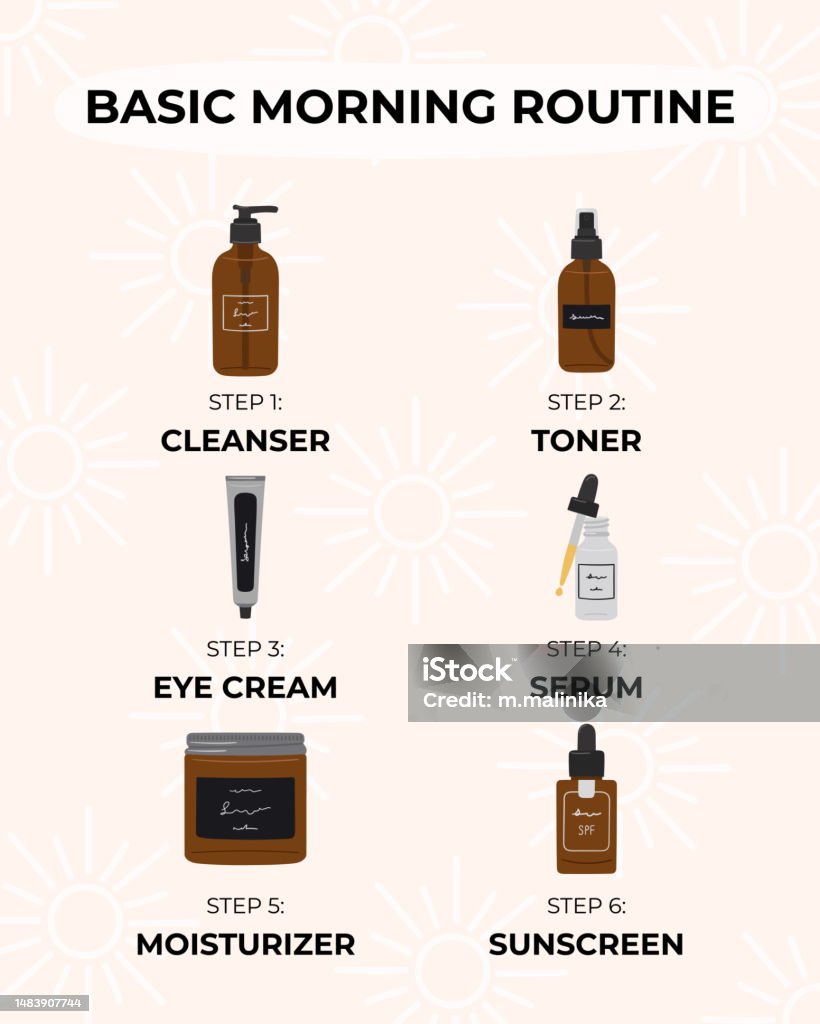
Simplify Your Routine
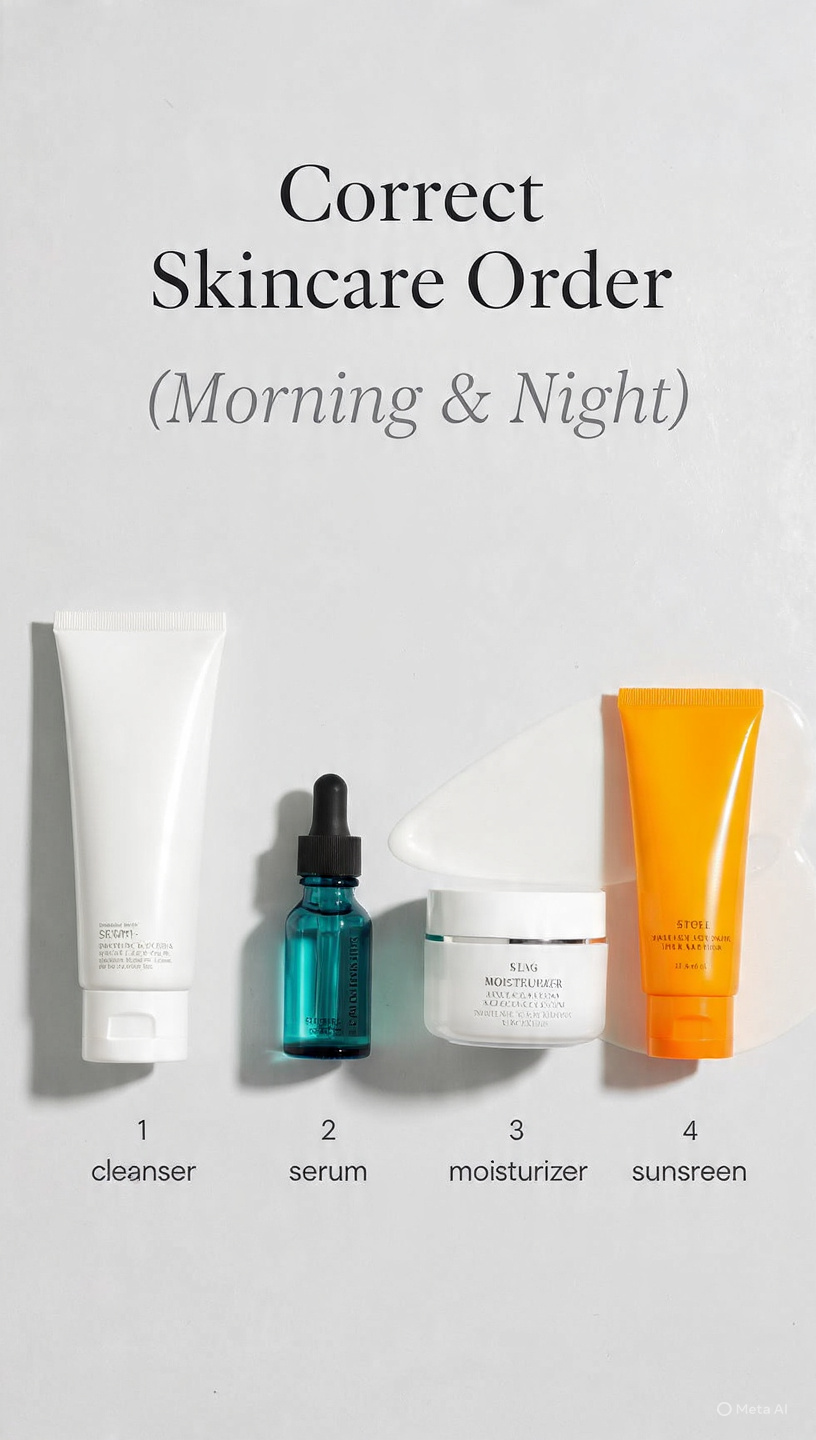
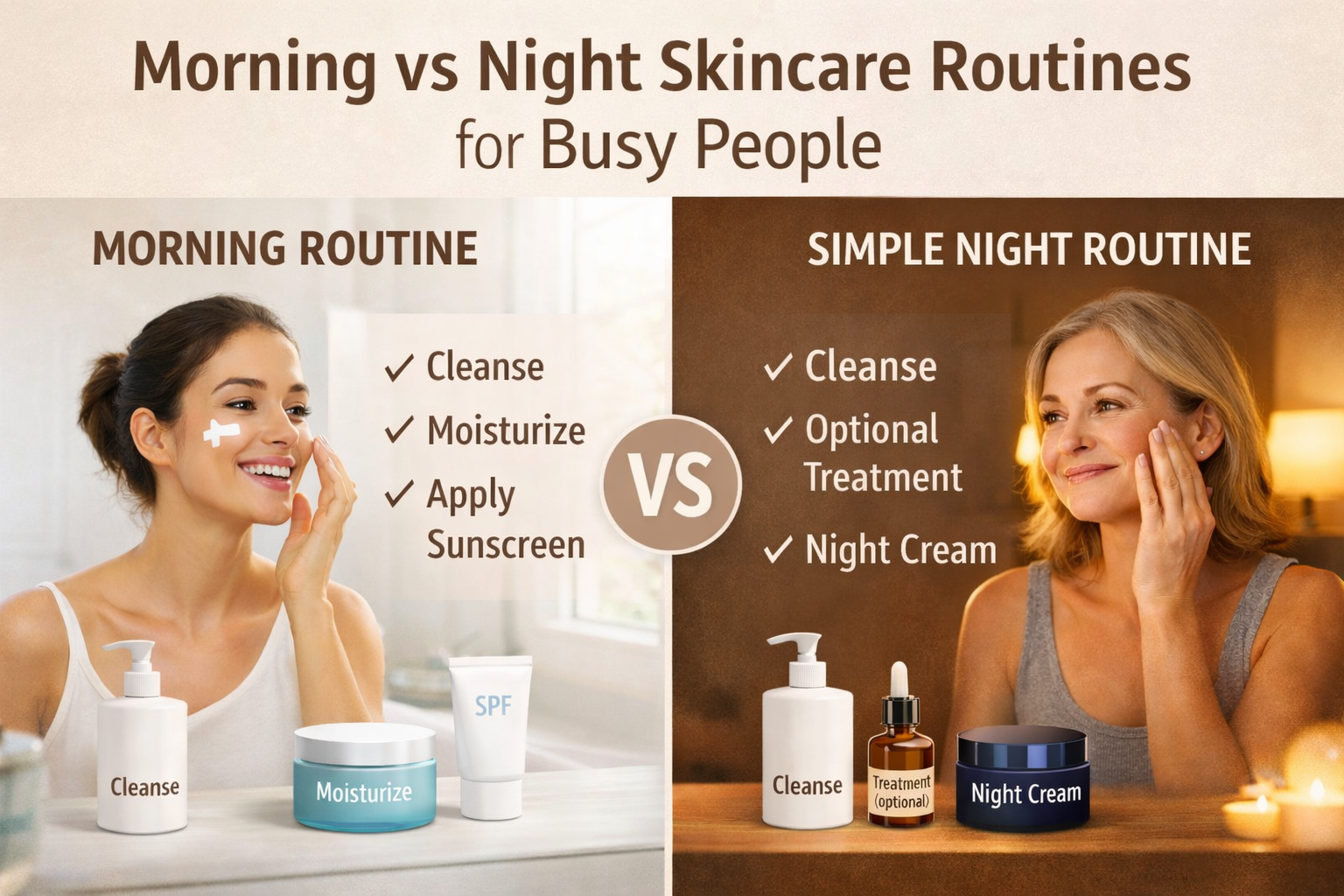
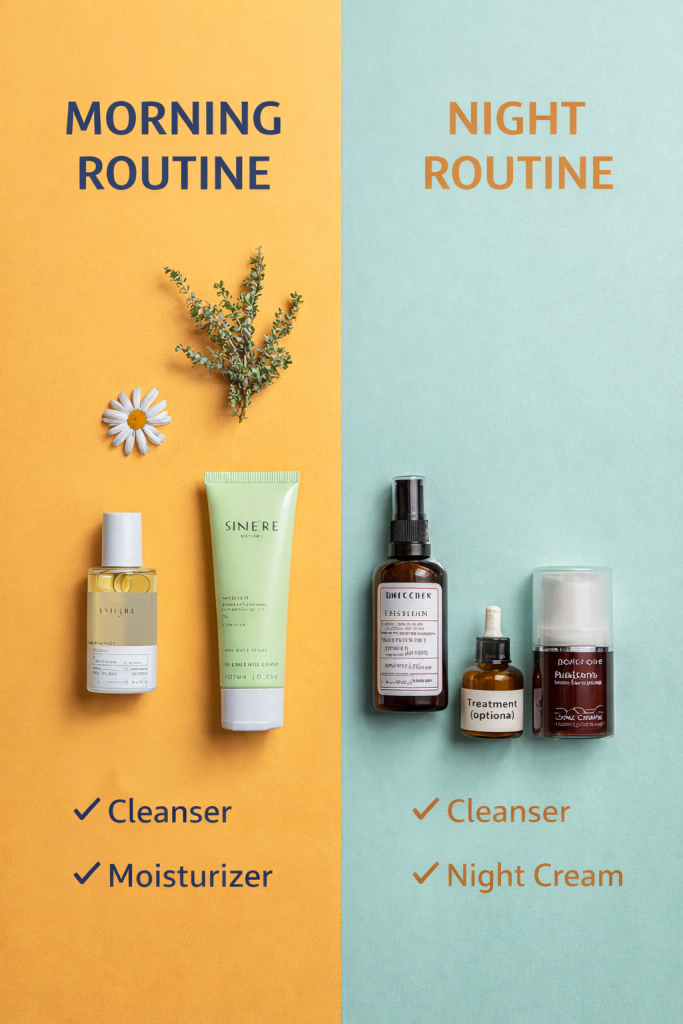
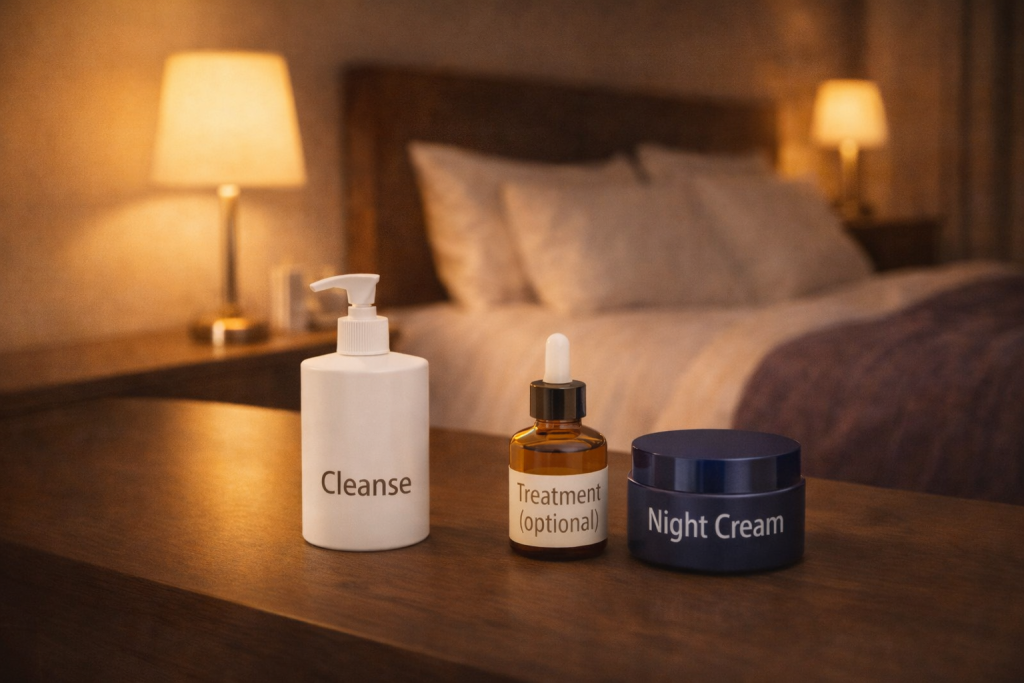
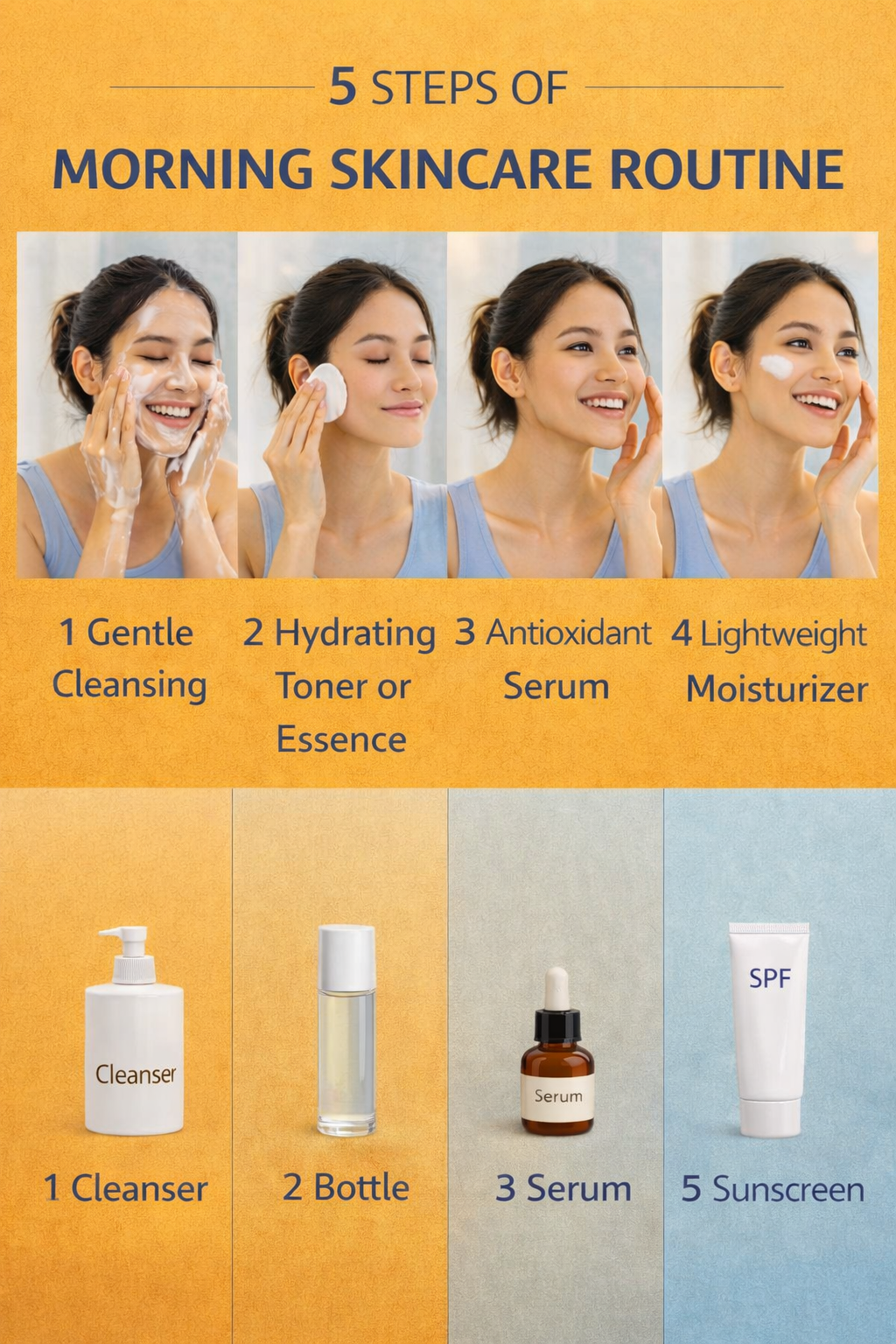
The most effective starting point is to reduce your routine to the basics:
- a gentle cleanser
- a simple moisturizer
- sunscreen during the day
This helps remove unnecessary stress and allows your skin to reset.
Focus on Gentle Care
Choose products that prioritize hydration and comfort. Your goal is to support your skin, not challenge it.
Look for formulas that feel soothing and easy to use consistently.
Be Consistent
Consistency is one of the most important factors in improving stressed skin.
Avoid switching products frequently. Give your skin time to adjust and respond to your routine. This stability helps restore balance over time.
Pay Attention to How Your Skin Responds
Your skin provides feedback through how it feels and behaves. If something causes discomfort or irritation, it may be worth adjusting your routine.
Learning to observe these signals is key to maintaining balance.
Adjust for Your Environment
If your environment changes, your routine may need to adapt slightly.
For example:
- in dry conditions, focus more on hydration
- in humid conditions, keep your routine light and breathable
These small adjustments can make a noticeable difference.
How Long Does It Take to Calm Stressed Skin
Improving stressed skin takes time. You may begin to notice small changes within a few days, such as increased comfort or reduced sensitivity.
More visible improvements often take a few weeks of consistent care.
The key is patience. Supporting your skin gradually leads to more lasting results than trying to fix everything at once.
Final Thoughts
Understanding what causes stressed skin gives you the clarity you need to improve your routine in a meaningful way. Instead of reacting with more products or constant changes, you can focus on what truly supports your skin.
By simplifying your routine, choosing gentle care, and staying consistent, you create the right conditions for your skin to recover. Over time, this approach helps restore balance and improves how your skin looks and feels.
Stressed skin is not permanent. With the right support, your skin can return to a more stable, comfortable state.