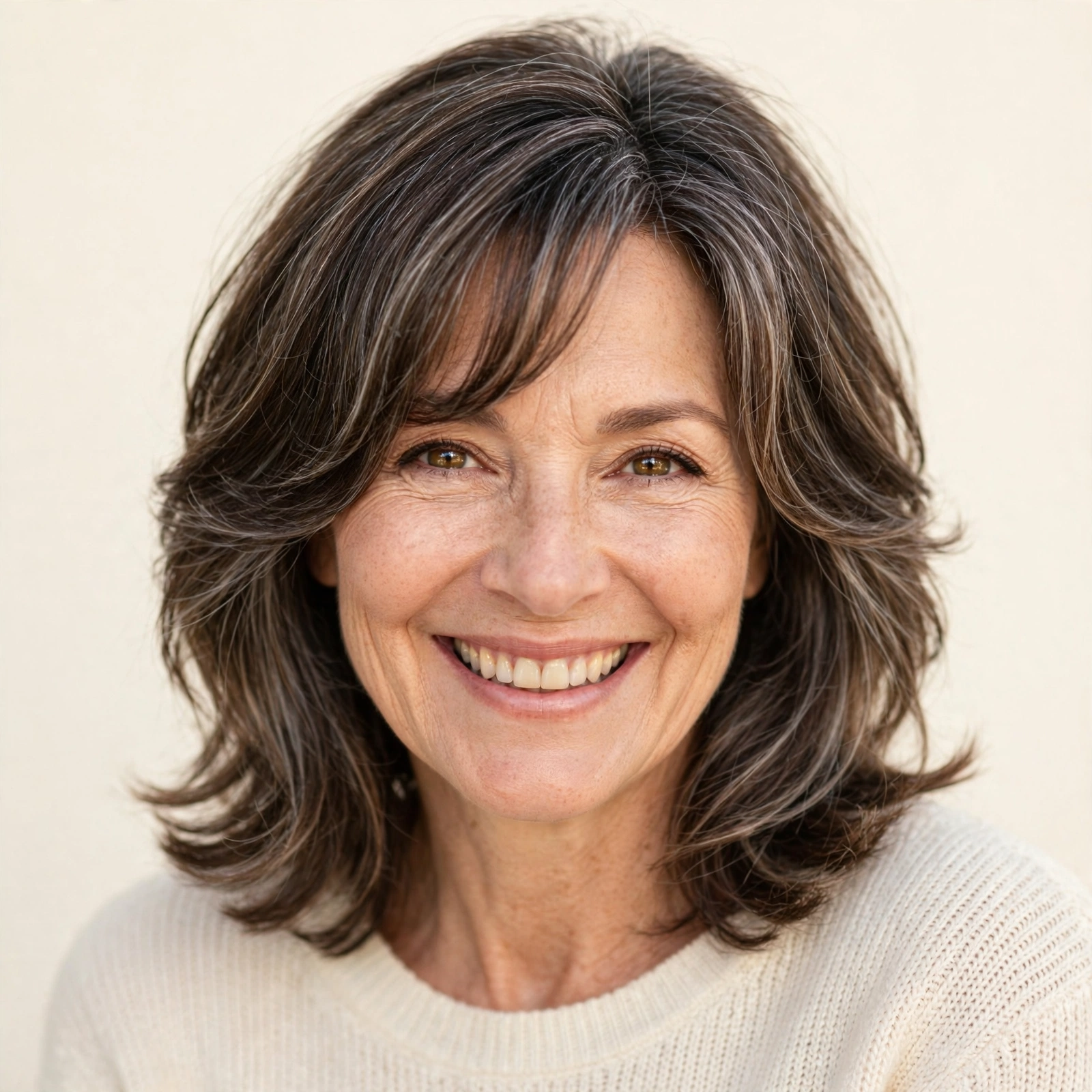
There’s a persistent myth that once you reach 50, your hairstyle choices should narrow down to “short, curly, or pinned back.” Consider that myth officially busted . Enter curtain bangs—the soft, face-framing fringe that has taken the hairstyling world by storm and proven to be one of the most flattering options for women over 50.
Unlike the heavy, blunt bangs you may have tried (and regretted) in your 20s, curtain bangs are fluid, forgiving, and fun. They part down the middle like drawn theatre curtains, gently sweeping to each side of your face. This style doesn’t hide who you are; it frames the best version of you . Whether you’re looking to soften fine lines, add volume to thinning hair, or simply refresh your look without a dramatic chop, curtain bangs offer a low-risk, high-reward solution.
The beauty of curtain bangs for women over 50 lies in their versatility. They address the specific changes that come with mature hair—loss of volume, changes in texture, and the desire to soften lines without hiding—while delivering a style that feels both polished and effortlessly modern .
Why Curtain Bangs Work So Well After 50
So, what makes curtain bangs so effective for women over 50? The answer lies in how our faces change as we age. As we mature, we naturally lose volume in our cheeks and temples. Harsh, straight-across bangs can actually emphasize the narrowness of the upper face, while deep side-swept bangs can settle into fine lines .
Curtain bangs do three things differently:
- They create a diagonal lift. The shortest part hits near the centre of your forehead, then angles down toward your cheekbones, literally pulling the eye up and out—the opposite of gravity.
- They add width where you lose it. By parting down the middle and sweeping outward, curtain bangs add visual width to the temples, balancing a face that may have narrowed with age.
- They blur, rather than hide. Heavy bangs can look like you’re hiding something. Wispy curtain bangs softly diffuse attention across your forehead, making fine lines less noticeable without looking like a curtain of denial .
“The key for an ageless fringe is to avoid blunt horizontal lines as these can shorten the face and encourage squareness,” explains hairstylist Tom Smith. Instead, soft, rounded shapes that curve around the brow bone and cheekbone create a more heart-shaped face, which is aligned with offering a youthful look .
15 Curtain Bang Styles for Women Over 50
1. The Soft Wispy Curtain Bang
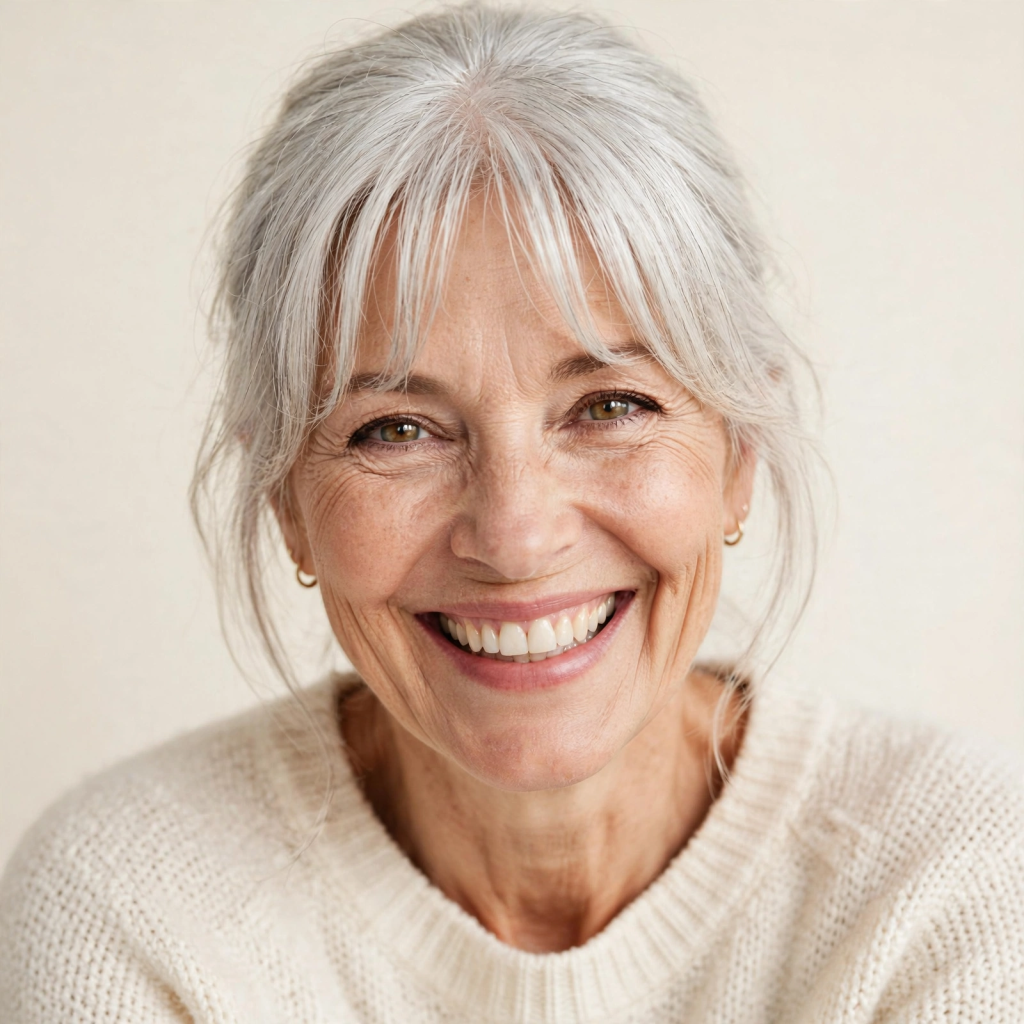
Best for: Fine or thinning hair
These light, airy bangs are cut with point-cutting techniques to create soft, feathery ends. They’re the most forgiving option because they blend easily into the rest of your hair and require almost no maintenance . On silver or gray hair, wispy ends look especially ethereal .
2. The Classic Long Curtain Bang
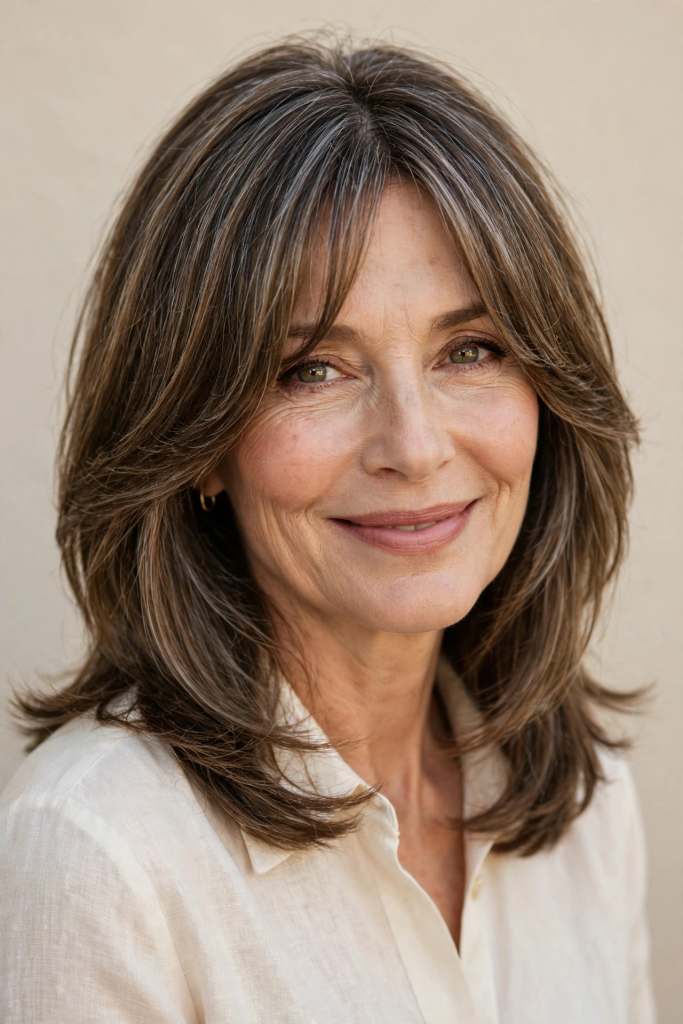
Best for: Oval and heart-shaped faces
Keep the bangs grazing your cheekbones or chin. This length is the most forgiving—it pulls the eye downward, creating a lifting effect. The shortest point sits at the bridge of the nose, camouflaging forehead lines while blending seamlessly into shoulder-length or longer hair .
3. The Volumizing “Lift” Bang
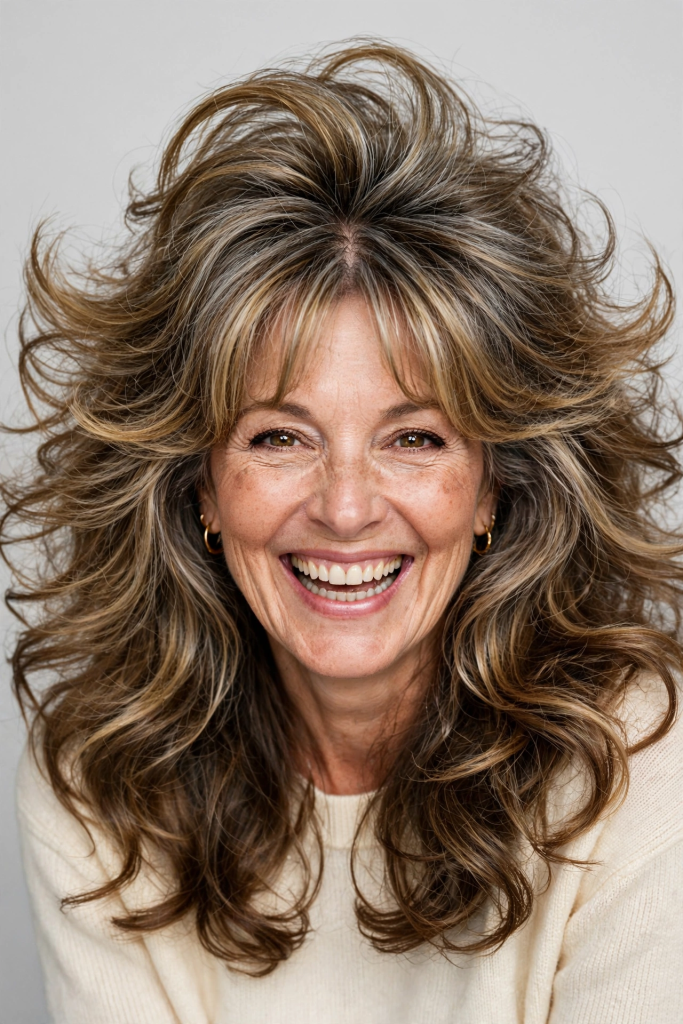
Best for: Flat or limp hair
By cutting the shortest layer at the eyebrow and blowing it forward and up, you create a “pouf” at the crown. This disguises thinning at the part line and makes the whole head look thicker . Think of it as a facelift effect for your hair.
4. The Bardot-Inspired Curtain
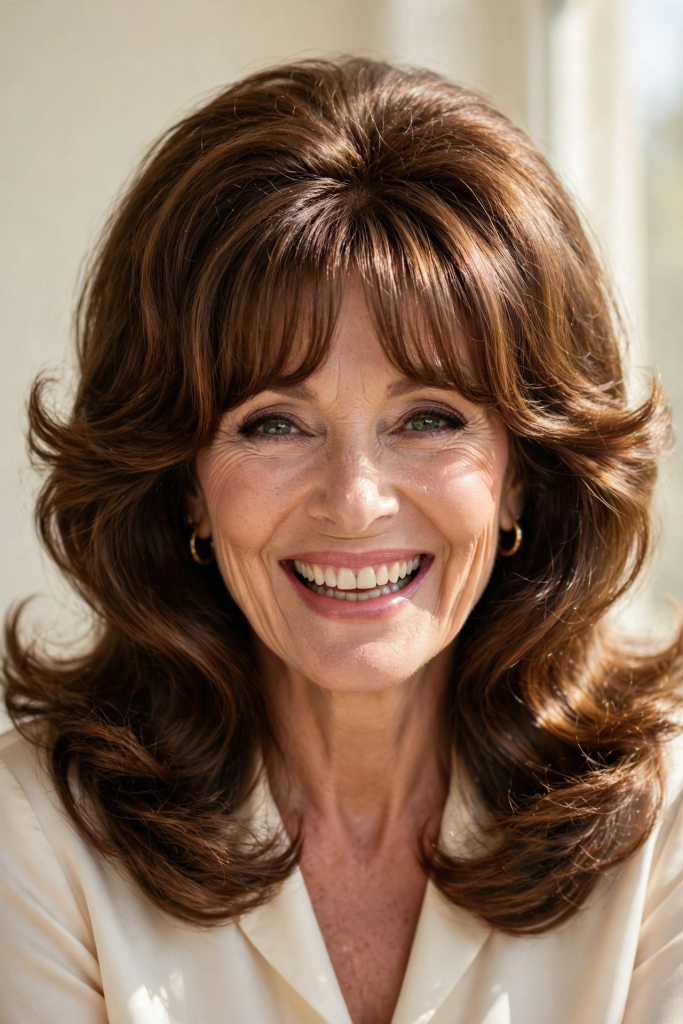
Best for: Thick, straight hair or hiding deeper forehead lines
Named after Brigitte Bardot, these are slightly shorter in the middle and longer on the sides, sitting right above the eyebrows. This specific length covers the forehead entirely while the sides elongate the neck . According to stylist Nataliia Bumford, this style is “cut from the bridge of the nose, soft in the centre and fuller toward the sides” .
5. The Curly Curtain Fringe
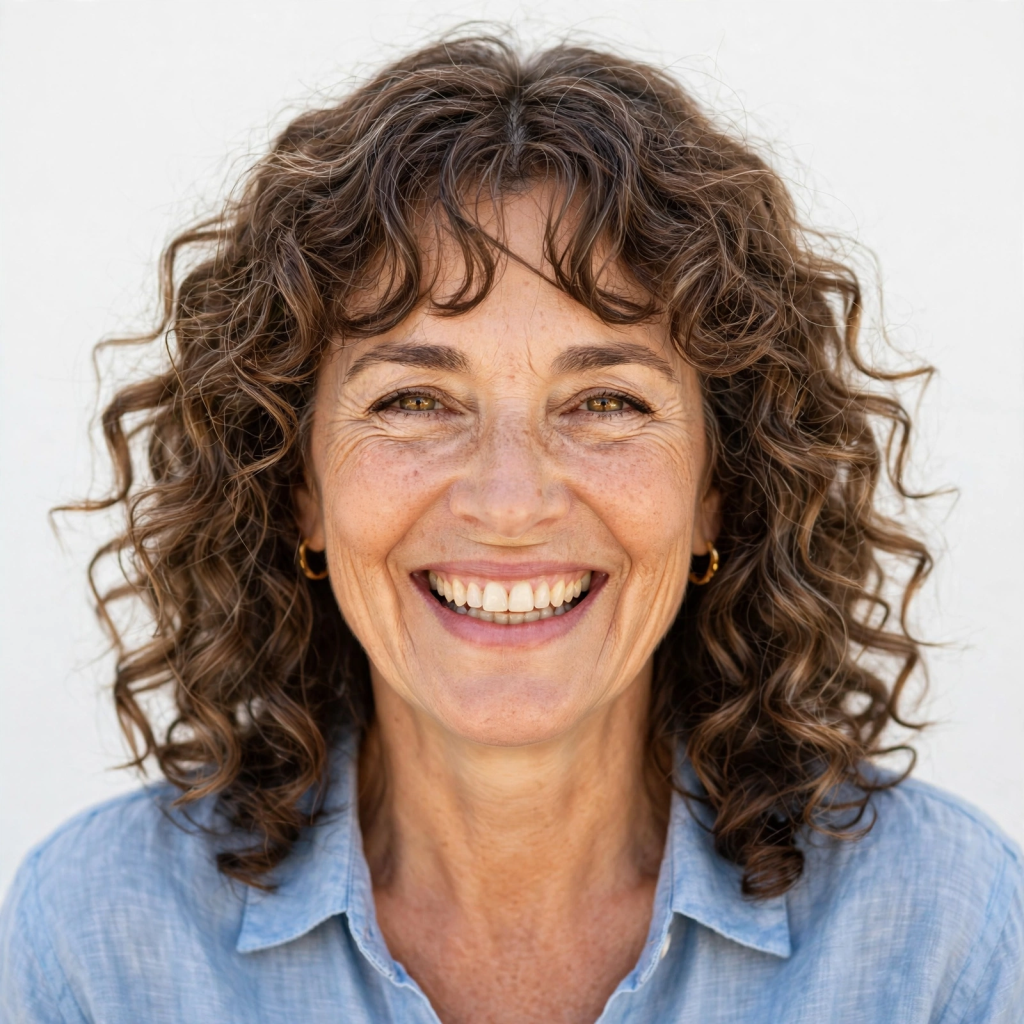
Best for: Naturally wavy or curly hair
Curly curtain bangs are cut dry so your stylist can see exactly where each curl falls. The key is keeping the part defined—the curtain effect reduces triangle-head syndrome and frames the face organically. Embrace the imperfection; your natural curl pattern gives the bangs volume and texture that straight bangs can’t match .
6. The Choppy Bohemian
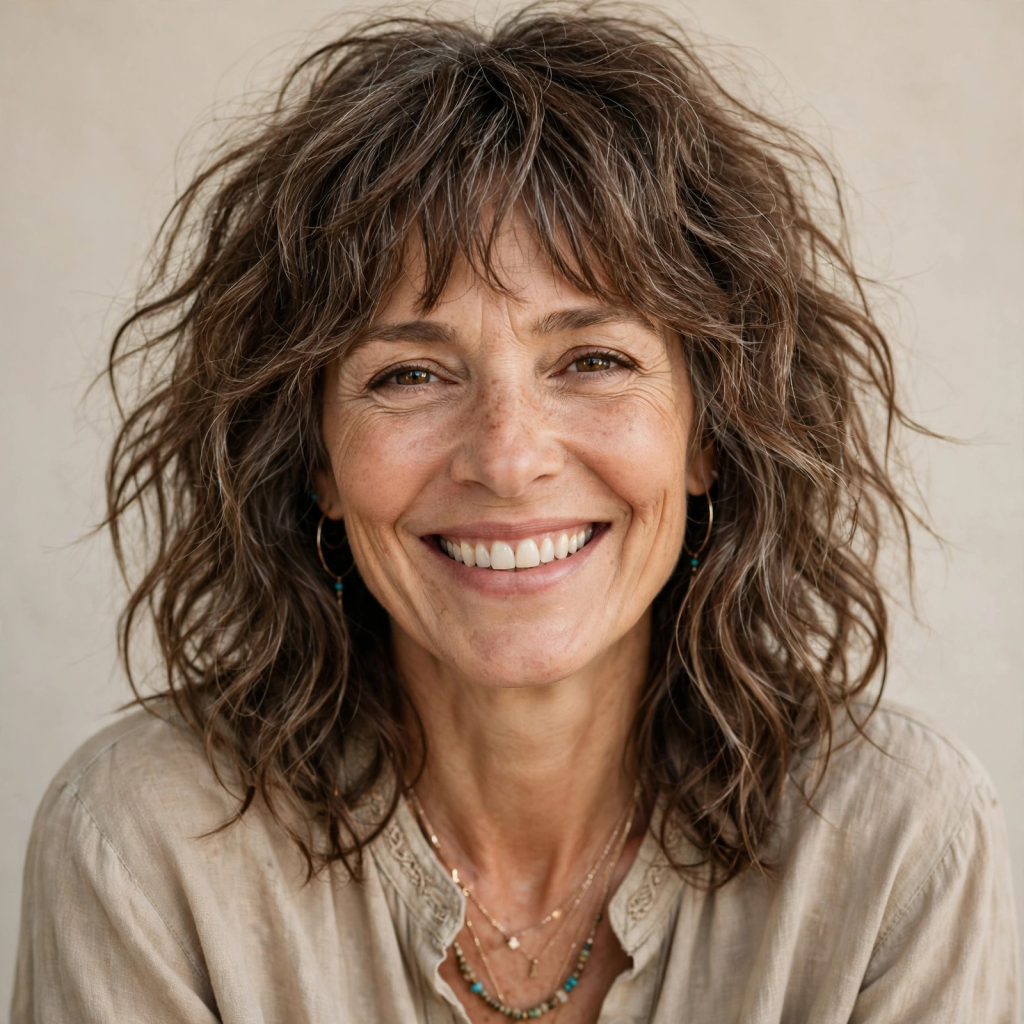
Best for: Thick, wavy, or unruly hair
A choppy, disconnected curtain bang looks intentionally messy and youthful. It softens a strong jawline and looks incredible with a messy bun or lob . “Again, it’s great for any age and hair texture—on a more mature face, the softness can feel flattering and maximise the look of fullness,” notes Tom Smith .
7. The Side-Swept Curtain (No Middle Part)
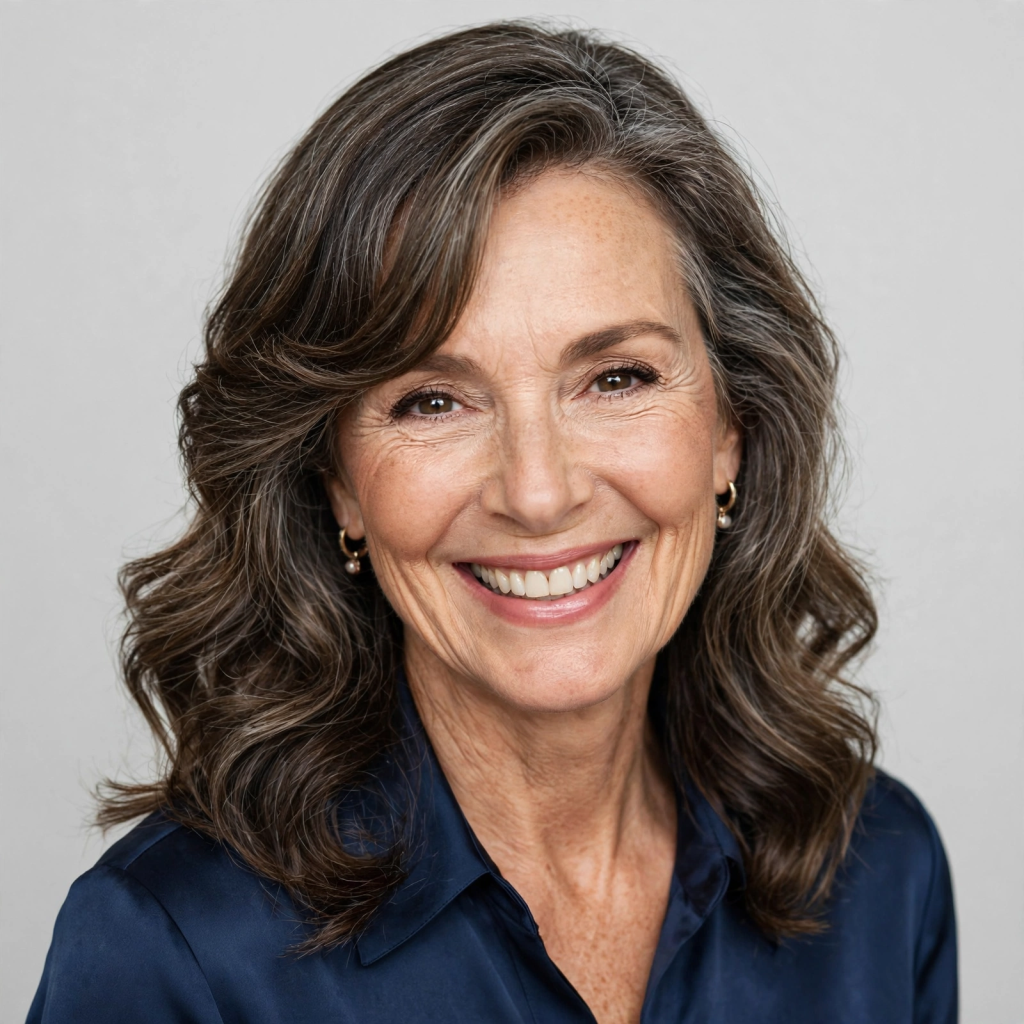
Best for: Asymmetrical faces or receding hairlines
Who says a curtain bang needs a perfect middle part? Ask for a deep side part with the bangs cut longer on the heavy side. It sweeps across the forehead diagonally, providing coverage for sparse temples while looking very Old Hollywood glamorous .
8. The Curtain Bang with a Bob
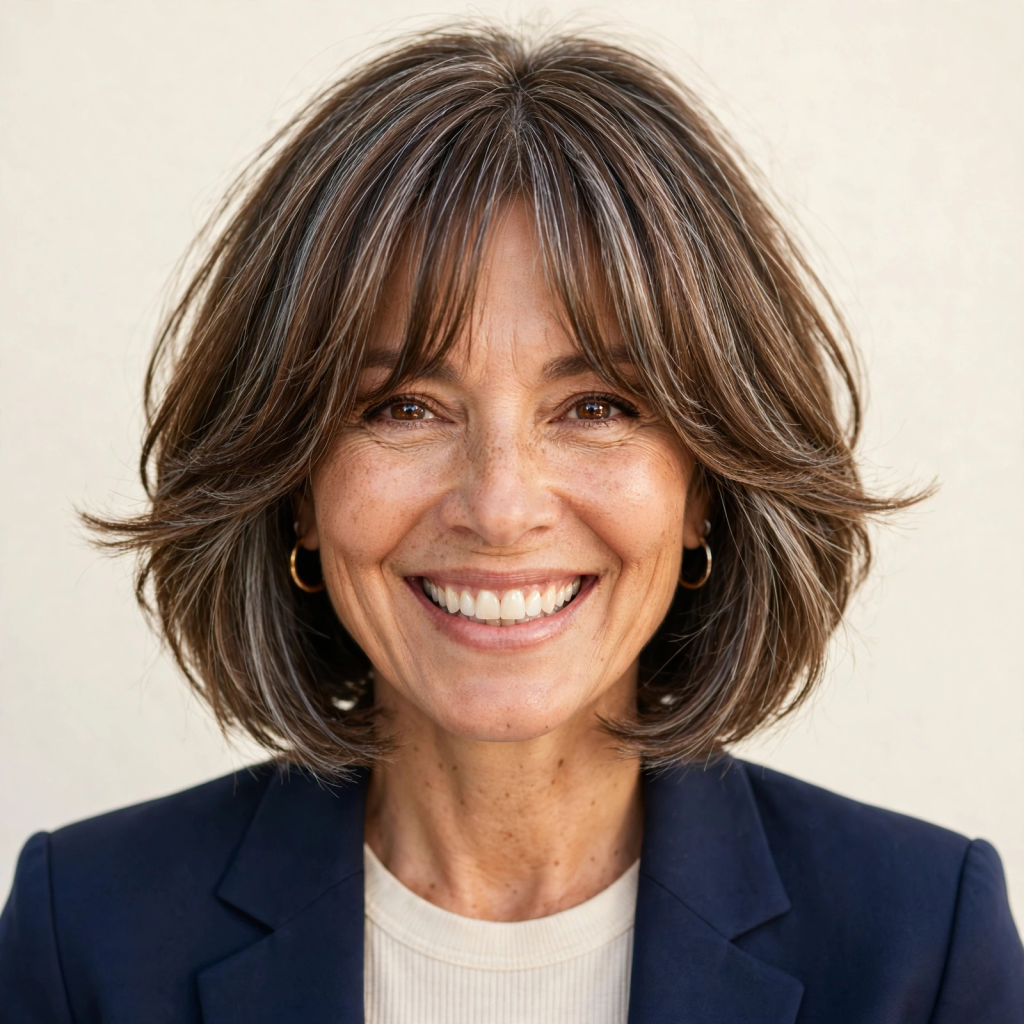
Best for: Most face shapes
A bob and curtain bangs are a match made in hairstyle heaven. The bangs blend into the bob’s face-framing layers, creating a continuous line from forehead to chin. This combination is chic, sophisticated, and surprisingly low-maintenance .
9. The Curtain Bang with a Pixie Cut
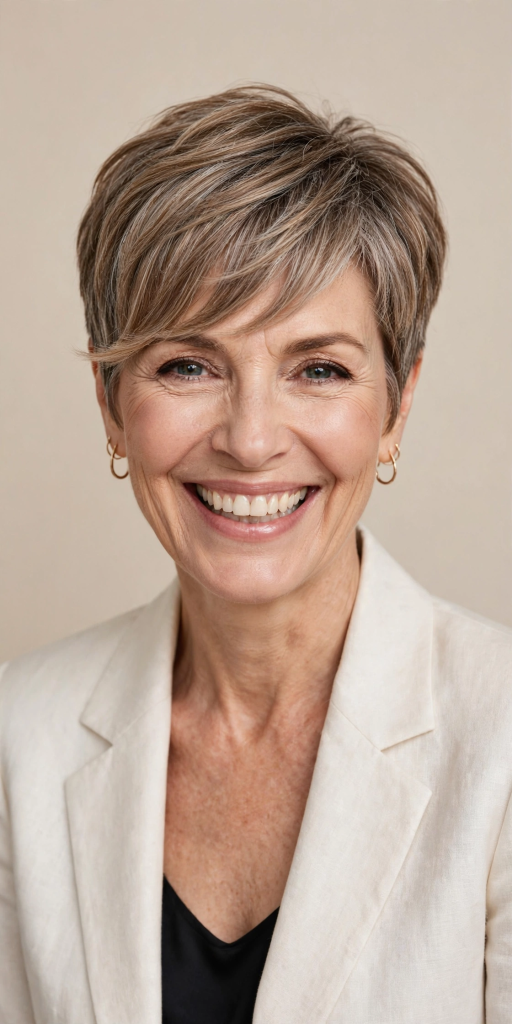
Best for: Women who love short hair but want a change
The bangs are cut longer than the rest of the pixie and swept to each side, softening the pixie considerably and making it more approachable and romantic . This style shows off your cheekbones and neck, which is incredibly age-defying .
10. The Textured Curtain Bang
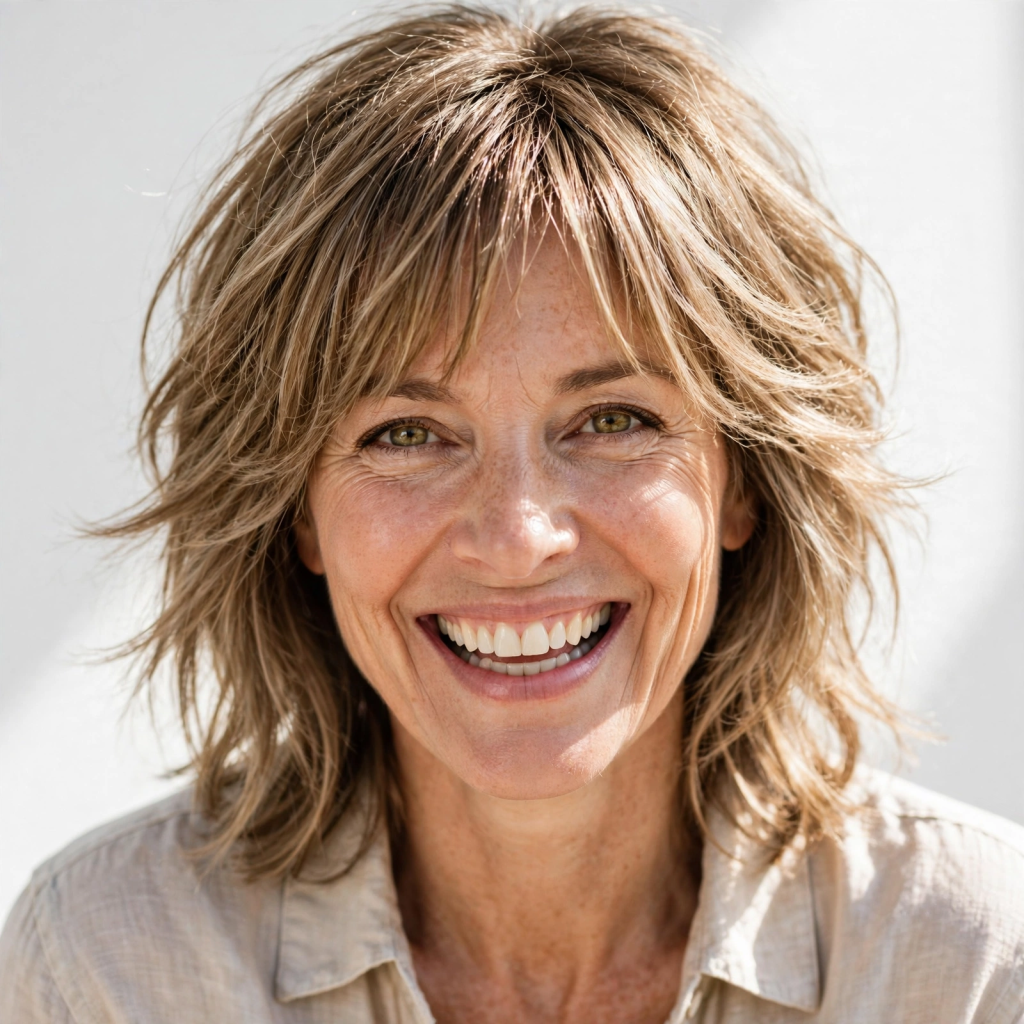
Best for: Fine hair
Textured bangs are cut with point-cutting or razor techniques to create movement and separation. Unlike smooth bangs that lie flat, textured bangs have piece-y ends that stand slightly apart, creating the illusion of density .
11. The Bottleneck Bang
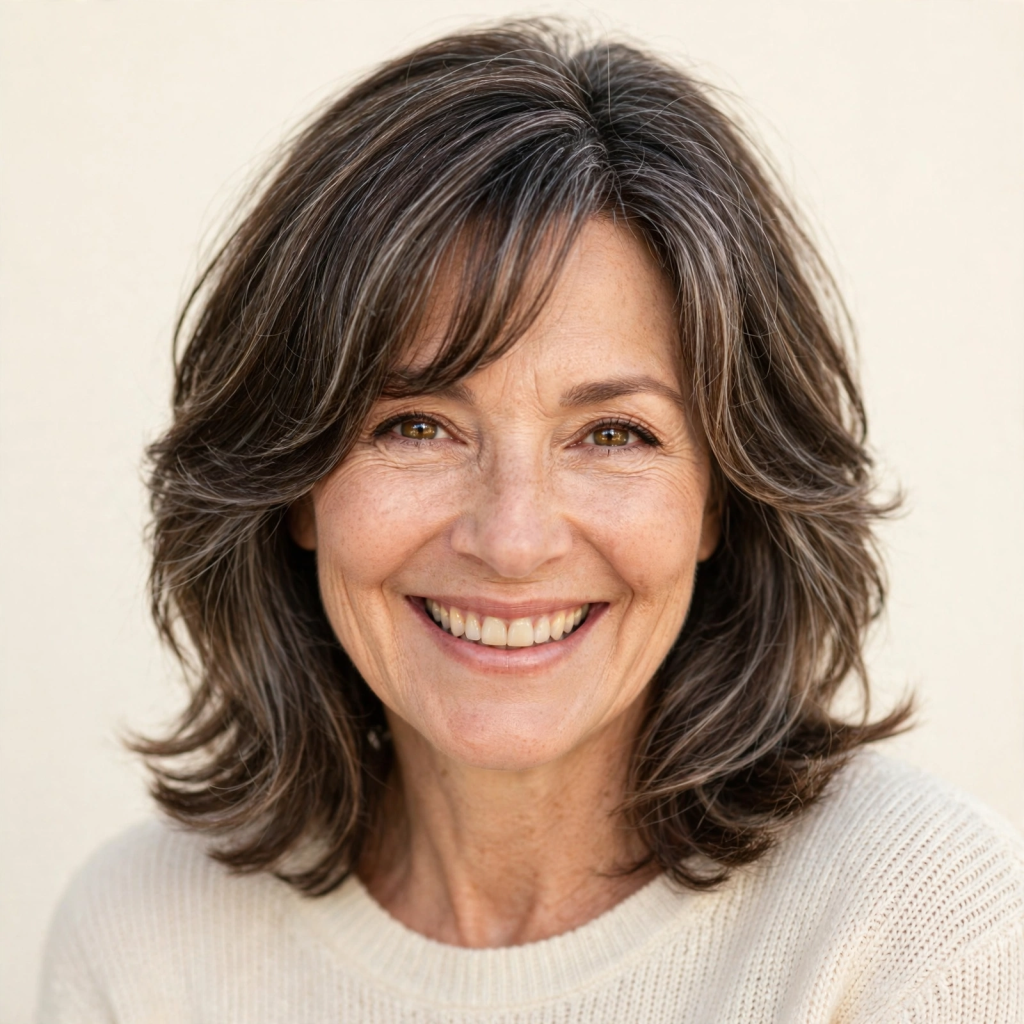
Best for: Universal flattery
“These combine piecey and choppy brow-skimming lengths and curve around the eye finishing at cheekbone height,” explains Tom Smith. The length of the shorter and longer areas can be adjusted to suit various face shapes and styling needs, making it perhaps “the most flattering fringe shape offering an ageless look” .
12. The Face-Framing Layered Combo
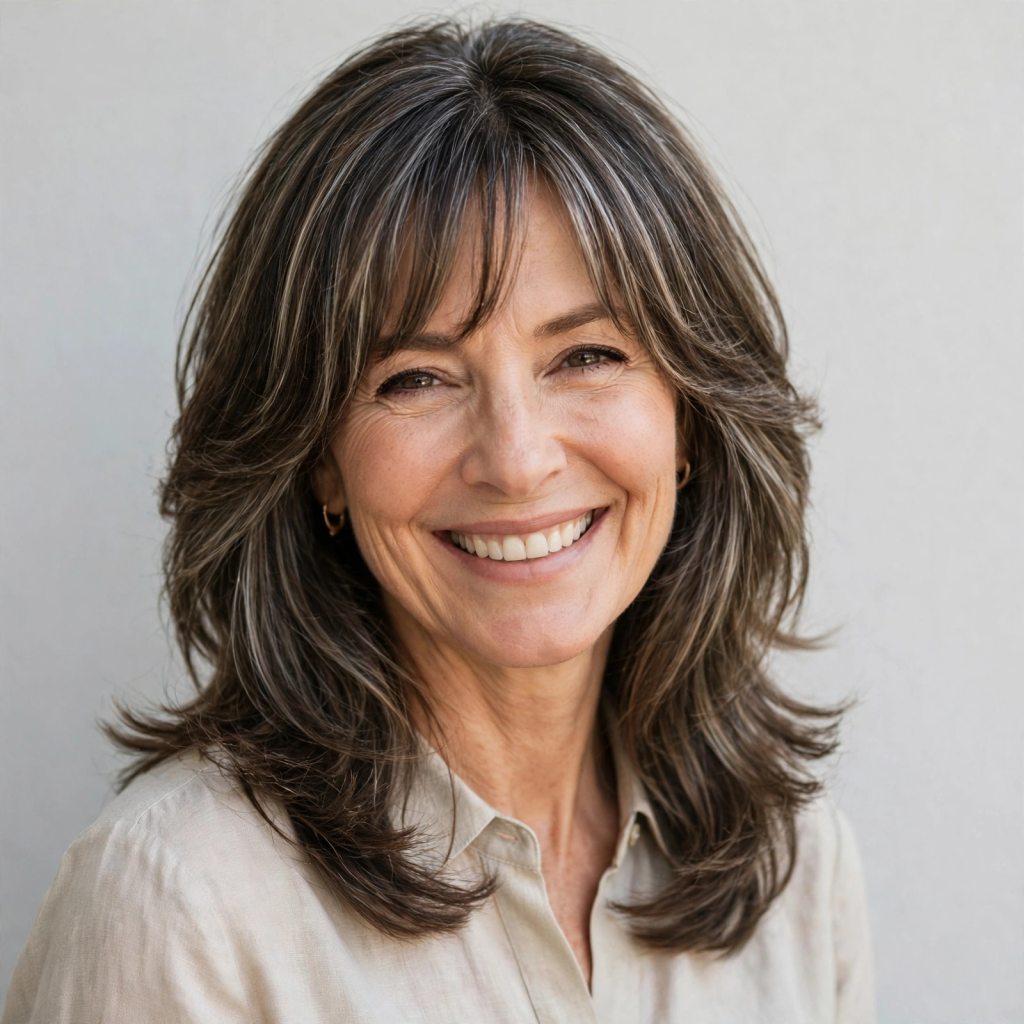
Best for: Shoulder-length or longer hair
Integrate your curtain bangs into a layered haircut where the shortest layer begins at the chin. This creates a cascading frame that draws the eye diagonally downward—a trick that minimizes jowls and softens a square jaw .
13. The Wispy Silver Sweep
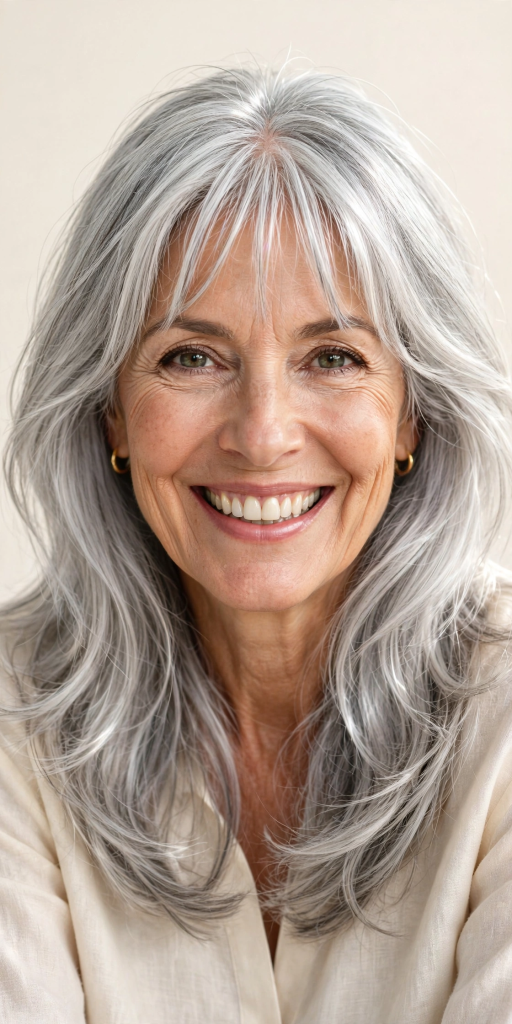
Best for: Natural gray or silver hair
If you’ve embraced your silver, heavy bangs can look harsh. Ask for “whisper thin” curtain bangs. The wispy texture allows your scalp to breathe and gives that ethereal, glass-like look to gray hair. A little texture spray keeps them airy .
14. The Low-Maintenance Air-Dry Bang
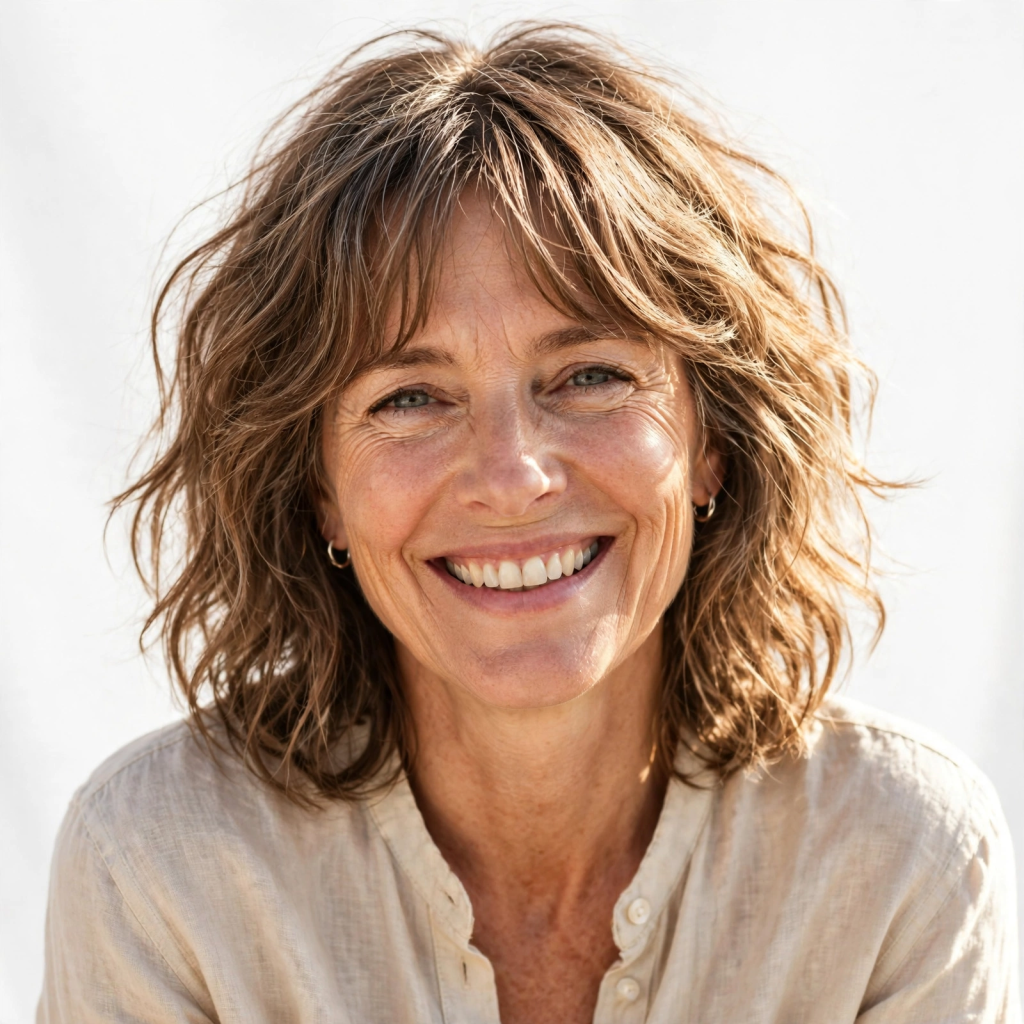
Best for: Busy lifestyles
Curtain bangs can be cut to suit a wash-and-go routine. The secret is a “dry cut” with no overdirection—the bangs will fall naturally into a soft curtain shape as they dry. Apply a dab of lightweight mousse, part in the middle, and let air dry .
15. The Curtain Bang with Mid-Length Hair
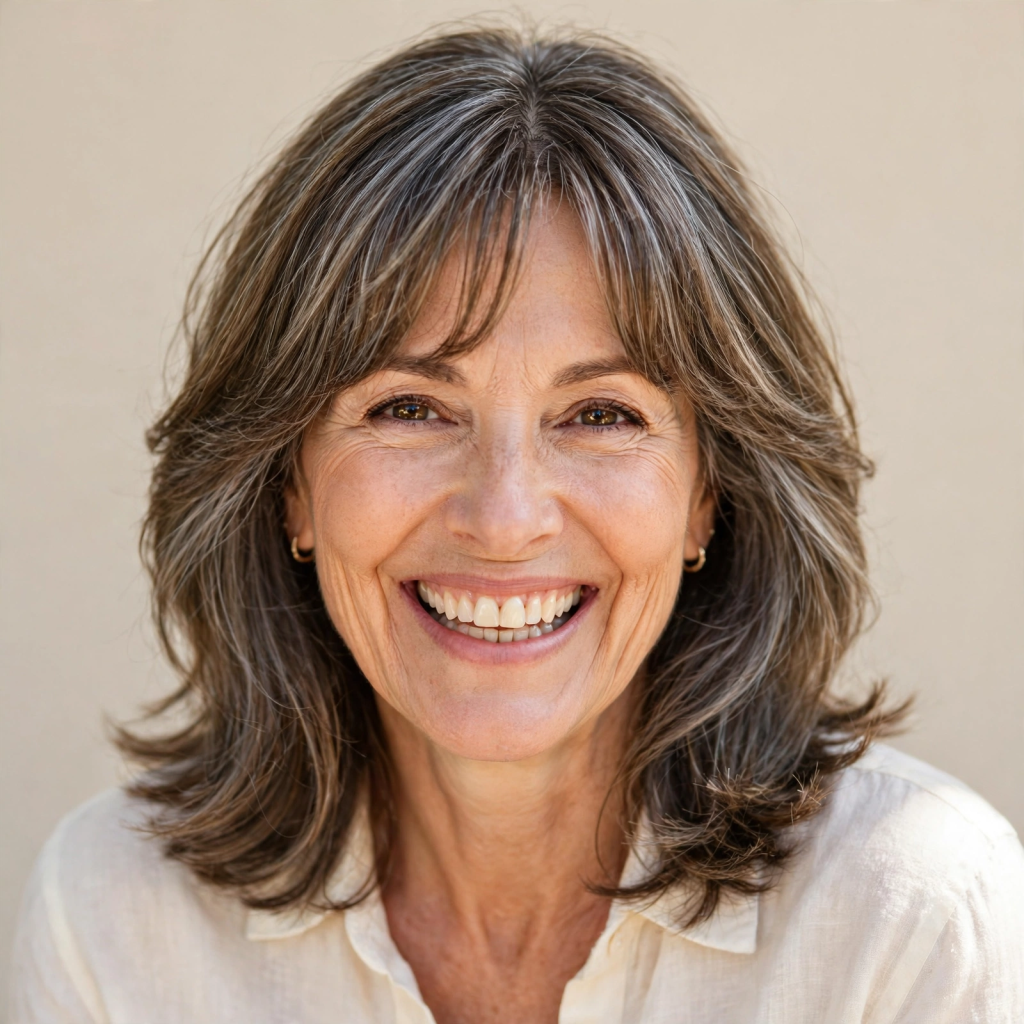
Best for: Fine or medium hair
Curtain bangs paired with a mid-length cut (collarbone to shoulder) create a cohesive, polished look. The bangs blend into the layers throughout the cut, so nothing looks disjointed. The mid-length gives you enough hair to style but not so much that it becomes heavy .
How to Style Curtain Bangs: A 5-Minute Routine
Modern curtain bangs take about five minutes and one tool. Here’s the routine:
The “Roll and Cool” Method:
- Dampen just the bangs with a spray bottle (you don’t need to wash your whole head).
- Create the part using the end of a rat-tail comb for a precise middle or slightly off-centre part.
- Using a medium round brush, roll the bangs forward, hit with a blow dryer for 5 seconds.
- Let the brush cool completely before releasing. This sets the bend and lasts all day .
Alternative Method (No Round Brush):
For a quick fix, use a small flat iron to create a gentle “C” curve away from your face. Start at the roots, roll out and down—don’t curl under like a 90s flip. After heating, hold the curve in your fingers for 10 seconds until cool .
Pro Tips:
- Blow-dry your bangs first while the rest of your hair is damp
- For Bardot-style bangs, use a small round brush to pull each side from the roots toward the centre of your forehead, gliding the ends outward and away from your face
- Dry shampoo is your best friend—curtain bangs get oily faster than the rest of your hair due to contact with your face. A spritz of dry shampoo keeps the texture matte and voluminous
What to Tell Your Stylist
Walk into the salon with these key phrases:
- “Cut my curtain bangs dry and in my natural part.” Wet hair shrinks and shifts. A dry cut respects your hair’s true fall and texture .
- “Keep the shortest point at my nose or eyebrow.” Longer for forehead lines, shorter for smaller foreheads .
- “Taper the ends so they blend into my layers.” This prevents the dreaded “shelf” look and ensures the bangs move naturally with the rest of your hair .
- “Add face-framing pieces alongside the fringe.” This is essential—they define contours and create a polished, seamless finish .
Bring reference photos. Stylists love visual references to understand exactly what you do and don’t want .
Maintenance and Care
How often to trim: Every 4-6 weeks for a precise shape. However, because curtain bangs blend into the sides, they grow out more gracefully than blunt bangs. You can stretch to 8 weeks if you style them swept to the side .
Washing delicate bangs: Think of washing your bangs like washing crystal—they require minimal friction and maximum gentleness. Avoid lathering directly on your bangs; instead, work shampoo into the rest of your hair and let the runoff naturally cleanse the bangs .
Managing flyaways: Hydrating serums and lightweight oils are your best friends. After washing and styling, gently apply a lightweight serum to your mid-lengths and ends. This seals the cuticle and smooths down rogue strands .
Deep conditioning: Deep conditioning is non-negotiable when dealing with mature hair. Use a moisturising conditioner from the ears down, and consider a hair mask once a week for intense restoration .
Common Mistakes to Avoid
- Cutting bangs too short. Curtain bangs should never look like baby bangs. When in doubt, go longer—you can always trim more later .
- Using heavy oils or serums. These weigh bangs down and make them look greasy within hours. Stick to powder or dry shampoo .
- Parting them too far to one side. The “curtain” effect requires a defined centre or slight side part. An extreme side part defeats the purpose .
- Skipping the blowout. Curtain bangs rarely air-dry perfectly unless cut specifically for that. A 90-second blow-dry with a round brush makes all the difference .
- Letting bangs grow past the chin. Once they hit your chin, they’re no longer bangs—they’re just layers. Schedule that trim .
Frequently Asked Questions
Will curtain bangs make my fine hair look thinner?
Not if cut correctly. Because curtain bangs are parted and swept to both sides, they create a wider, more volumetric frame around the upper face. By keeping the section light and blending it into subtle face-framing layers, you actually add depth and movement .
Can I wear curtain bangs with glasses?
Absolutely. Choose bangs that sit slightly above or right at the top of your frames. A longer curtain bang that sweeps past the temple works beautifully with both reading and sunglasses .
What if I have a cowlick?
Curtain bangs are actually ideal for cowlicks—the centre part works with the natural growth pattern. Your stylist can work with your hair’s natural direction rather than fighting it .
Will curtain bangs look good if I wear my hair up?
Yes, and that’s one of their superpowers. When you pull your hair back, the curtain bangs remain down, softly framing your face. This instantly softens the severity of a ponytail or bun and adds a romantic, undone touch .
Conclusion
Curtain bangs are proof that the rules are changing—or better yet, that they never existed in the first place. Whether you choose the wispy silver sweep, the bold Bardot, or the rock-and-roll shag, the goal is the same: to feel like you look in the mirror and see someone who is still experimenting, still playing, and still very much visible .
“A well-shaped fringe brings softness, structure, and effortless shape—without the need for high-maintenance styling,” says stylist Nataliia Bumford. “It gently sculpts the face and defines the jawline” .
Unlike blunt bangs that suddenly look awkward as they grow out, curtain bangs soften and blend into the rest of your hair, making the transition seamless . They’re not a trend you outgrow. They’re a timeless, architectural element of hairstyling that happens to work brilliantly for women over 50—perhaps more than for any other age group .
So go ahead. Open the curtain. You’ll catch your reflection and think, “There I am. Just softer. Just brighter.”

Leave a Reply